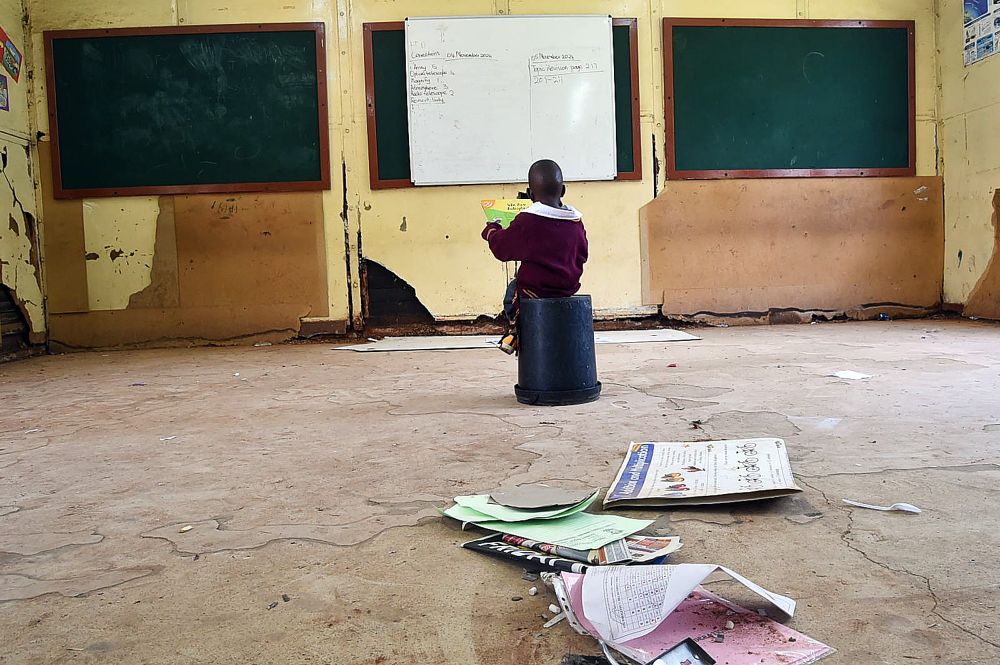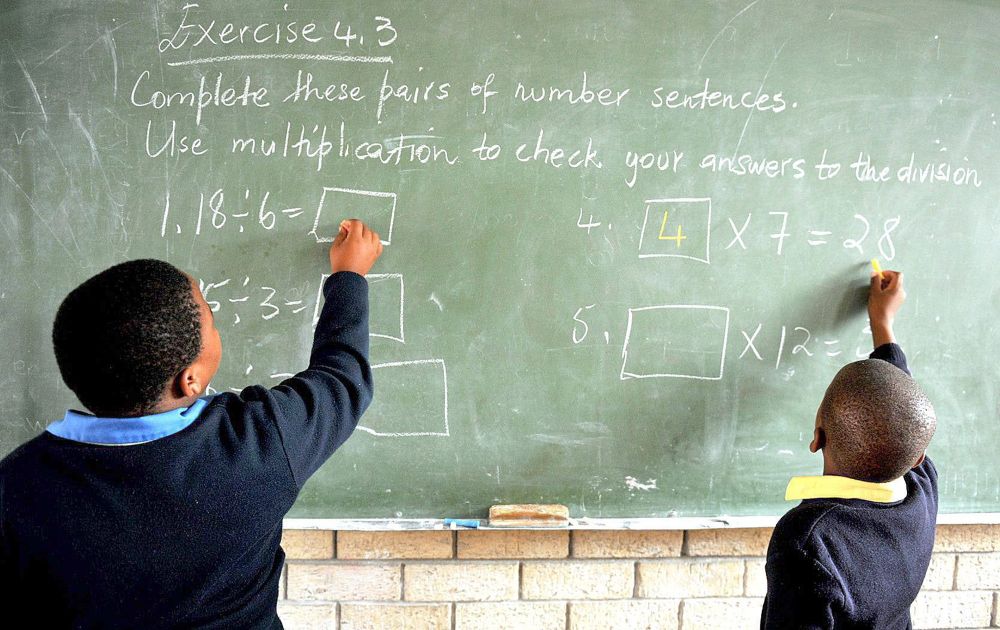
South Africa’s schooling system presents a striking paradox. Fewer than one in five grade 4 learners can read for meaning, yet more than 60% of young people (aged 15 to 24) eventually complete grade 12. Matric (school leaving exam) pass rates have been rising steadily and reached record highs in recent years, especially in poorer schools.
How do so many learners make it through the system when their early learning paths suggest they should not?
This question motivated recent work by our research project, the Mixed Methods Investigation of Learner Assessment Progress and Support, located at Stellenbosch University, the University of Cape Town and the University of KwaZulu-Natal. Fifty teachers in eight high schools were interviewed about how learners move through the schooling system. We also drew on existing quantitative databases, official reports and policy documents.
Rather than offering a single explanation, the research identifies a set of interlocking policies and practices that enable learners to reach grade 12 even when mastery of grade-level content is limited.
The system operates with two competing pressures: