Story audio is generated using AI
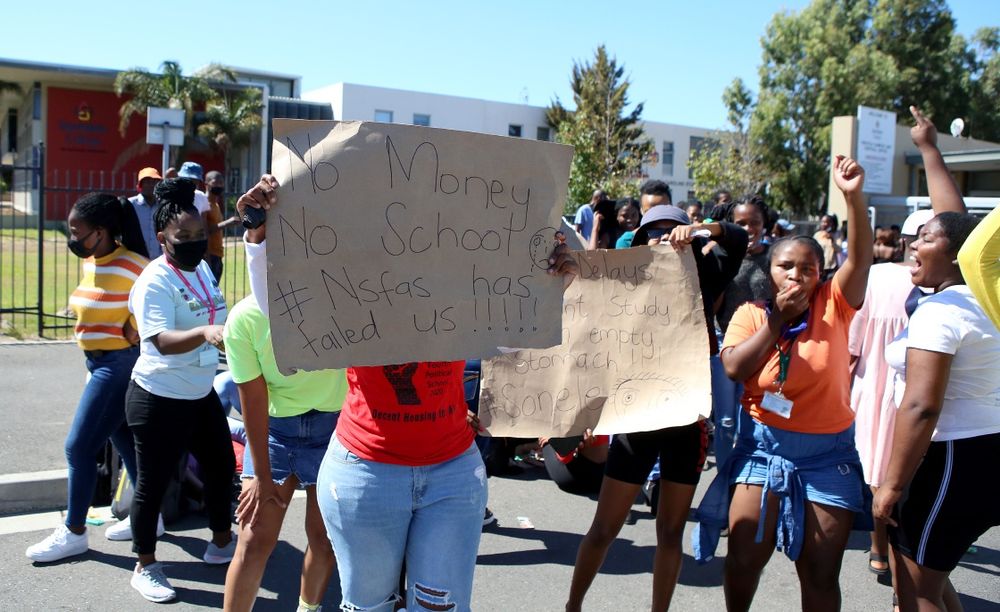
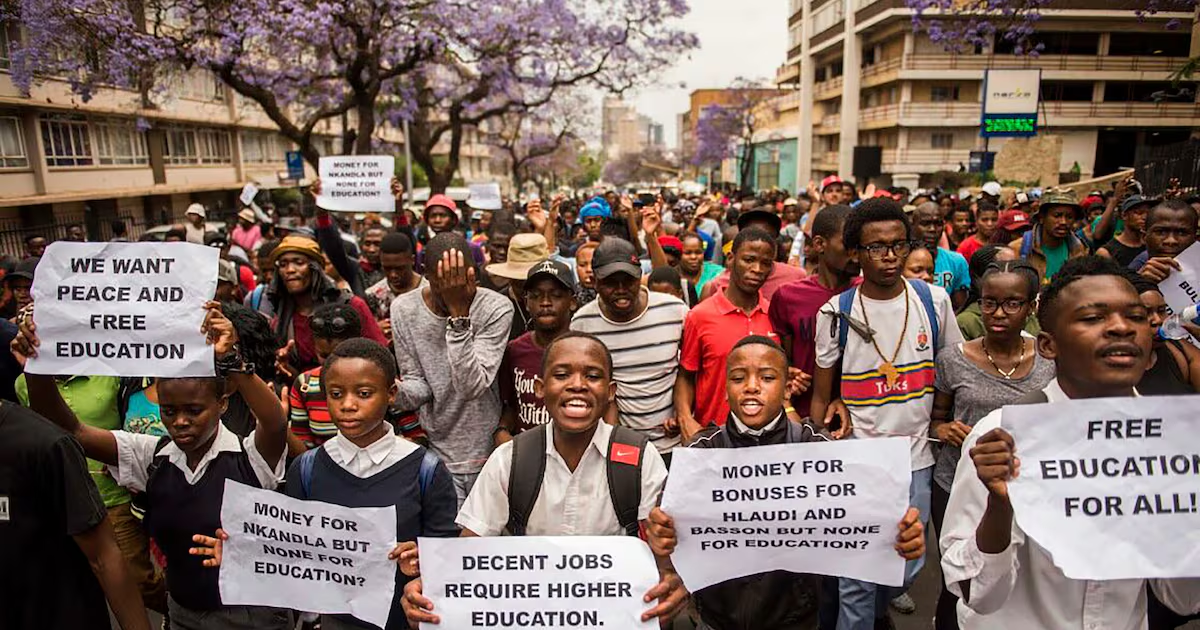
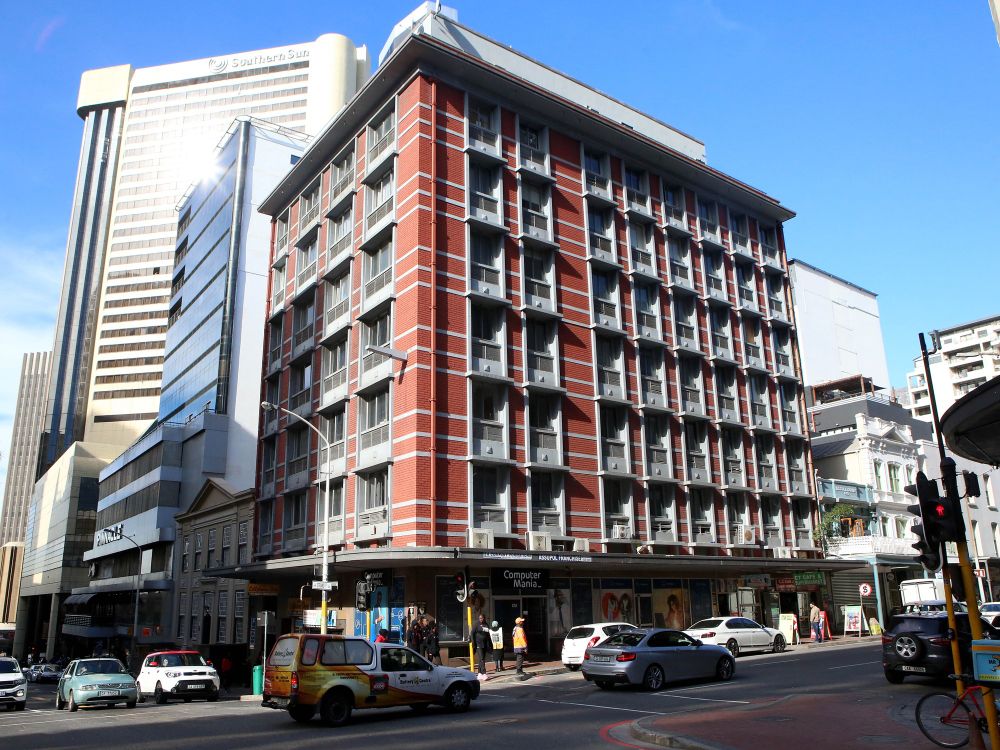
Governance failures, instability at the National Student Financial Aid Scheme (NSFAS), and the need to better prepare graduates for employment were the biggest hurdles facing higher education and training minister Buti Manamela during his first year in office.Reflecting on the period, Manamela said his department had spent much of the past 12 months responding to governance crises across institutions.“The major challenge has been governance. Hardly a month after taking office, we had to place three CETAs under administration, along with the College of Cape Town. We were also inundated with governance issues at some universities and then, of course, NSFAS.“Two months into office, the NSFAS board chairperson resigned, followed by three other board members. That, in itself, created a governance challenge. At the time, the acting leadership committed to stabilising NSFAS within 60 days. We agreed on a more realistic target of 90 days, but it demonstrated the scale of the governance issues we inherited,” Manamela said.He said governance failures often dominate public discourse despite most institutions functioning effectively. “We have 26 universities, 21 CETAs, 50 TVET colleges, quality councils and many other institutions, each with its own council or board. A stable Wits, a stable UJ or a stable NSFAS doesn’t make the news. One incident at one university or college ends up defining the entire sector,” he said.“That doesn’t mean those governance issues shouldn’t be addressed, but it is important to recognise that they do not represent every institution.”He said many governance disputes stemmed from deteriorating relationships between governing boards and executive management.“Where the law allows and where there is sufficient evidence, we have not hesitated to intervene. We have followed the law in every instance, even though many of those interventions have been challenged in court,” he said.He revealed that the department had to source an additional R13.5bn last year to sustain NSFAS despite the funding not being built into the department’s baseline budget.“Since the introduction of fee-free higher education in 2018, we have not fundamentally changed the structure of NSFAS or the legislation governing it. Every year, demand for funding increases because deserving students continue to qualify, but the budget has not kept pace with the policy.Looking ahead, Manamela said improving graduate employability remained central to the department’s plans. Every year, demand for funding increases because deserving students continue to qualify, but the budget has not kept pace with the policy.He added that the government was shifting its focus towards building a skills-driven higher-education sector by strengthening TVET colleges, modernising qualifications and expanding work-integrated learning.“Our big thing is how do we make sure that our training leads to employment? If someone gets into a university, a TVET college, community college or one of our SETA programmes, how do we ensure that training guarantees them employment or entrepreneurship opportunities?”He said universities were being encouraged to expand work-integrated learning, while TVET colleges were being transformed to offer more occupational qualifications aligned with industry demand.“Programmes are now designed so that students don’t leave wanting. You don’t qualify without practical exposure. Universities of technology have been doing this for years, but we’re intensifying it across universities and TVET colleges.”Manamela also said changing public perceptions around TVET colleges was critical to addressing SA’s skills shortage.“The National Development Plan targets 2.5-million students to be in TVET colleges. We are currently sitting at about 600,000, largely because we’ve consistently underfunded them.”“We’re going to work harder to make TVET colleges attractive because university is not the only pathway. If we are able to fix TVET colleges as our major priority, most of the other things should fall into place.”Sowetan