view more
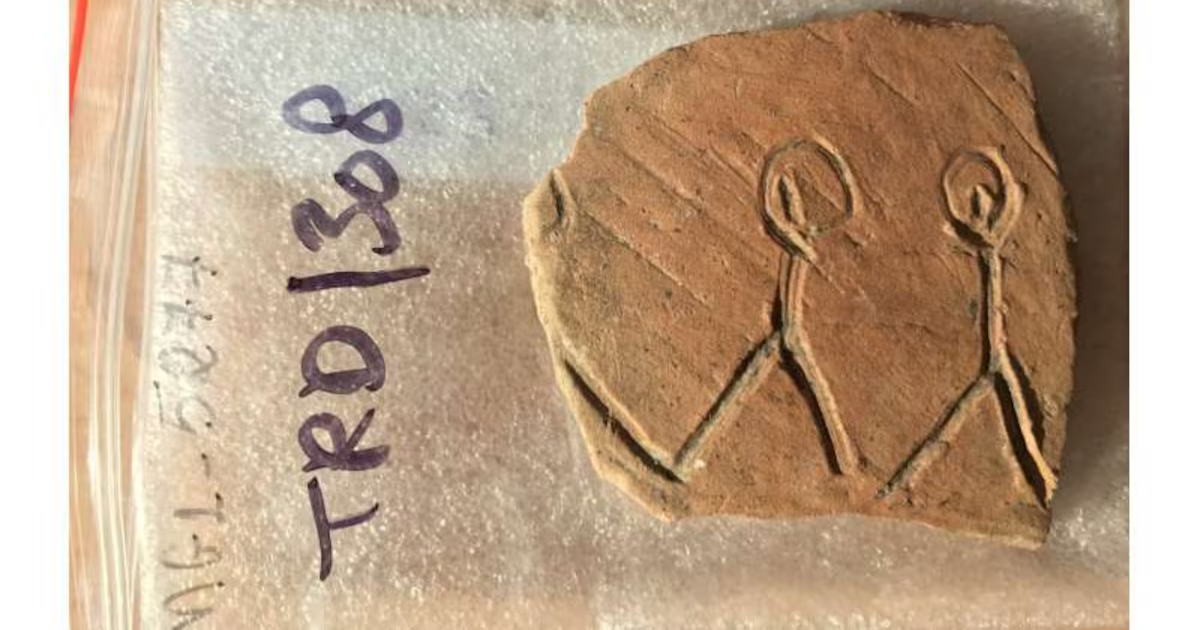
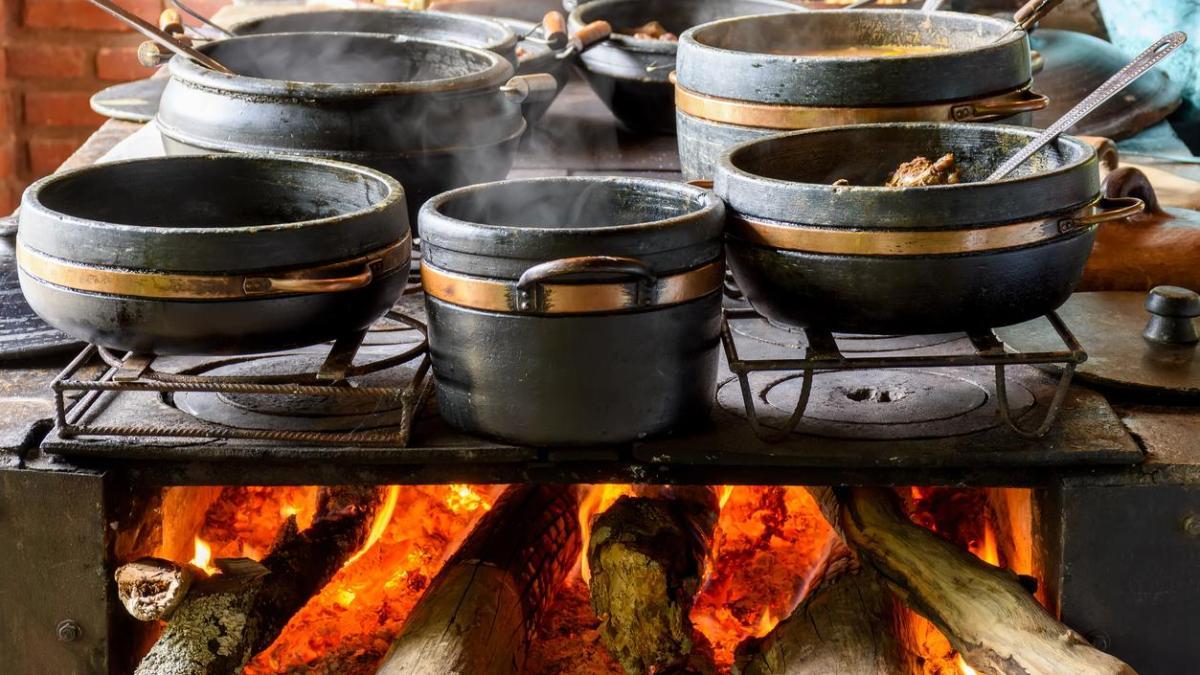
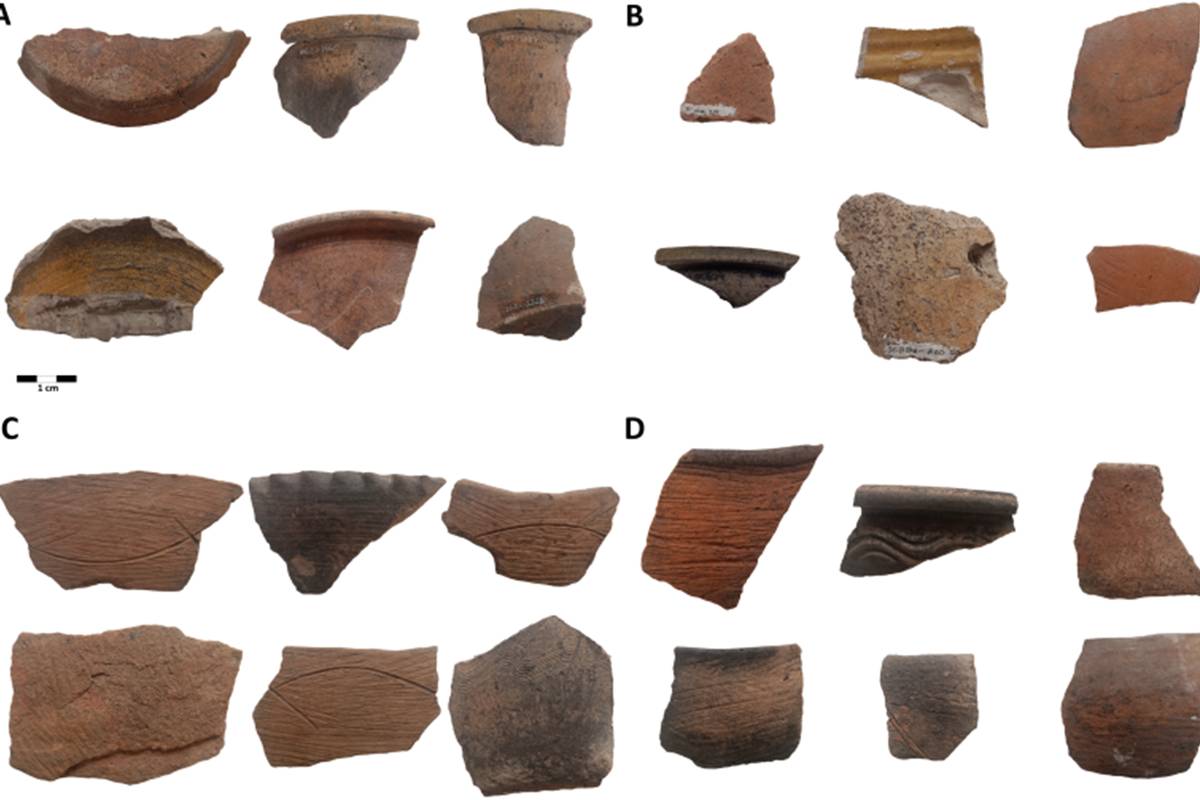
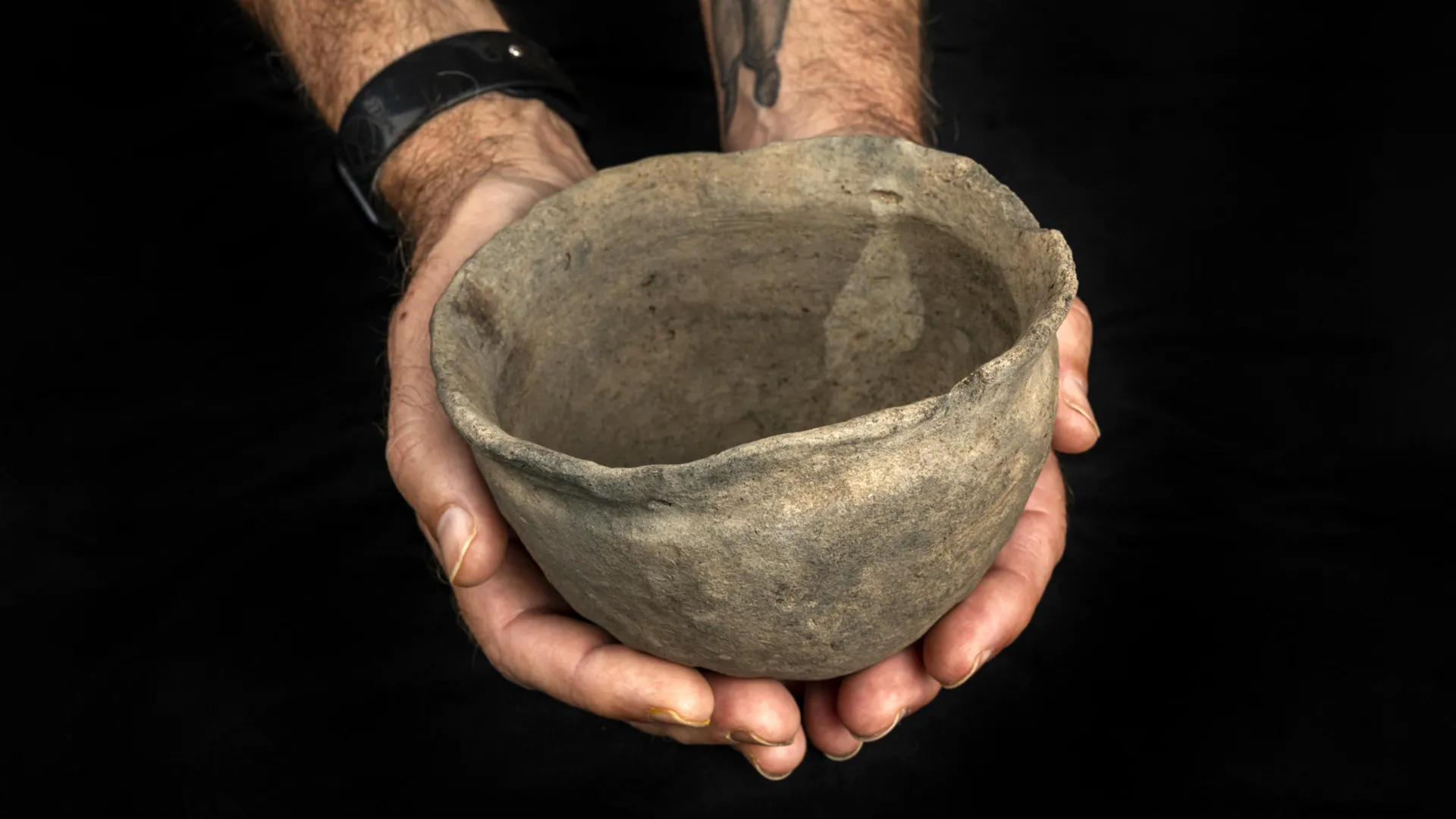
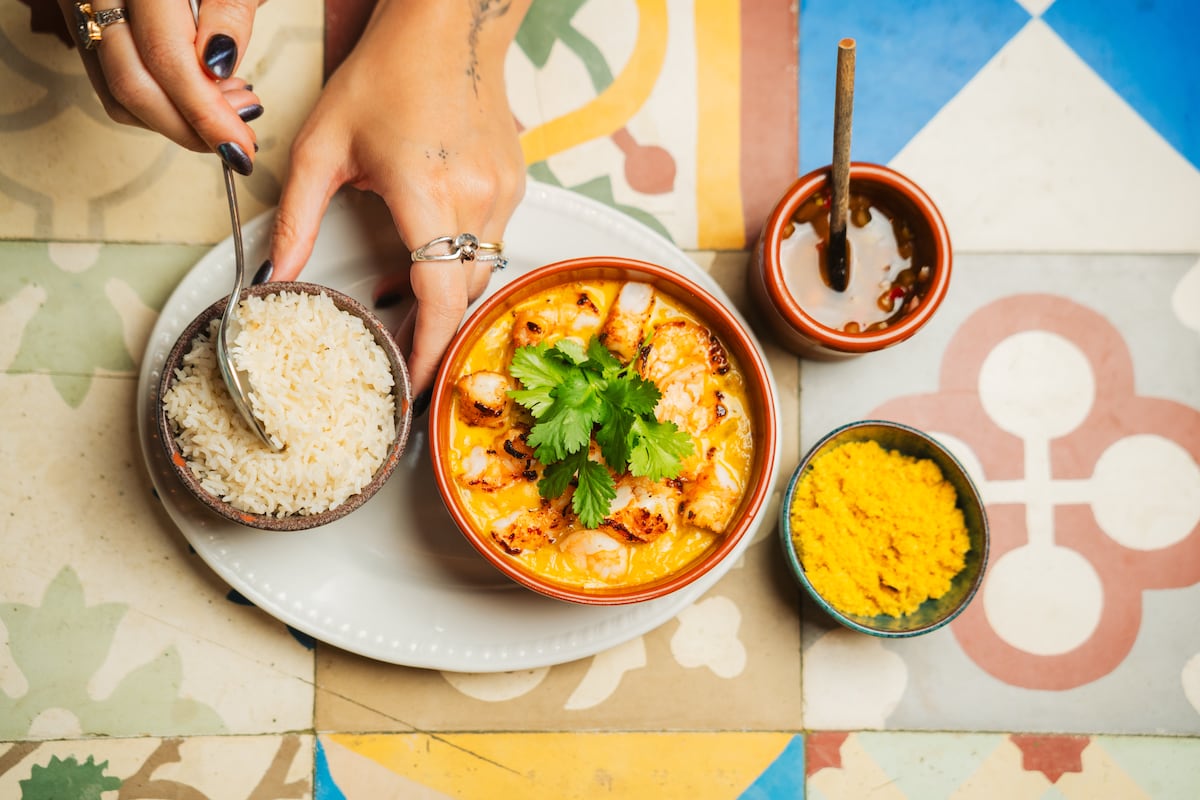
Fish, shellfish, maize, manioc, rice and even chicken eggs. Molecular residues preserved in more than 180 ceramic vessels from southern Brazil have made it possible to reconstruct what different communities were cooking more than a century ago, showing that access to food varied according to the origin and social status of their inhabitants.
An international study led by researchers from the Institute of Environmental Science and Technology at the Universitat Autònoma de Barcelona (ICTA-UAB) reveals that Indigenous, African and Afro-descendant communities relied more heavily on marine resources, while communities of immigrants from Germany consumed mainly plant species and terrestrial products.
Brazil is a multicultural and ethnically diverse country whose history has been shaped by the interaction between Indigenous peoples, African populations, Luso-Brazilian communities and, later, European immigrant communities. However, little is known about how this cultural diversity was reflected in people's everyday diet. The research has reconstructed part of this history by analysing food residues preserved in ceramics used between the late nineteenth and early twentieth centuries in Babitonga Bay, southern Brazil.