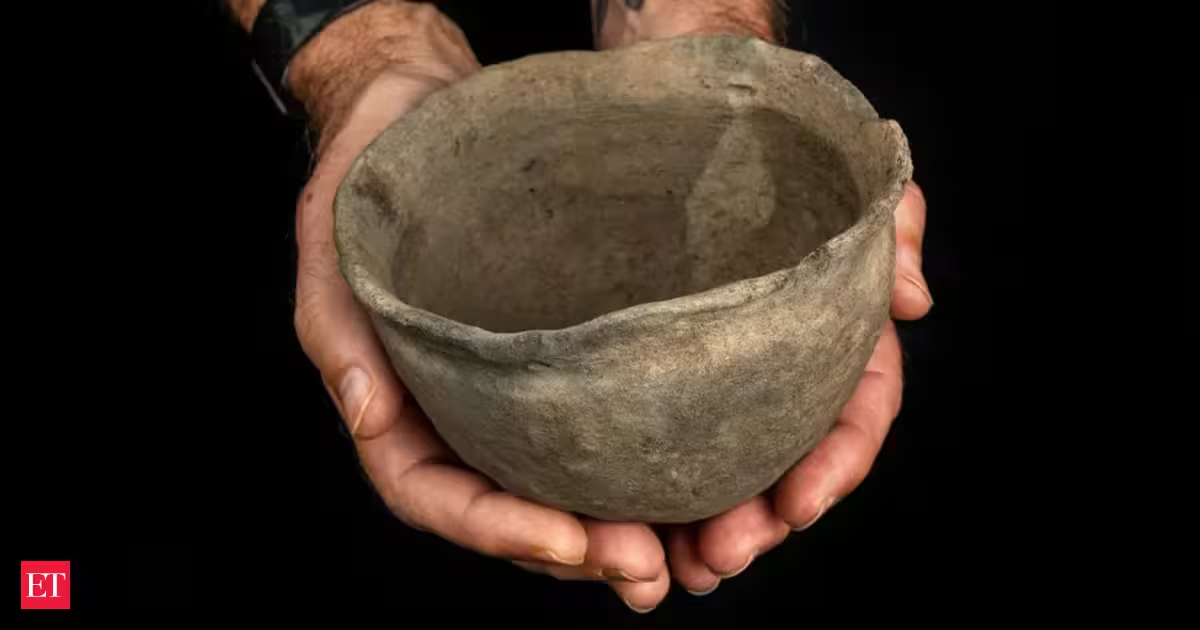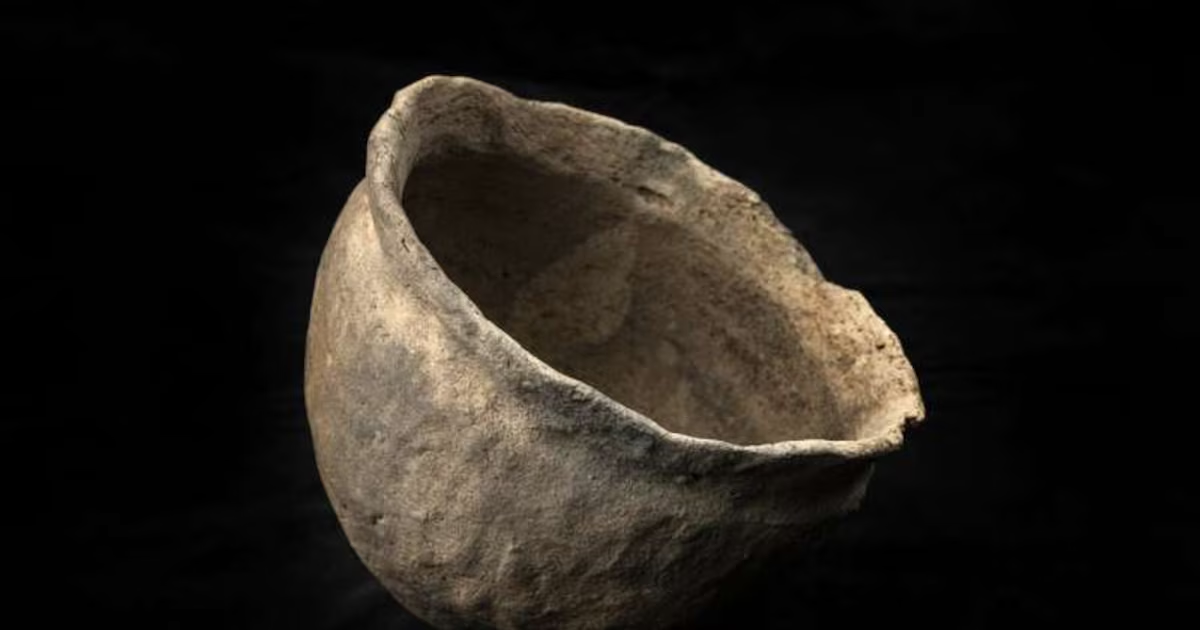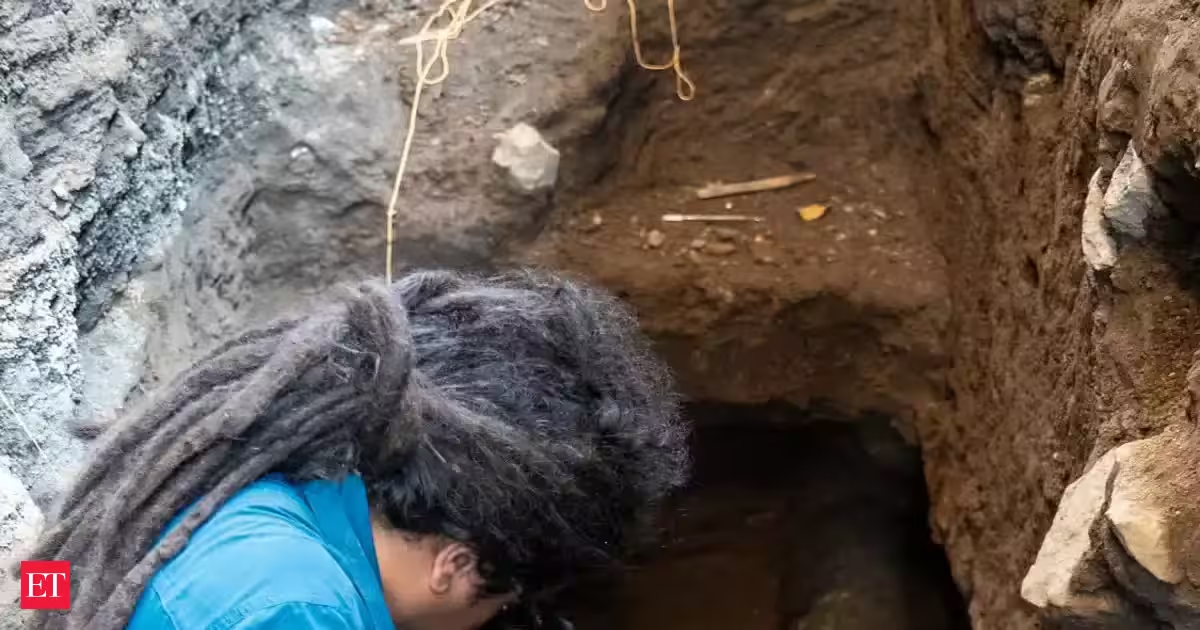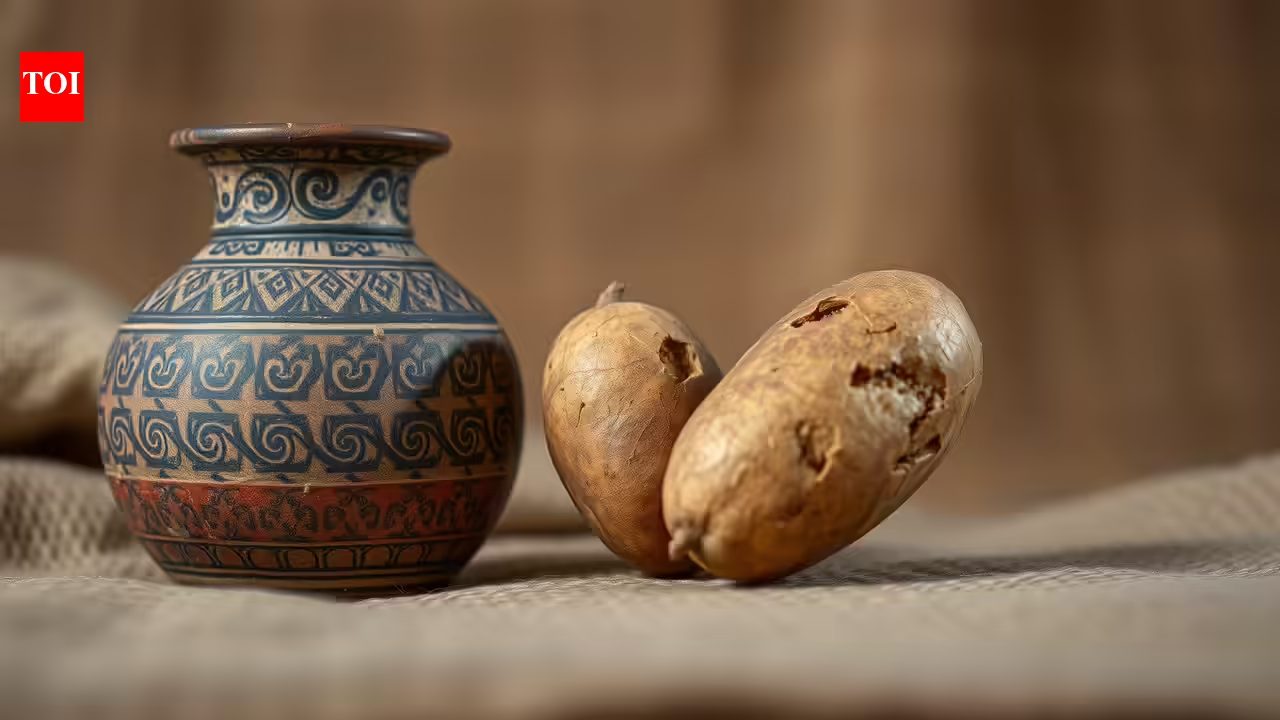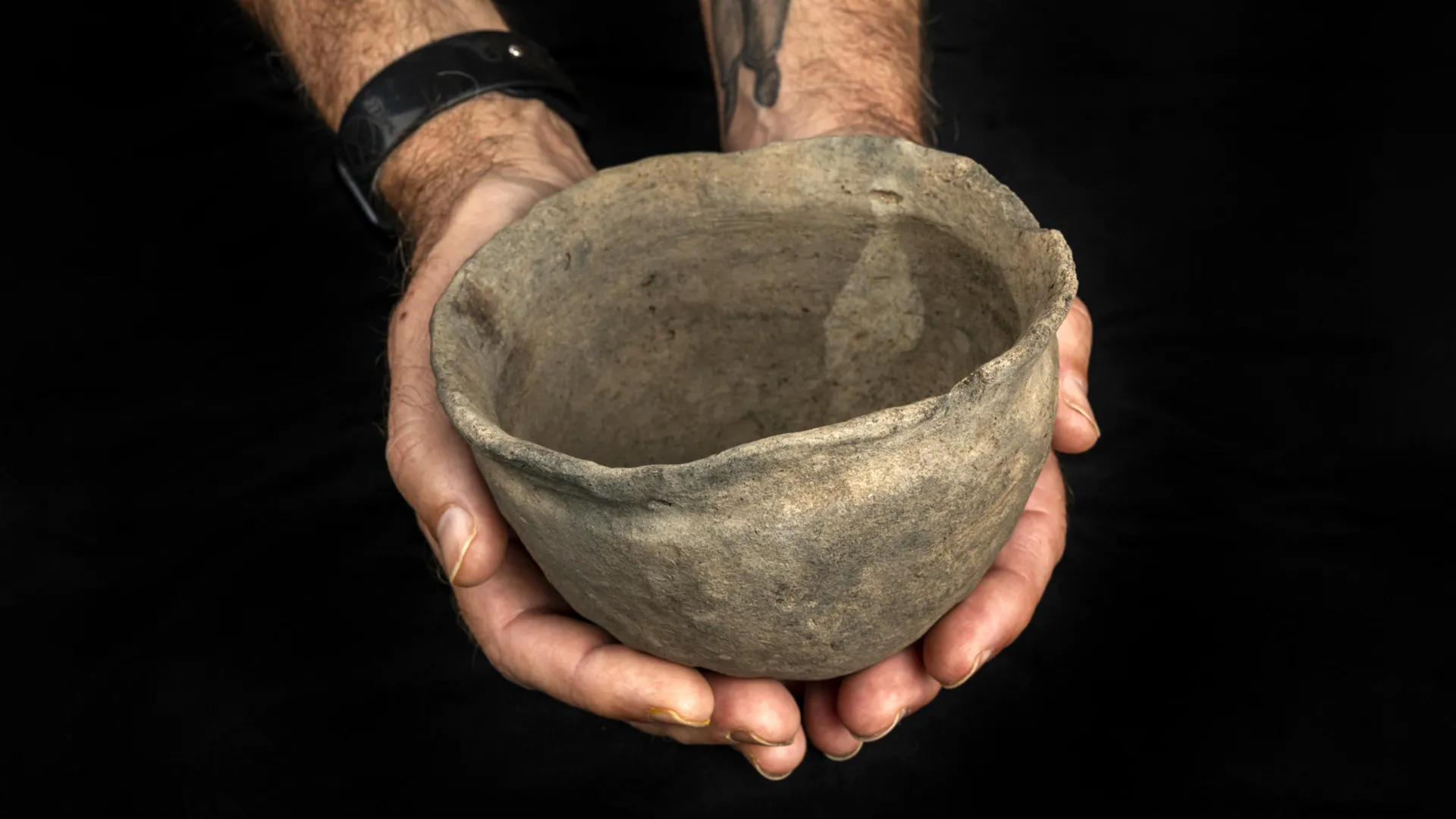
Roughly 400 years ago, a member of the Indigenous Potano-Timucua tribe shaped a small clay vessel by hand. The pot was compact enough to fit in a palm, with a simple rim, a smooth dull gray surface, and no decoration. Its original purpose is unknown, as is the number of people who may have used it. What archaeologists do know is that the vessel survived for centuries underground before University of Florida students uncovered it earlier this year, still completely intact.
"It's very unique. Typically, we find things that were broken and discarded," said Gifford Waters, collections manager for historical archaeology at the Florida Museum of Natural History. "You don't leave things behind that you can still use, so why was this purposefully put into a pit?"
Waters has encountered complete artifacts while working with shipwreck collections, where intact objects are more common. But this was the first time in his career that he had been part of a team that excavated an entirely unbroken pottery vessel from a terrestrial site. Even pottery that enters the ground whole often cracks over the centuries as soil pressure, farming, construction, and other disturbances shift the earth around it.