view more
What did ordinary people really eat in premodern Japan, beyond the dishes described in cookbooks and the bones discarded at urban waste pits? Reconstructing past diets at the level of individual food items is remarkably difficult. Traditional archaeological approaches and stable isotope analysis of human skeletons reveal broad dietary categories – such as reliance on marine fish and C3 plants. But they cannot show which specific taxa or tissues each person consumed, nor how access differed between social groups in a stratified society like premodern Japan.
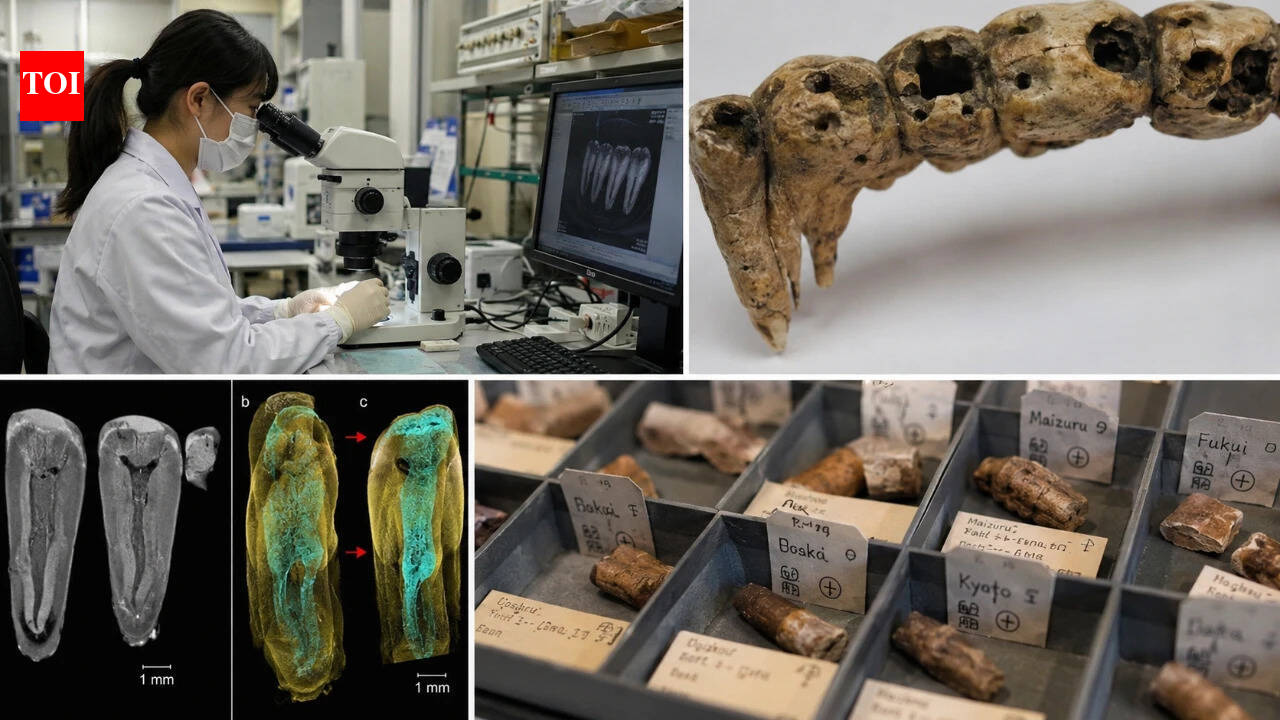
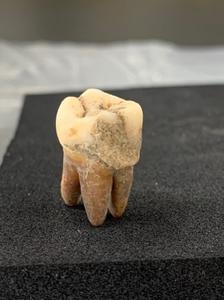
A research team comprising researchers from the Graduate University for Advanced Studies (SOKENDAI), Aomori Public University, Kyushu University, and other institutions turned to an alternative source of evidence: ancient dental calculus, the hardened plaque that still adheres to the teeth of skeletal remains. Using palaeoproteomic methods on calculus from eight adult commoners buried in the Umeda cemetery, north of present‑day JR Osaka Station, they analyzed both bone collagen stable isotope ratios and food‑derived proteins entrapped in the calculus to reconstruct individual diets in premodern Osaka.
Stable carbon and nitrogen isotope ratios showed that these individuals had typical urban premodern diets based on terrestrial plants and marine resources. The real novelty came from the dental calculus proteomics. From the eight individuals, the researchers identified 38 dietary proteins from 17 taxa, including nine fish taxa, several terrestrial and marine mammals, and multiple plants. Red sea bream (Pagrus major) muscle proteins were detected in six of the eight individuals, indicating direct consumption of a fish that historical sources describe as a luxury item. Proteins from flatfishes such as tonguefish (Soleidae), still important in Kansai and Seto Inland Sea cuisine today, were also found.