Four centuries ago, the people living in Osaka left behind an unlikely record of what they ate.
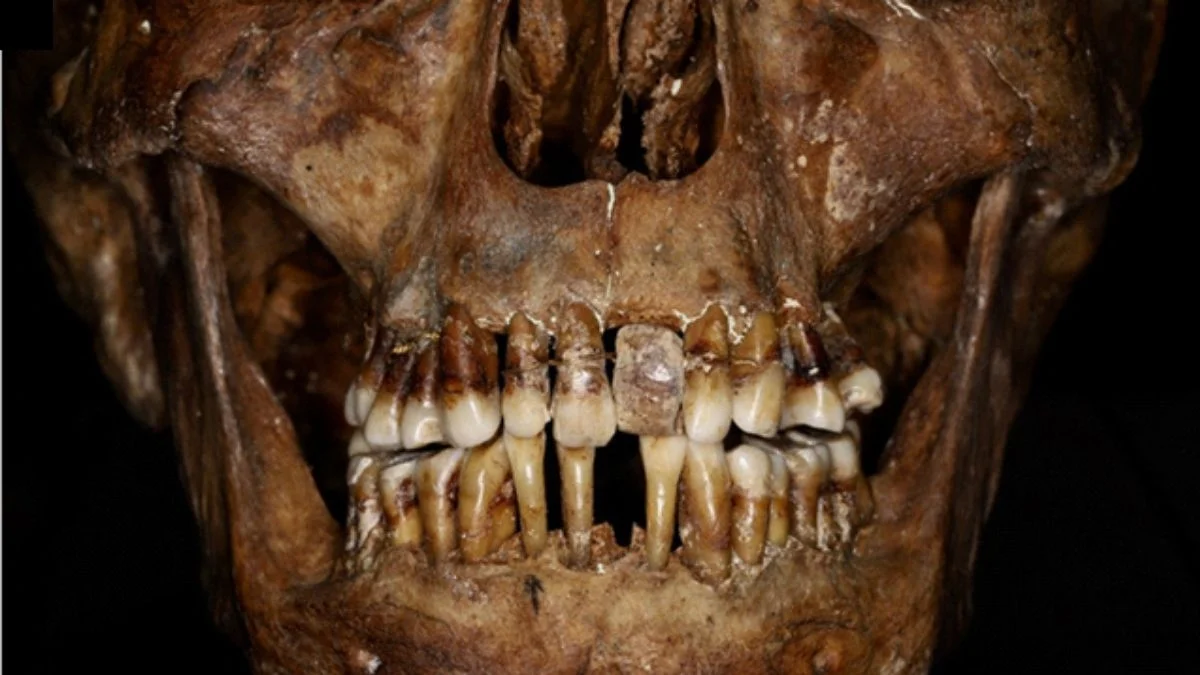
It was not written in a cookbook or preserved in a market ledger, but in the hardened deposits that accumulated on their teeth.
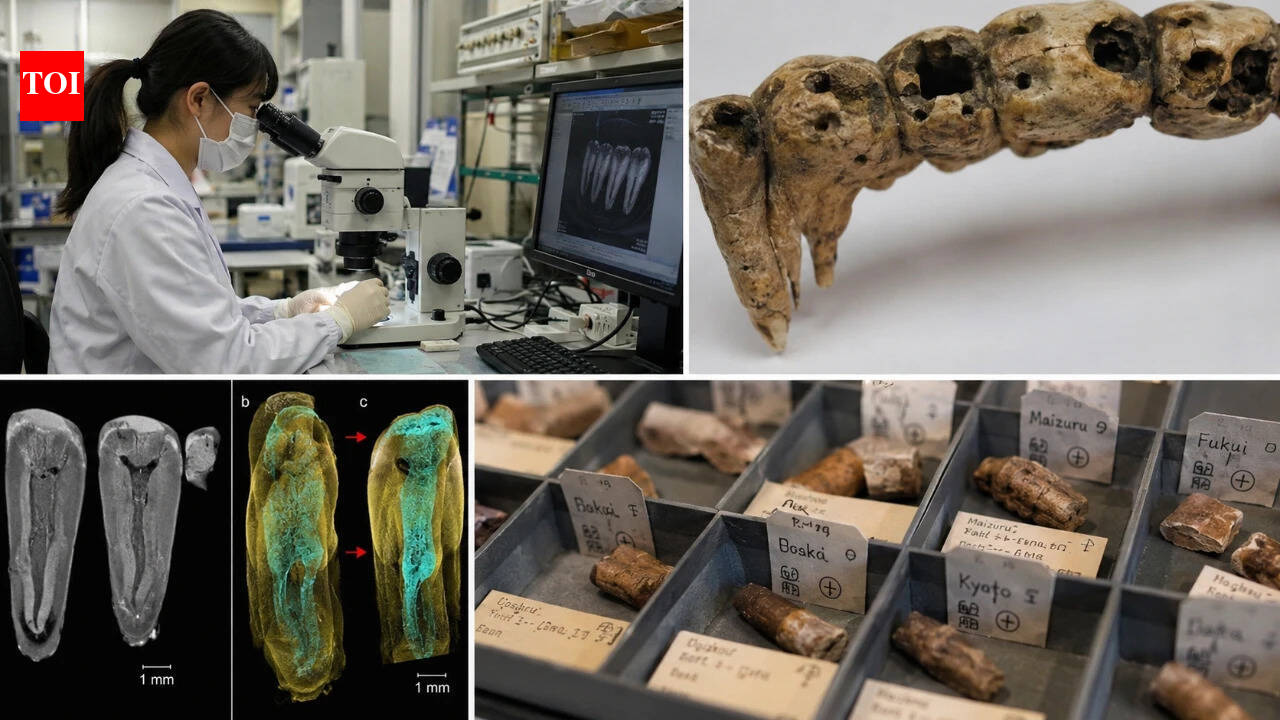
Scientists have now analysed ancient dental calculus from eight people buried at the Ofuka-cho site, also known as the Umeda cemetery, in Osaka.
By extracting and identifying ancient proteins trapped inside the calculus, researchers reconstructed parts of the diets of ordinary people living in premodern Osaka.
The study identified 38 dietary proteins belonging to 17 taxa, revealing a surprisingly varied menu that included fish, terrestrial mammals and plant products.