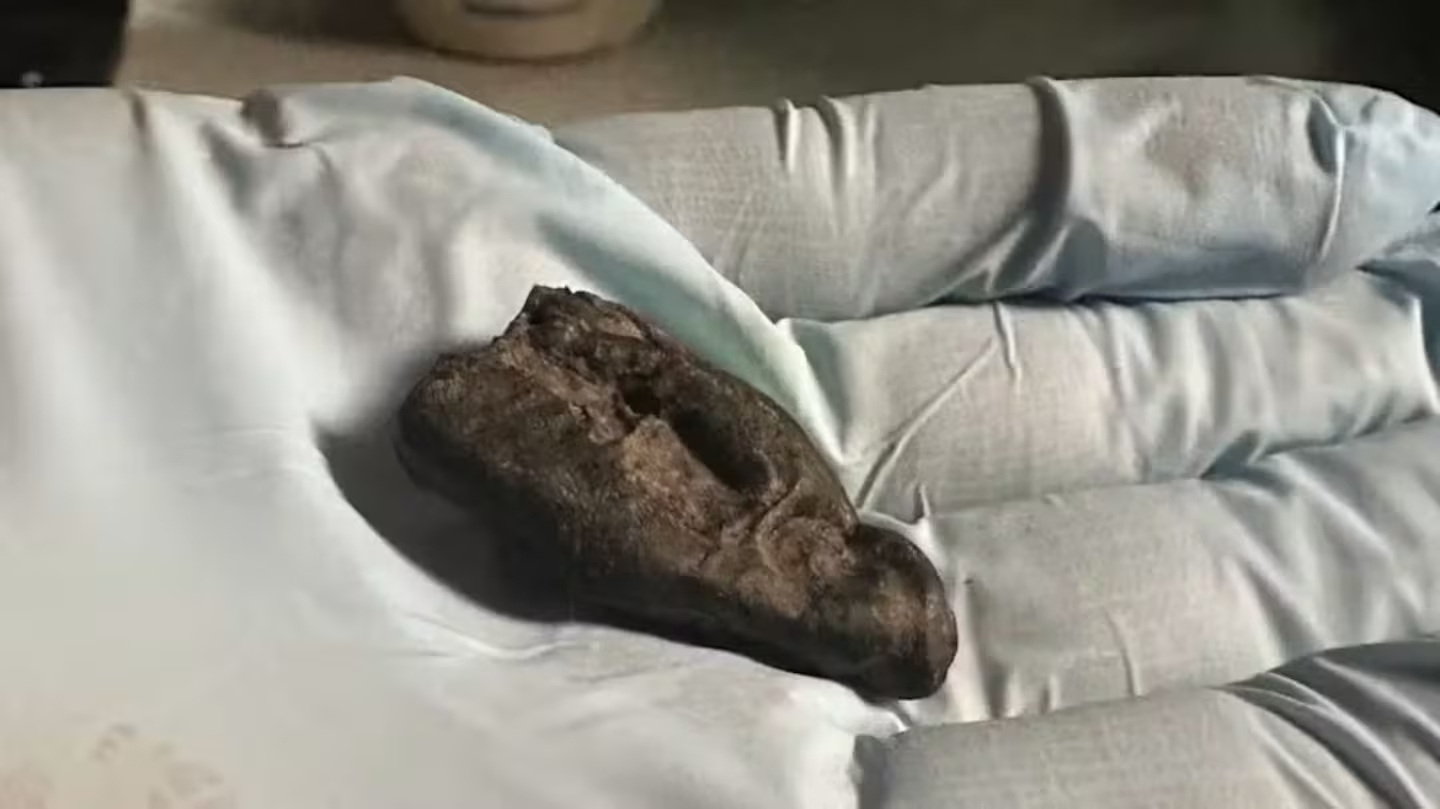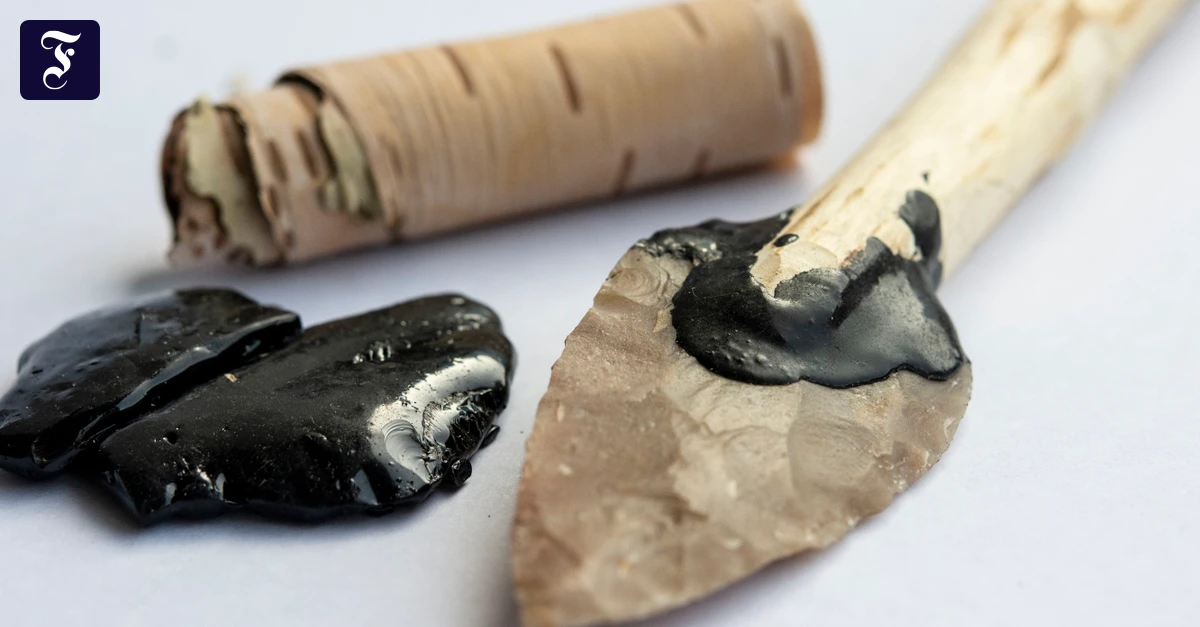
Archaeologists have traditionally relied on skeletons, teeth, and burial sites to learn about people who lived thousands of years ago. In recent years, however, a much smaller and less impressive-looking object has transformed what researchers believe can survive from the distant past. Ancient pieces of chewed birch pitch, sometimes described as prehistoric chewing gum, have been recovered from archaeological sites across Scandinavia and northern Europe.At first glance, these dark lumps appear insignificant compared with tools or human remains. Yet research published in journals including Nature Communications and Scientific Reports has shown that they can preserve remarkable biological information. Scientists have recovered complete human genomes, oral microbes, plant DNA, and evidence relating to health and diet from material that once sat inside a person’s mouth.The discoveries have demonstrated that even the smallest everyday objects can sometimes preserve an unexpectedly detailed record of individual lives.Lump of chewed birch bark pitch found in Denmark | Wikimedia CommonsA piece of resin preserved a personOne of the most influential discoveries came from a 5,700-year-old piece of chewed birch pitch recovered in Denmark. Researchers reported in Nature Communications that they successfully extracted a complete ancient human genome from the sample.The analysis identified the individual as female and revealed far more than ancestry alone. Scientists also recovered DNA associated with oral bacteria, viruses, plants, and animals. The significance of the finding lies in the combination of evidence preserved together. Rather than providing a single fragment of information, the chewing residue captured multiple aspects of a person’s biological environment at a specific moment in time. This transformed the object from a simple archaeological residue into a direct source of personal history.Archaeologists realized the material could do much moreThe Danish discovery was not an isolated case. A separate Nature Communications study examining Scandinavian mastics recovered genome-wide data from several individuals and confirmed that chewed birch pitch could preserve substantial amounts of ancient DNA.Researchers also identified clear tooth marks on the material, demonstrating that it had been chewed before being discarded. This observation is important because it links the artifact directly to human behavior. Unlike many archaeological objects that provide indirect evidence of activity, the chewing residue preserves traces left by an identifiable act. The material effectively became a biological record created through ordinary daily behavior thousands of years ago.The material preserved more than ancestryAs research expanded, scientists began investigating what else could be learned from these unusual artifacts. A 2024 study published in Scientific Reports found that ancient chewed pitch could provide information about oral health, microbial communities, and aspects of diet.These findings broadened the significance of the material considerably. Instead of functioning only as a source of genetic ancestry, the pitch became a tool for studying health and everyday life. Researchers could examine the microorganisms that once lived in a person’s mouth and identify biological traces connected to food and environmental exposure. This level of detail is particularly valuable because such information is often difficult to recover from prehistoric populations.Birch pitch had practical uses long before archaeologyAlthough the material is often described as prehistoric chewing gum, archaeologists emphasize that birch pitch served several practical purposes. Reviews of Neolithic technology note that it was widely used as an adhesive for attaching stone tools to handles and repairing equipment.Some researchers have also suggested medicinal or hygienic uses because birch-derived compounds possess antimicrobial properties. This context helps explain why the material appears so frequently at archaeological sites. People were not necessarily chewing it for entertainment. They were interacting with a versatile substance that played an important role in everyday life. The biological traces preserved within the pitch are therefore a byproduct of practical activities rather than deliberate record-keeping.Small objects are changing archaeological expectationsPerhaps the most important lesson from the Scandinavian discoveries is methodological. Archaeology has traditionally focused attention on large artifacts, buildings, and human remains because these materials seemed most likely to preserve useful information.The success of ancient DNA analysis from chewed pitch challenges that assumption. Researchers now recognize that small organic residues can preserve surprisingly rich archives of biological and cultural information. A discarded lump of resin may reveal ancestry, health, diet, microbial communities, and patterns of behavior that would otherwise remain invisible. As analytical techniques continue to improve, archaeologists increasingly view overlooked materials as potential sources of evidence rather than insignificant debris.
In 1991, archaeologists tested a lump of ancient chewing gum from Scandinavia, it unexpectedly preserved the DNA of a person who lived 5,700 years ago
Archaeologists are uncovering ancient secrets from chewed birch pitch. These small lumps, found across Scandinavia and northern Europe, are providing remarkable biological data. Scientists have extracted complete human genomes, revealing ancestry, oral microbes, and diet. This discovery shows that even tiny everyday objects can preserve detailed records of individual lives from thousands of years ago.
713 words~3 min read