view more
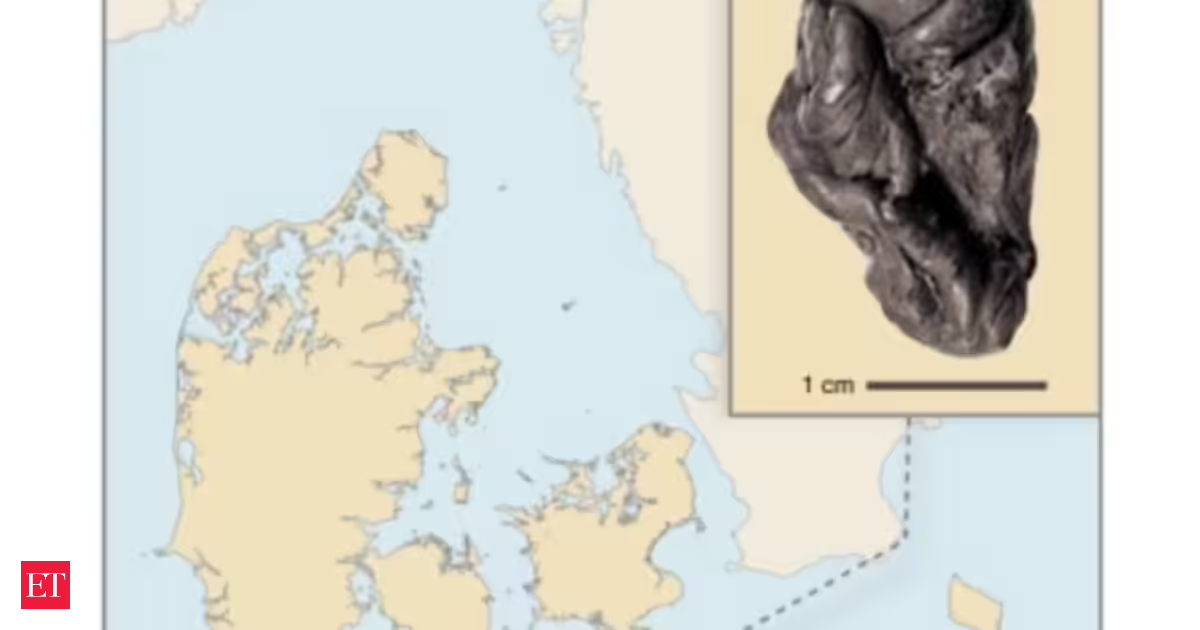
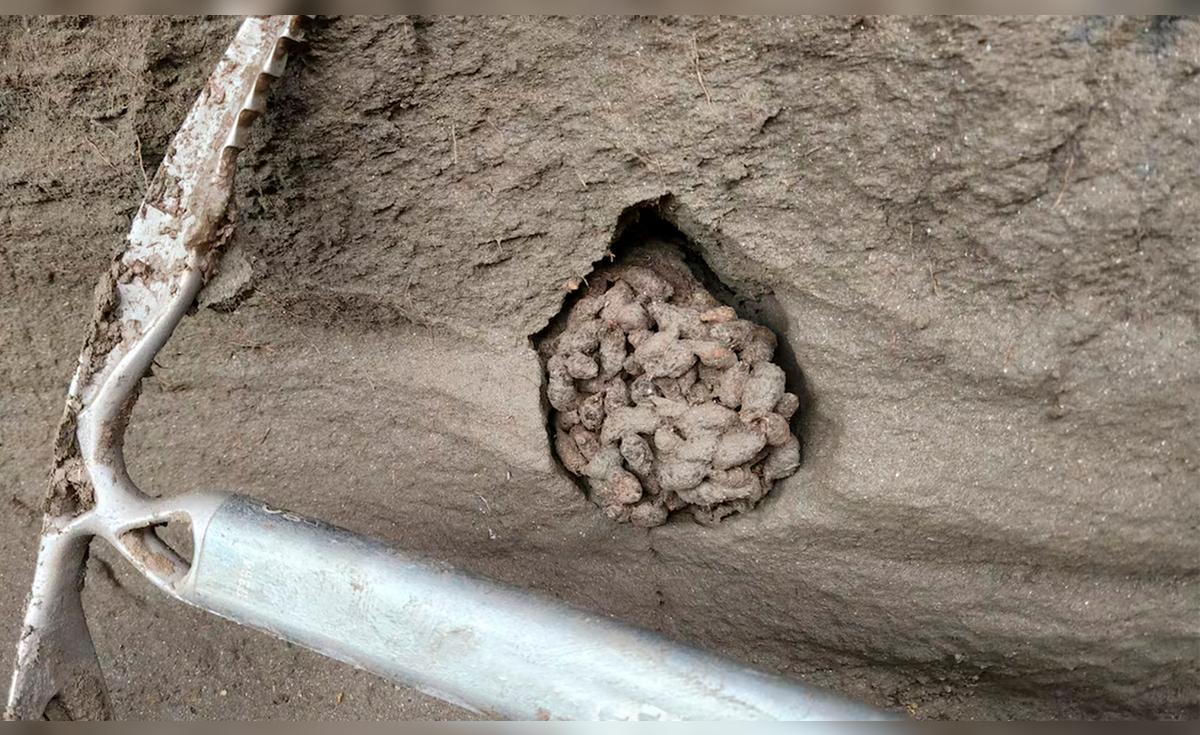
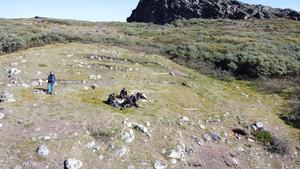
Greenland has a long and checkered history of human settlement: several Paleo-Inuit cultures since approximately 2,500 BCE, descendants of Vikings between the tenth and fifteenth centuries, and early modern Danes since 1721. All left their traces on the landscape, for example in the form of ancient domestic rubbish heaps. Composed of waste like animal bones, excrement, mollusk shells, and human artefacts, these middens are a precious resource for archaeologists.
But what can microbiologists contribute to the study of these middens, for example revealing which diseases plagued historic populations, and which animals they kept but perhaps didn’t eat? And now that the Arctic is warming three to four times faster than the global average, could thawing middens be a source of resurgent infectious diseases?
“Here we show that the risk of release of ancient pathogens from ancient middens on Greenland is currently low,” said Dr Frank Møller Aarestrup, a professor at the National Food Institute of Denmark Technical University and corresponding author of the article in Frontiers in Microbiology. “Rather, we found that these middens in the cold Arctic acted like long-term natural experiments. Human- and animal-associated bacterial signals, including opportunistic bacteria and bacteria carrying antibiotic resistance genes, have remained detectable in them many centuries later as the legacy of human activity: for example, livestock farming by the ancient Norse.”