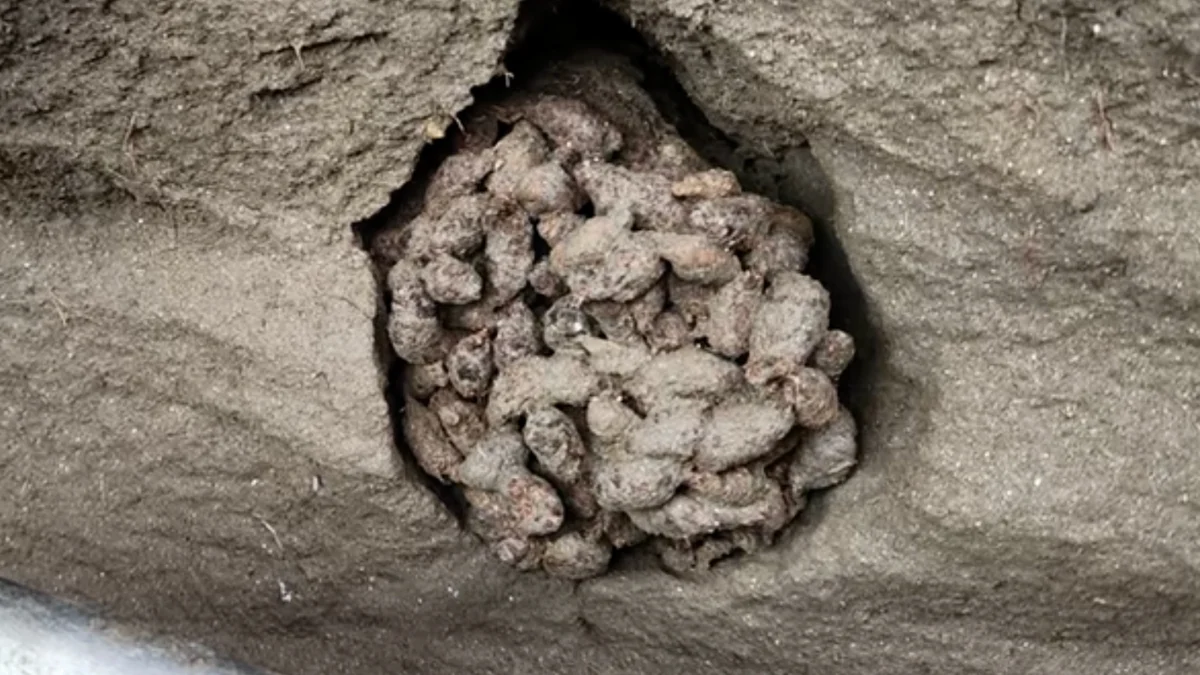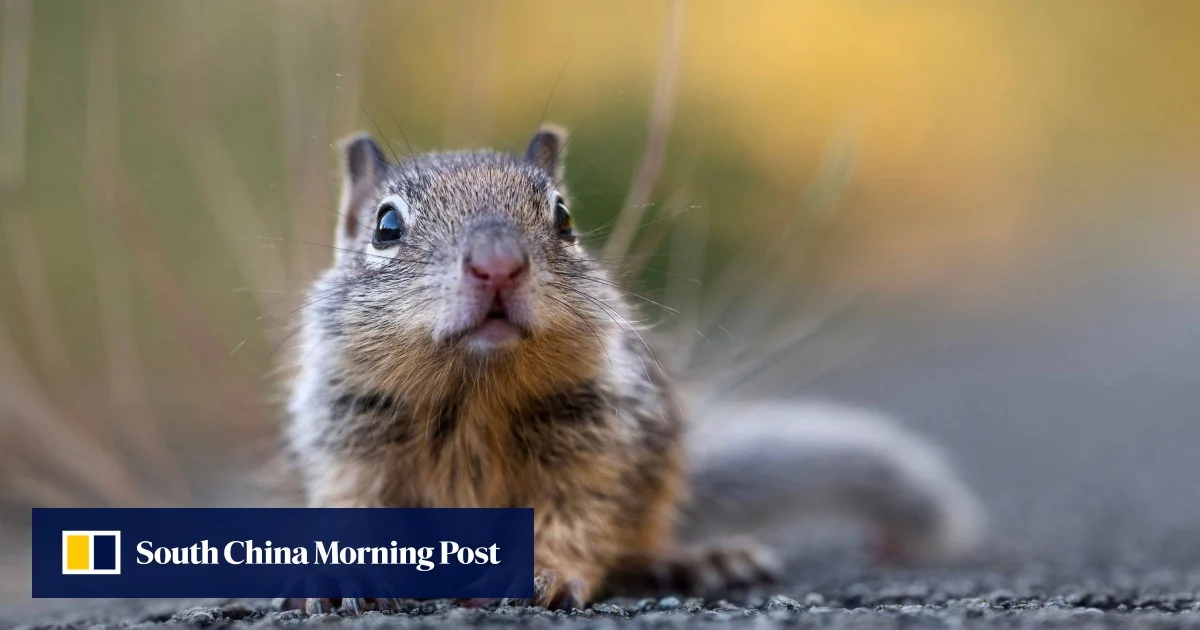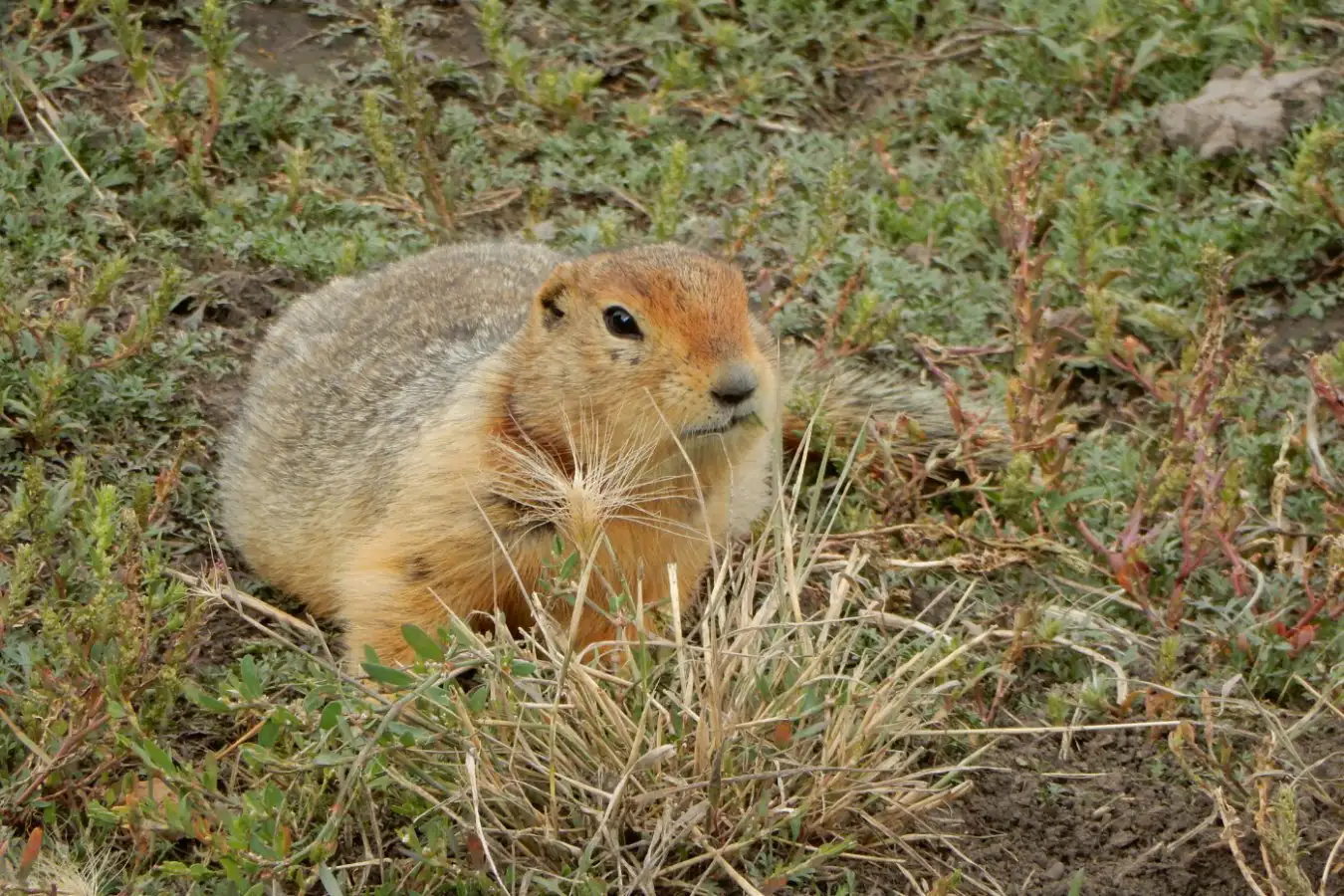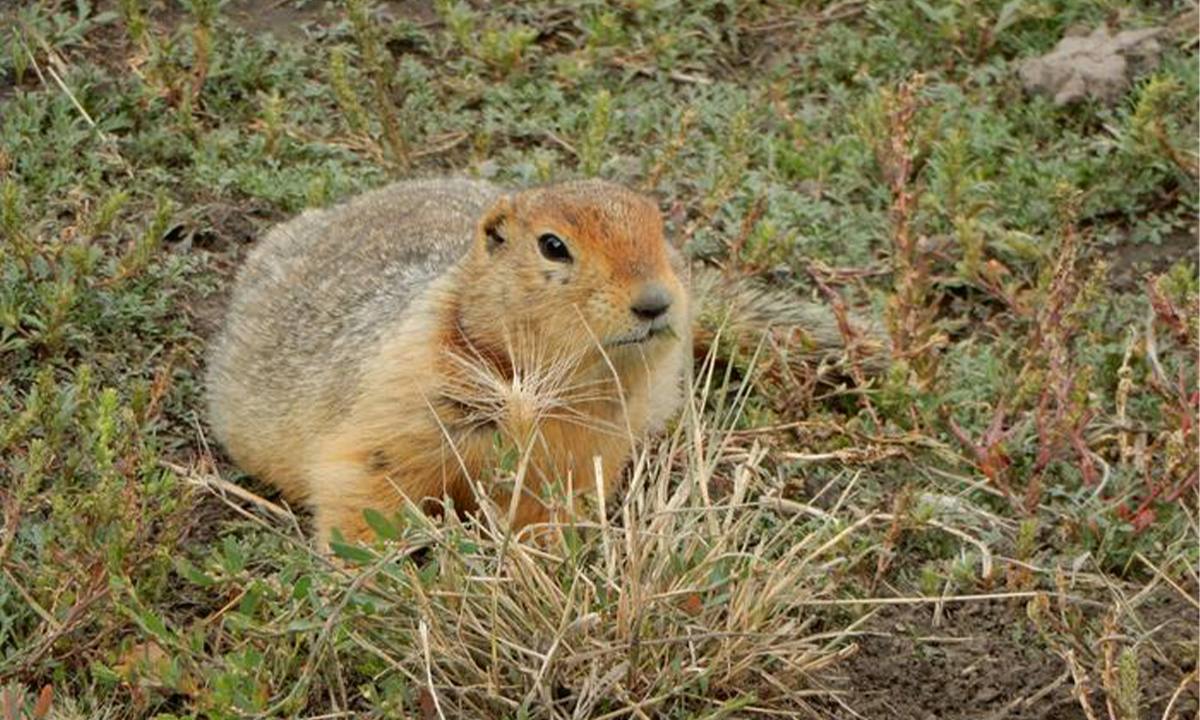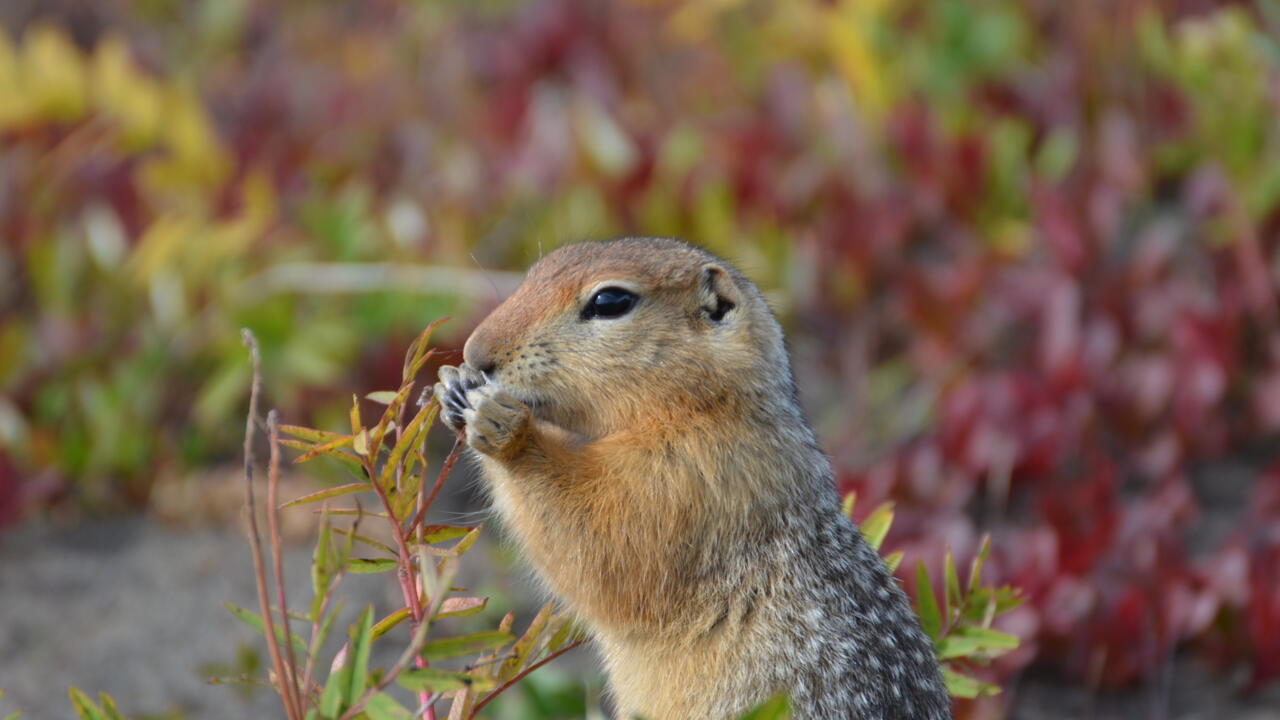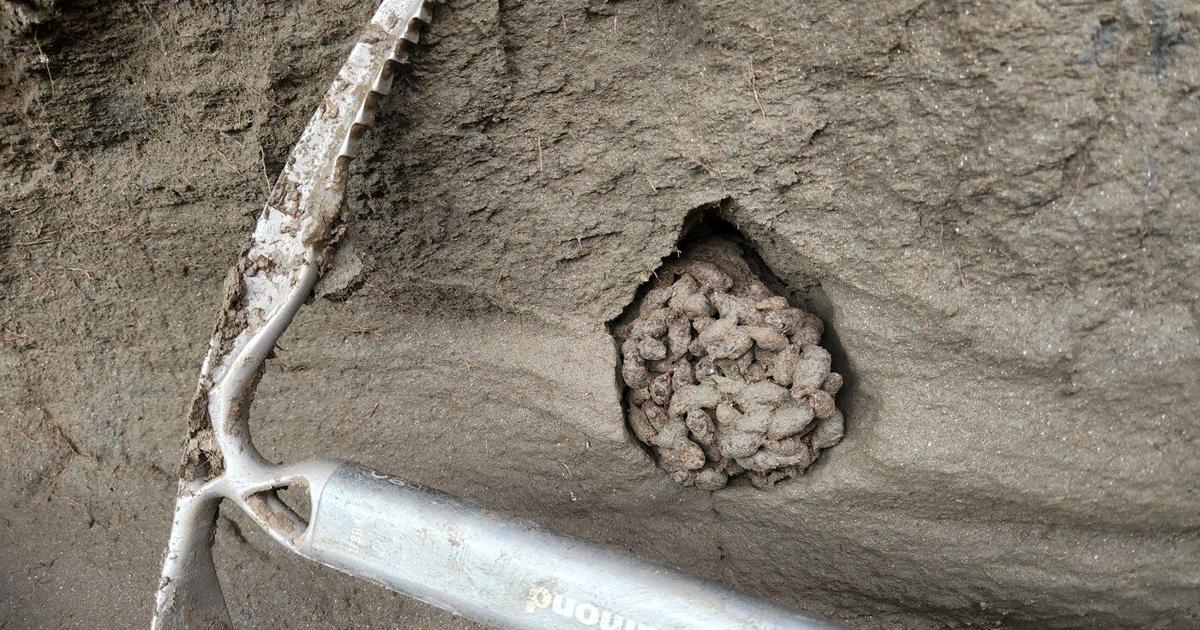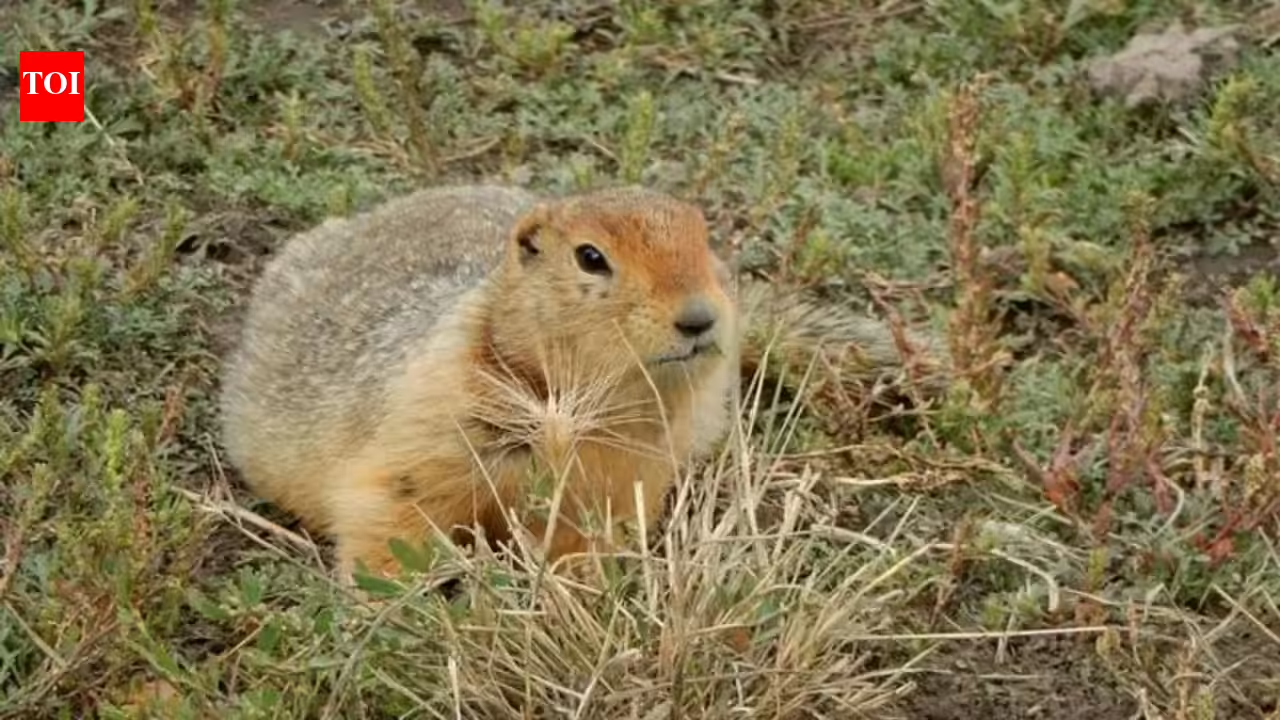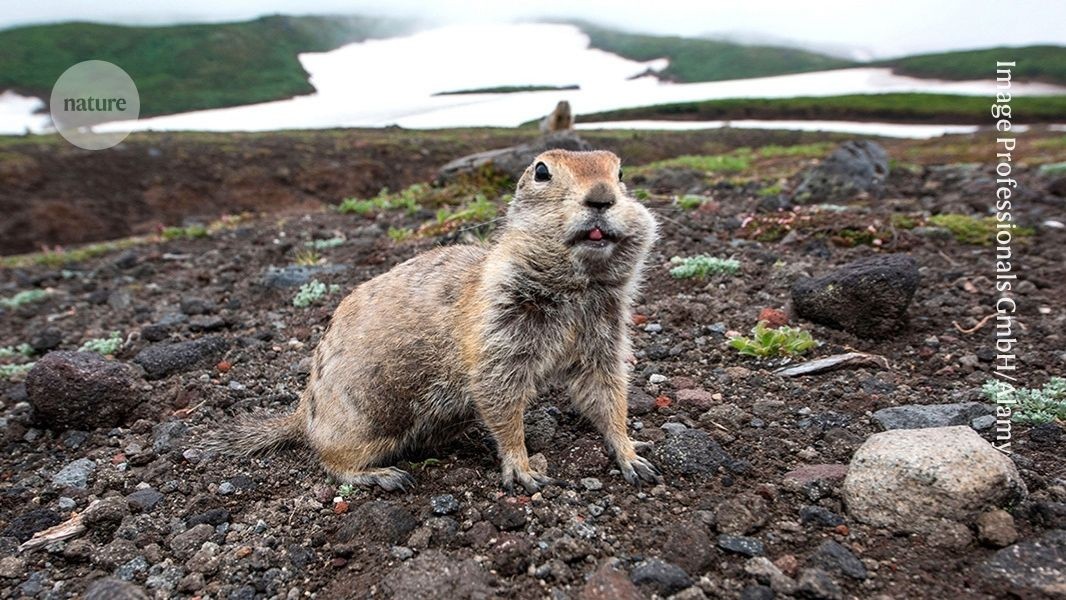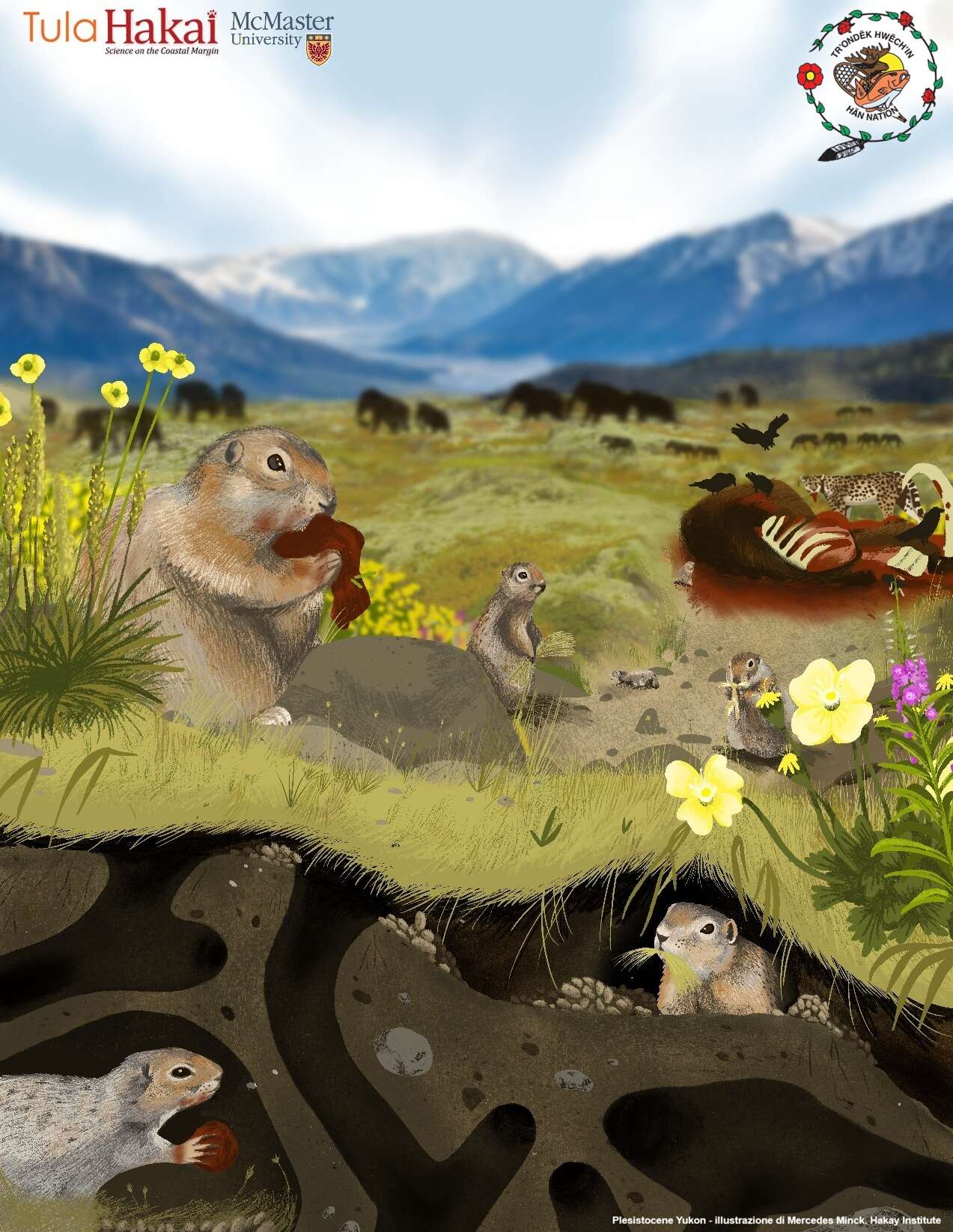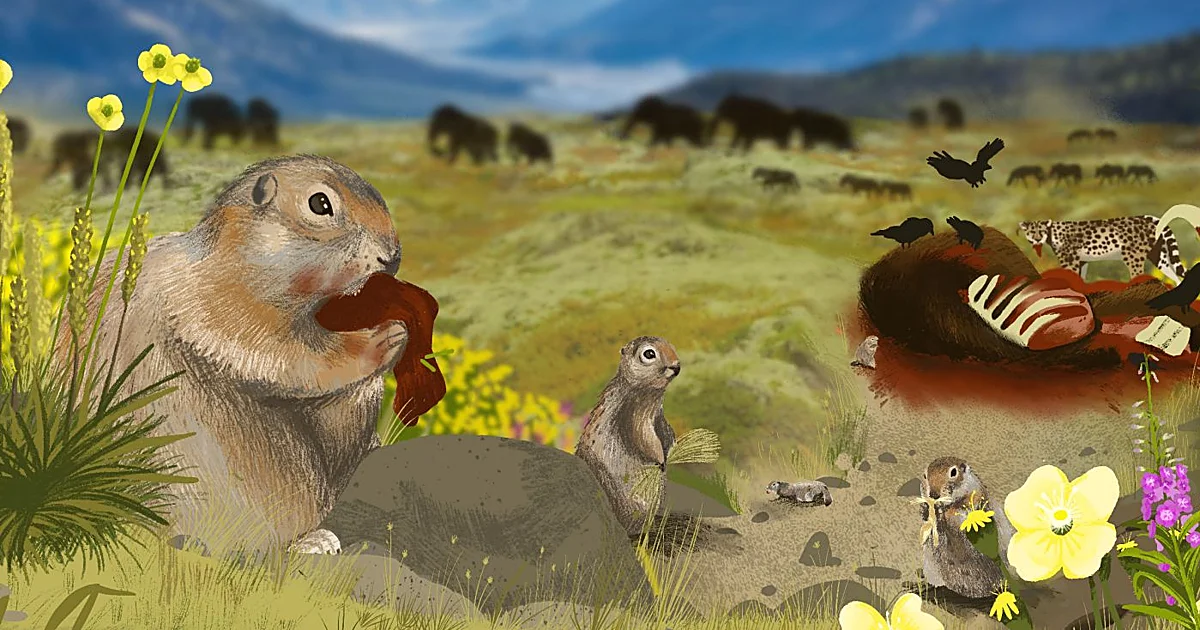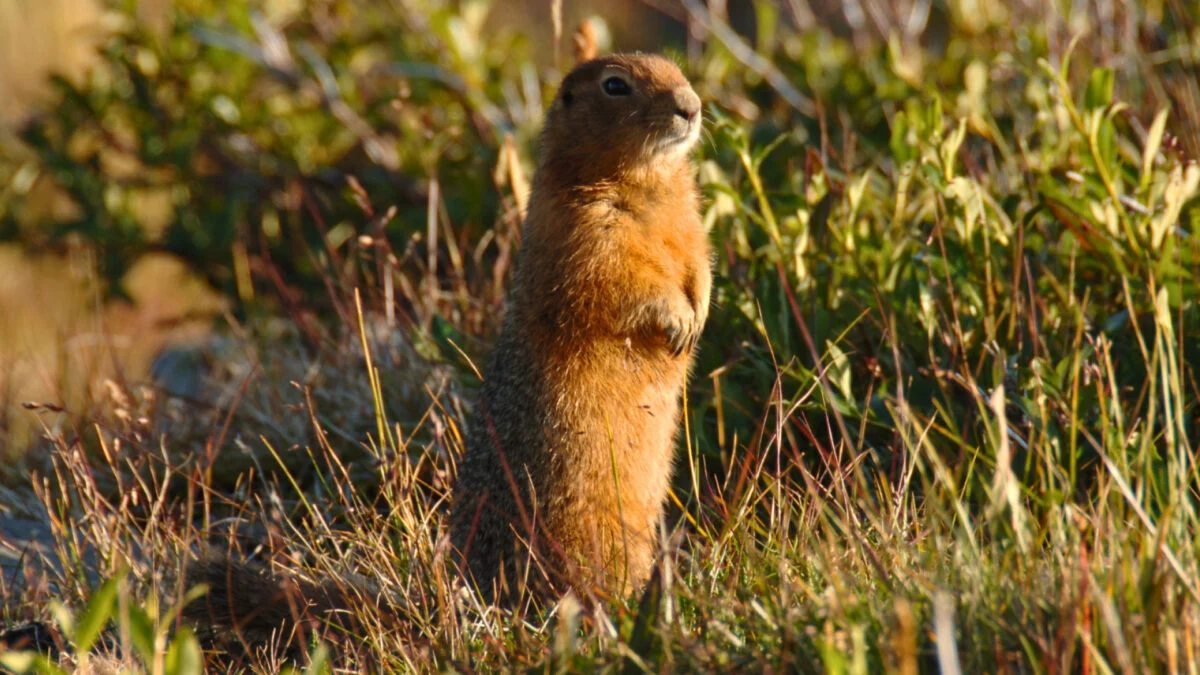
Arctic ground squirrels will eat just about anything. Apparently, they have been like this for at least 700,000 years—as evidenced by their poop, preserved in Yukon’s deep permafrost. But that’s not all. Scientific investigation of this poop found an unprecedentedly rich trove of ancient DNA from hundreds of thousands of years ago.
When researchers analyzed 13 permafrost samples spanning several glacial periods, they found a lot of frozen squirrel poop, or, as they’re formally called, coprolites. These coprolites held an astoundingly diverse spectrum of ancient environmental DNA, including plants, insects, microbes, and animals such as hares, bison, horses, and even mammoths, according to a study on the findings published in Nature Communications. This remarkable reservoir of genetic information “helps reconstruct paleoenvironments in much deeper time, providing insights into environmental change, megafaunal evolution, dispersal, and ultimately extinction,” Hendrik Poinar, the study’s co-senior author and an evolutionary geneticist at McMaster University in Canada, said in a statement.
The poopy assistant According to the study, Arctic ground squirrels are quite the “opportunistic feeders.” In the statement, study lead author Tyler Murchie explained that the squirrels, much like pack rats, will collect a “whole bunch” of plant material, bones, and seeds to prepare for long-term hibernation up to seven months.