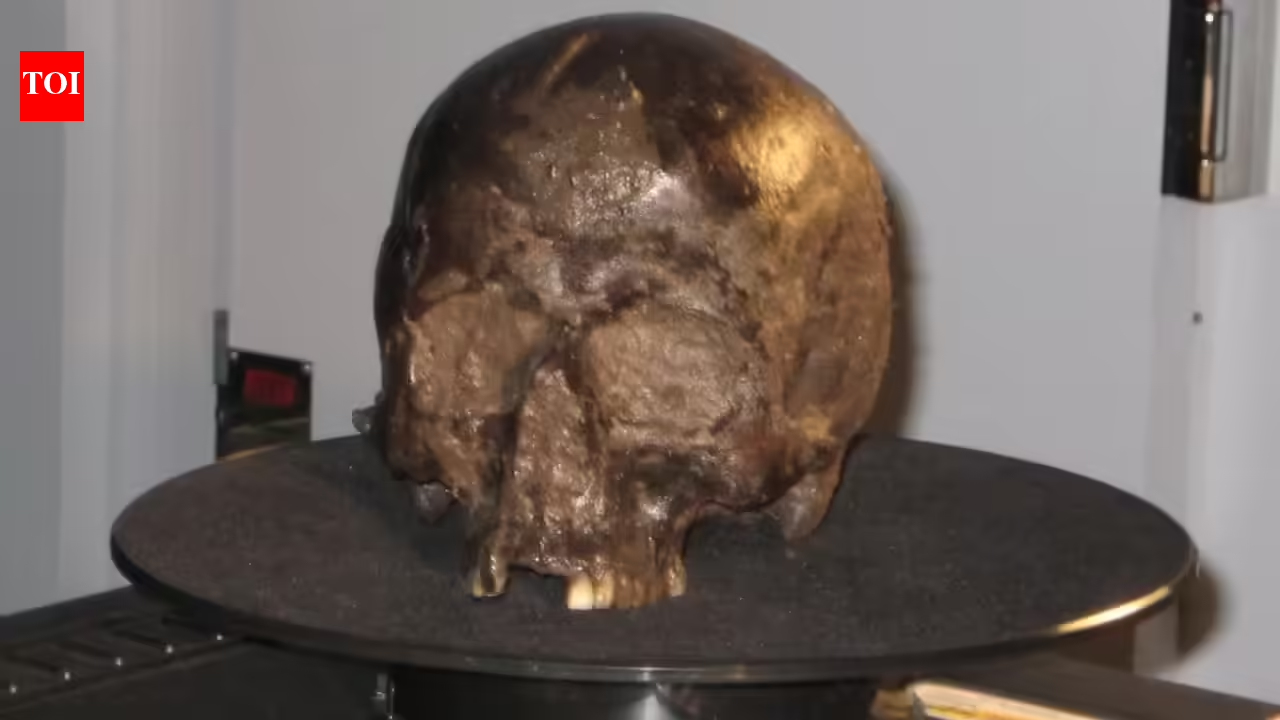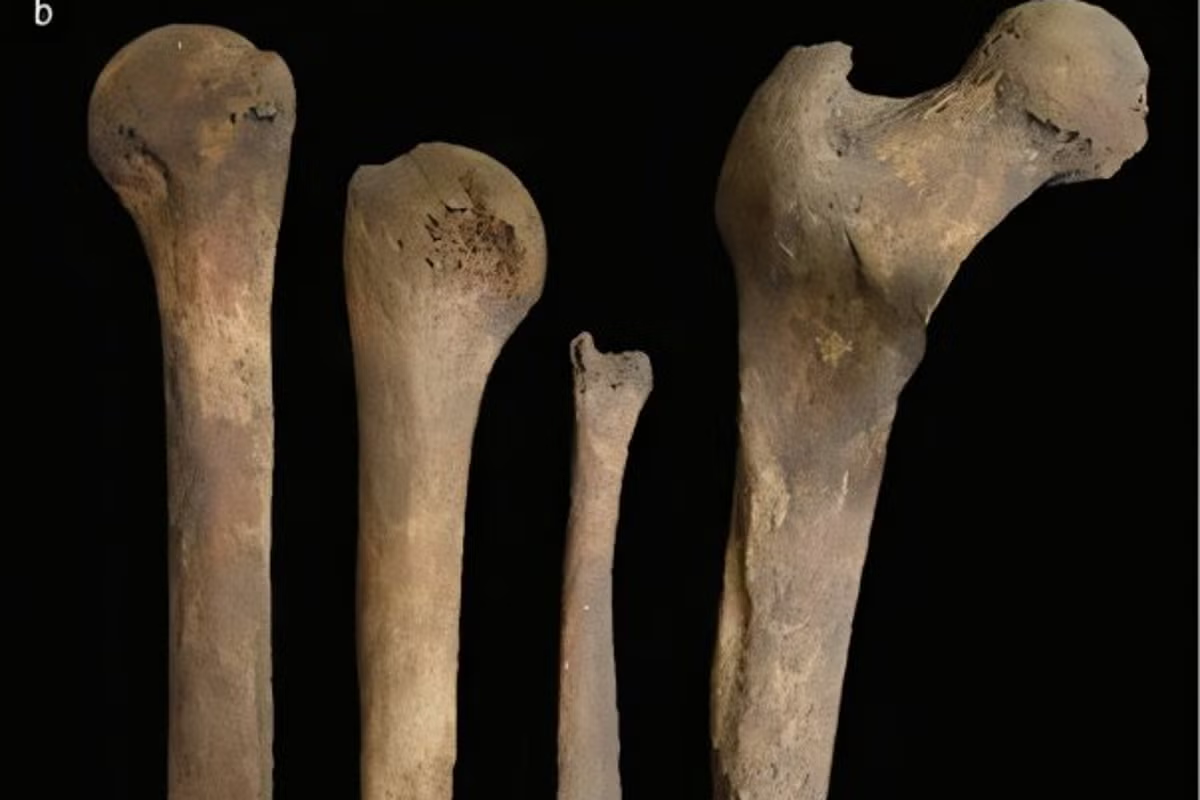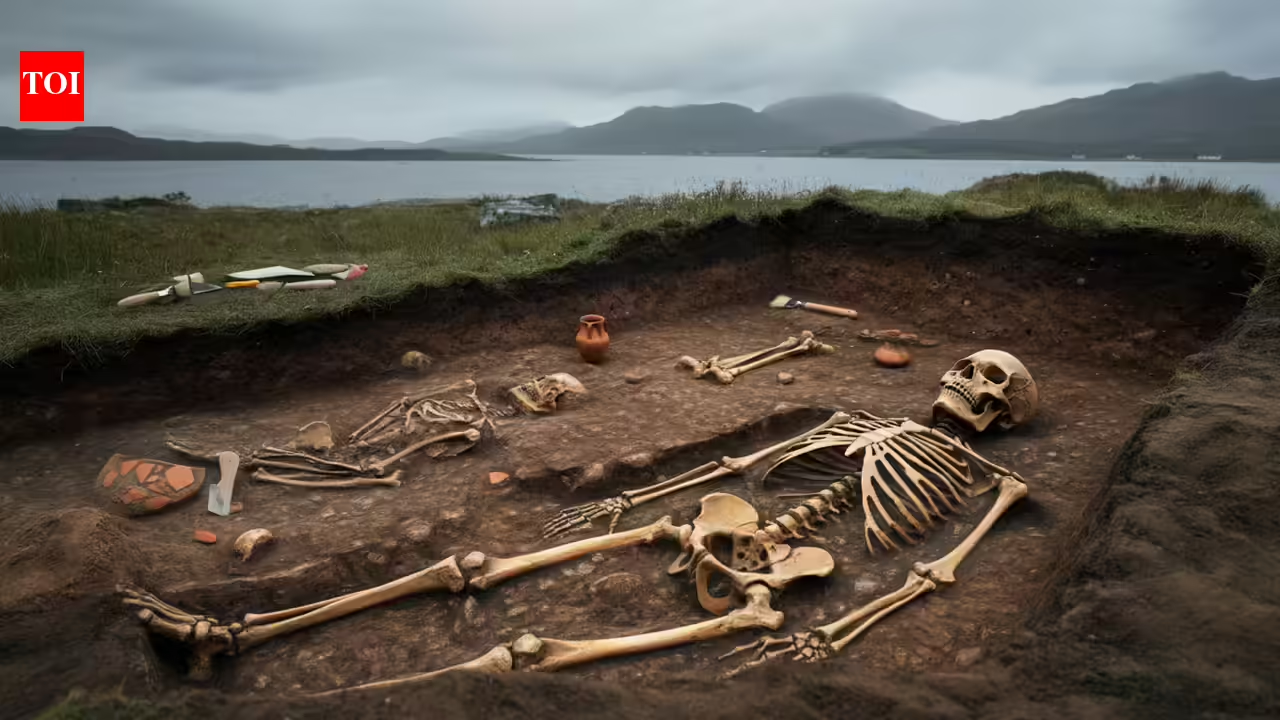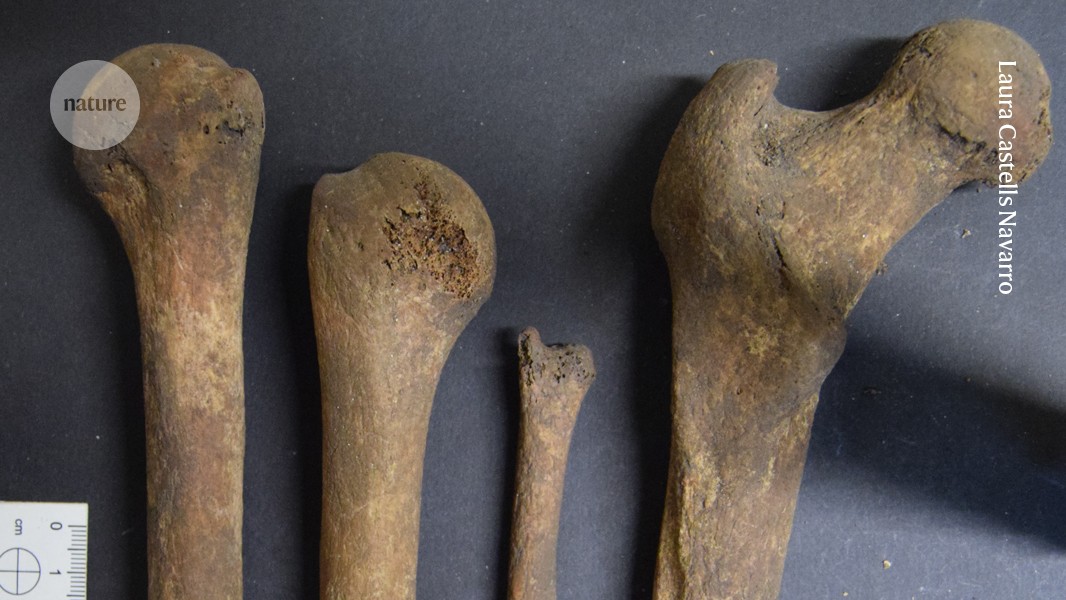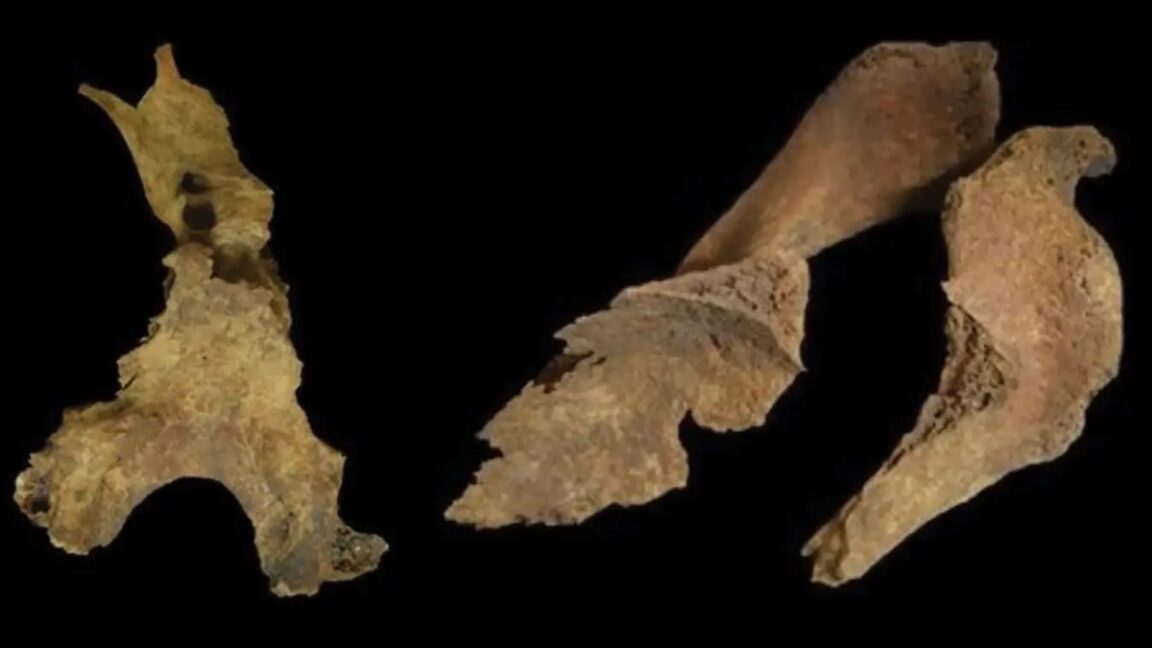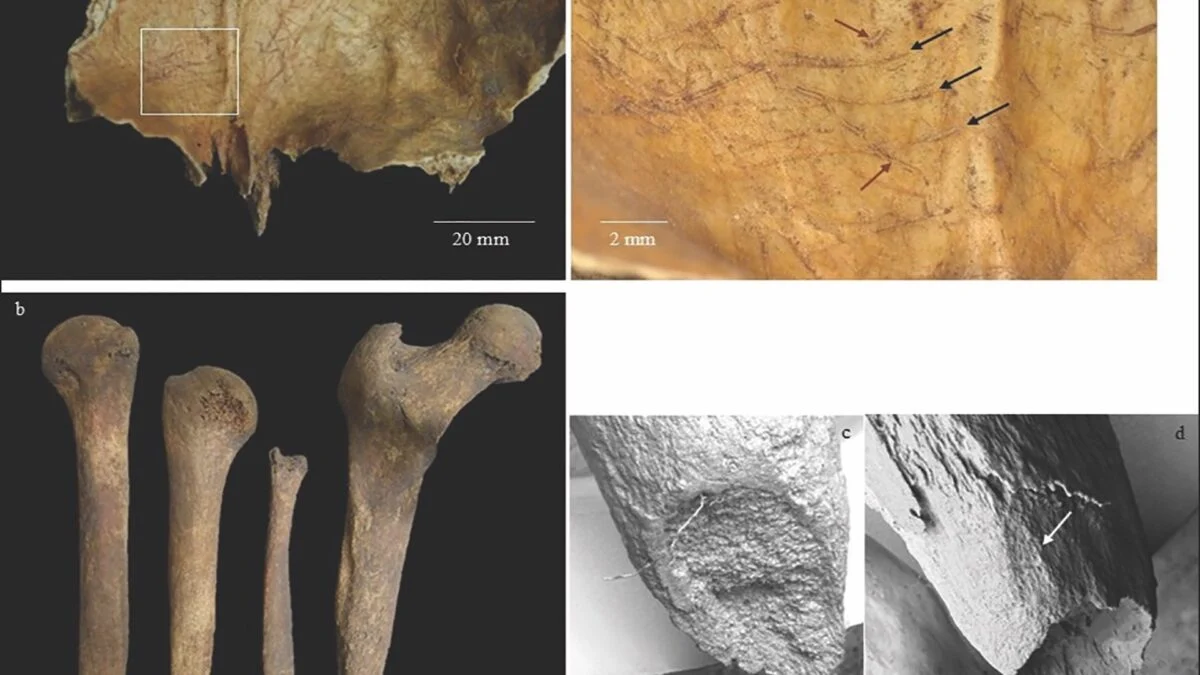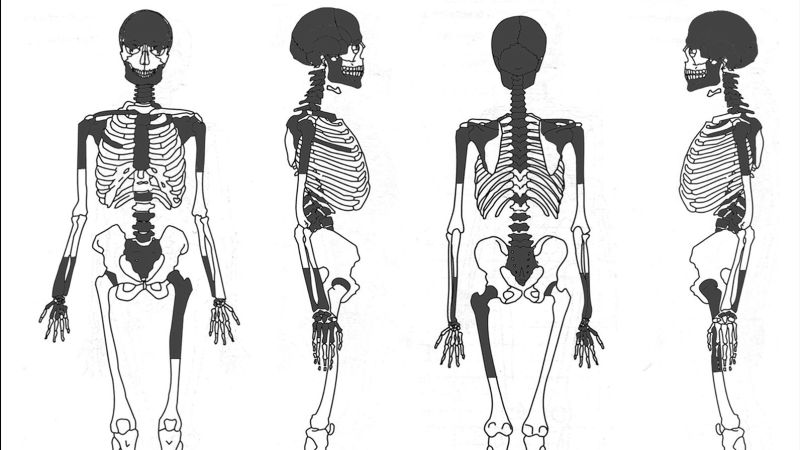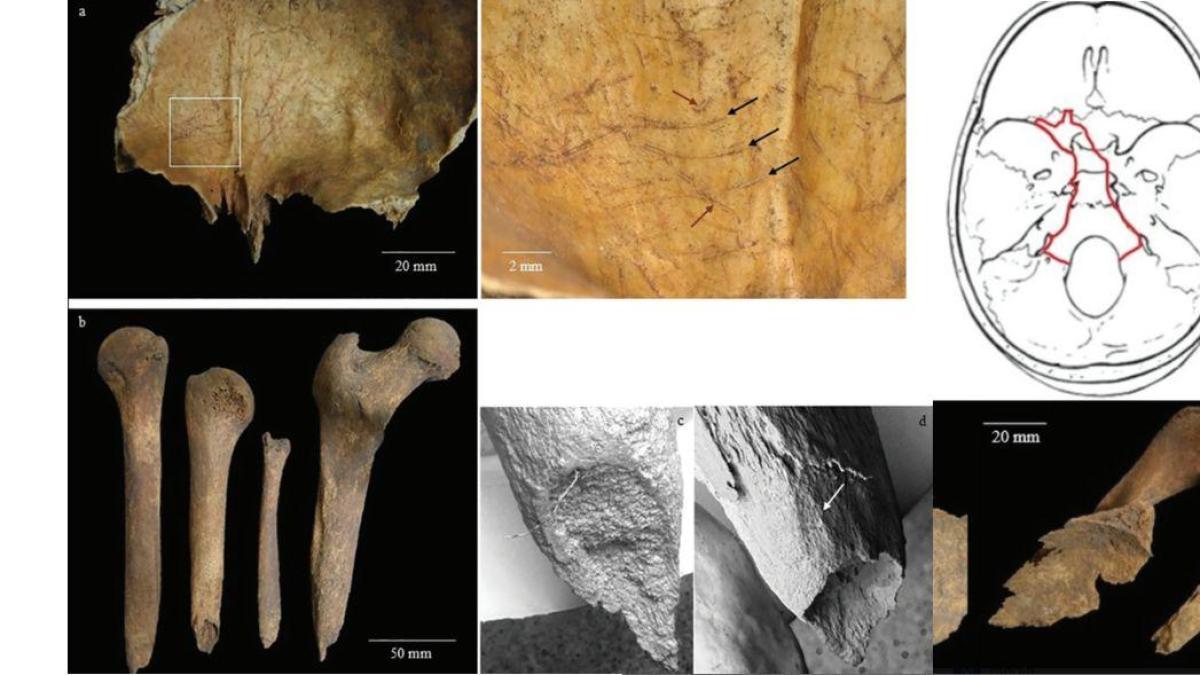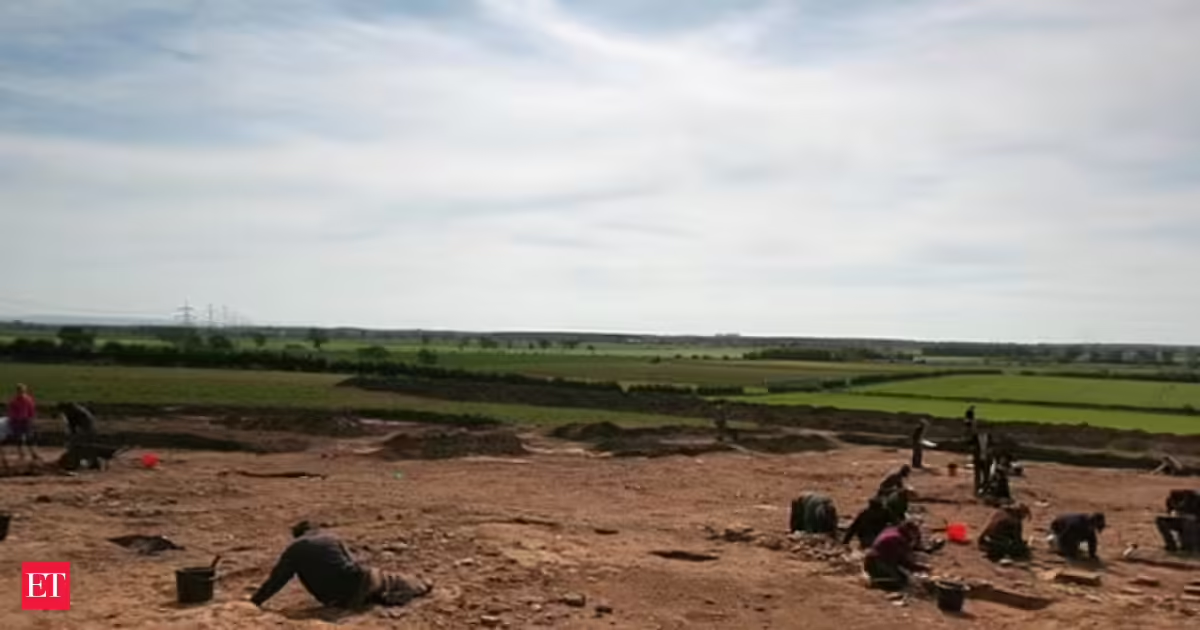
Archaeologists are accustomed to finding bones, but they are far less accustomed to finding brains. That is what made a discovery in York, England, so remarkable in 2008. During excavations at Heslington East, researchers recovered a human skull from a waterlogged pit and noticed something unexpected inside it: soft tissue that appeared to have survived for more than two and a half millennia.Subsequent scientific analysis confirmed that the material was ancient brain tissue, making it one of the most unusual archaeological discoveries ever made in Britain. A major study published in Royal Society Open Science later identified preserved brain proteins within the tissue and proposed a mechanism that may explain how such an exceptionally fragile organ survived for roughly 2,600 years.The find immediately attracted attention because brains are normally among the first tissues to decompose after death. Yet in this case, something about the burial environment and the tissue's chemistry appeared to interrupt the normal process of decay.The excavation at Heslington East, May 2008 | Wikimedia CommonsA routine excavation uncovered something extraordinaryThe Heslington brain was discovered during excavations at Heslington East, a landscape that had been occupied at various times from the Bronze Age through the Roman period. According to the University of York’s archaeological research team, the area contained waterlogged deposits, springs, and evidence of long-term human activity, creating conditions that occasionally favored unusual preservation.The skull itself was recovered from a wet pit rather than a formal grave. Archaeologists found soft material still occupying the cranial cavity upon closer examination. Such preservation is extraordinarily rare because soft tissue normally breaks down rapidly once a body enters the ground. What initially seemed like a strange curiosity soon became a major scientific question, and researchers sought to determine whether the tissue was genuinely ancient and, if so, how it had survived for thousands of years.Scientists discovered why the brain survivedA 2020 study published in Royal Society Open Science used advanced molecular techniques to identify proteins preserved within the Heslington brain. The researchers concluded that the tissue was authentic ancient brain matter rather than contamination introduced after excavation, but more importantly, they proposed that protein aggregation may have played a vital role in preserving the tissue.In simple terms, proteins within the brain appear to have formed stable structures that resisted normal decomposition. Parts of the tissue became locked in a remarkably durable state rather than breaking down completely. The findings challenged long-held assumptions about soft-tissue preservation. Archaeologists had long known that hair, skin, and other tissues could occasionally survive under exceptional conditions, but brain tissue was generally considered too fragile to endure for such long periods outside environments such as ice, extreme dryness, or artificial preservation.The remains belonged to a man who likely died violentlyResearchers also wanted to understand the person behind it, and follow-up investigations conducted by archaeologists and forensic specialists at the University of York suggested that the skull belonged to a man who likely died a violent death during the Iron Age. University reports indicate that the evidence points toward execution or ritual killing, although the exact circumstances remain uncertain.The preserved brain was not merely a scientific specimen; it belonged to an individual who lived, died, and entered the archaeological record under unusual circumstances more than two millennia ago. The combination of a violent death, a waterlogged burial environment, and extraordinary preservation created a rare opportunity to study both an ancient person and the processes that allowed part of that person to survive.Mass "A" of the Heslington Brain | Wikimedia CommonsA rare window into Iron Age BritainWhat makes the Heslington brain so important is not simply its rarity but what that rarity allows researchers to learn.Most evidence from Iron Age Britain comes from pottery, metalwork, buildings, and skeletal remains. Soft tissue almost never survives, and the Heslington brain therefore provides a type of evidence that archaeologists rarely have access to. It allows scientists to investigate molecular preservation, ancient biology, and burial processes in ways that would otherwise be impossible. The discovery also demonstrates how archaeology increasingly combines field excavation with advanced laboratory science. What began as a muddy excavation in York eventually involved molecular biology, protein analysis, forensic investigation, and archaeological interpretation; each discipline contributed a piece of the puzzle.
In 2008, archaeologists lifting a skull from a wet pit in York found something soft inside, and the Heslington brain preserved a life from Iron Age Britain
In a remarkable archaeological breakthrough in York, England, researchers unearthed ancient brain tissue that has astonishingly remained intact for over 2,600 years. This tissue, belonging to a man who likely met a violent end during the Iron Age, has proteins that formed resilient structures, effectively thwarting deterioration.
701 words~3 min read