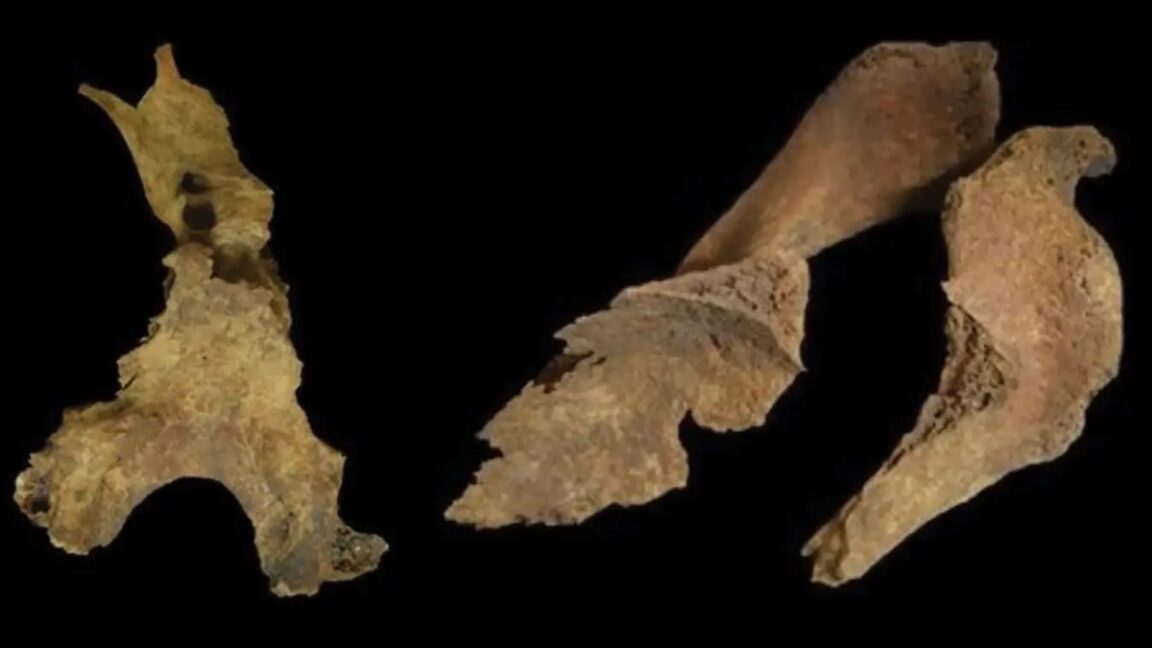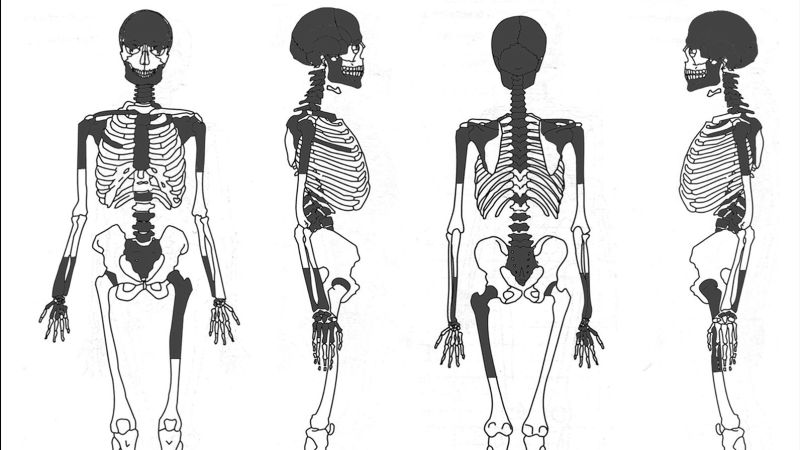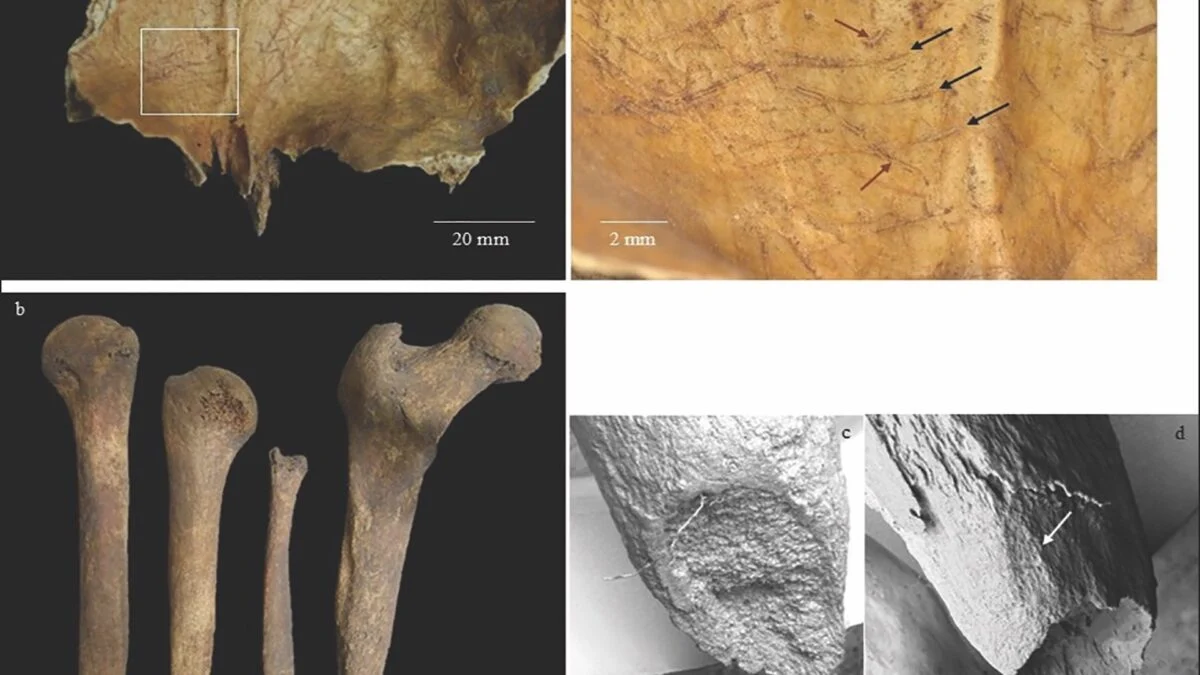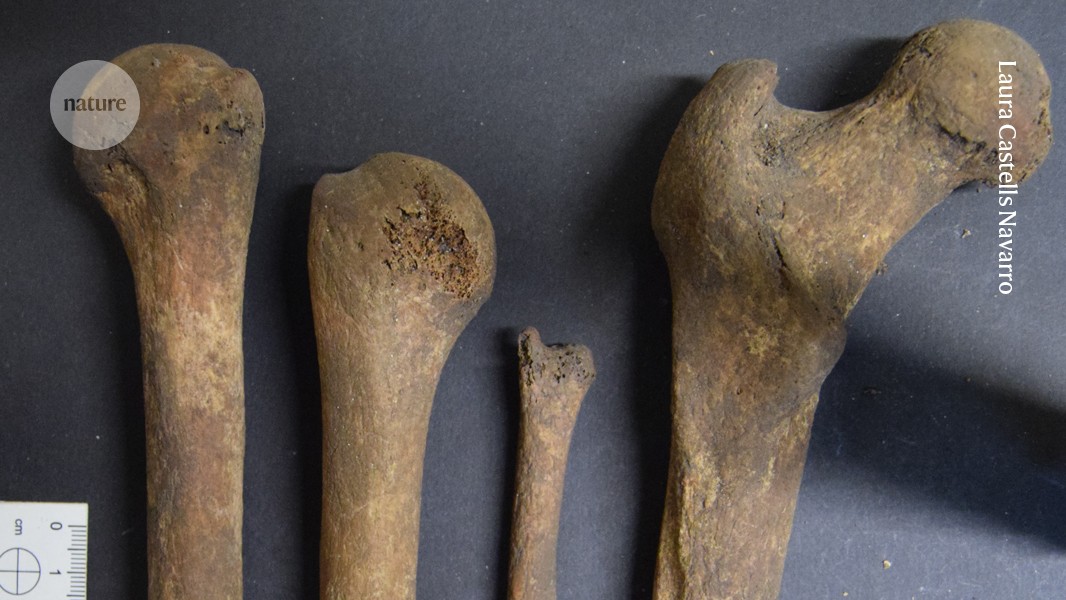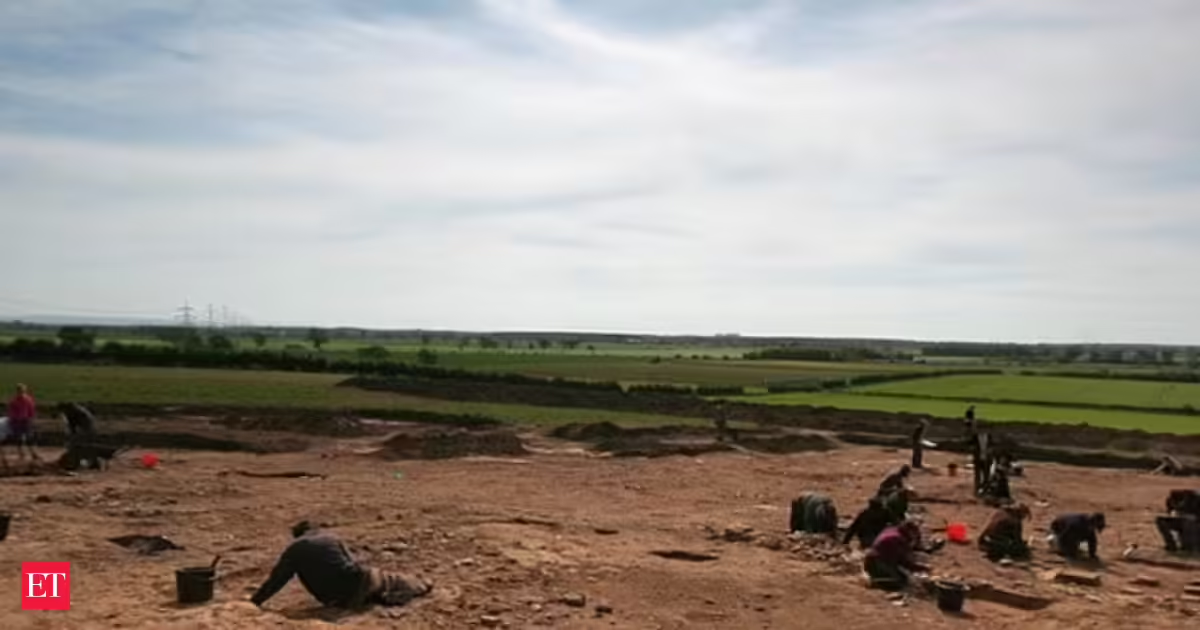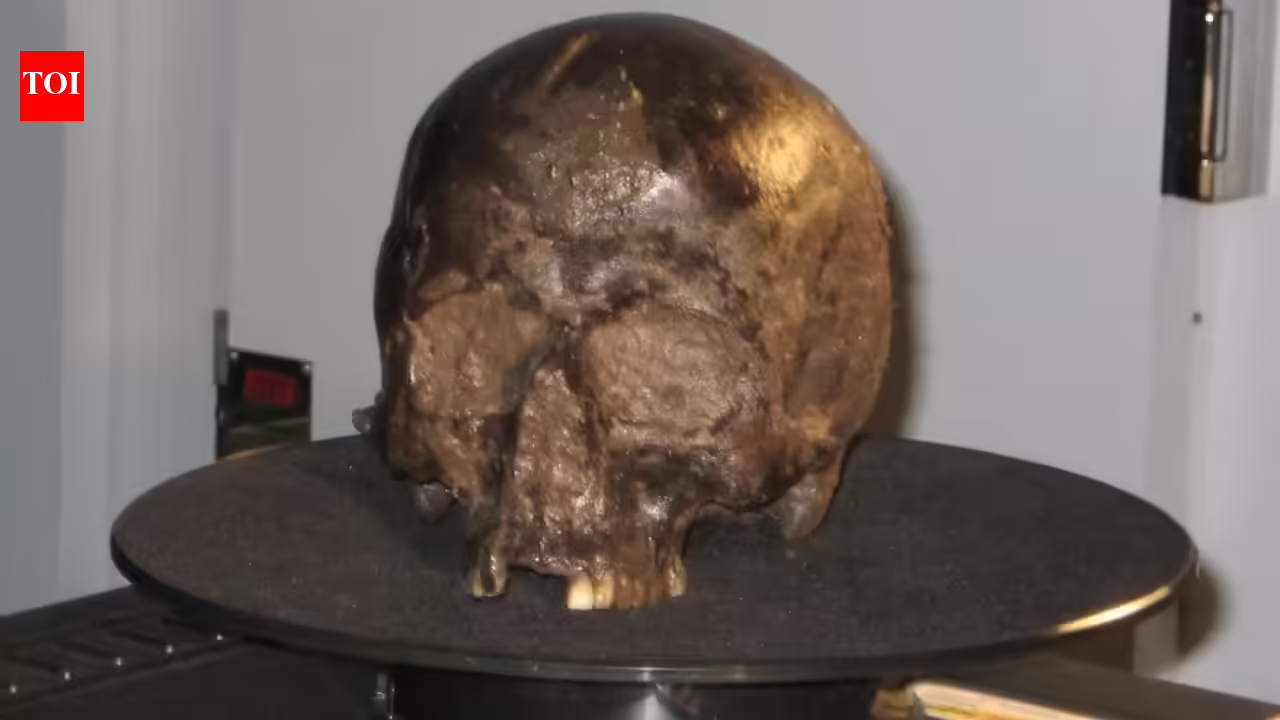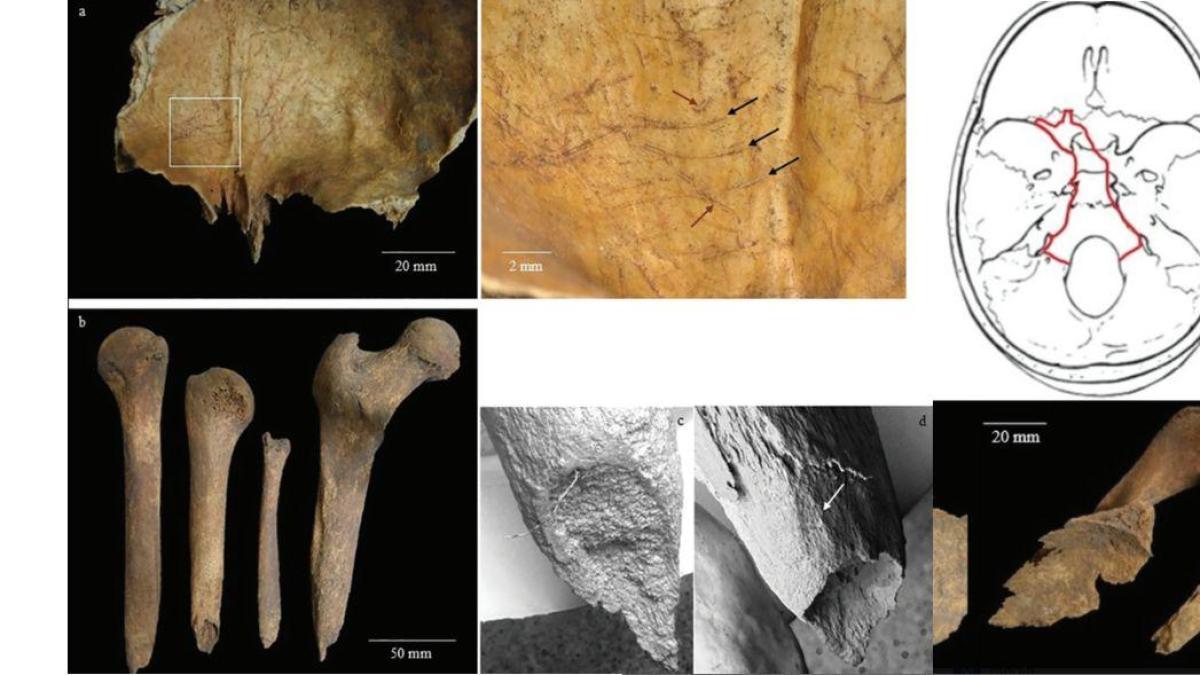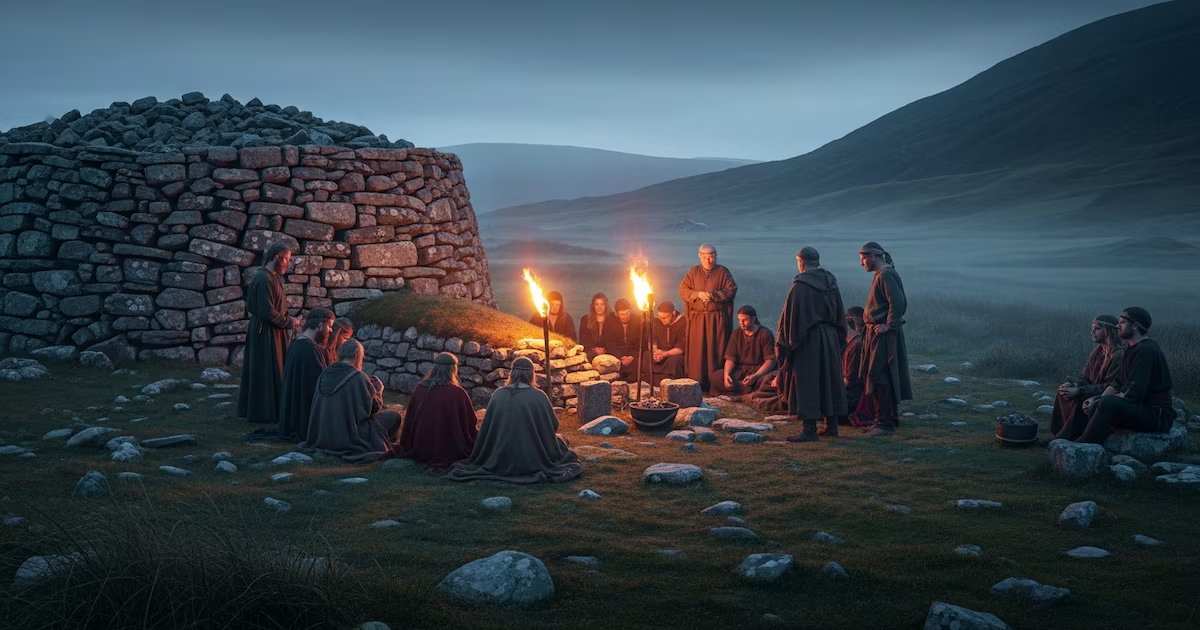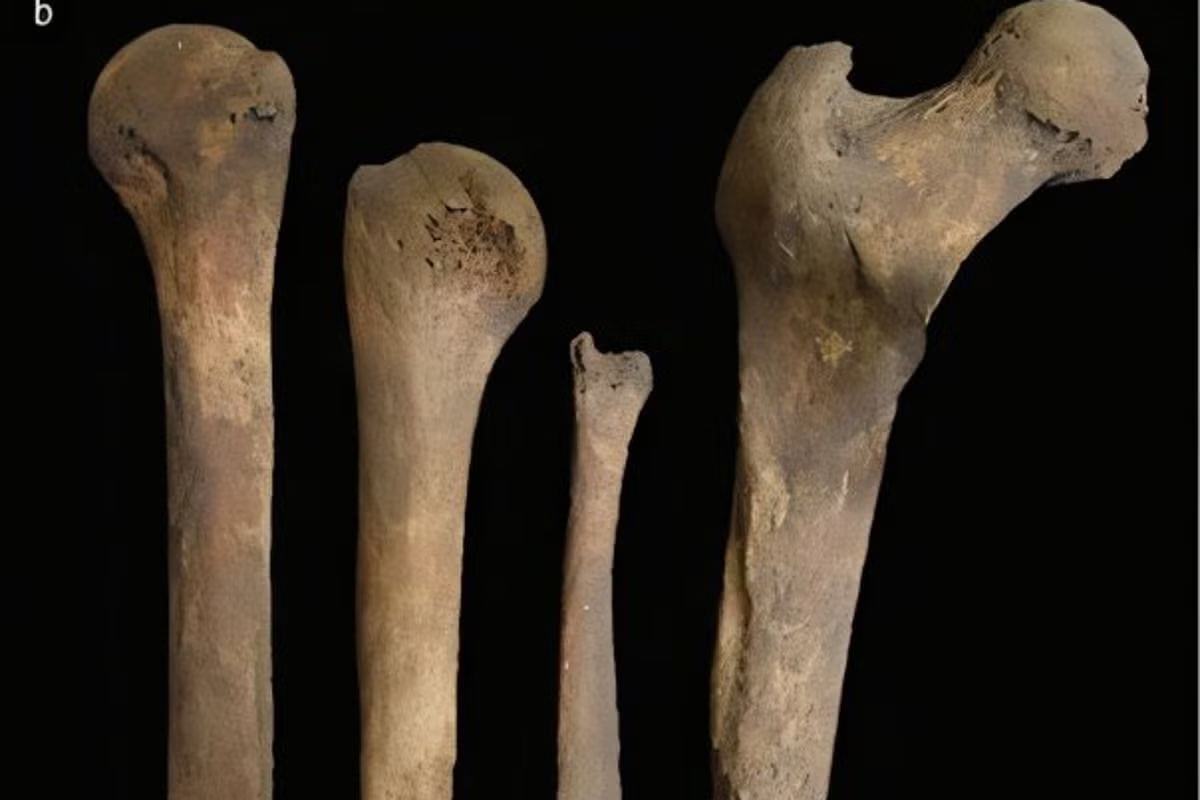
A 2,000-year-old skull unearthed at a Scottish burial site shows evidence of intentional removal of the brain after death, raising questions about funeral rituals followed by Iron Age Britons.Identifying the funerary practices in Iron Age Britain has been a major challenge since human remains rarely survive from this time period, between 800 BC and 43 AD.However, there have been signs of north-west Scotland offering the right environmental conditions to support the preservation of bones.In the new study, archaeologists excavated and examined two human remains buried in a low stone cairn at Loch Borralie in Sutherland, close to the north-west extremity of the Scottish mainland.One was of an adult female and the other was of a juvenile male."We knew that in the north-west of Scotland, including the Northern and Western Isles, the circulation and deposition of human remains were particularly prominent,” said Laura Castells Navarro, lead author of the research published in the journal Antiquity."We tried to answer who these individuals were and where they came from, as well as if there was any relationship between them and/or with other individuals,” Dr Castells Navarro said.Researchers analysed the bones and its ancient DNA to create a broad picture of the individuals' lives.They found evidence for the modification of their bones after their deaths.Evidence of postmortem manipulation on bones (Antiquity (2026))The adult female’s skull displayed striations on the inside, while her limb bones – humerus and ulna of the arm, and femur of the leg bone – seemed tapered toward the ends.These peculiar features suggest that her brain was intentionally removed, and her long bones whittled to sharp points, according to researchers."The motivation behind the extensive manipulation of the skeletal remains of Individual 1 is very difficult to interpret," Dr Castells Navarro said."However, the care with which she was reassembled and deposited in the cairn possibly suggests she commanded a level of reverence and respect by her community,” she said.DNA analysis of the two Iron Age individuals hints that the two individuals were closely related to each other, most likely being maternal second cousins.The two likely grew up around 80km southeast of Loch Borralie, scientists say.They also appear to share genetic connections with individuals from Orkney, around 175km northeast of Loch Borralie, and Applecross, around 225 km southwest, researchers observed."More broadly, our research shows that prehistoric maritime communities periodically moved around the north coast and Northern Isles of Scotland, possibly in small groups," Dr Castells Navarro said."This movement allowed for the spread and maintenance of cultural practices and traditions,” she explained.The combination of unfamiliar postmortem modifications along with evidence for extensive mobility of the individuals suggests that complex funeral traditions were maintained over long distances in Iron Age Briton, researchers say."While we will never really know their motivations, the treatment of Individual 1 is indicative of a high level of care and attention by the living community and a continued interaction between the living and the dead," Dr Castells Navarro said.
Iron Age Britons likely removed corpse brains in strange ritual
Motivation behind the skull manipulation ‘very difficult to interpret’, scientists say
488 words~2 min read