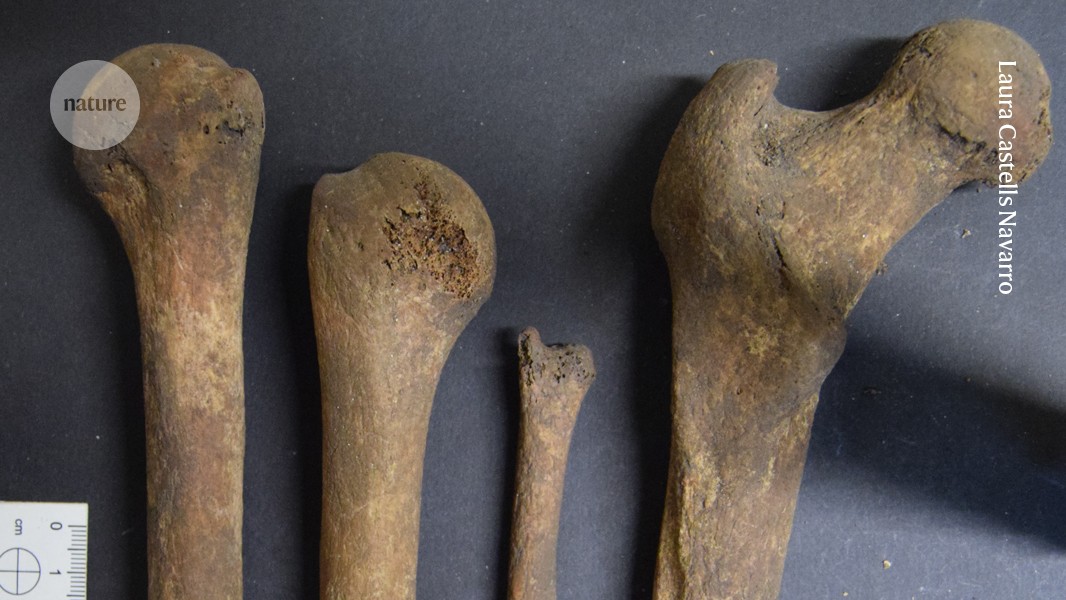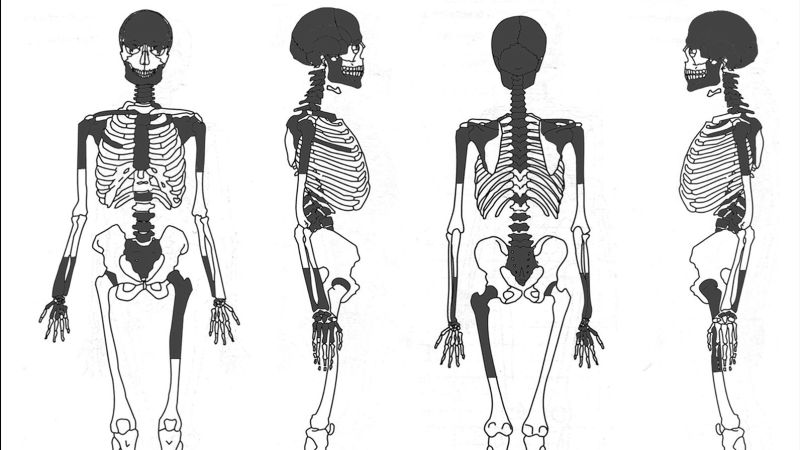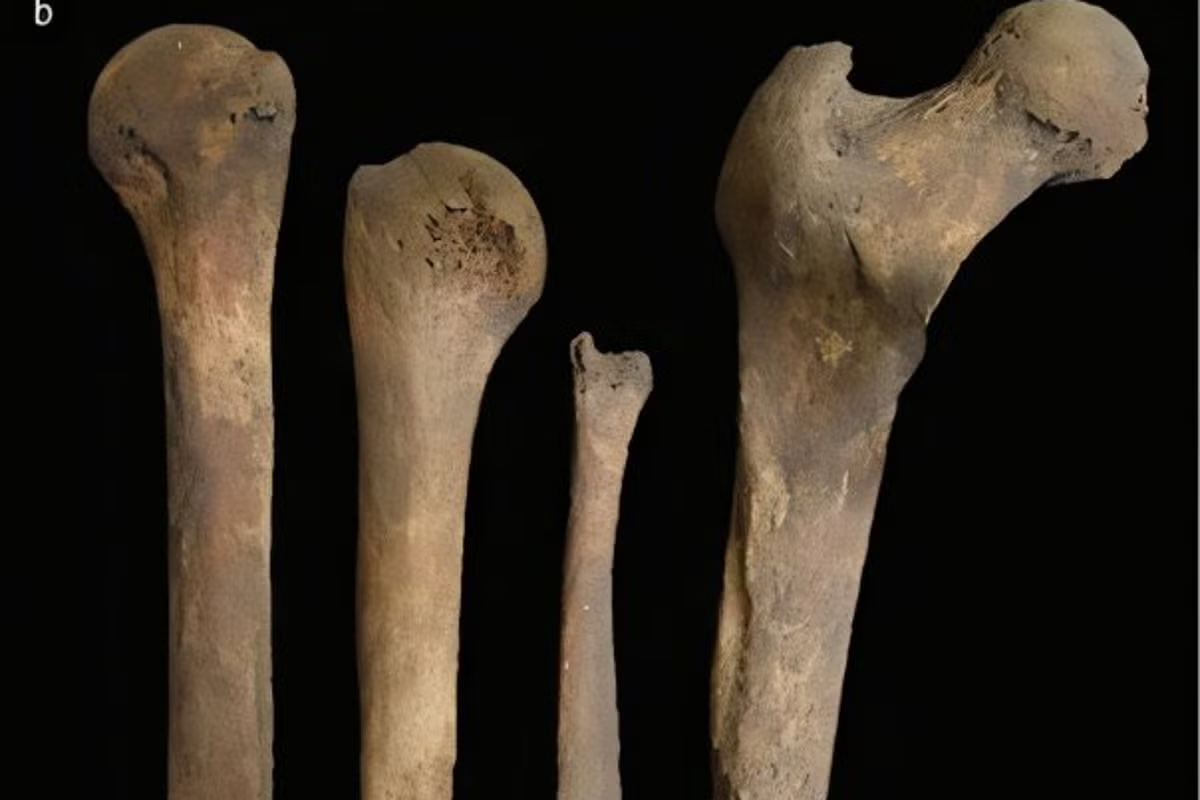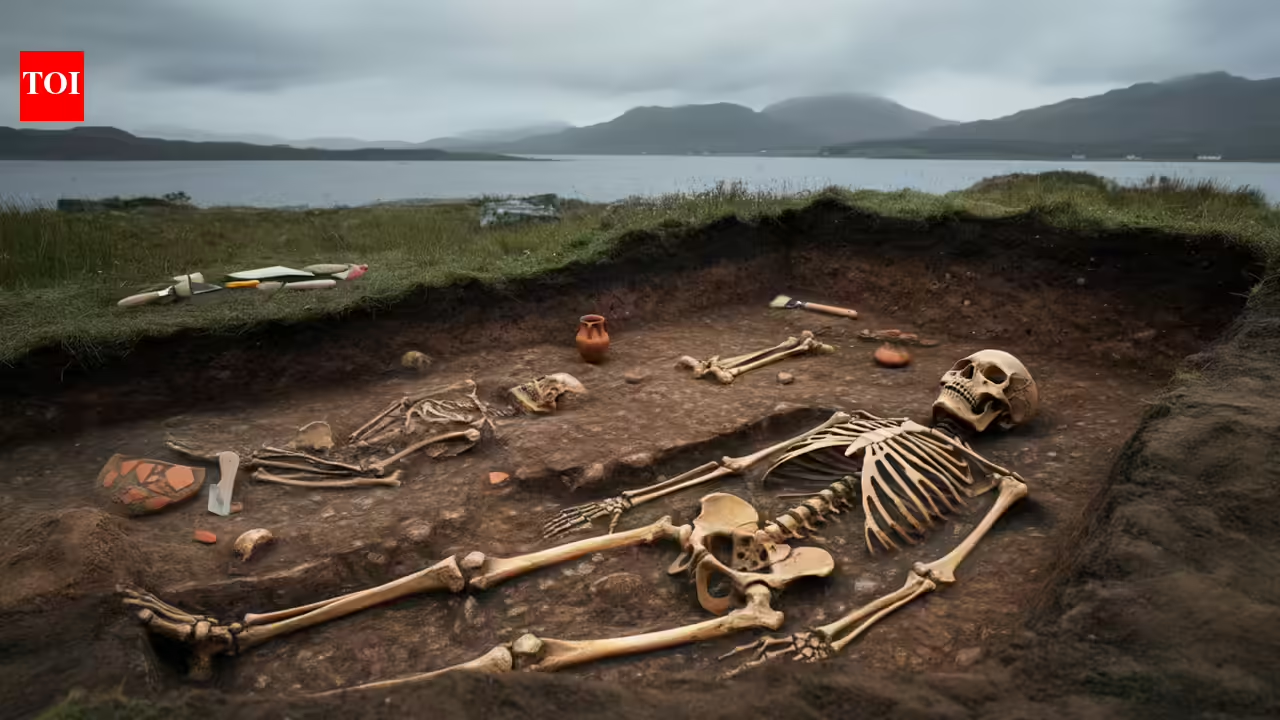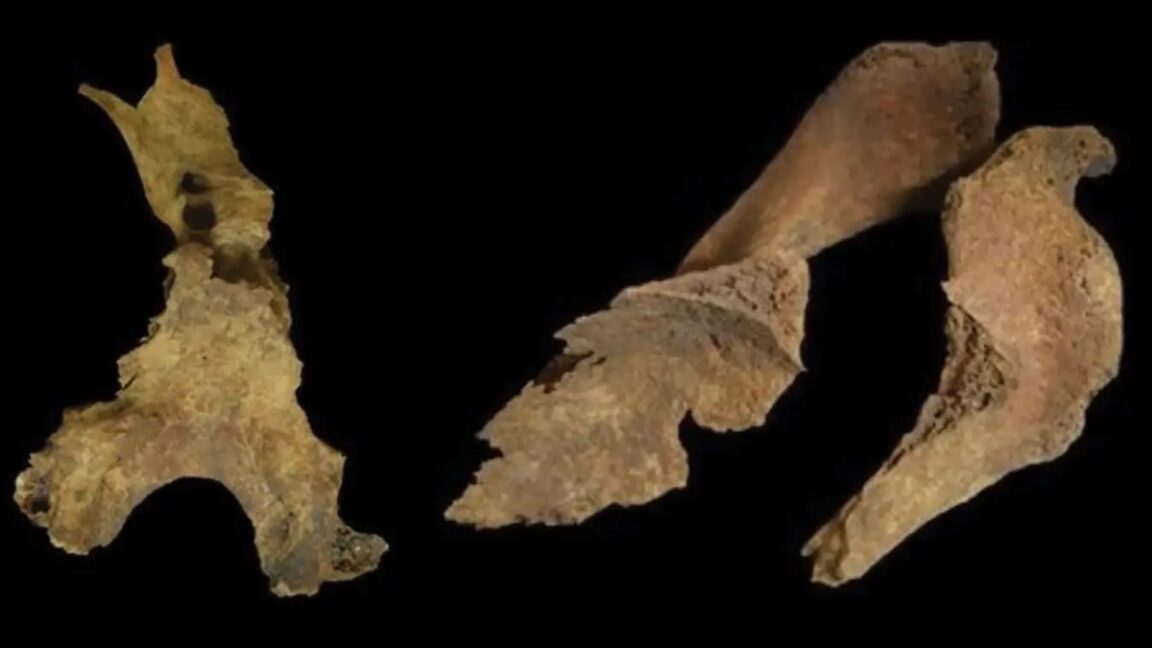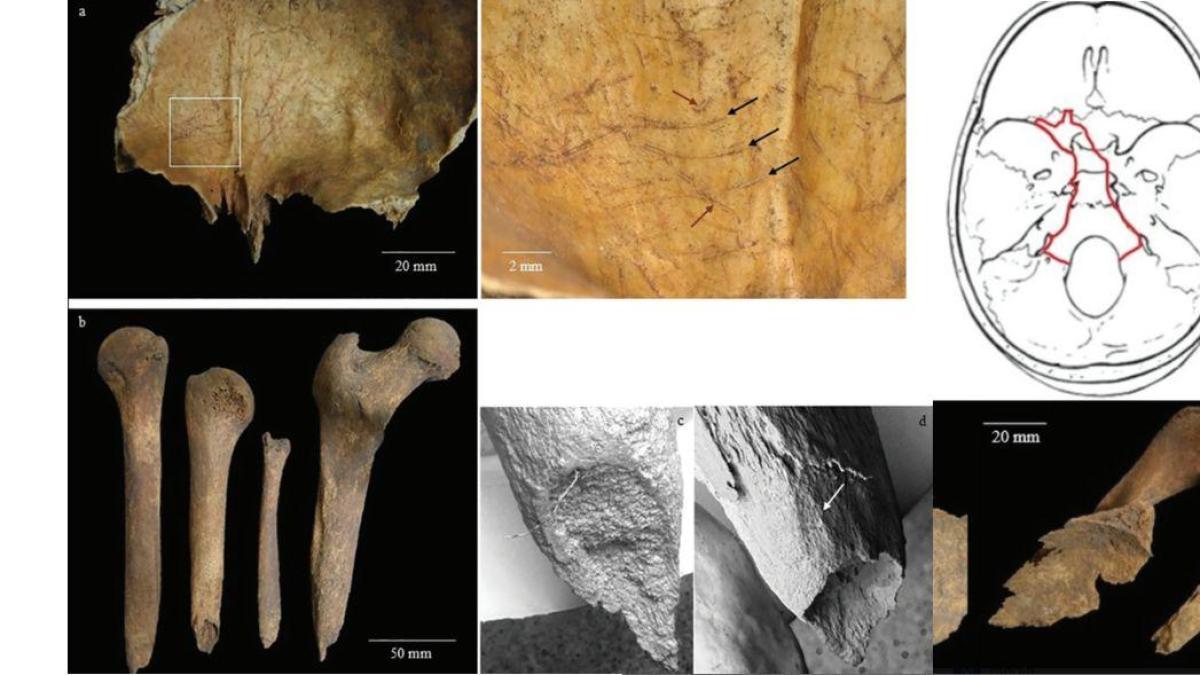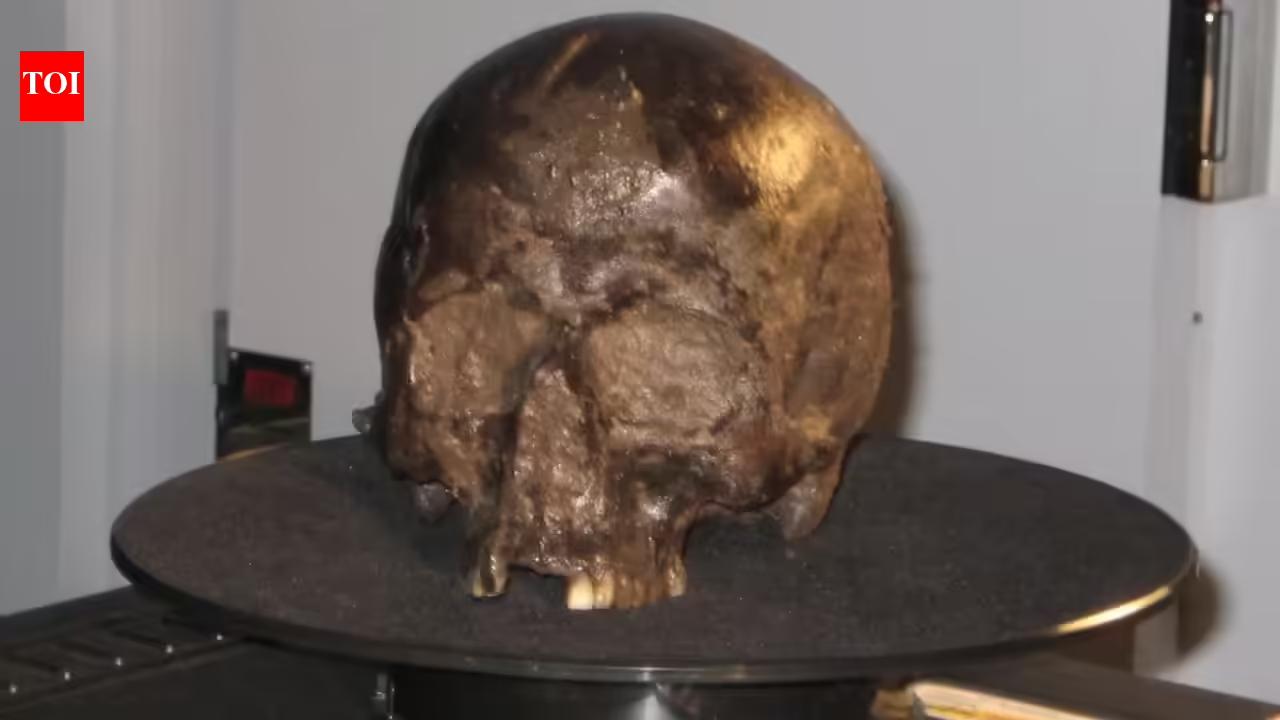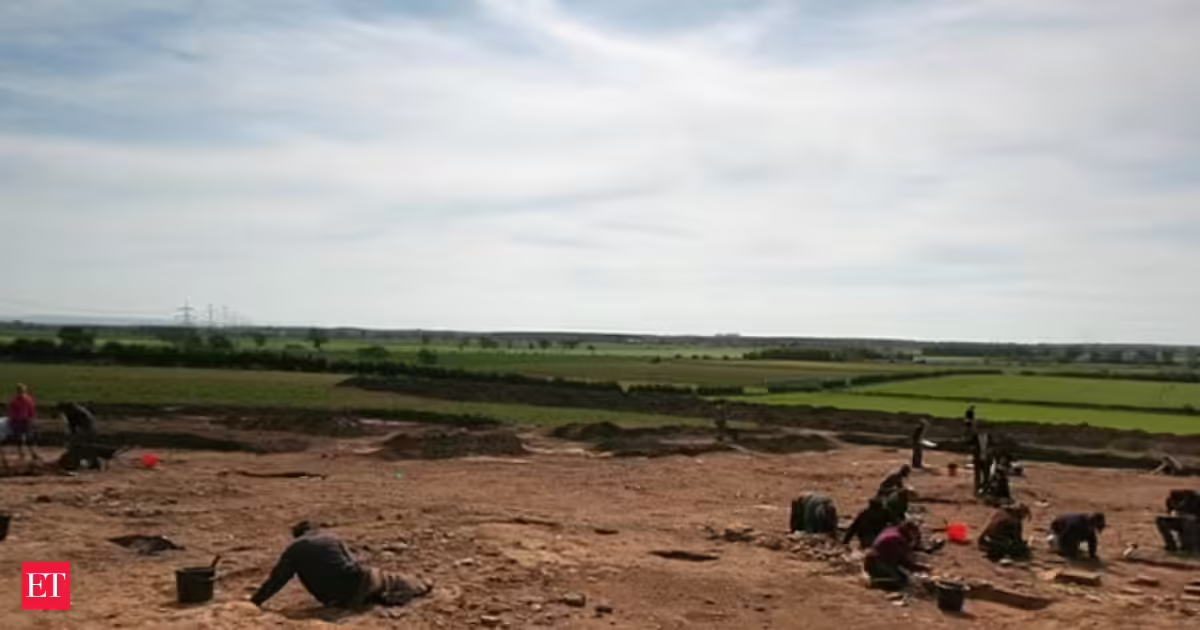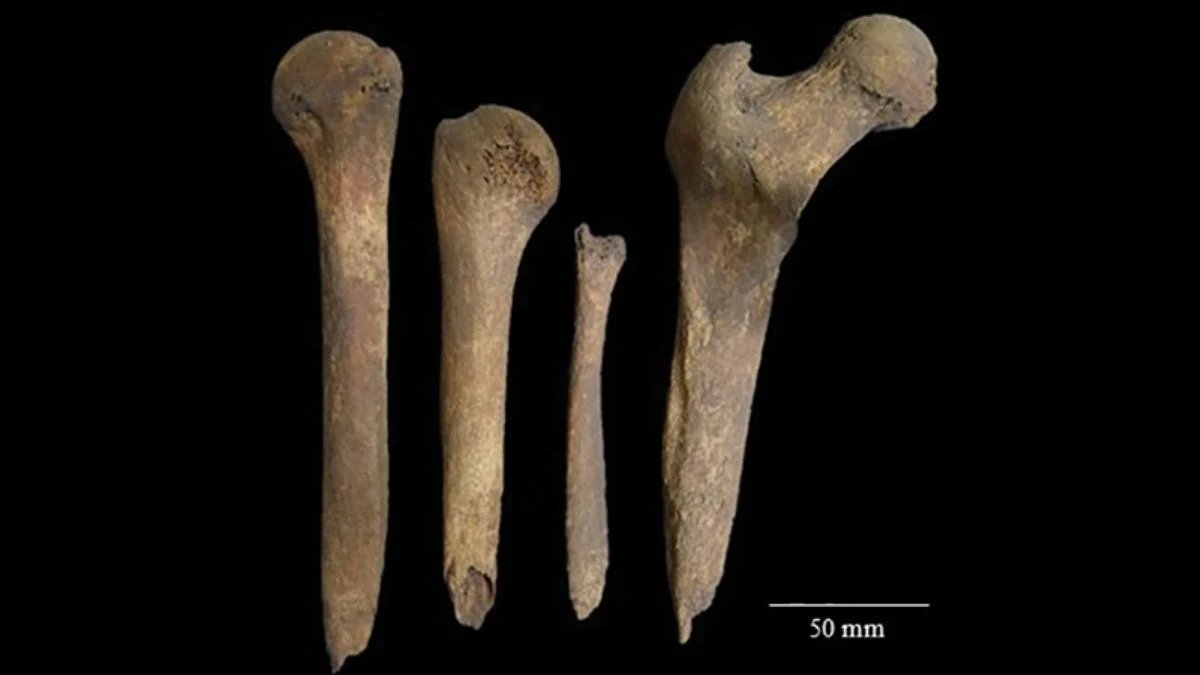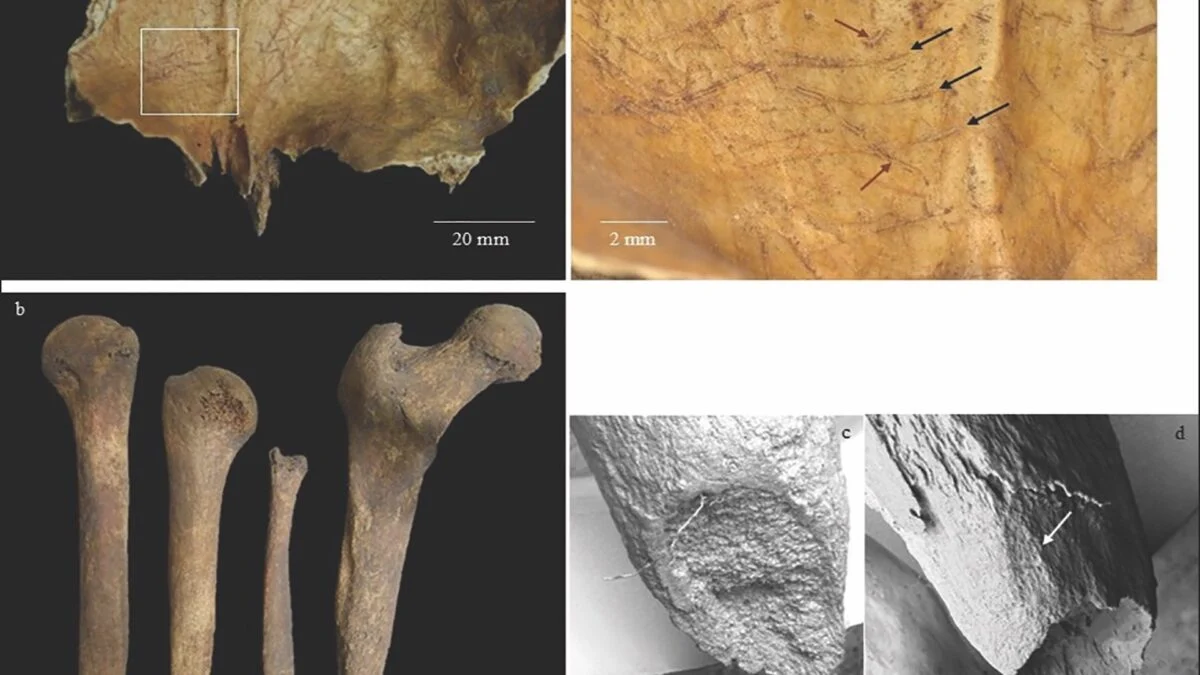
Buried beneath a stack of stones in northwest Scotland, a woman’s skeleton was found with scratches on the inside of her cranium and her bones whittled down to a sharp point. The unusual scarring may have been part of an ancient funerary ritual meant to honor the death of a loved one. Archaeologists examined two human skeletons found in a low stone burial cairn, finding evidence for a previously unknown funerary tradition during the Iron Age that may have involved removing the brain of the deceased. In a new study published in Antiquity, researchers offer new insight into the ancient burial practices of prehistoric Britain and a rare glimpse of cultural practices from that time. Laid to rest The team behind the recent study spent years examining partial remains that were excavated near Loch Borralie, which is a few miles inland from the Norwegian Sea. Using DNA and isotopic analysis, the archaeologists determined that the skeletons belonged to an adult female and a juvenile male.
The DNA analysis also revealed that the pair were closely related to each other, most likely being maternal second cousins. The results also indicated that they both likely grew up southeast of Loch Borralie and were buried sometime between 50 BCE and 70 CE.