HomeAI · summaries
Storia in 2 fonti
Ancient dental calculus reveals diverse diets of commoners in premodern Osaka, Japan, the 'Kitchen of the Realm'
Applying palaeoproteomics to ancient dental calculus from eight premodern commoners buried in the Umeda cemetery in Osaka, Japan, researchers identified 38 dietary proteins from 17 taxa, including high‑grade sea bream, salmonids from distant waters, terrestrial mammal meat, and cottonseed oil products. These findings show that even relatively poor urban commoners in premodern Osaka accessed an unexpectedly diverse range of foods supplied through the city’s role as the “Kitchen of the Realm."
Confronto fonti
2 prospettive sulla stessa storiaTimeline cronologica
- ·
eurekalert.org
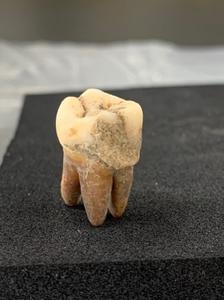
Ancient dental calculus reveals diverse diets of commoners in premodern Osaka, Japan, the 'Kitchen of the Realm'
Applying palaeoproteomics to ancient dental calculus from eight premodern commoners buried in the Umeda cemetery in Osaka, Japan, researchers identified 38 dietary proteins from…
- ·
nautil.us
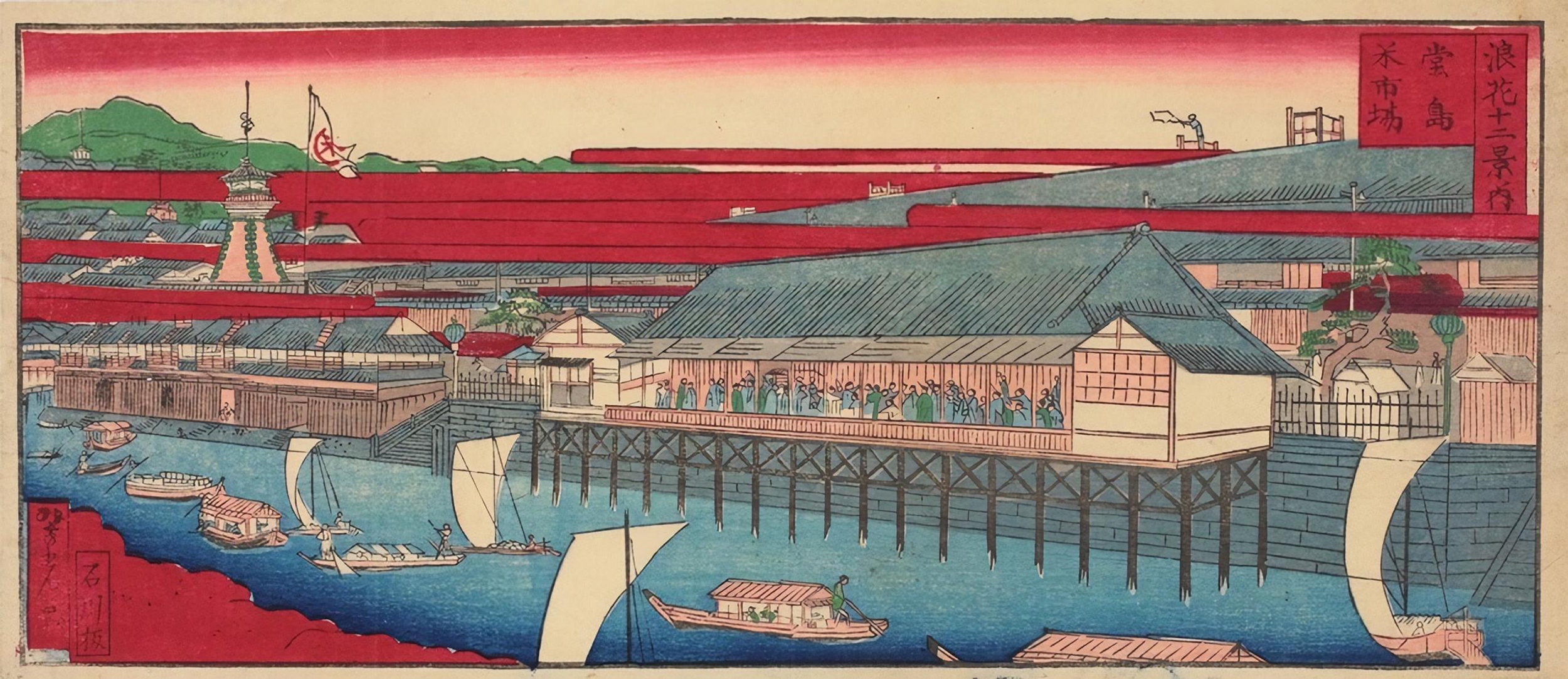
The Kitchen of the Realm: Even the Commoners Ate Well in Ancient Osaka - Nautilus
But their dental hygiene may leave something to be desired