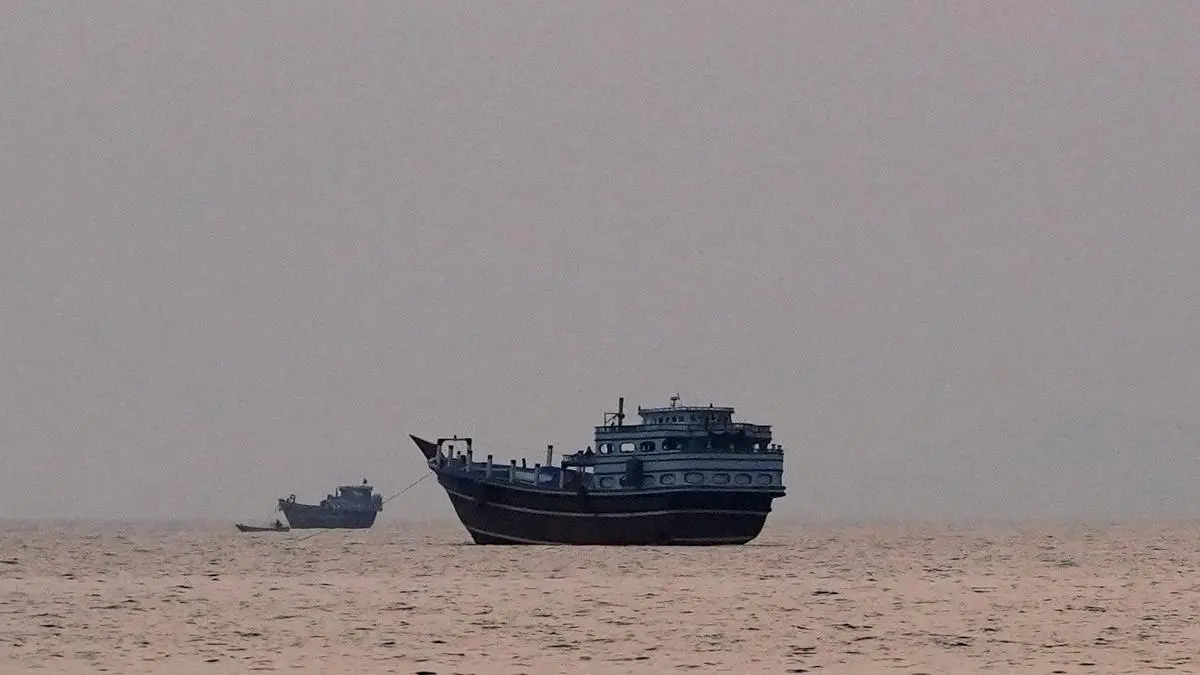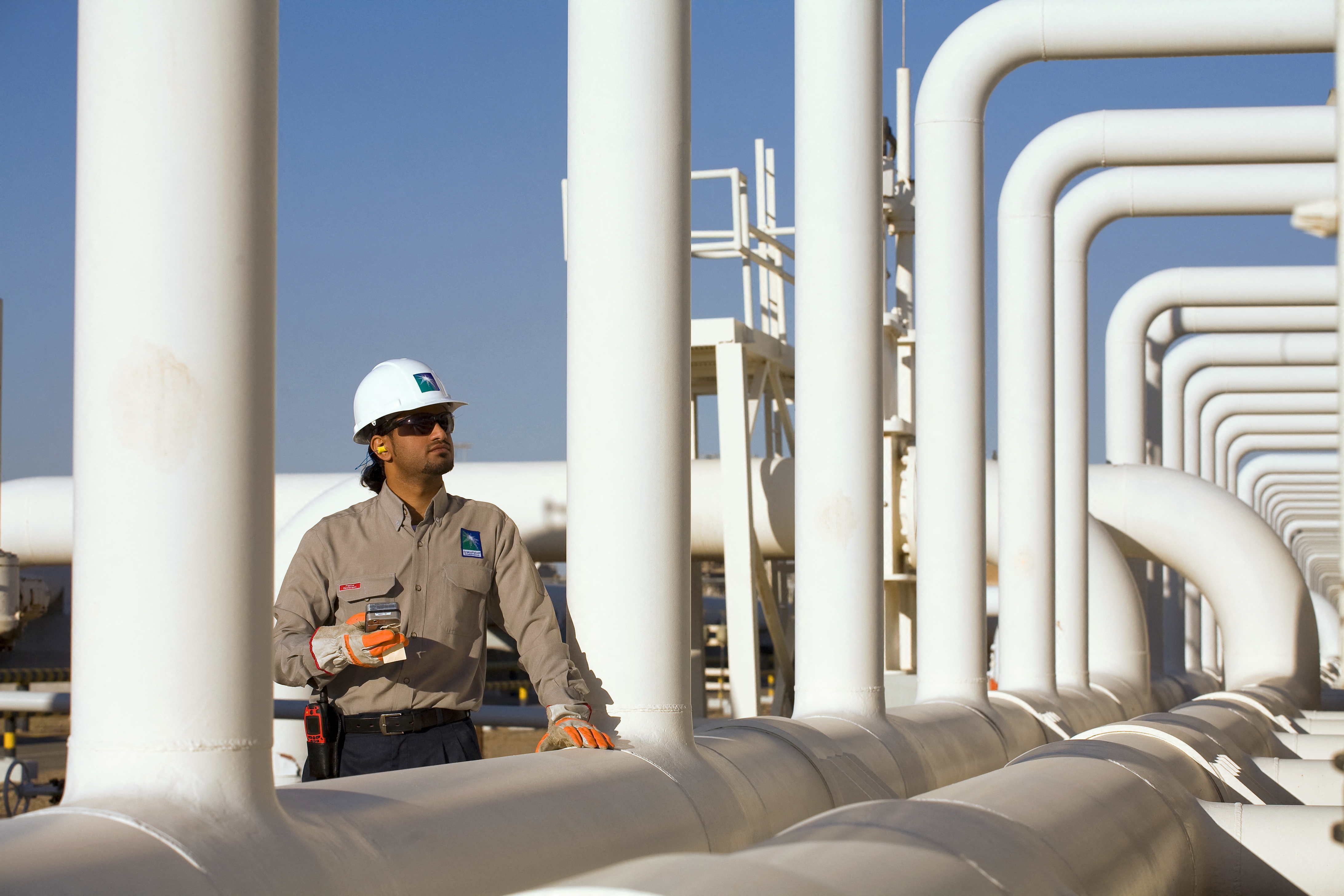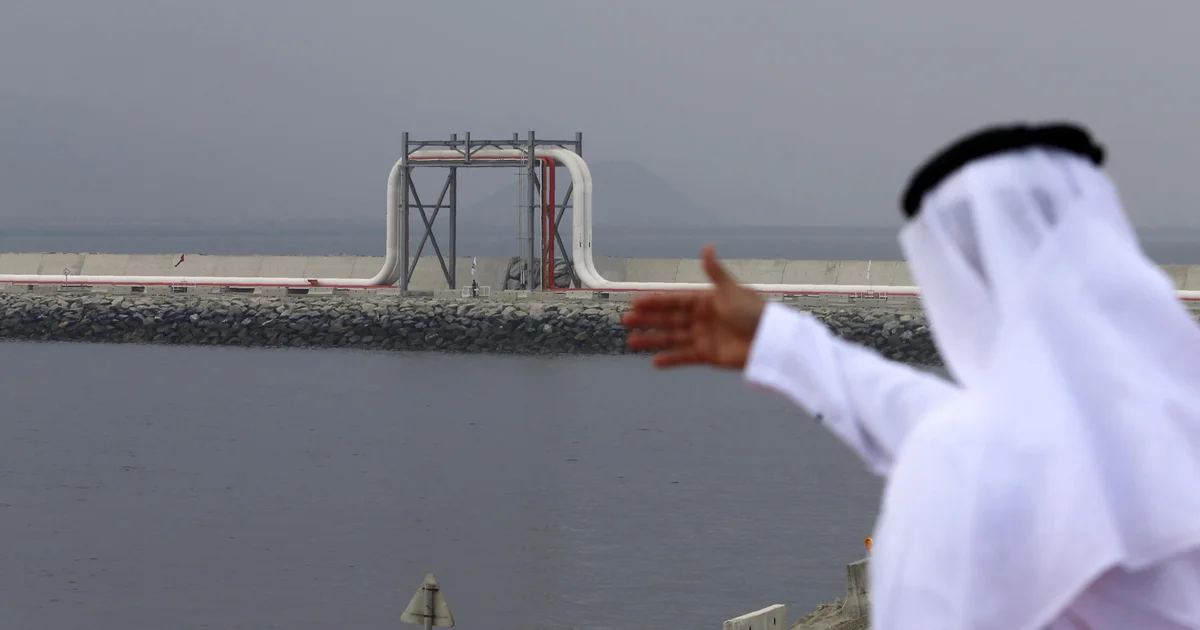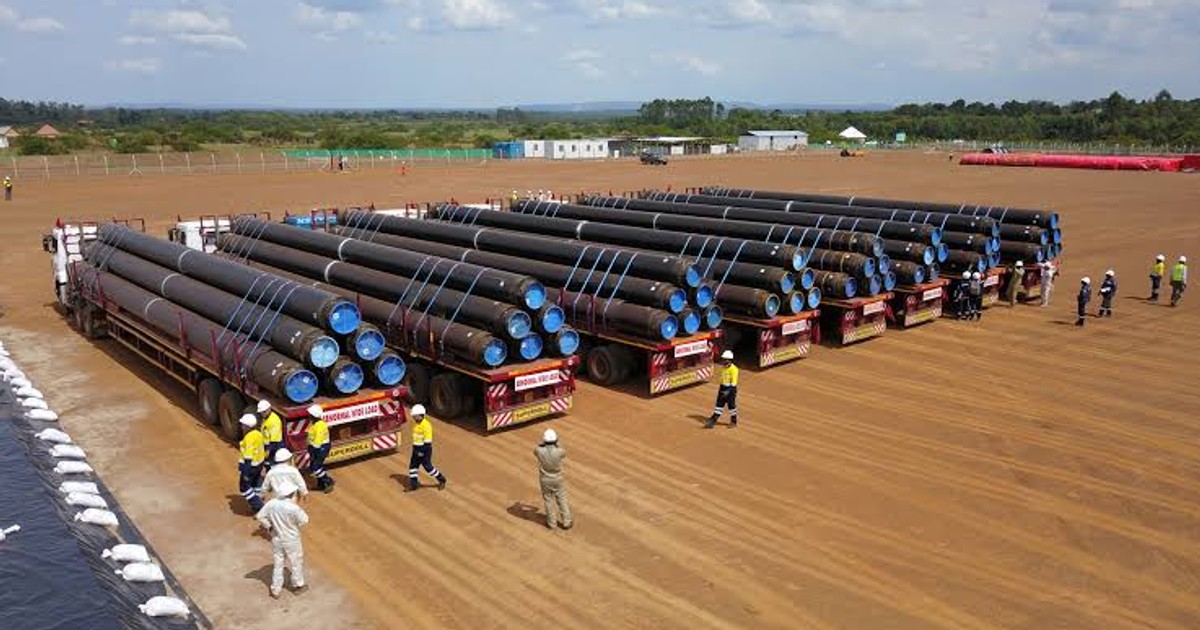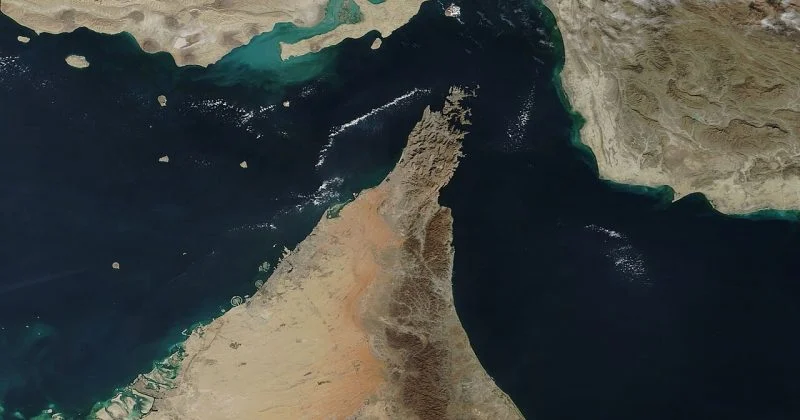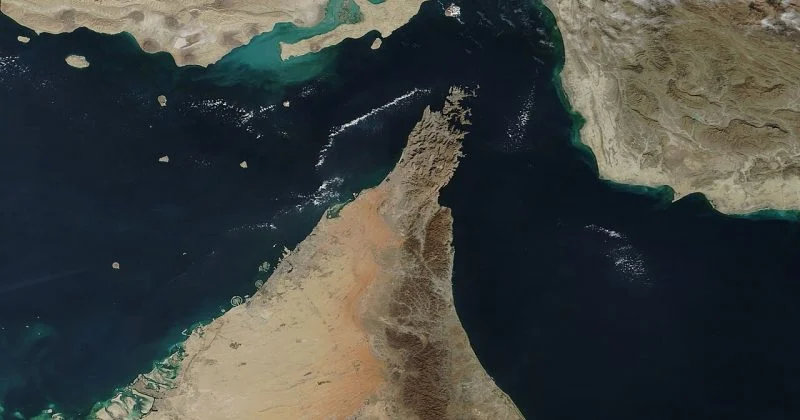
Arab oil producers in the Middle East are reportedly advancing efforts to build pipelines that bypass the critical Strait of Hormuz, according to Middle East Eye. This strategic development aims to secure and control energy flows amid geopolitical tensions in the region. The Strait of Hormuz is a key chokepoint through which about 20% of global oil and LNG shipments pass. Saudi Arabia’s East-West pipeline and the UAE’s Habshan-Fujairah/Abu Dhabi Crude Oil Pipeline are among the infrastructure projects designed to reduce dependency on this narrow maritime passage.
The potential stabilization of supply routes appears to have influenced market expectations. Currently, participants in prediction markets are assessing the impact on WTI Crude Oil prices. The possibility of these pipelines enhancing supply security is seen as a factor possibly contributing to increased WTI prices. Data indicates heightened activity within markets assessing WTI Crude Oil’s potential to reach high price targets in July 2026.
Key Takeaways
Market activity suggests that the development of alternative oil export routes in the Middle East appears to be influencing WTI Crude Oil price expectations.
The pricing for WTI Crude Oil in July 2026 shows a significant increase in the likelihood of hitting higher price targets, with a notable rise in YES scenarios.