Updated on: July 23, 2026 / 11:41 AM EDT
/ CBS/AP
Add CBS News on Google
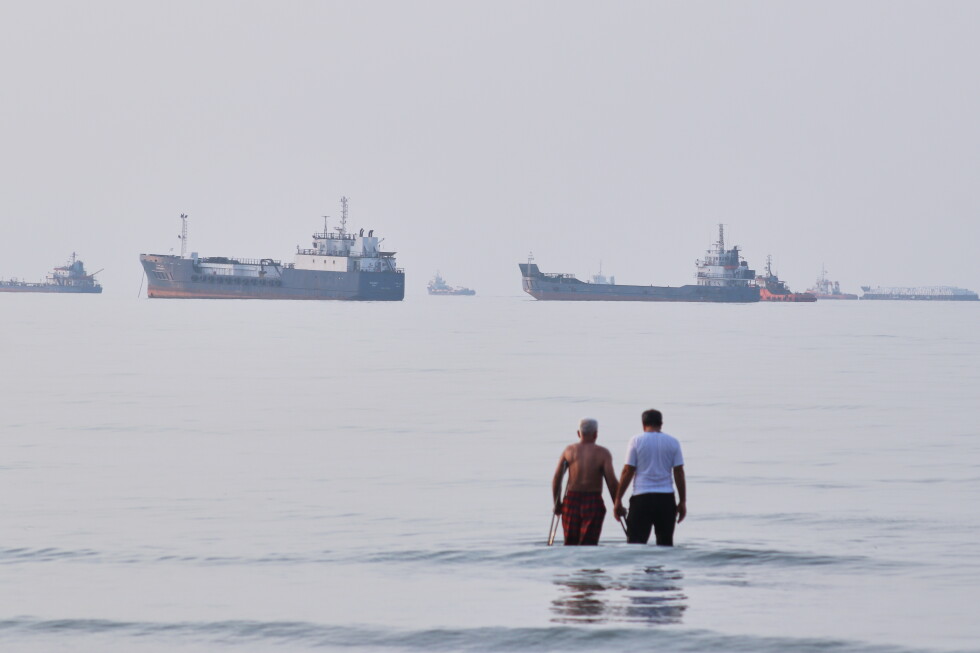
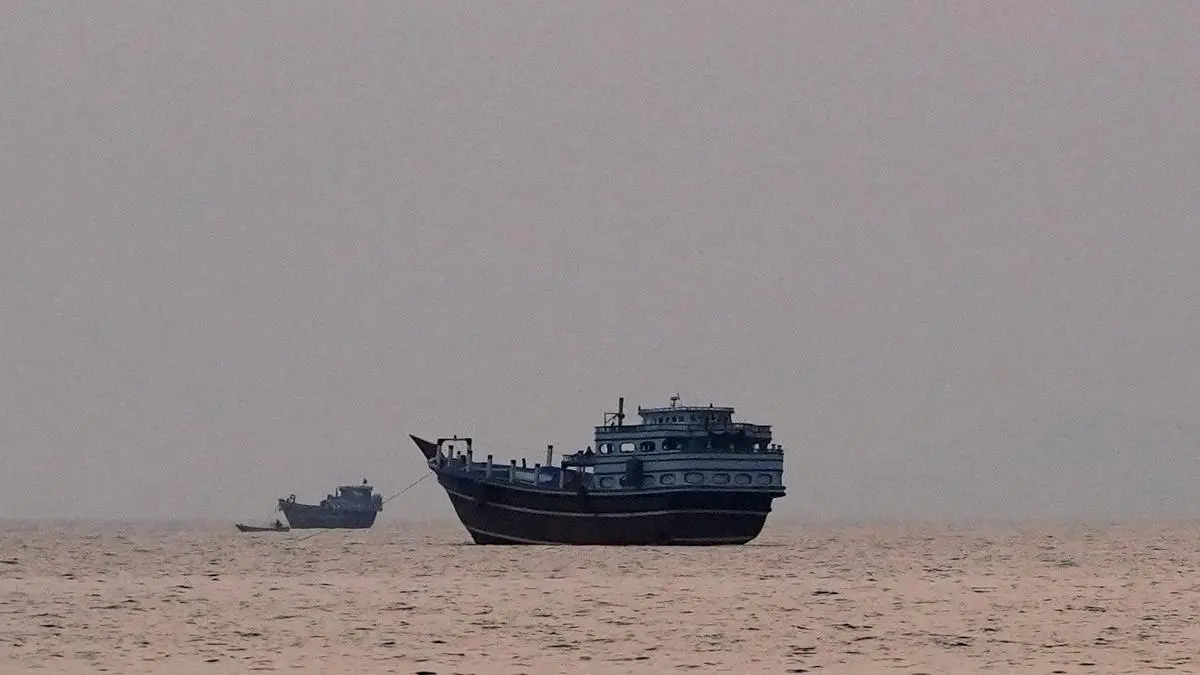
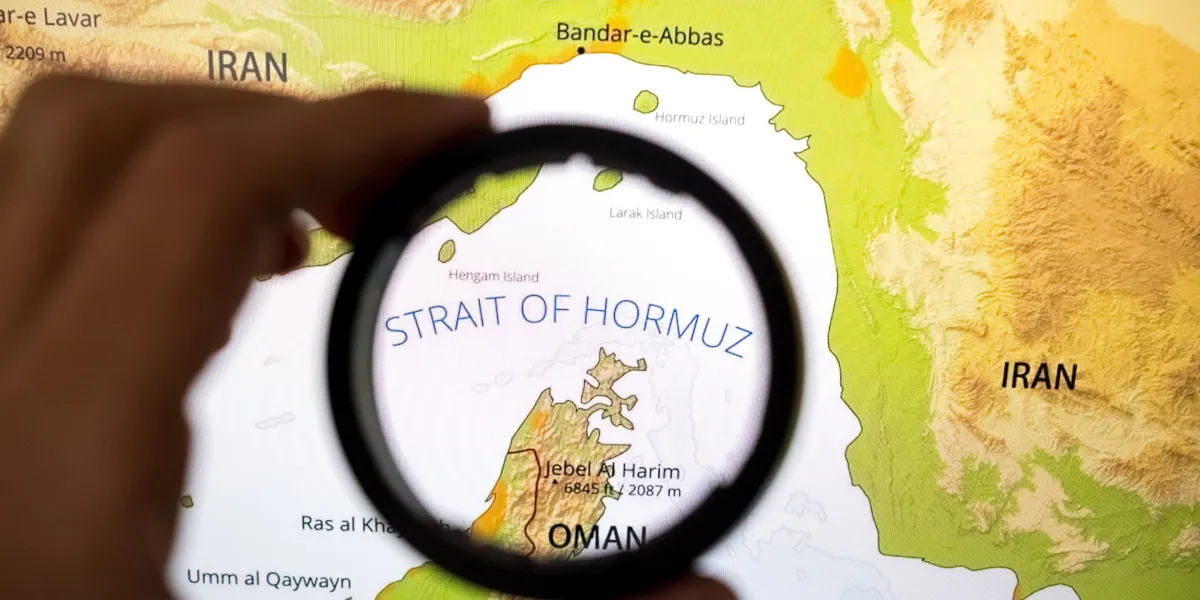
Before the war in Iran, roughly 15 million barrels of Persian Gulf oil were shipped each day through the Strait of Hormuz. Within a few years, much of that oil could bypass the strait.As Iran's chokehold on the strait drags on and oil prices surge — to over $100 per barrel for Brent Crude on Thursday — countries across the Gulf are planning to spend billions of dollars building pipelines to enable them to redirect more supplies to ports along the Red Sea and the Gulf of Oman.At least seven major pipeline projects are under construction, in the planning stage or being discussed as possibilities, according to government officials, oil companies and analysts. The war has been a wake-up call for Gulf oil producers, who are determined to become less dependent on a transit point that hugs Iran's coast.
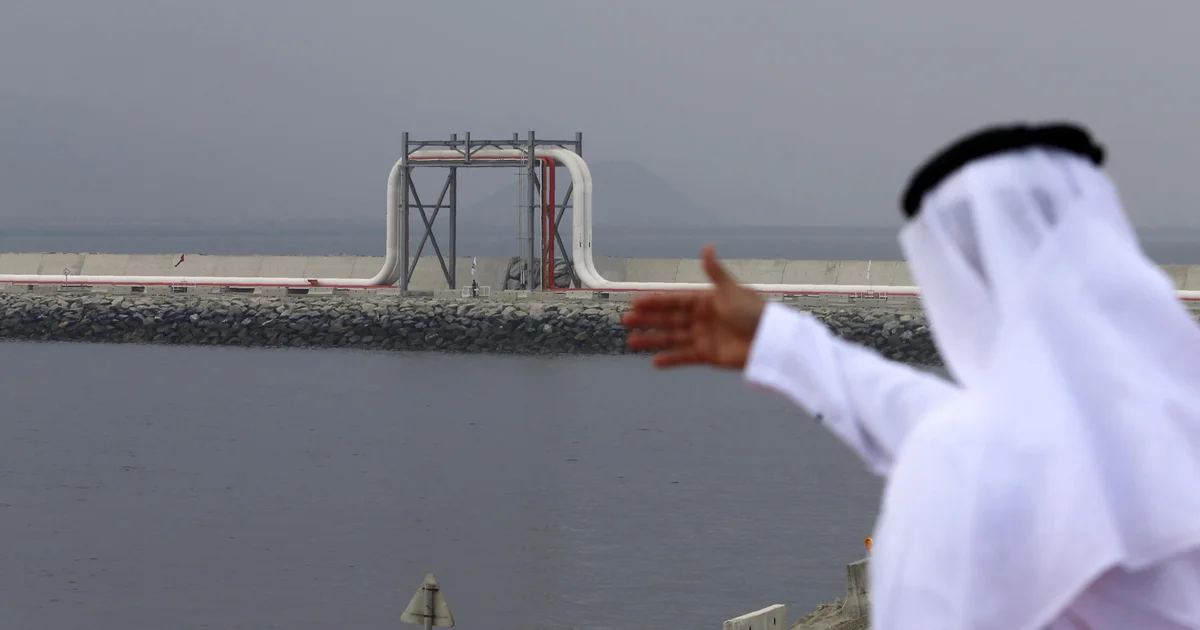
An Emirati man stands in front of a pipeline at the oil terminal of Fujairah during the inauguration ceremony of a dock for supertankers on September 21, 2016.