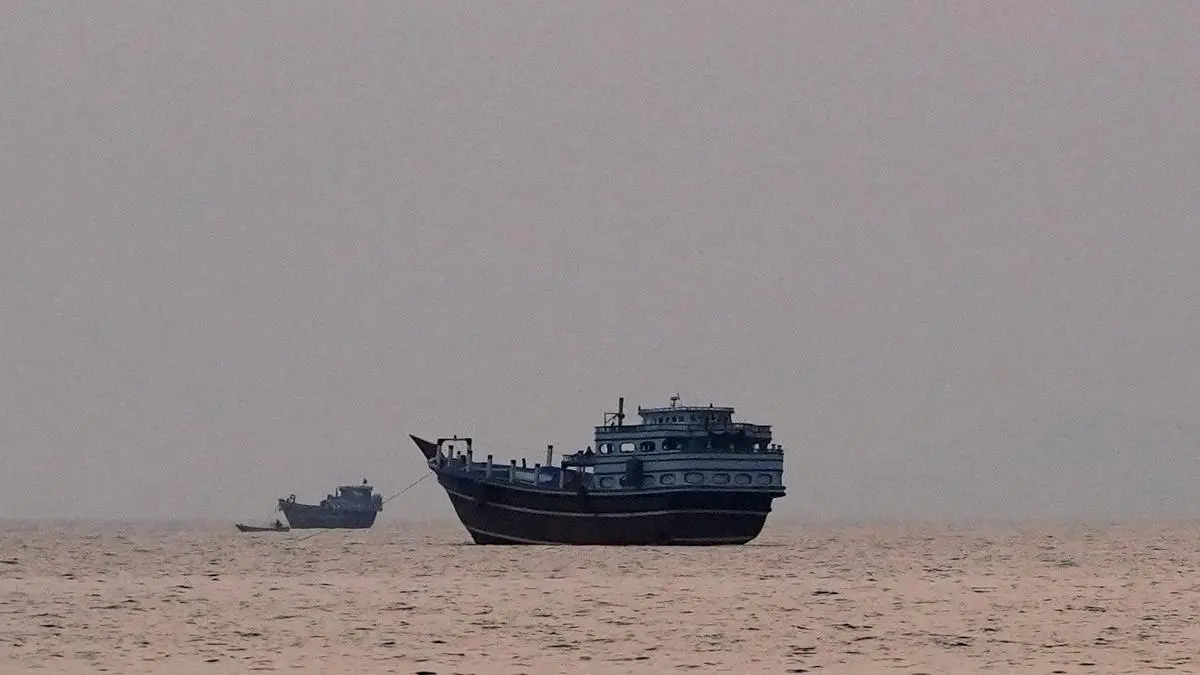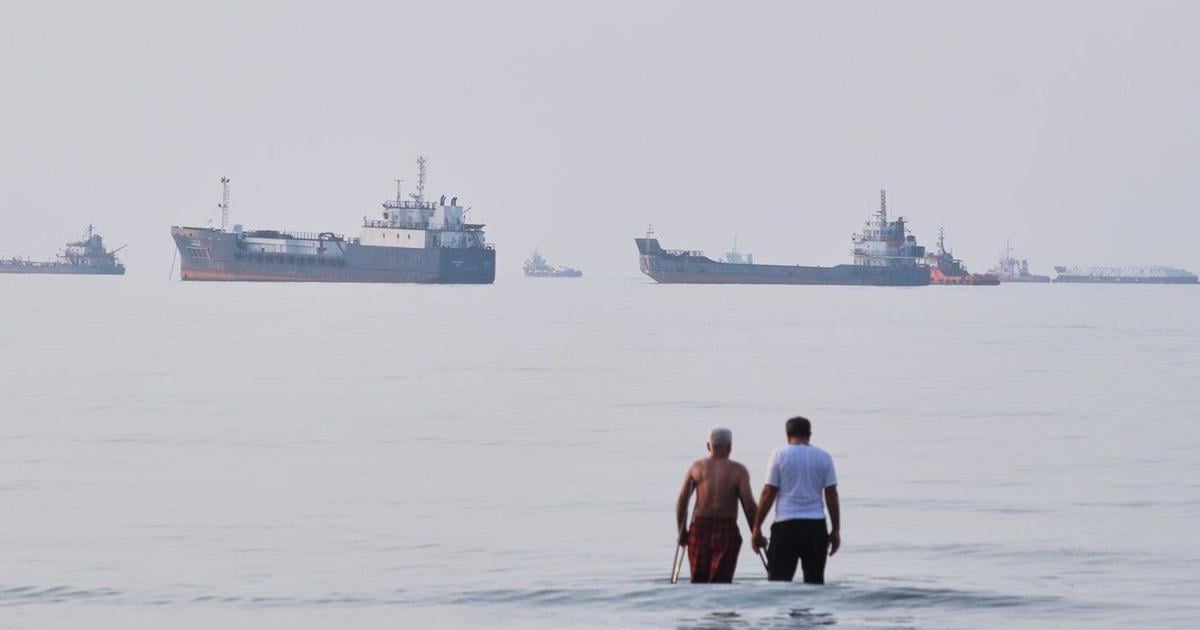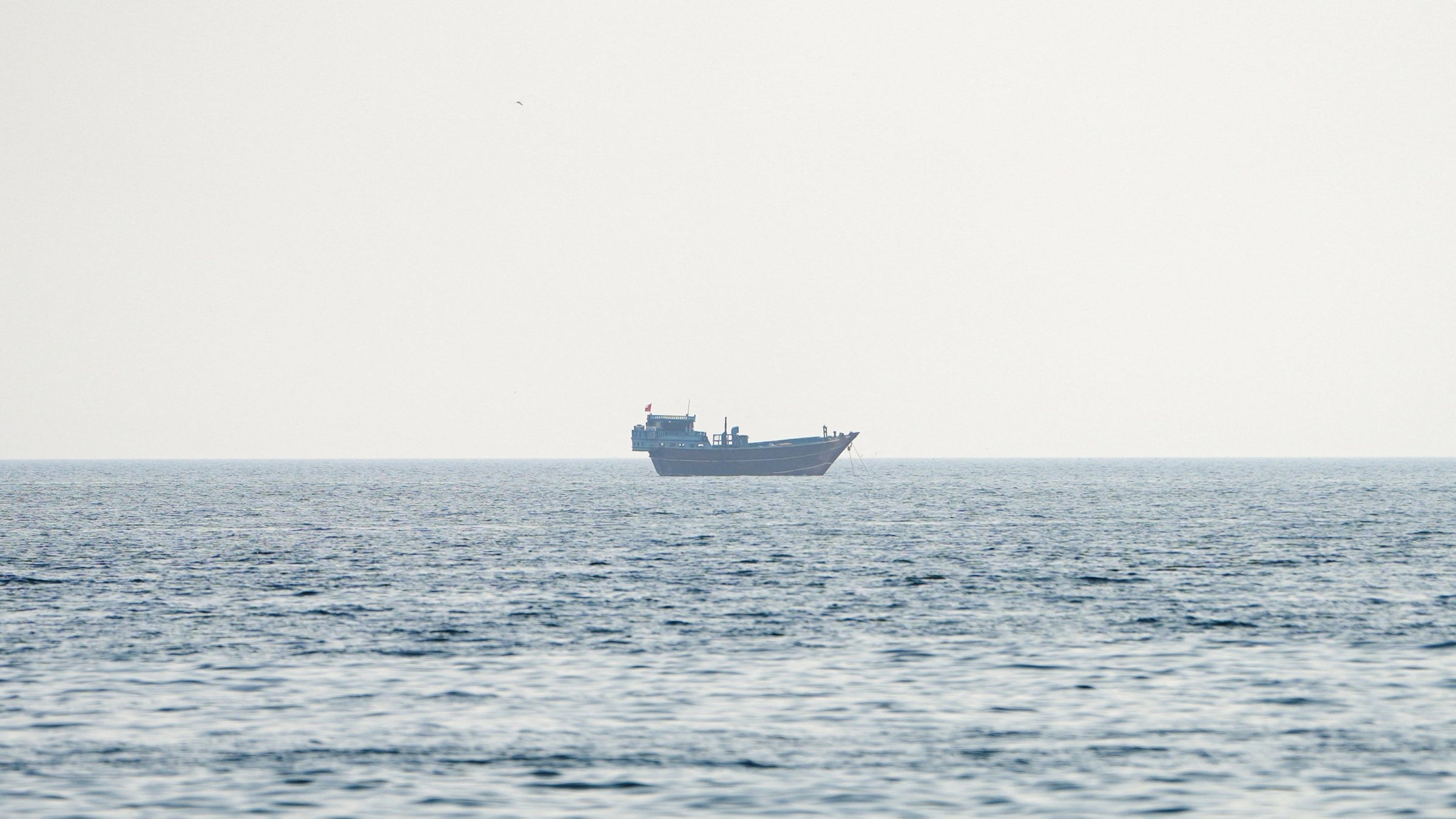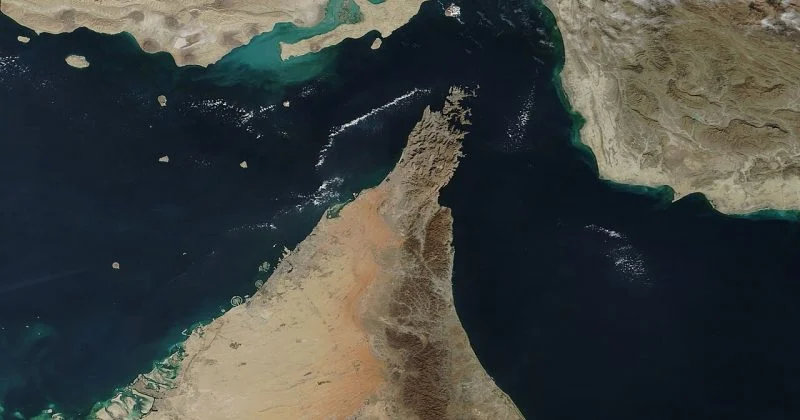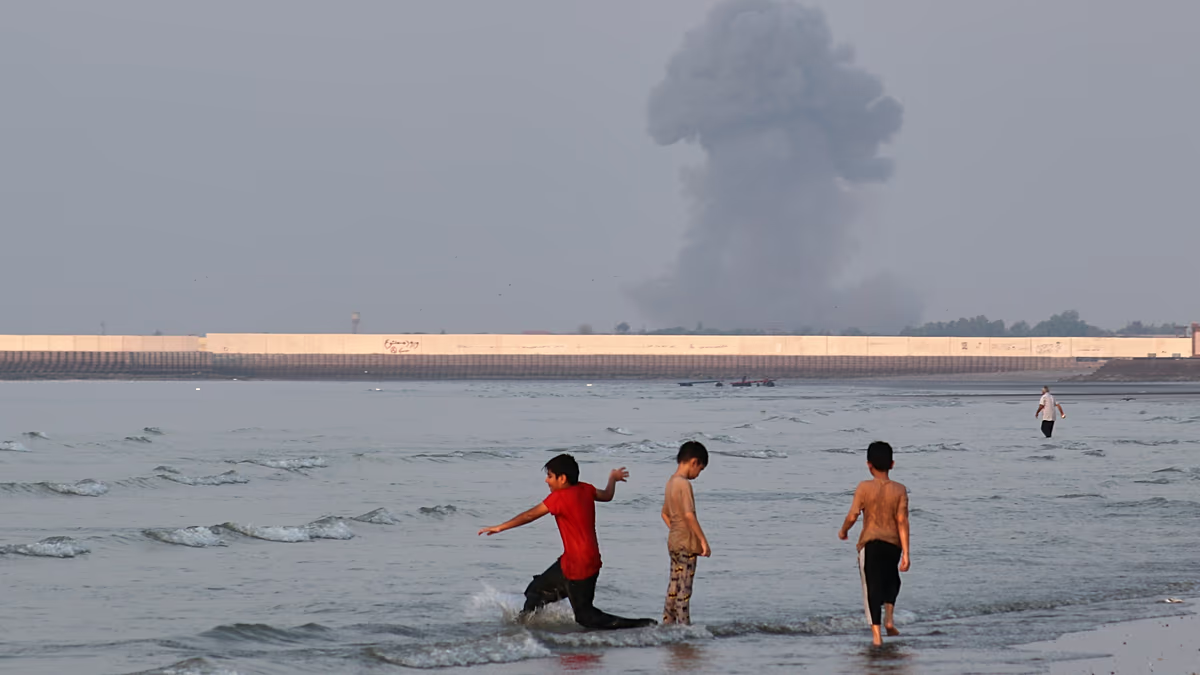
Before the war, roughly 15 million barrels of Gulf oil passed through the Strait of Hormuz every day, as roughly a fifth of the world's traded oil moved through the maritime chokepoint in peacetime.
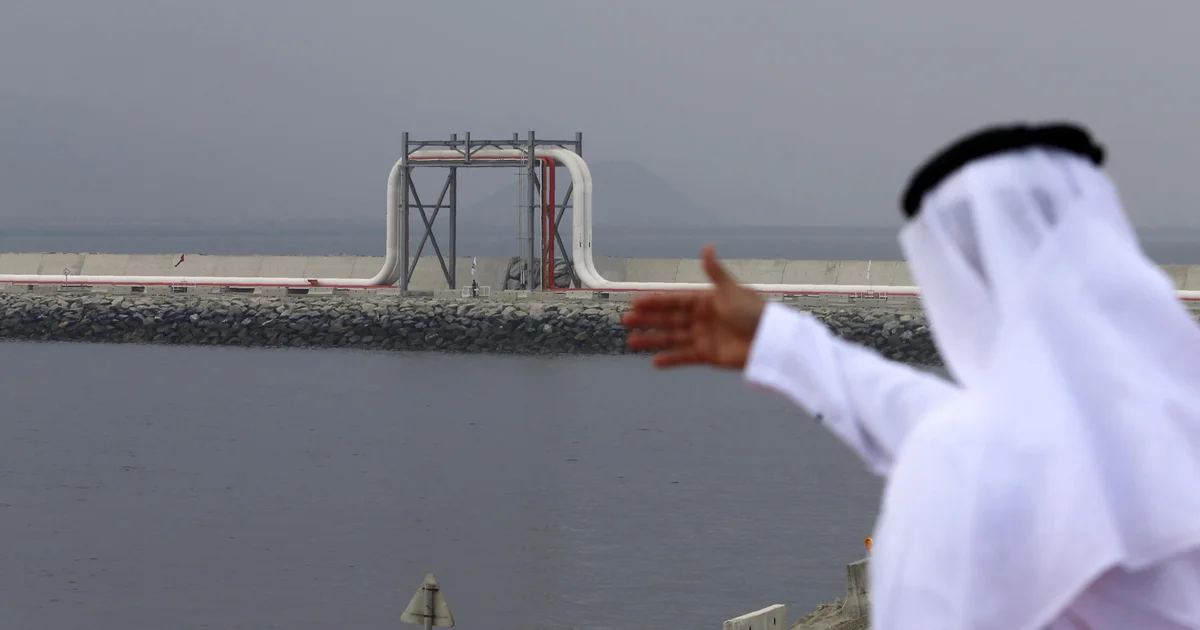
With the channel still largely closed and prices elevated, at least seven major pipeline projects are now under construction, in planning or under discussion to push supplies out through the Red Sea, the Suez Canal and the Gulf of Oman instead, according to Gulf officials, energy companies and market analysts.
With the Iran war reignited this month, Brent crude hit $100 a barrel for the first time since May on Thursday, well above the roughly $72 it fetched after June's short-lived truce, and the US benchmark WTI has also risen to above $90 a barrel.
Depending so heavily on the Strait of Hormuz "is no longer a prudent long-term strategy," said Victoria Grabenwöger, a senior researcher at the data firm Kpler.
Two escape valves already exist, and both are close to their limits.