Get the latest news and updates from Dawn
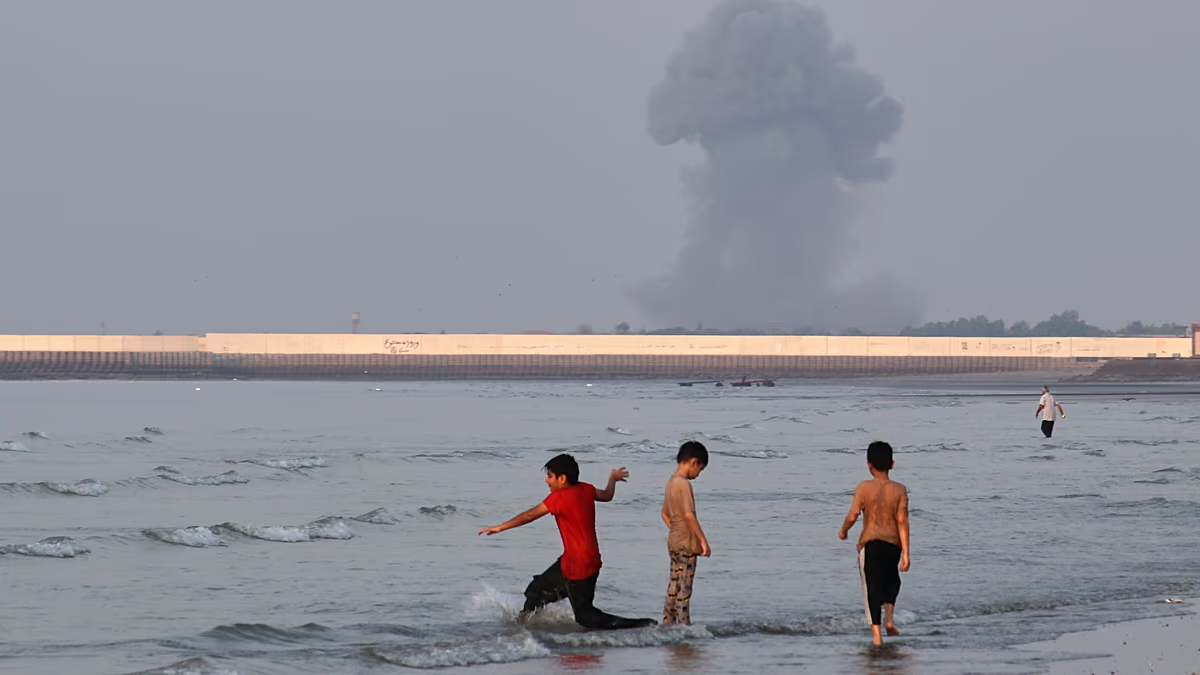
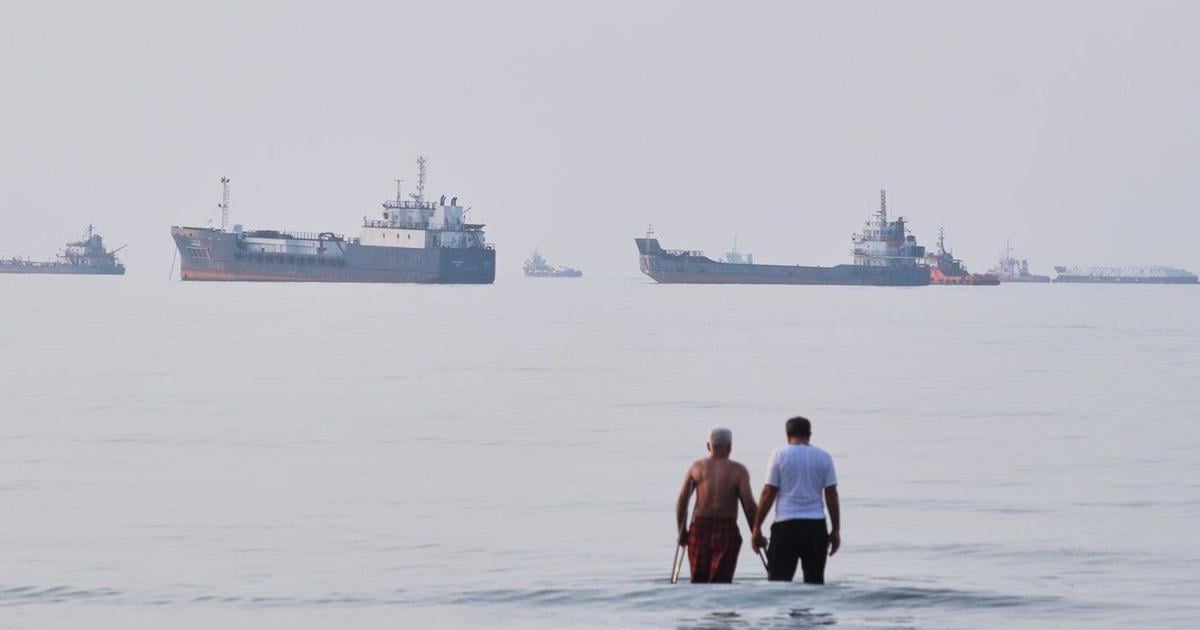
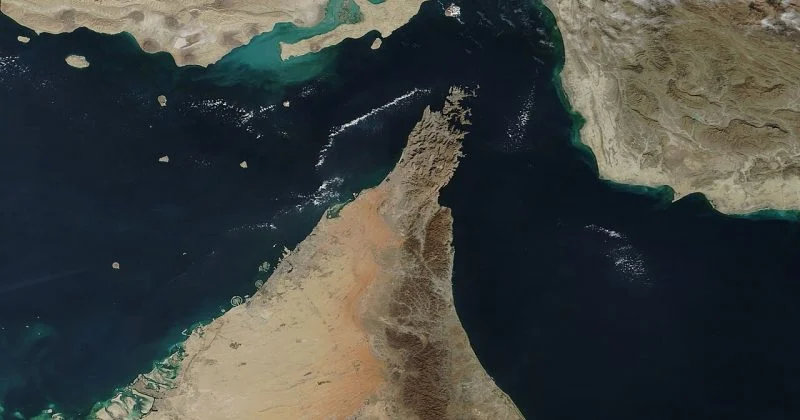
The battle for Hormuz, the growing possibility of greater Iranian influence on the critical passageway, question marks about the reliability and security of crude supplies from the Middle East, and the subsequent quest to divert oil shipments away from the crucial shipping chokepoint are reshaping global energy flows.
Efforts are underway to decouple and desensitise global crude markets to events in the Strait of Hormuz. Several new pipelines projected to carry oil from the Middle East to markets bypassing the strait are on the drawing board.
In a note released a couple of weeks ago, analysts at Goldman Sachs estimated that seven new pipelines are currently under discussion in the oil-rich Middle East. Once operational, possibly by the end of 2028, these pipelines could carry roughly 14 million barrels per day (bpd). This is about 60 per cent of the oil that was being shipped through the strait, Goldman estimated. Before the war, roughly 23m bpd were passing through the Strait of Hormuz.
Efforts to bypass Hormuz are on. The blockage of the Strait has impacted crude exports from Saudi Arabia. With Hormuz becoming a no-go area, Saudi Arabia was forced to use its East-West pipeline to carry crude to Yanbu port on the Red Sea coast to reach its markets.