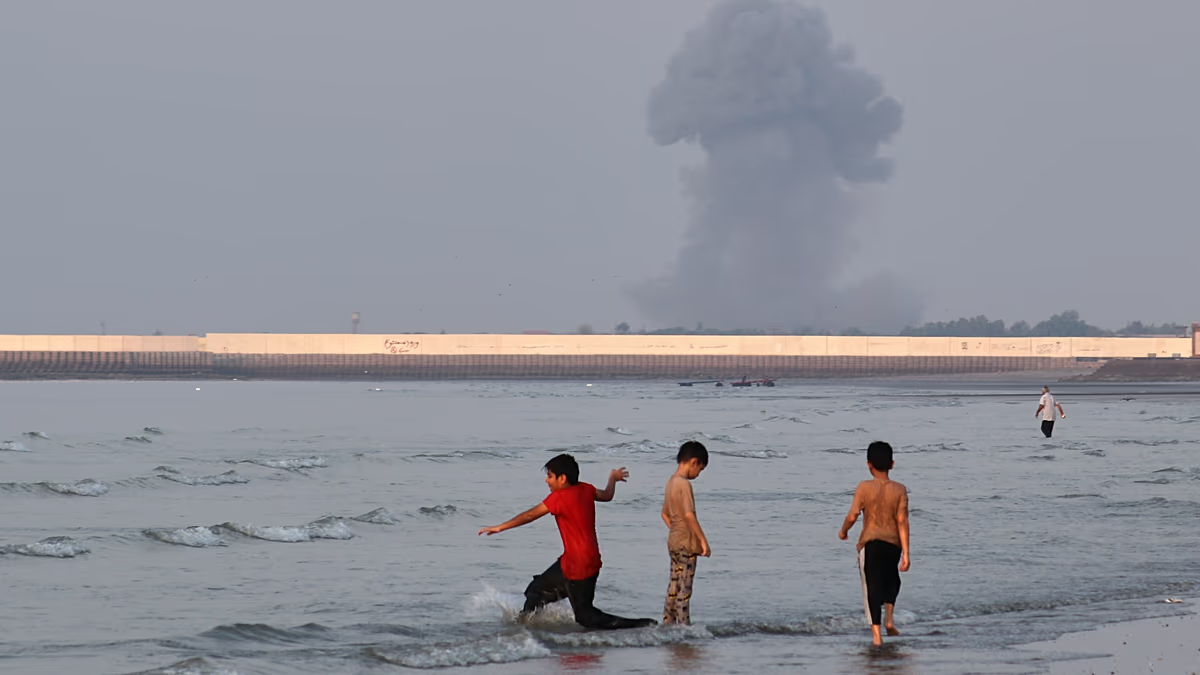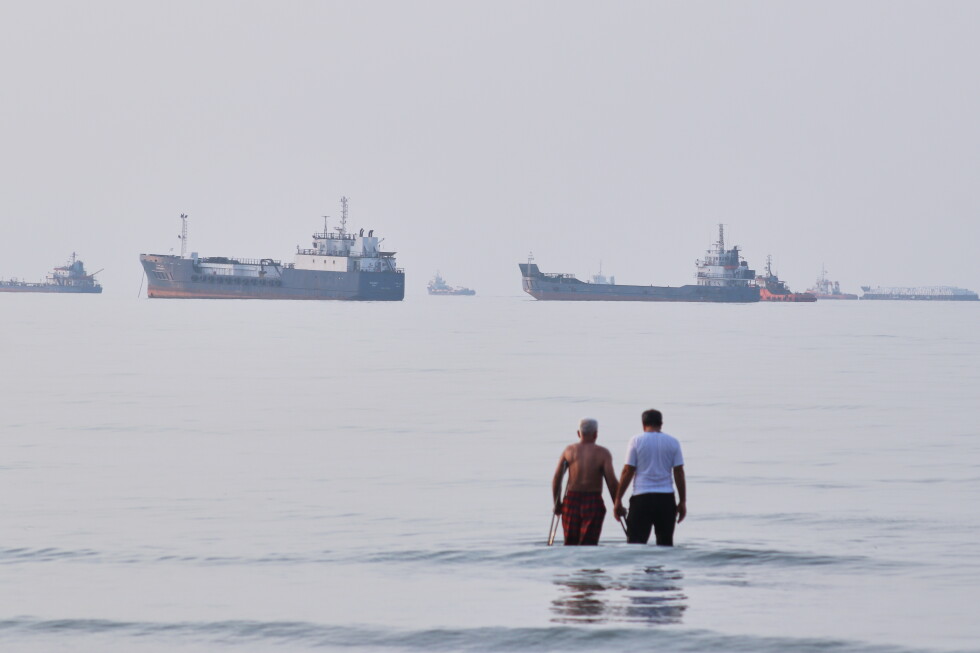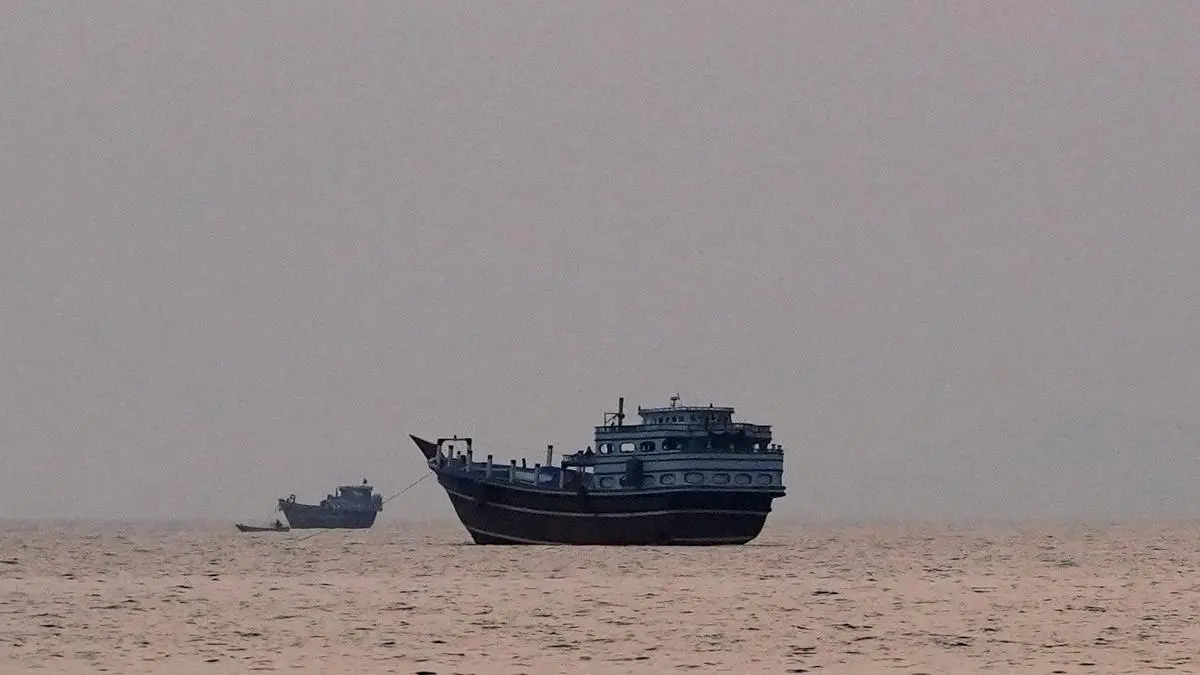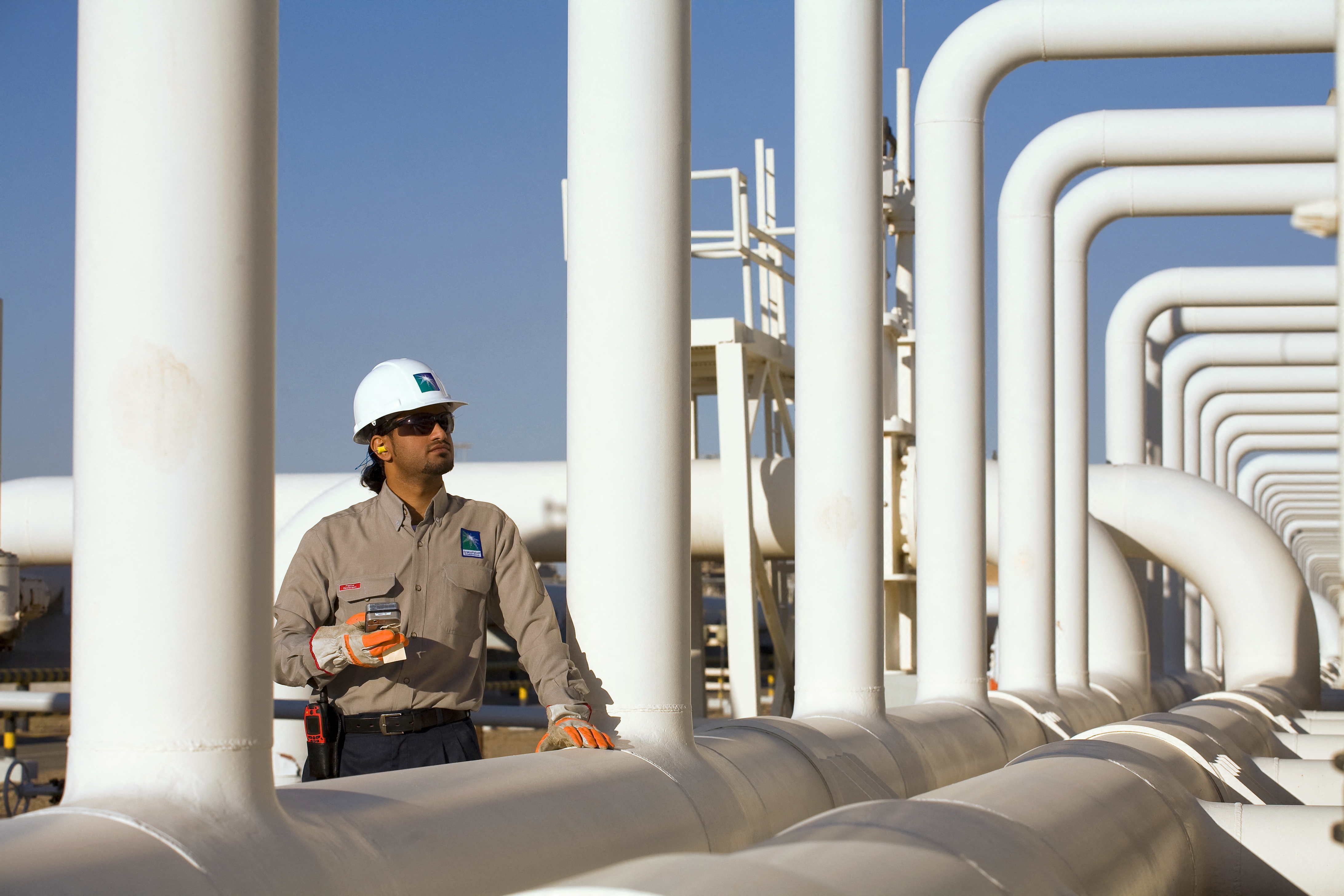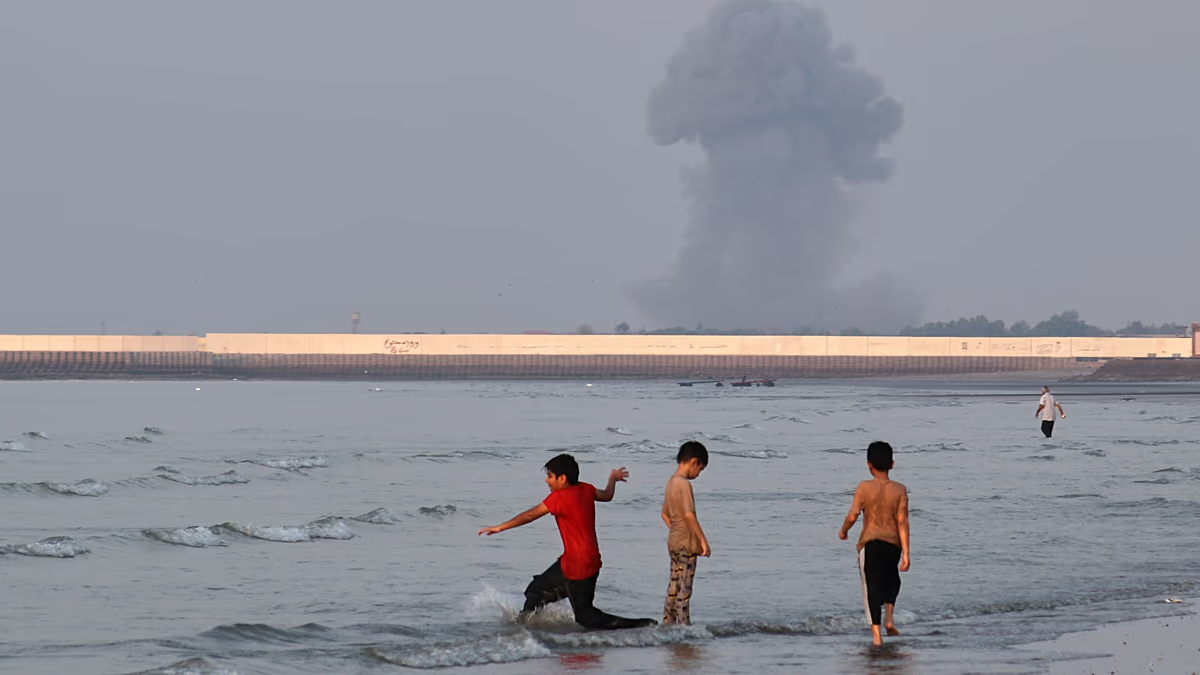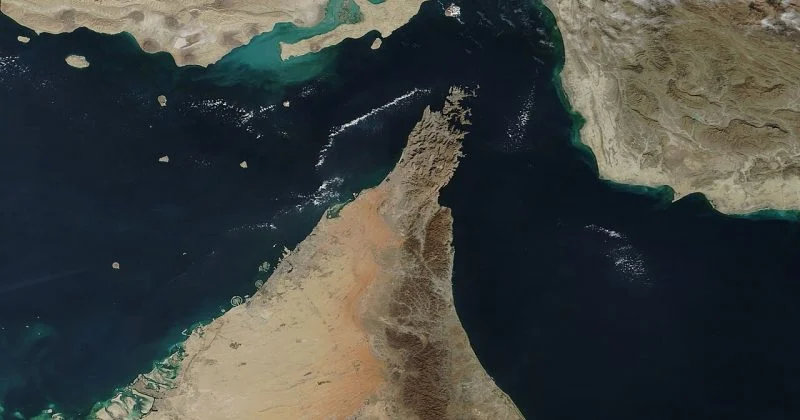
Before the Iran war, around 15 million barrels of Persian Gulf oil passed through the Strait of Hormuz every day, making the narrow waterway one of the world's most critical energy chokepoints.
Now, Gulf oil producers are accelerating plans to reduce their dependence on the route, a shift that could place Africa's Red Sea coastline —touching countries like Egypt, Sudan, Eritrea, and Djibouti—at the heart of a new global energy map.
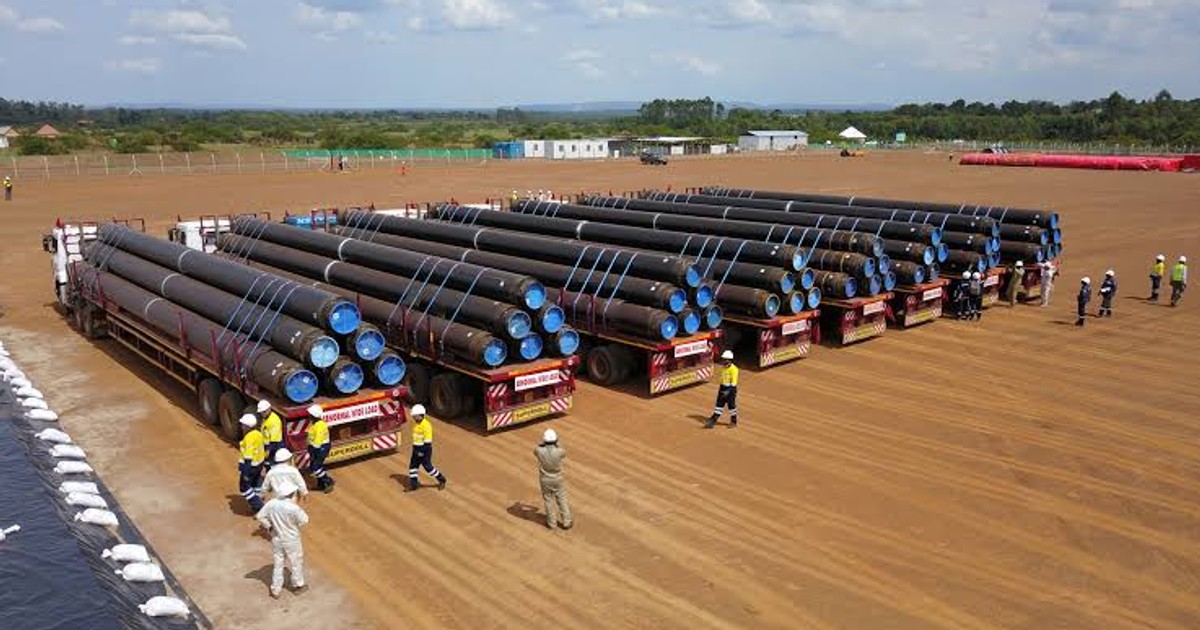
Governments and energy companies across the Gulf are pursuing at least seven major pipeline projects that are either under construction, in advanced planning or under discussion.
The projects are designed to reroute crude oil to export terminals on the Red Sea, Gulf of Oman and the Mediterranean, bypassing the Strait of Hormuz, where tensions with Iran have repeatedly disrupted shipping.
Africa's Red Sea corridor gains strategic importance