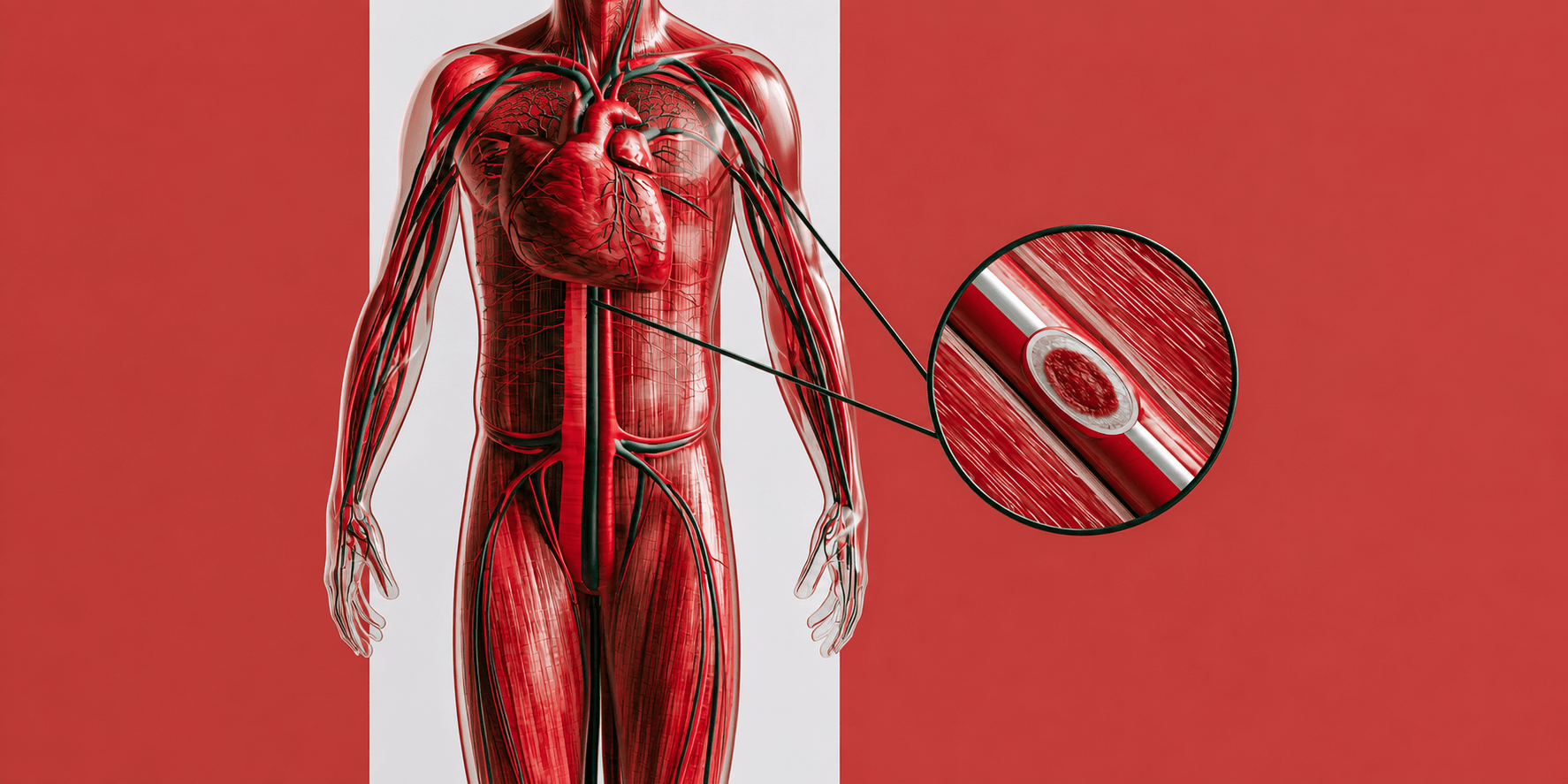
Plaque can build up inside the arteries, taking the form of fatty deposits that can potentially restrict blood flow.
We all know about plaque from dreaded trips to the dentist. But plaque can also build up inside the arteries, taking the form of fatty deposits that can potentially restrict blood flow. Some deposits remain stable for years, while others accumulate and increase the likelihood of rupture. When this happens, a blood clot can cause a heart attack or stroke by blocking blood flow to the heart or the brain.
Helping physicians to distinguish dangerous, unstable plaque is the goal of a research project led by Hangbo Zhao, assistant professor of aerospace and mechanical engineering and biomedical engineering at the USC Viterbi School of Engineering. His work has earned a National Institutes of Health (NIH) Trailblazer Award from the National Institute of Biomedical Imaging and Bioengineering (NIBIB), which supports new and early-stage investigators who combine engineering, the physical sciences and the life sciences to tackle important biomedical challenges.
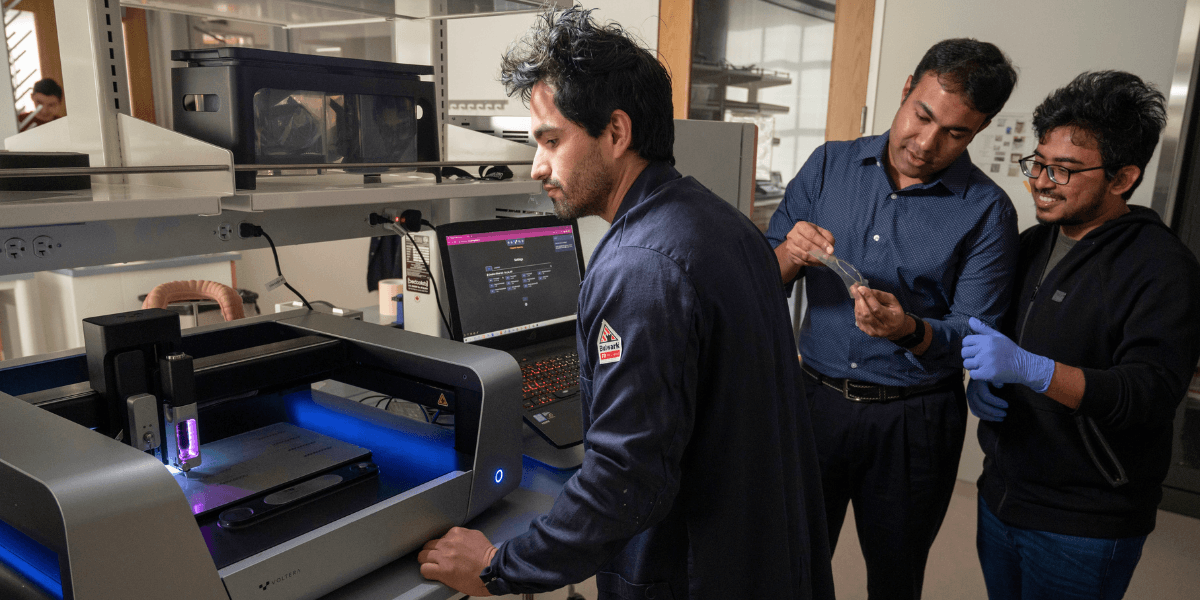
Hangbo Zhao, assistant professor of aerospace and mechanical engineering and biomedical engineering
Zhao’s project, “High-Resolution 3D Electrical Impedance Mapping of Metabolically Active Plaques Using Multilayered Stretchable Liquid Metal Electronics,” uses electrical measurements to reveal features of arterial plaque that conventional imaging isn’t able to capture. “Rather than replacing existing imaging technologies, the catheter is designed to provide physicians with additional information about plaque composition and metabolic activity,” Zhao explained.