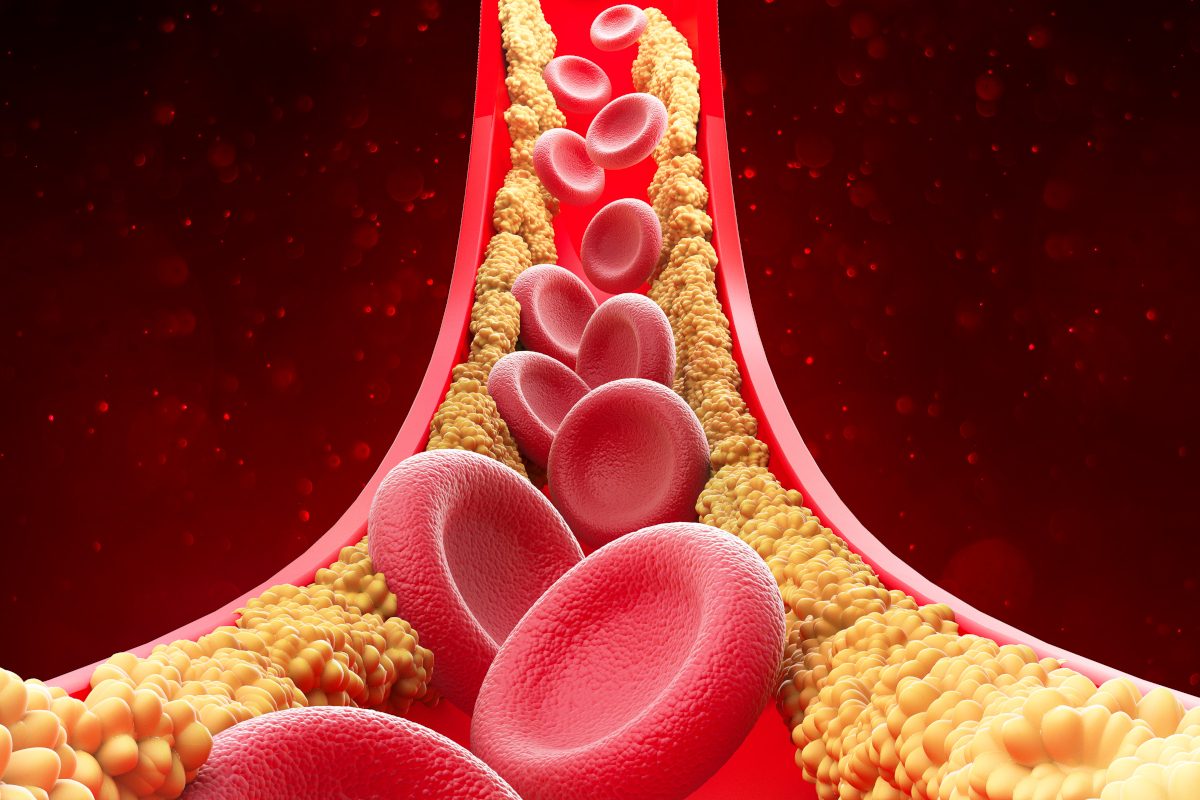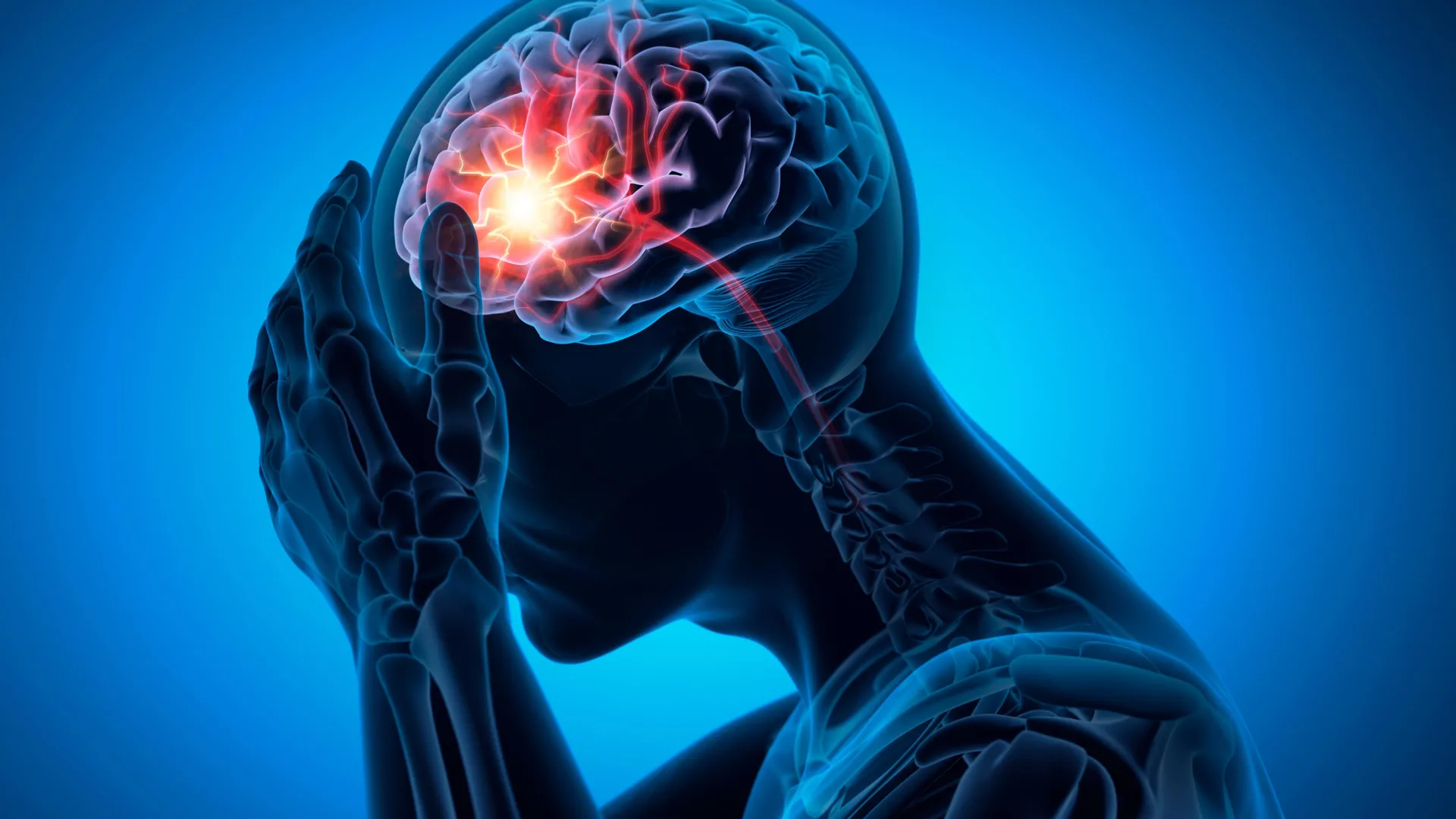
Atherosclerosis is the development of fatty plaques that narrow blood vessels and eventually rupture to cause a stroke or heart attack, the most common cause of human mortality. Atherosclerotic plaque is a consequence of a runaway process of failure in the behavior of cells responsible for clearing excess cholesterol from blood vessel walls. Cholesterol is needed by every cell in the body, but largely only manufactured in the liver. A complex system of transport particles moves cholesterol to and from the liver via the bloodstream. Macrophages in the blood vessel walls clean up excess cholesterol and move it back into the bloodstream, but as aging progresses these macrophages become ever more vulnerable to being overwhelmed by localized cholesterol excess. Eventually, a plaque forms as an area of inflammation and toxic cholesterol and cholesterol derivatives, drawing in macrophages to be killed, adding their mass to the plaque.
As you may know, I founded Repair Biotechnologies with Bill Cherman back in 2018 that has since been developing a means to regress atherosclerotic plaque. The biggest challenge for present cardiovascular medicine is that the primary strategy of lowering circulating LDL cholesterol via lifestyle, statins, PCSK9 inhibition, and other more recently developed methods only slows plaque growth and very slowly over years somewhat stabilizes the most unstable plaques. It does not produce sizable or reliable regression of plaque, and this is why atherosclerosis remains the single largest cause of human mortality: 27% of all deaths are via heart attack and stroke, and other varieties of cardiovascular disease caused by obstructive plaque may contribute meaningfully to the demise of another 10-15% of our species. Here I'll point out a recent interview and update on our progress and explanation of our lead drug and how it works.