Scientists have uncovered evidence that could change how doctors think about a common form of stroke and why standard preventive treatments often fail.
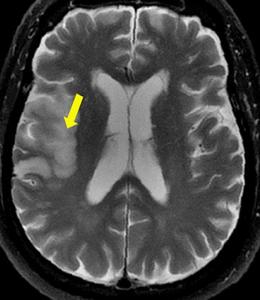
New research suggests that lacunar ischemic stroke is not primarily caused by fatty plaque building up inside arteries, as many have assumed. Instead, the strongest link appears to be with changes in the brain's blood vessels themselves, specifically the enlargement and widening of arteries.
The findings may help explain why commonly prescribed stroke prevention medications such as aspirin and other antiplatelet drugs have had limited success in preventing this type of stroke.
Researchers say the results are already helping guide new treatment strategies, including the LACunar Intervention Trial 3 (LACI-3), which is evaluating drugs designed to protect and support the brain's smallest blood vessels.
Brain Small Vessel Disease and Stroke Risk