For years, the story of heart health has been framed as a battle between good and bad.
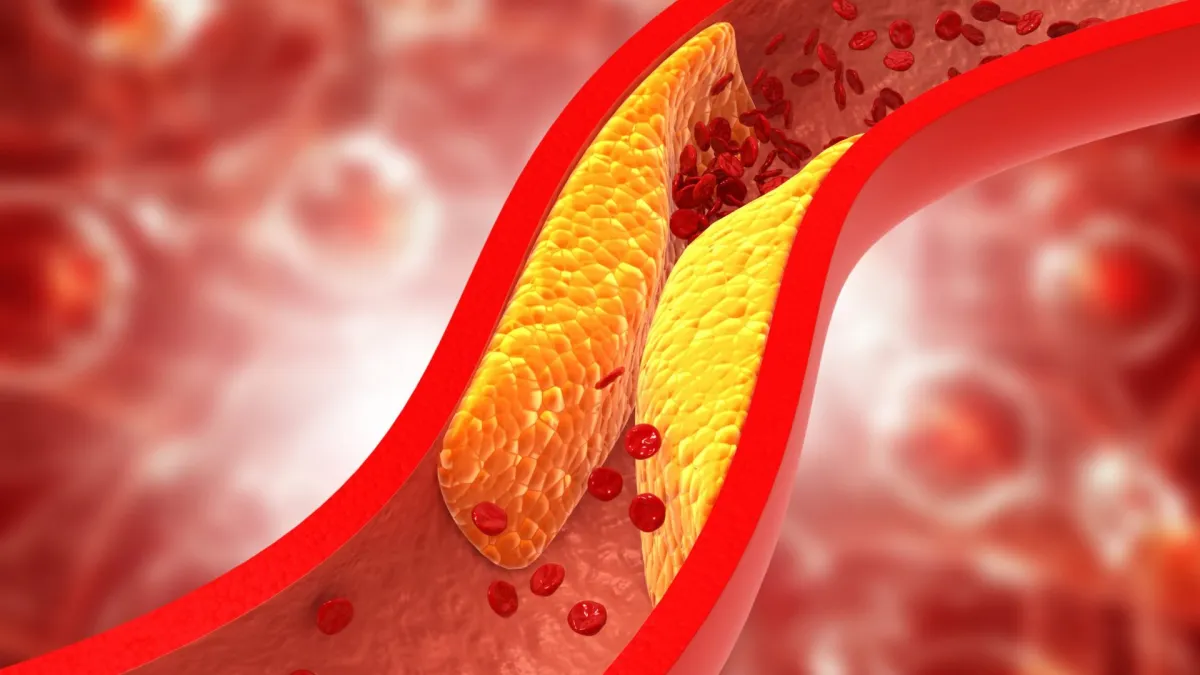
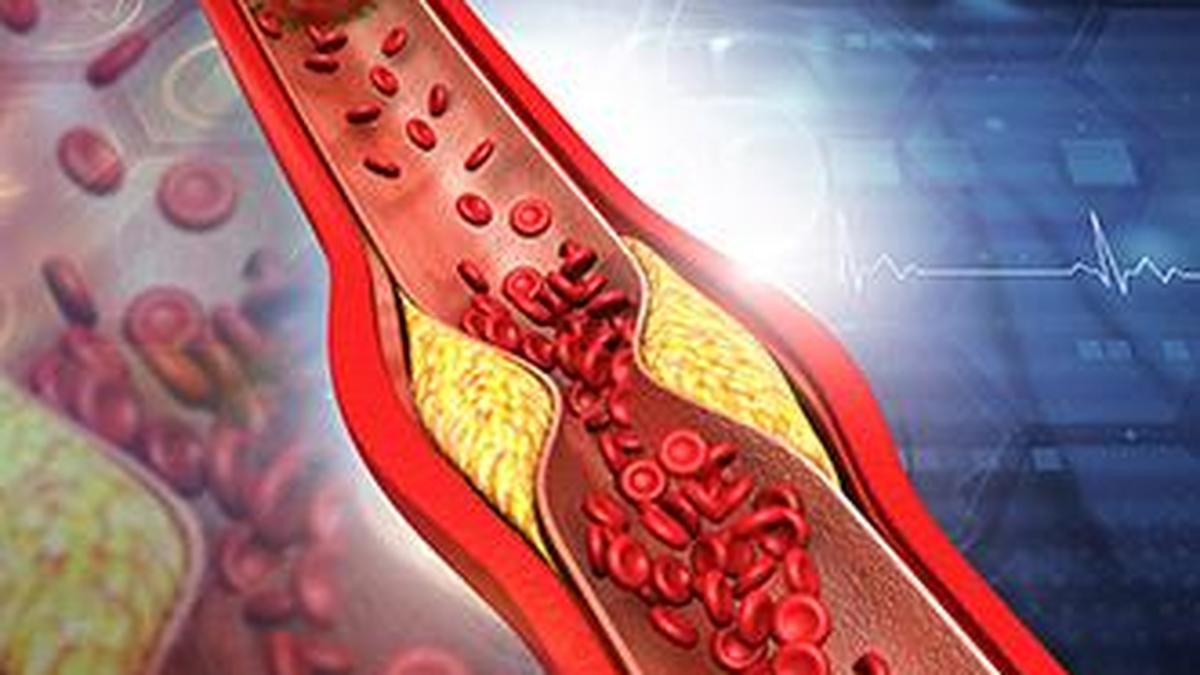
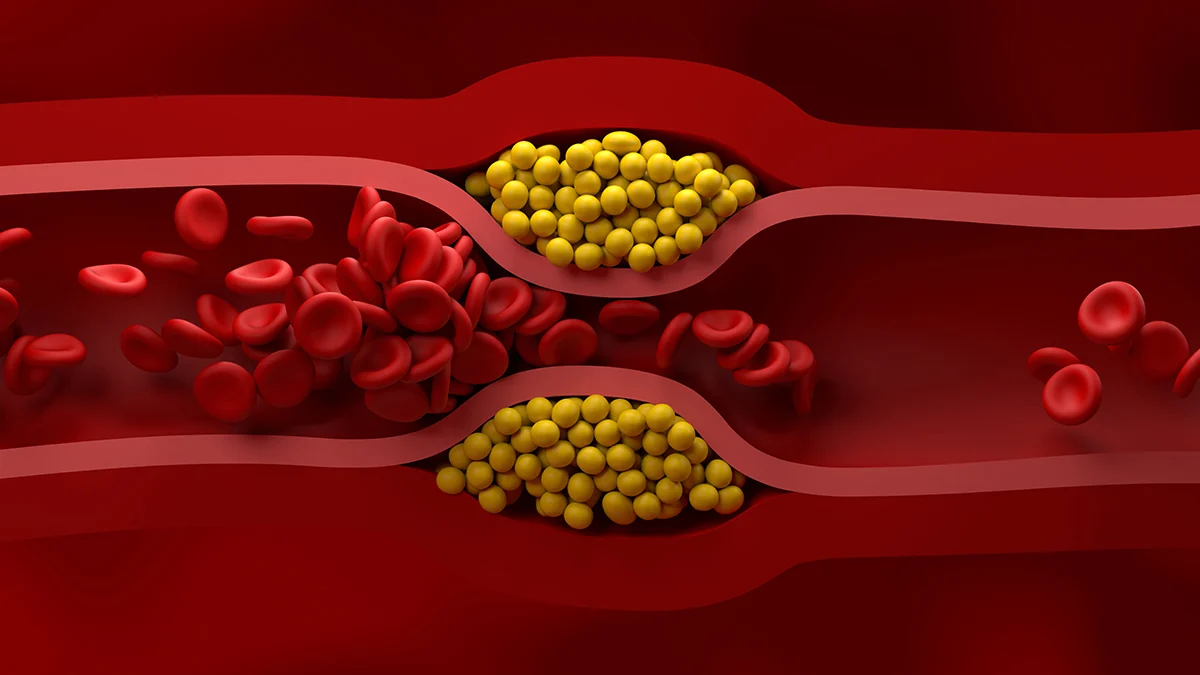
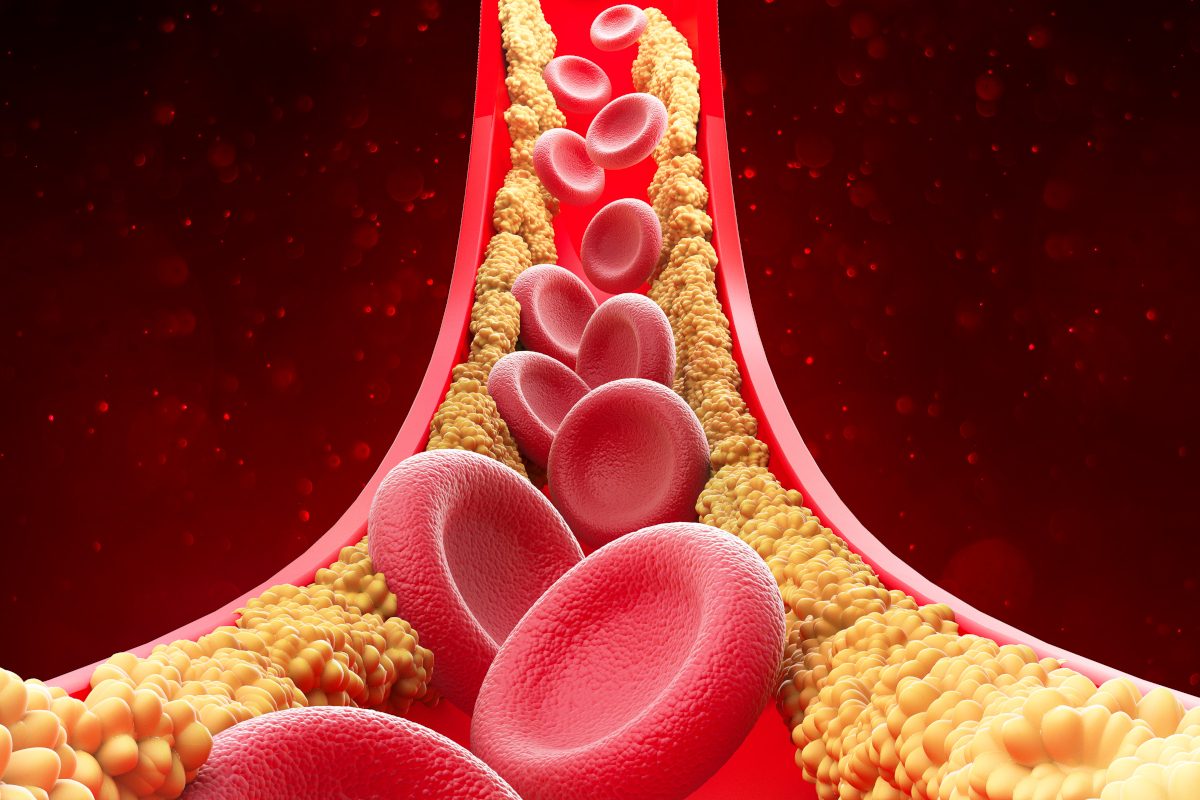
In one corner: HDL (high-density lipoprotein), the heroic ‘good’ cholesterol that helps clear your arteries and keep things flowing. In the other: LDL (low-density lipoprotein), the so-called ‘bad’ cholesterol that builds up in your blood vessels and quietly raises your risk of heart disease.
It’s a neat, simple narrative. And for decades, it’s produced one clear instruction from doctors the world over: keep your LDL low, and you’re on the right track.
There’s just one problem. It turns out the story has a third character: a little-known, rarely tested type of cholesterol that can account for around a third of your total levels – and one that even statins, the most widely prescribed cholesterol-lowering drug in the world, are significantly less effective at tackling.
It’s called remnant cholesterol. And experts now think it could be the most dangerous type of the three.