Most people know about “good” and “bad” cholesterol. But few realise there is another type called lipoprotein(a). It can raise the risk of heart attacks and strokes, even in people who do everything right.
This lesser-known cholesterol particle, often written as Lp(a), is gaining increasing attention from researchers and drug companies.
Lp(a) isn’t included in routine cholesterol tests and there’s currently little we can do about it. That may now be changing.
What is lipoprotein(a)?
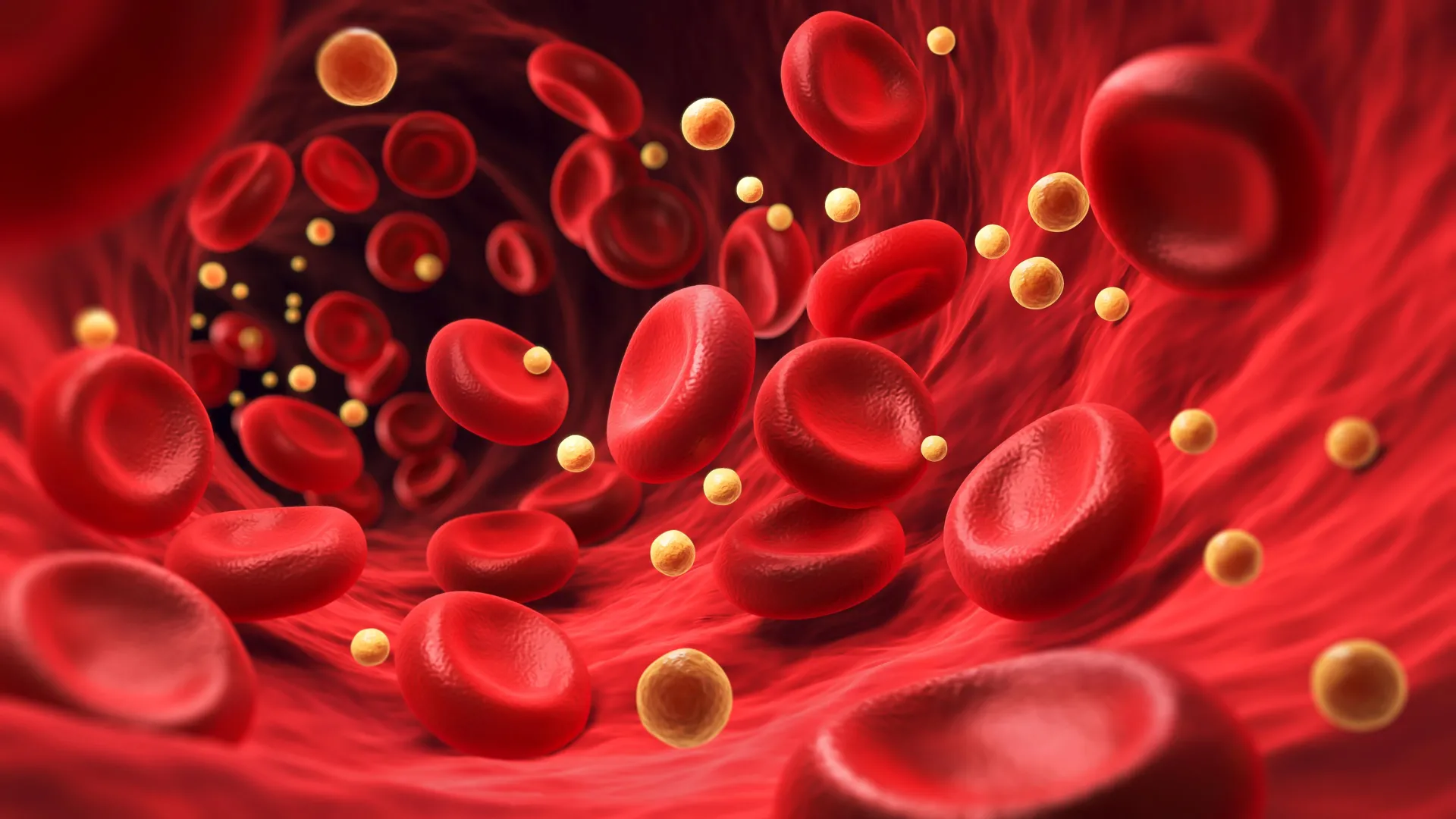
Lipoprotein(a) is a cholesterol that carries lipoprotein – particles made of fats and proteins – in your blood. It’s structurally similar to LDL (low-density lipoprotein, or “bad” cholesterol), but with an additional protein attached called apolipoprotein(a).