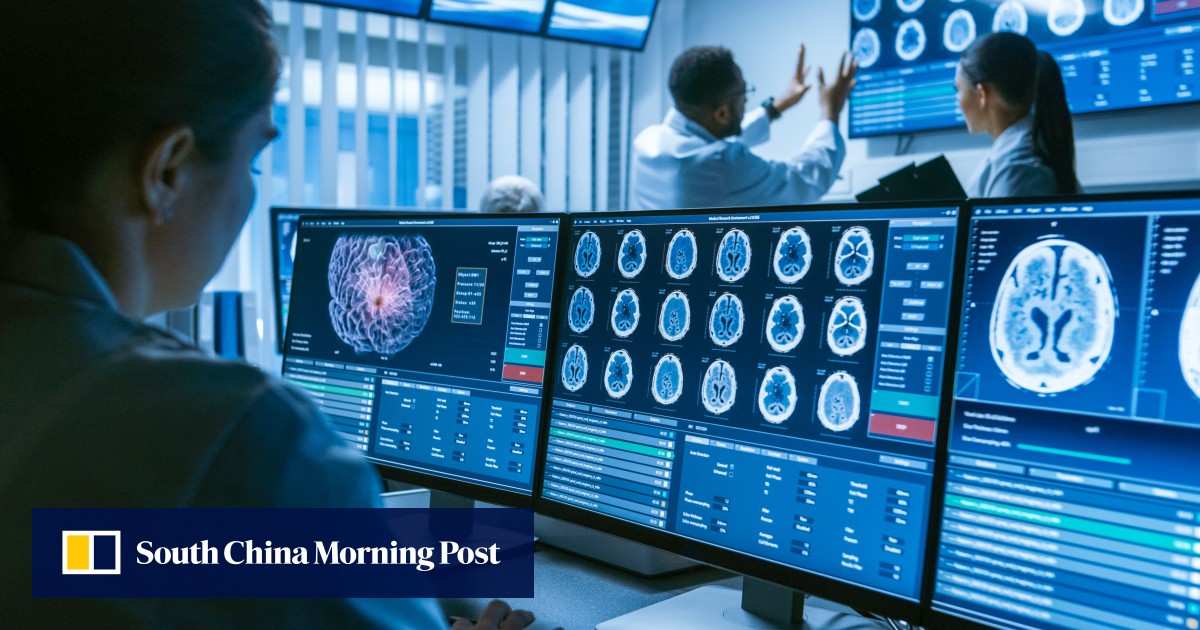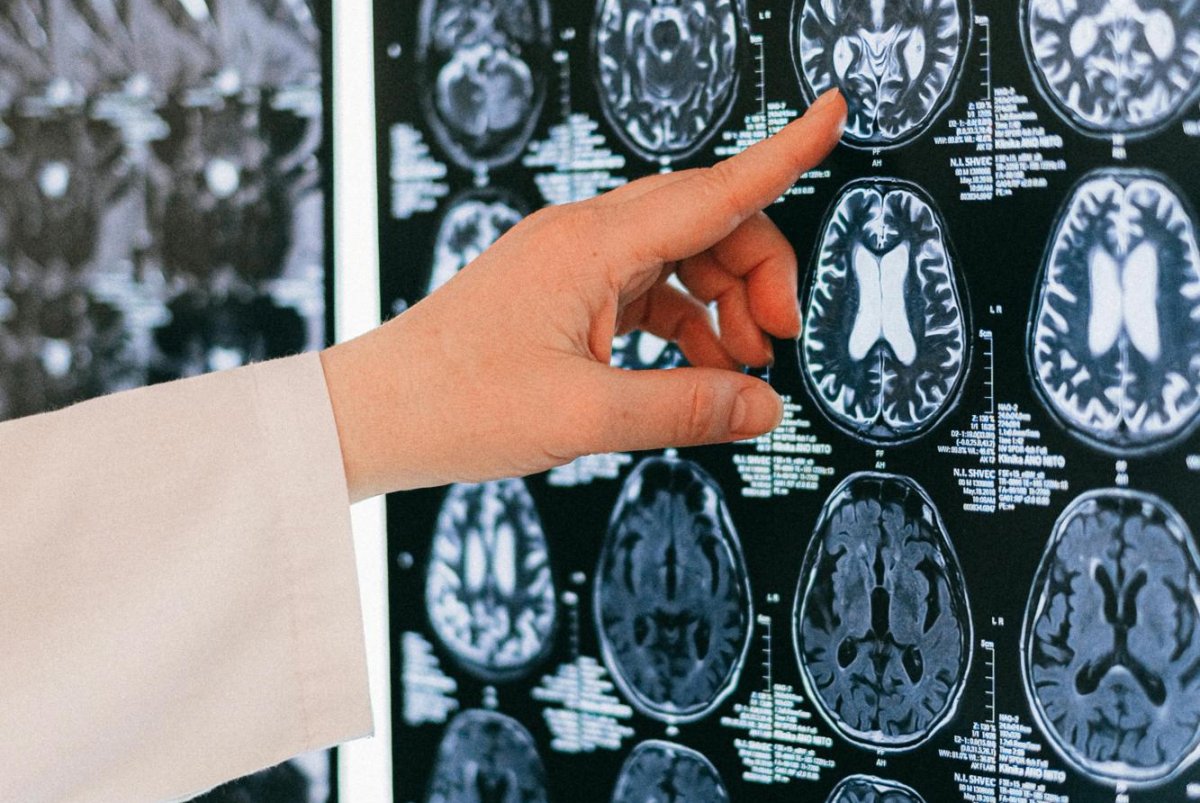
NeuroChron converts brain MRIs into predictive biomarkers by estimating brain age and identifying patterns of accelerated aging
Memory loss and cognitive decline appear after years of gradual change in the brain; at that stage, treatment can slow progression, but it cannot reverse the damage or halt ongoing decline. The challenge facing clinicians and researchers is as much about timing as treatment: how to identify risk early enough to make a significant intervention.
That’s the shared mission of Gerson Estrada, Nicholas Kim, Nicole Popenko and Ishaani Pradeep – a group of seniors at USC Viterbi’s Alfred E. Mann Department of Biomedical Engineering (BME). When the students were tasked with designing and building a biomedical prototype for their senior design project, they used the opportunity to develop a technology that could improve early detection of neurodegenerative disease – a shared interest driven both by research and personal experience with family members.
The outcome was NeuroChron, a platform that converts routine brain MRIs into predictive biomarkers by estimating brain age and identifying patterns of accelerated aging. As the prototype developed, the team soon recognized its broader clinical and commercial potential. After connecting with Reem Khan, a student in the arts, technology, and business of innovation undergraduate program at the USC Iovine and Young Academy (IYA), they decided to take the leap and build a company.