For decades, monitoring cardiovascular health has required some combination of cuffs, sticky electrodes, wearable sensors, and frequent doctor visits. A new experimental system suggests the future of heart monitoring may look less like a hospital, and more like a smart speaker sitting quietly on a shelf at home.
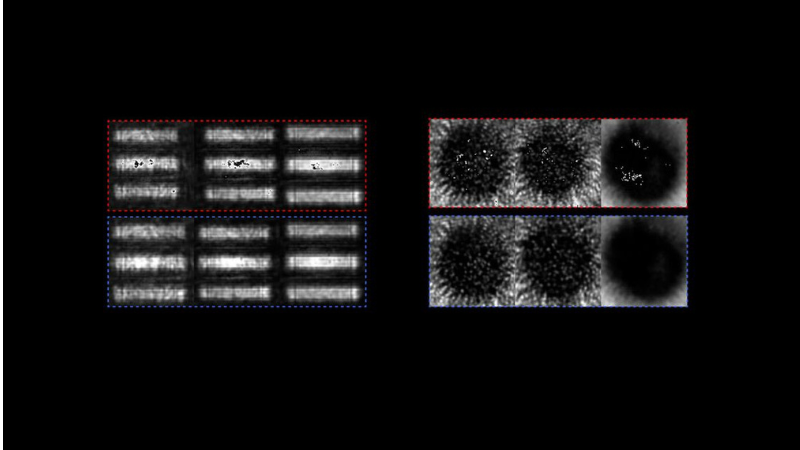
Researchers from Carnegie Mellon University’s College of Engineering have developed an AI-powered millimeter-wave radar platform capable of tracking blood-flow dynamics across the human body without making physical contact. The prototype system, called PolyPulse, uses the same class of radar technology found in autonomous vehicles and consumer electronics to measure subtle bodily movements caused by cardiac activity. The result is a compact device that can estimate pulse transit time, a key marker of arterial stiffness, and even infer diastolic blood pressure remotely.
“The implications are potentially enormous,” says Jiangyifei Zhu, a Ph.D. student in electrical and computer engineering and co-lead author of the paper.
“Cardiovascular disease remains the leading cause of death globally, and many of its warning signs develop gradually over years. By detecting these changes early at home could dramatically improve outcomes.”