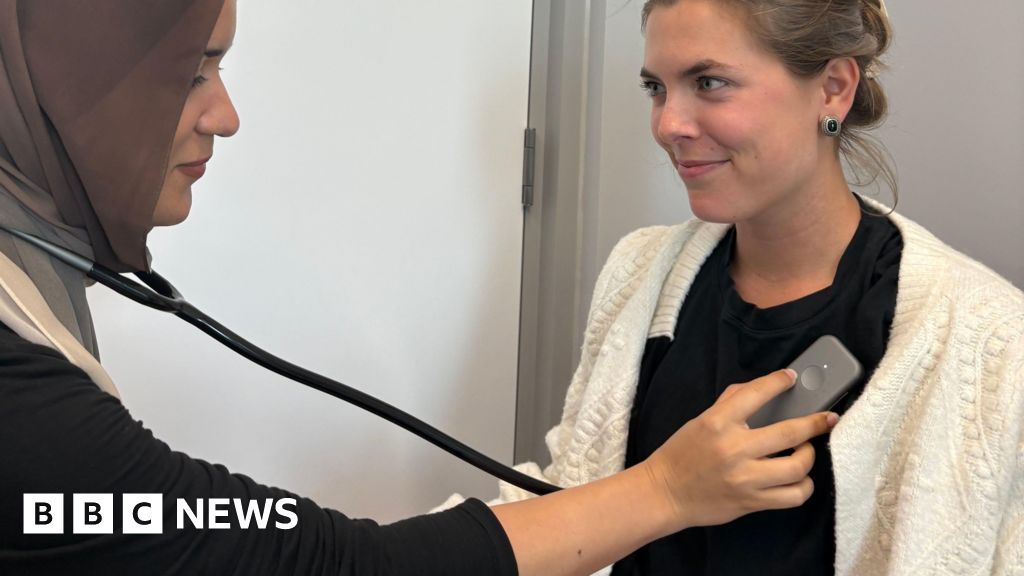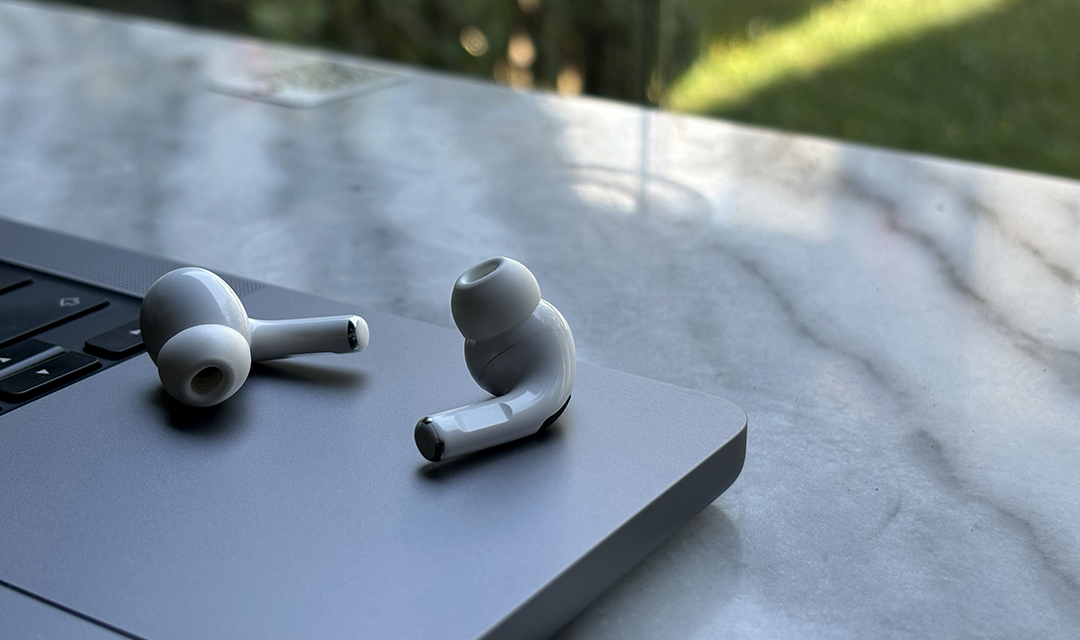
The human heart does more than beat, it vibrates. This hidden language of motion marks the precise opening and closing of valves, the subtle mechanics of life itself. Measuring these micro-cardiac movements requires specialized sensors placed directly on the chest, typically in a medical setting. Carnegie Mellon researchers have now shown that regular earbuds can be transformed into heart-vibration sensors that measure detailed heart valve activity with almost as much accuracy as chest-mounted medical devices.
The researchers repurposed the sensors already engineered into standard hearables by transforming the built-in speaker, the only transducer common to these devices, to act as an acoustic sensor that captures heart sounds at the ear. The system then uses these signals to reconstruct subtle seismocardiography (SCG) and gyrocardiography (GCG) waveforms to extract the timing of key micro-cardiac events.
The team presented their findings at the 2026 Association of Computing Machinery Conference on Human Factors in Computing Systems.
\
“Collecting these signals typically requires a clinical setting in which the patient lies down, removes their shirt, and is instrumented with accelerometers and gyroscopes,” says Justin Chan, assistant professor of electrical and computer engineering and computer science, and who advised the project. “Recordings are typically limited to a few minutes due to time constraints in busy clinics and patient discomfort during prolonged sessions. Our technology removes all of those obstacles and enables micro-cardiac monitoring at home. The secret sauce in our work is measuring the micro-cardiac rhythms with the built-in speaker. Every pair of hearables, from AirPods to Galaxy Buds, even to low-end earbuds you might get for free on an international flight and dispose afterwards, has one thing in common: a speaker.”