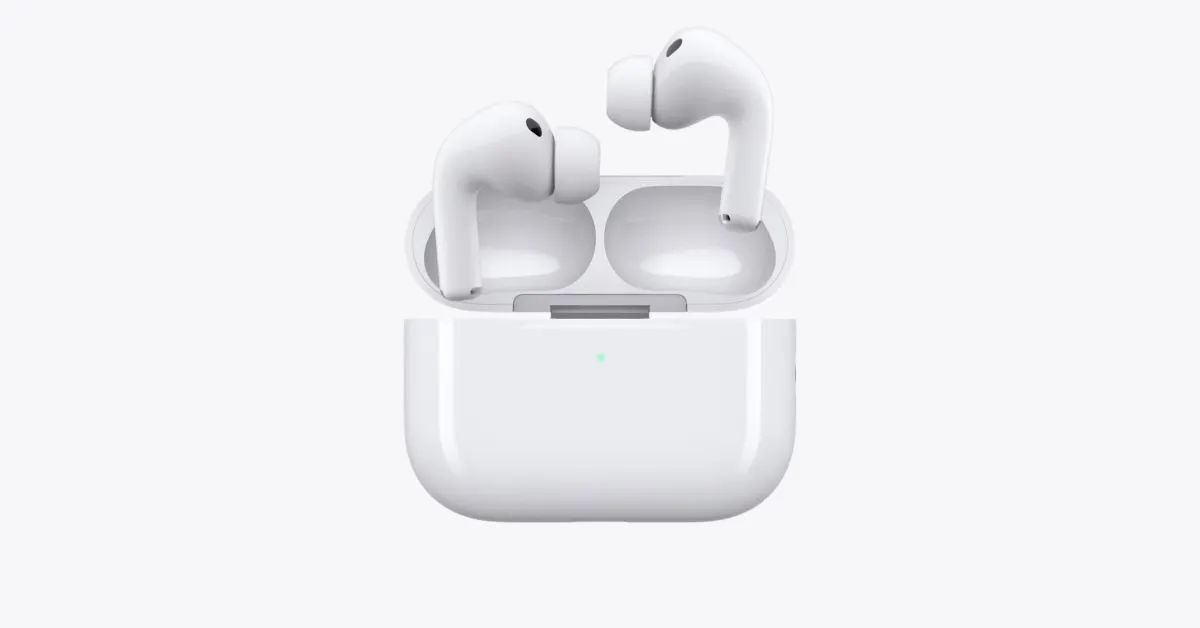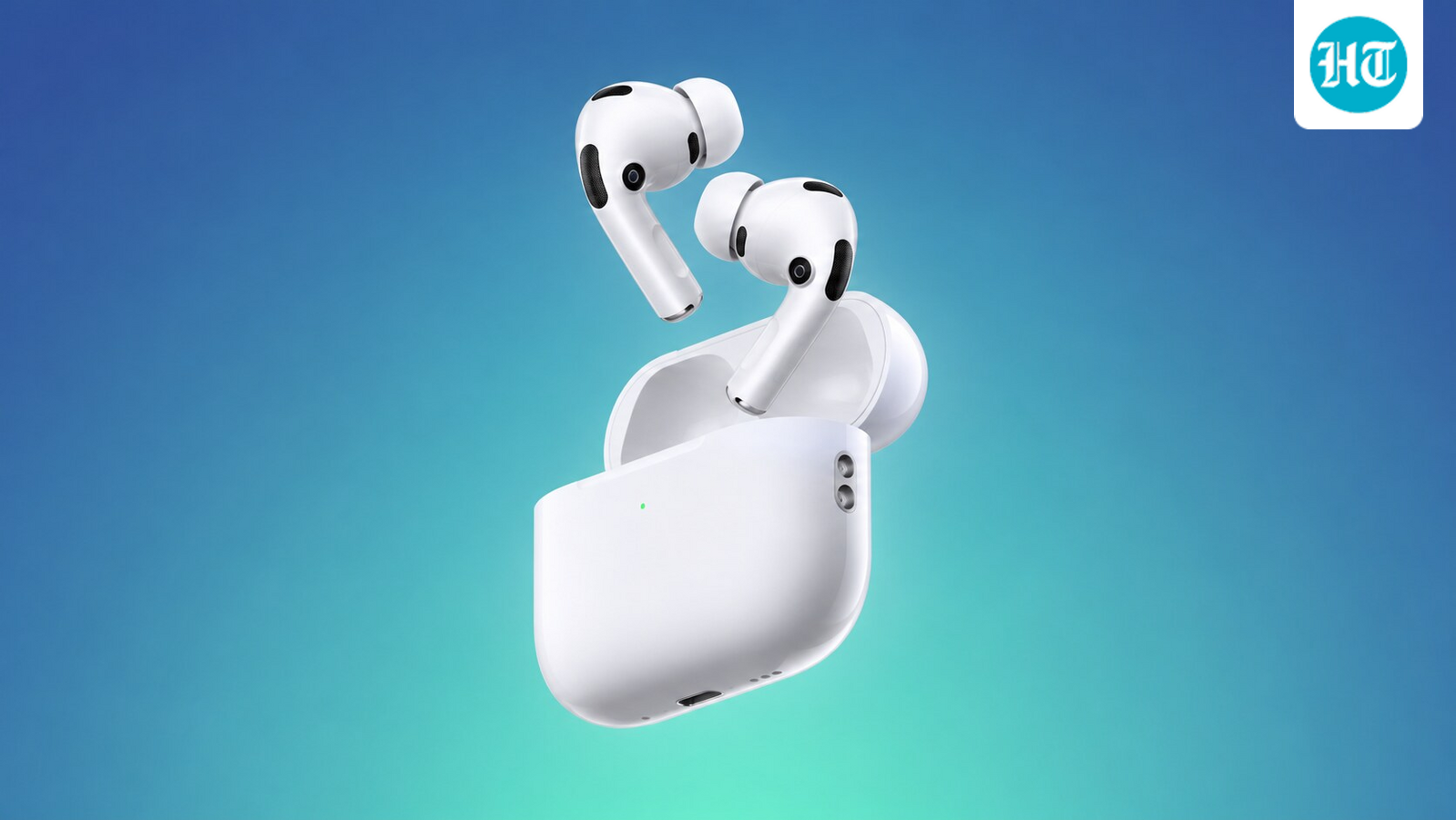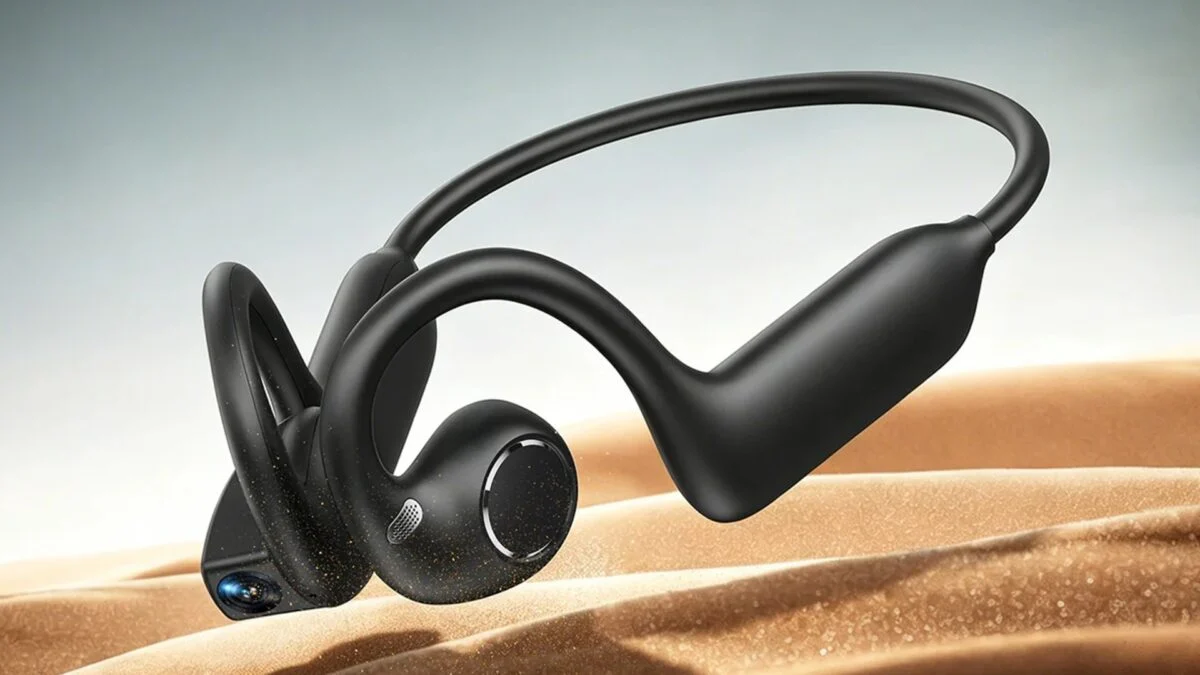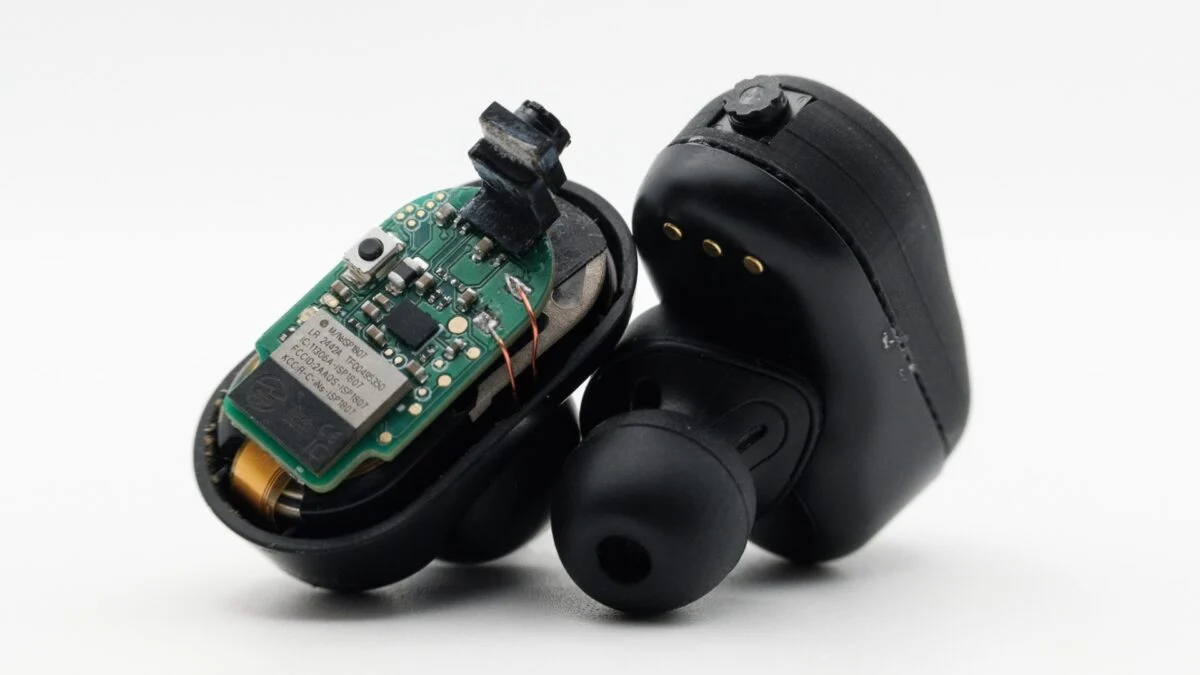
If you’re excited about the idea of Apple shoving cameras into AirPods, I’ve got good news: you now have an early preview of what that might look like, thanks to researchers from the University of Washington at Seattle. For science, researchers managed to fit cameras inside a pair of Sony WF-1000XM3 wireless earbuds, effectively imbuing everyone’s favorite personal audio device with computer vision. Like smart glasses, these modified earbuds can survey your surroundings and answer questions using a large language model. If that sounds familiar, that’s because Apple is apparently already sniffing around the same idea.
According to a recent report from Bloomberg’s Mark Gurman, AirPods with cameras are actually nearing fruition and are allegedly in the “late stages of development.” Just like researchers from the University of Washington at Seattle who are responsible for the Frankensteined Sony device, Apple wants its modified earbuds used not for photography but for AI—things like turn-by-turn navigation, for instance, or surfacing reminders based on your current environment. It’s all very similar to products like the Ray-Ban Meta AI glasses, which use computer vision to parse your surroundings. What’s interesting about the researchers’ version, which they’ve dubbed VueBuds, is how they’re confronting some problems that shoving cameras into wireless earbuds inevitably creates. Battery life, for instance. Obviously, running cameras all the time is bad for battery life and privacy, so researchers opted for low-res cameras that only see in black and white, which makes them less power-hungry and less likely to capture images that could pose a security risk. With this setup, researchers say they were able to record a response time on par with that of Ray-Ban Meta AI glasses, which isn’t the best standard in the world, but isn’t horrible. Here’s a video of the VueBuds at work. The idea is an interesting one, but, to be honest, it runs into the same problems as computer vision on Ray-Ban smart glasses. As someone who’s tested head-worn AI wearables at length, I’ll be the first to tell you that they’re not always as useful as you’d like them to be. Answers can often be wrong or unhelpful, wait times can be longer than you’d like, and all the processing is done in the cloud, so if you don’t have a proper internet connection… well, you’re out of luck.