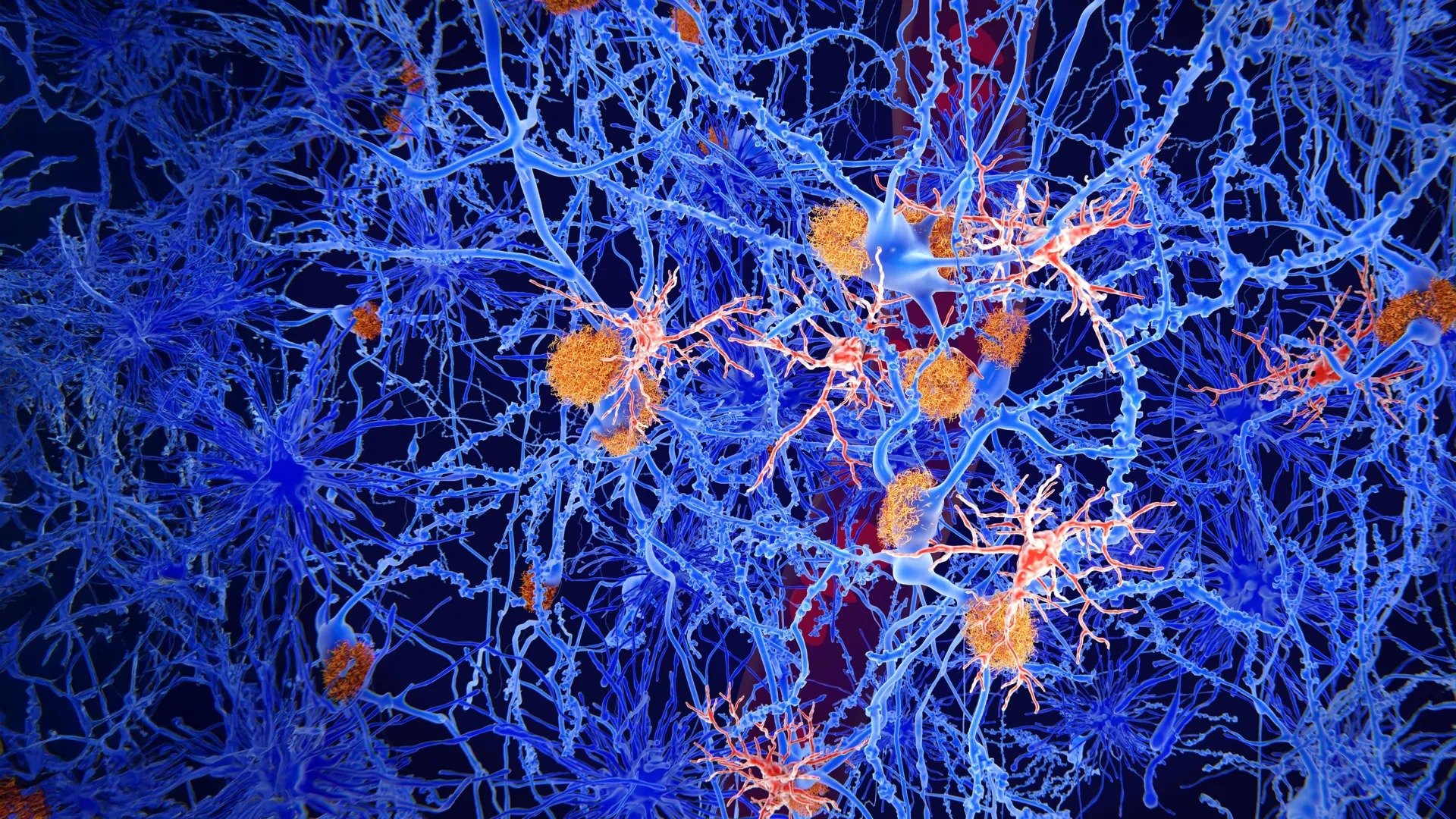
Researchers at the University of Southern California have identified experimental compounds that could help reduce the brain inflammation associated with Alzheimer's disease. The findings, published in the Nature journal npj Drug Discovery, focus on an enzyme called calcium-dependent phospholipase A2, or cPLA2, which appears to play an important role in inflammation inside the brain.
The USC team linked elevated cPLA2 activity to Alzheimer's risk while studying people who carry the APOE4 gene, the strongest known genetic risk factor for the disease. Although many APOE4 carriers never develop Alzheimer's, researchers found that those with higher cPLA2 activity were more likely to experience the disease.
Because cPLA2 also supports healthy brain function, scientists needed to find a way to reduce its harmful activity without completely shutting the enzyme down. Another challenge involved identifying compounds small enough to cross the blood-brain barrier so they could reach the brain effectively.
"In this study, we identified compounds that act selectively on cPLA2, with minimal effects on related PLA2 enzymes that are important for normal cellular function," said senior author Hussein Yassine, director of the Center for Personalized Brain Health at the Keck School of Medicine of USC. "Across cell-based and animal models, cPLA2 activity was reduced at low concentrations, indicating that the compounds are potent in brain-relevant systems."