Researchers in Spain and Switzerland have identified an experimental molecule that may help restore the brain's natural defenses against Alzheimer's disease. The compound, known as OLE, appears to "reprogram" microglia, the brain's immune cells, allowing them to regain some of their protective abilities.
The research was led by José Vicente Sánchez Mut of the Institute for Neurosciences (IN), a joint center of the Spanish National Research Council (CSIC) and Miguel Hernández University of Elche (UMH), together with Johannes Gräff of the École Polytechnique Fédérale de Lausanne (EPFL). Their findings were published in the journal Cell Death and Disease.
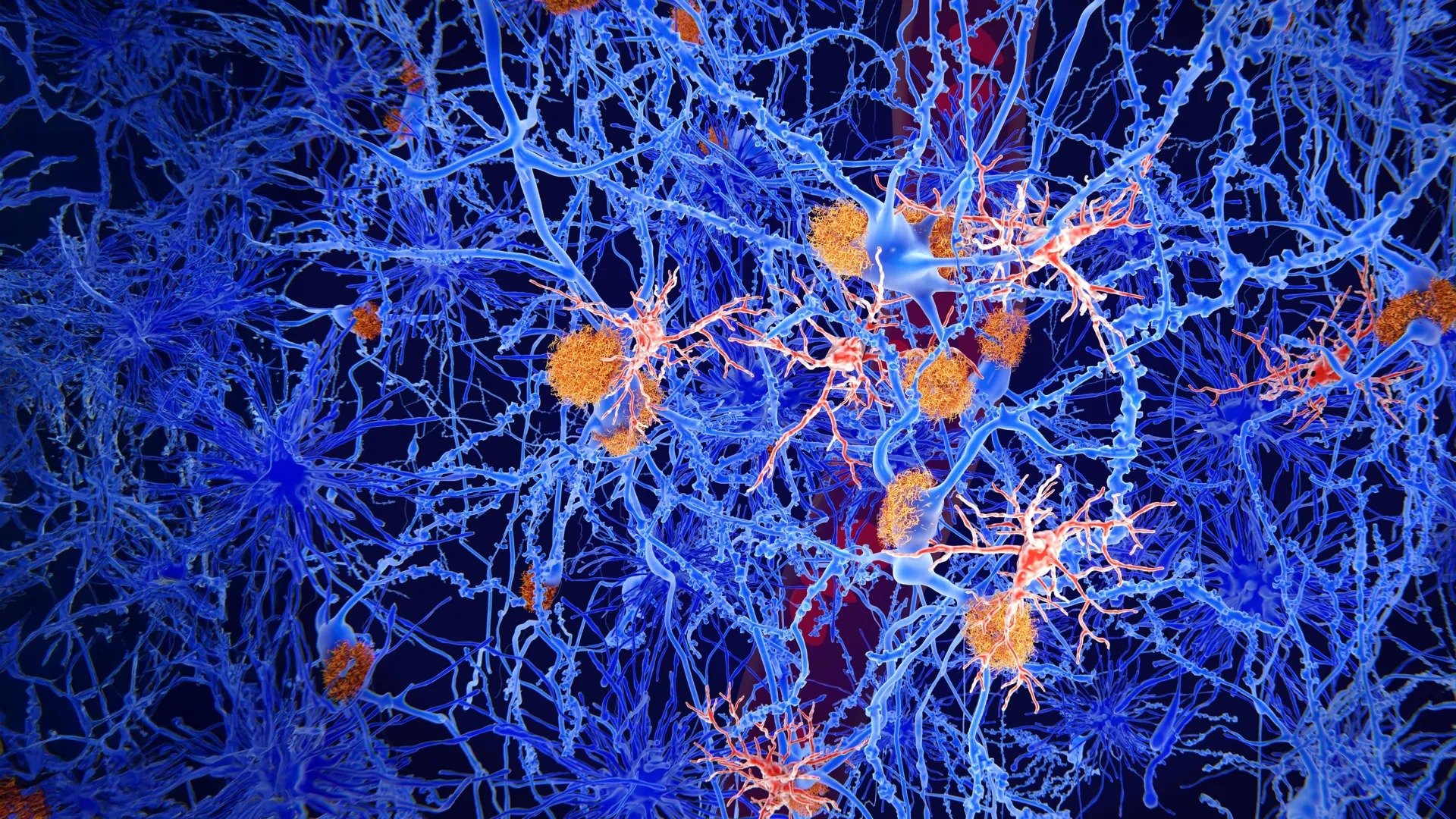
According to the study, OLE helps microglia surround and contain beta-amyloid plaques, reducing both their size and their harmful effects. In animal studies, the treatment also led to better performance on memory tests.
How OLE Targets Alzheimer's Disease
One of the hallmarks of Alzheimer's disease is the buildup of beta-amyloid plaques in the brain. At the same time, microglia, which normally help remove these toxic deposits, gradually become less effective. As their protective functions decline, they can contribute to damage in brain cells.