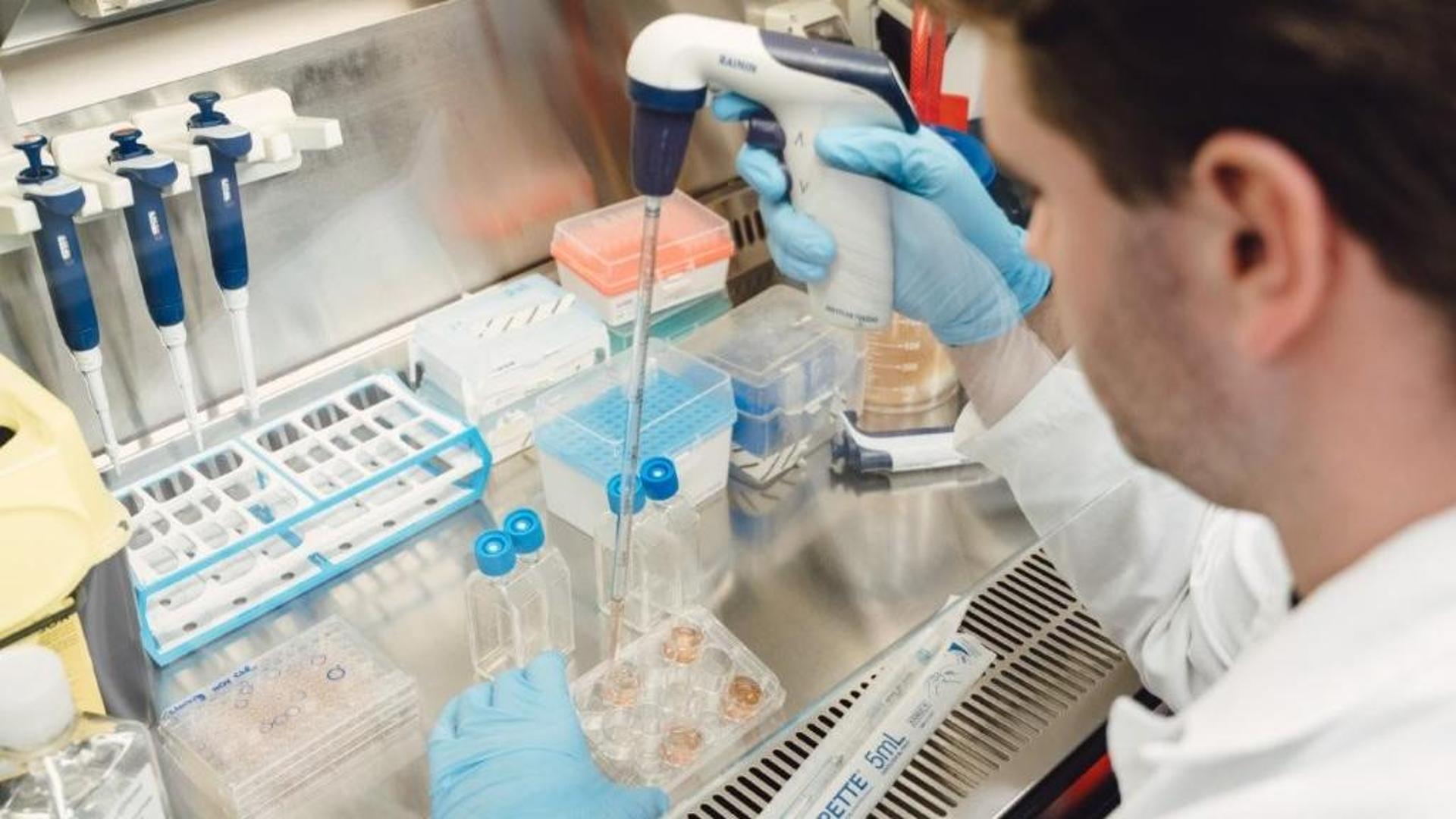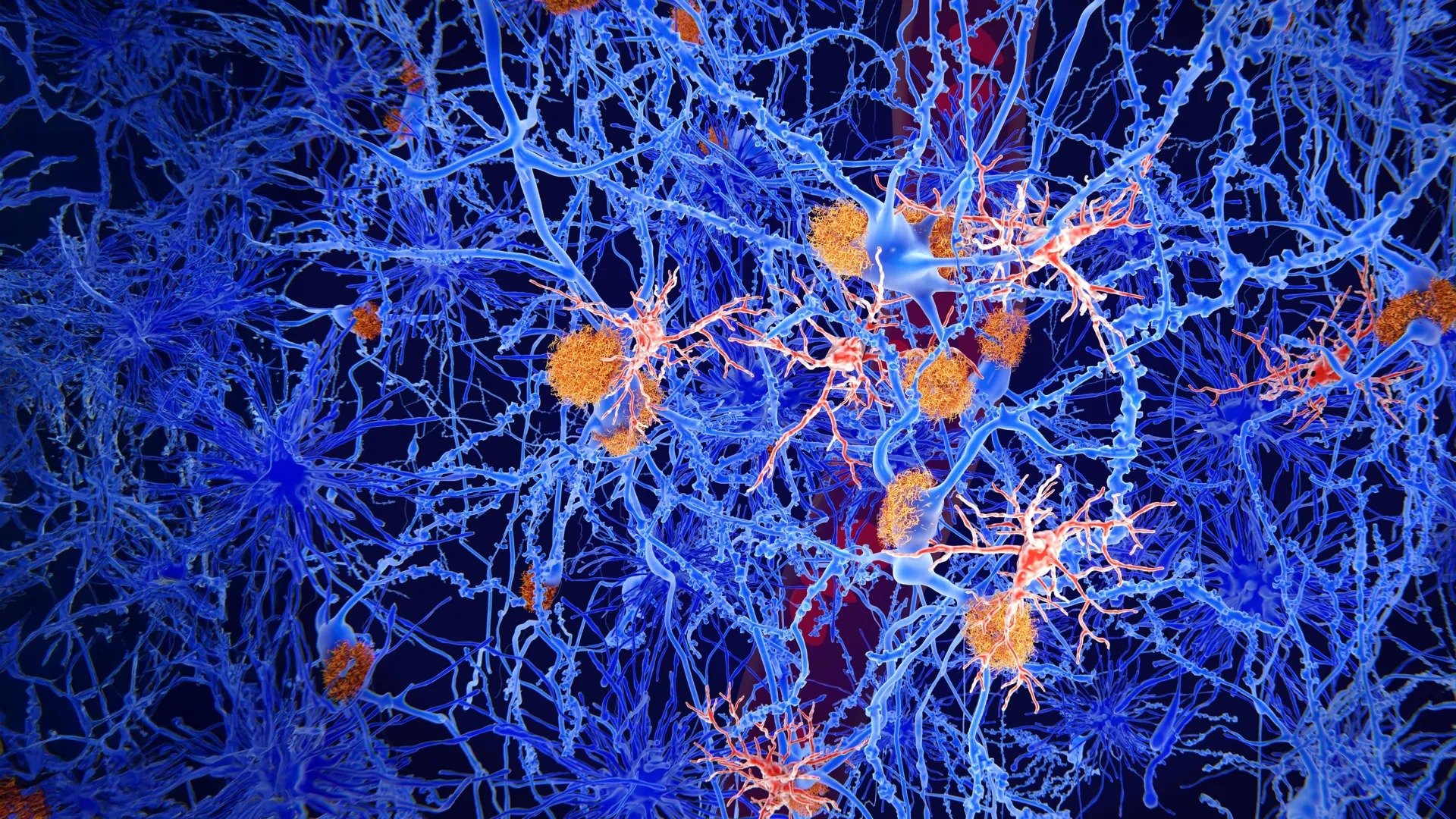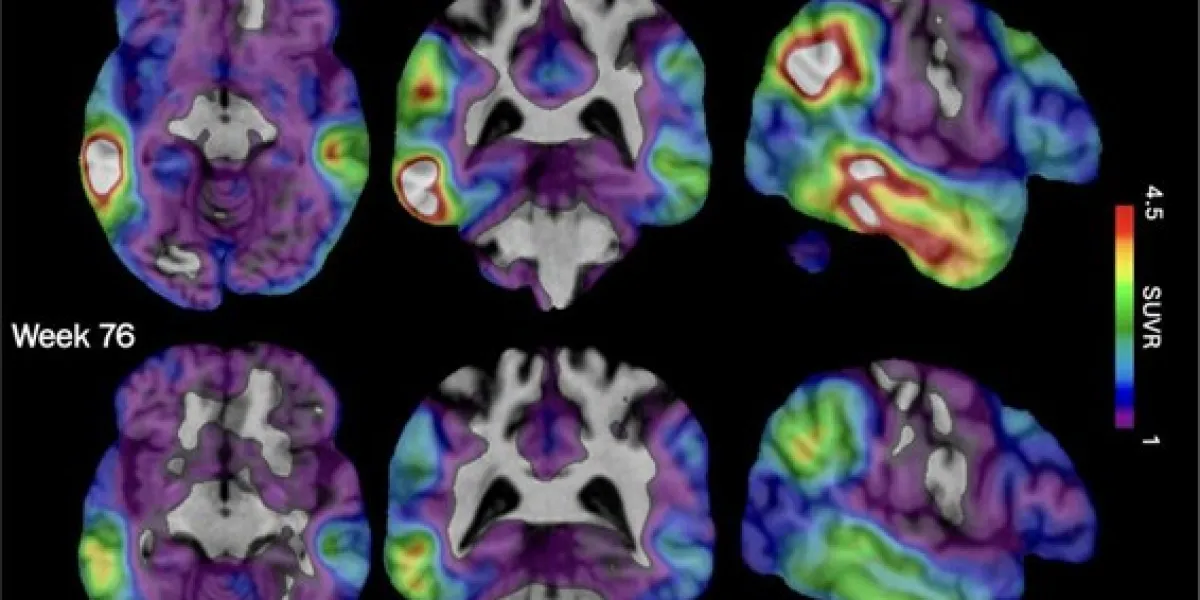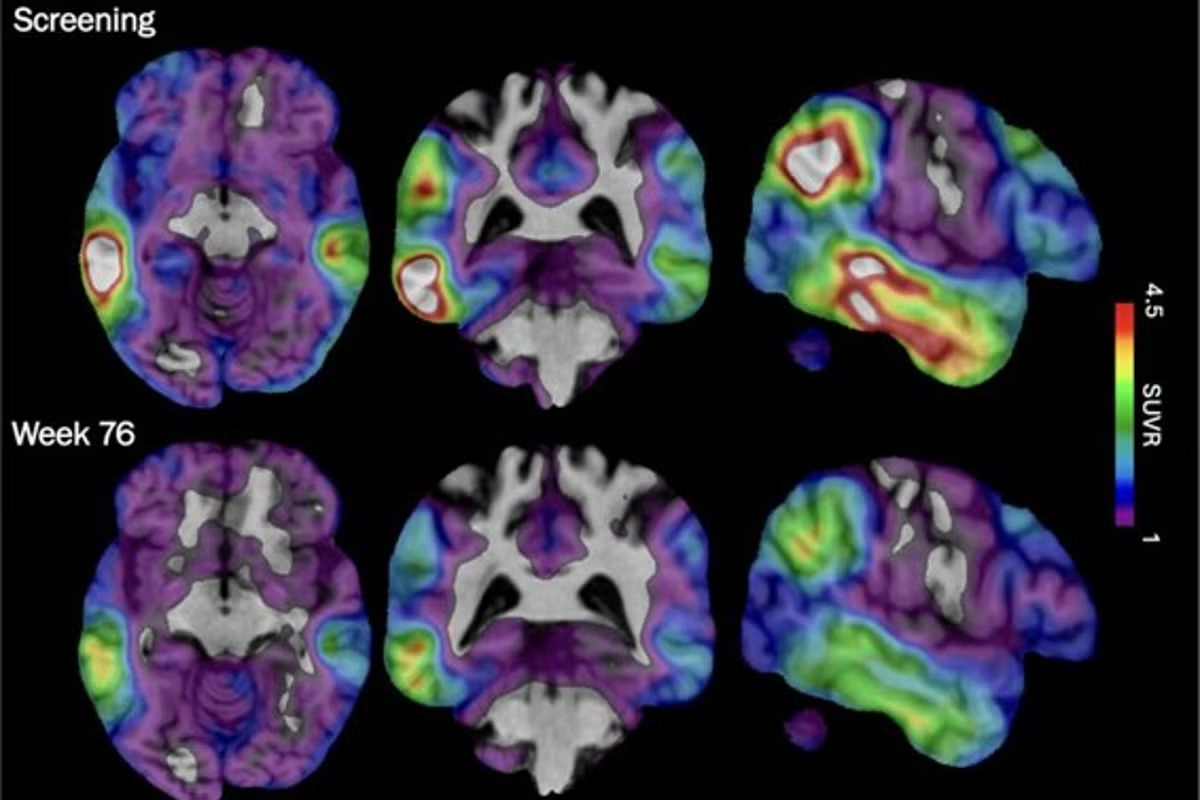
A promising experimental compound developed by researchers at ETH Zurich could offer a new way to slow the progression of Alzheimer's disease. In studies involving mice, the treatment reduced nerve cell loss, helped the animals live longer, and targeted a biological process that existing Alzheimer's drugs do not address.
The compound, known by researchers as "Compound 10," is the result of nearly two decades of work led by Ursula Quitterer, Professor of Molecular Pharmacology at ETH Zurich.
A Long Search for New Alzheimer's Clues
The research began almost 20 years ago when Quitterer received brain tissue samples from a colleague at Ain Shams University Hospital in Cairo. The samples were collected during tumor surgeries and came from both people with dementia and individuals without the condition.
Those samples helped launch an investigation into a protein called GRK2, which has been the focus of Quitterer's research for many years.