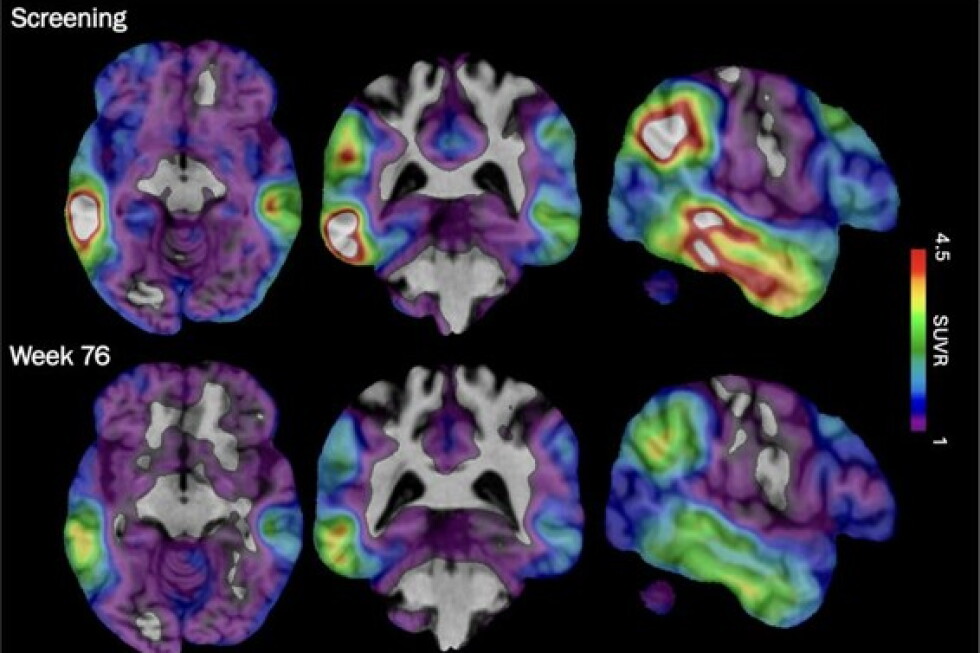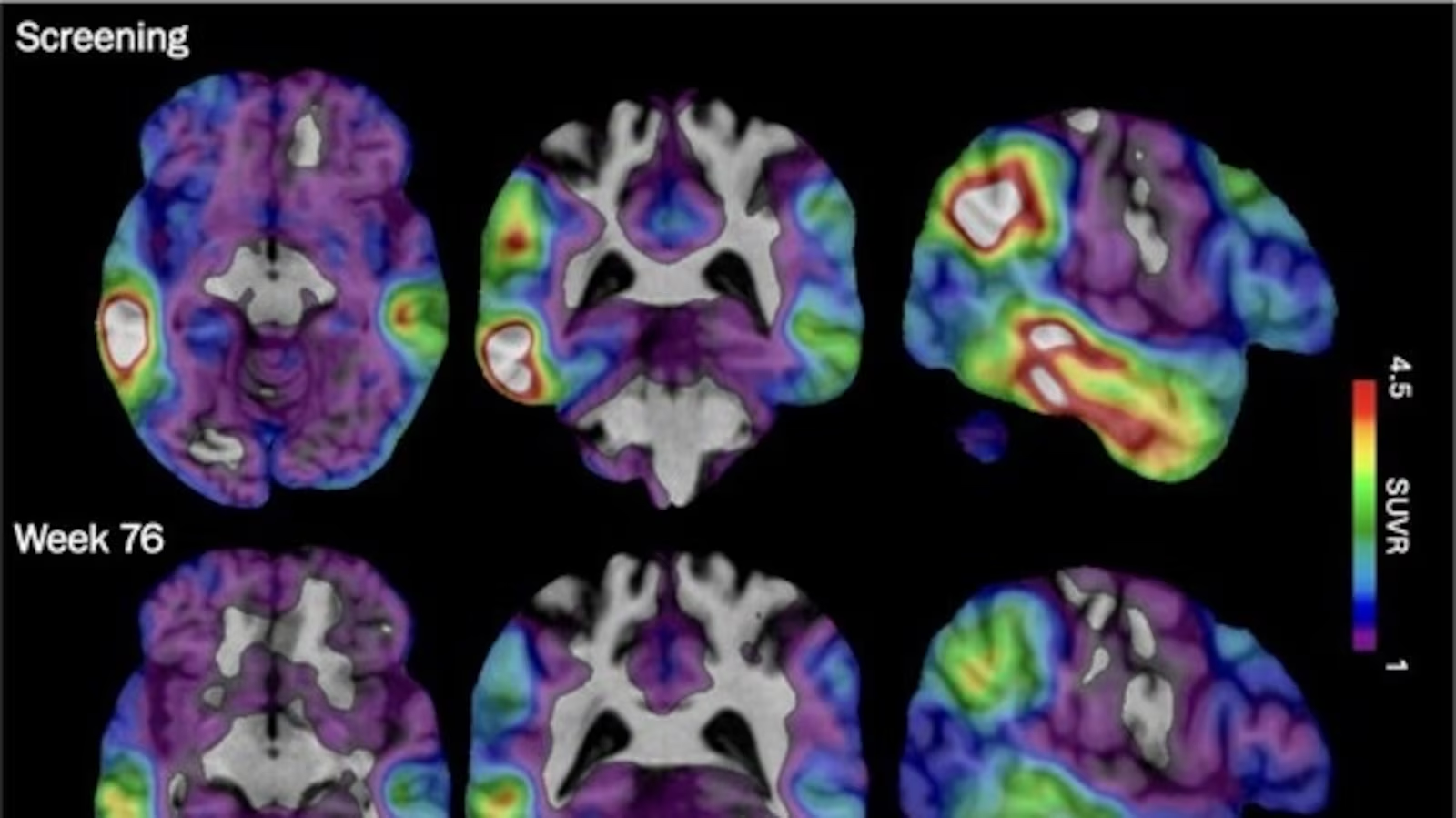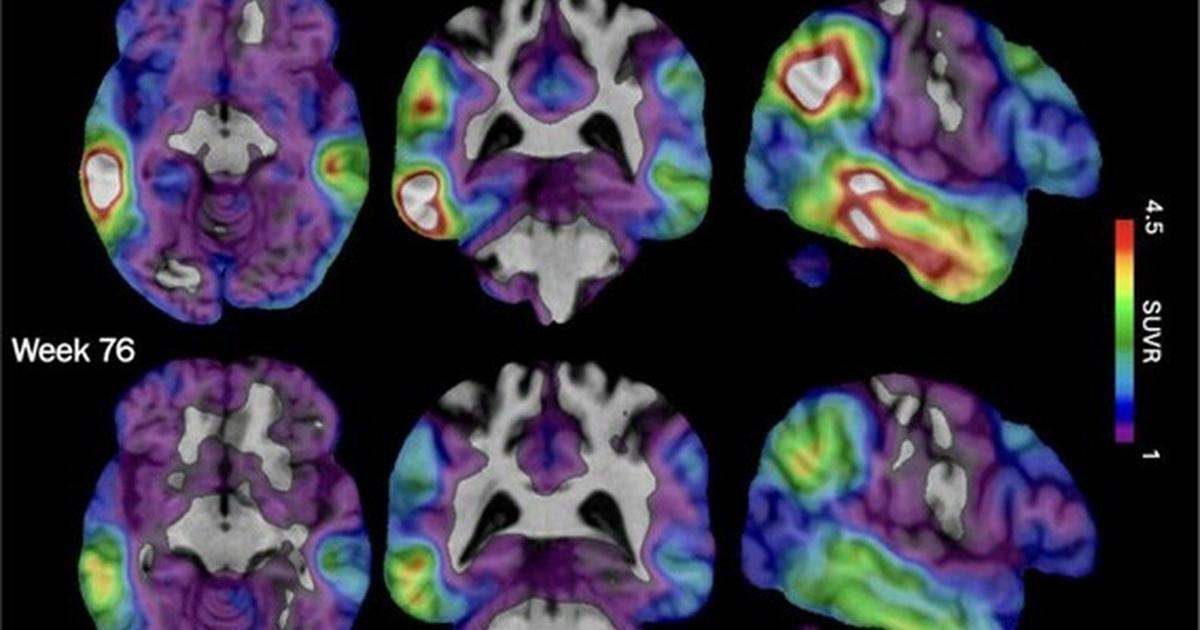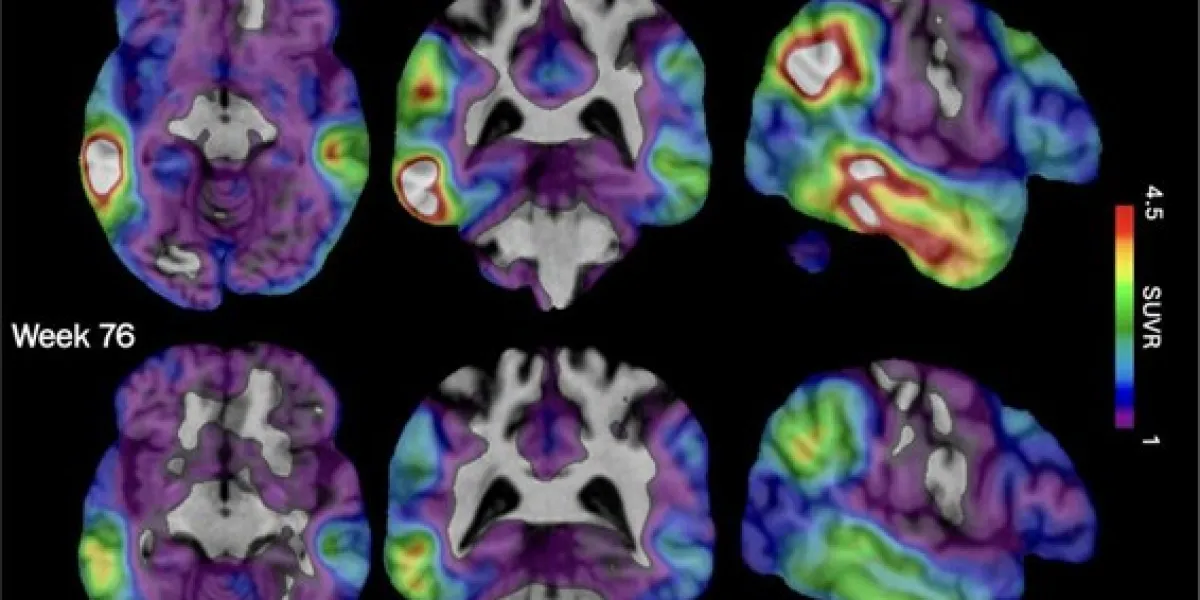
An experimental drug is showing promise in slowing early Alzheimer’s disease by targeting the tau protein, a novel approach compared to current treatments, researchers reported on Tuesday. While existing drugs like lecanemab and donanemab focus on clearing amyloid protein buildup to modestly slow cognitive decline, previous attempts to develop tau-targeting drugs have largely failed.However, new findings presented at the Alzheimer's Association International Conference in London suggest Biogen's diranersen not only reduced tau levels but also indicated a slowdown in cognitive decline. In a small subset of the 400-person study, this effect was comparable to amyloid therapies. Biogen is now planning a larger trial to confirm these benefits.New findings suggest Biogen's diranersen not only reduced tau levels but also indicated a slowdown in cognitive decline (Getty Images)Experts are cautiously optimistic. Jessica Langbaum of the Banner Alzheimer’s Institute, not involved in the study, remarked, "This is really quite promising if it were to hold up." Dr. Reisa Sperling of Mass General Brigham, also independent of the research, cautioned, "This is early days," but added, "I think it will reinvigorate interest and investment in lots of tau mechanisms, and the field needs that." This development joins other innovative efforts to combat the devastating disease, including potential tau vaccines and new ways to deliver medicines to the brain. New approaches are needed to fight the leading cause of dementiaA novel therapeutic strategy is emerging for Alzheimer's disease, which affects over 7 million Americans and tens of millions worldwide. While its exact causes remain unclear, new research offers a distinct approach.Sticky amyloid protein begins forming plaques in the brain roughly two decades before symptoms appear. Yet, amyloid alone isn't sufficient. Many scientists believe this buildup eventually triggers an abnormal form of tau to create tangles in neurons, initiating the disease's symptomatic phase.Diranersen, an antisense oligonucleotide, offers a different mechanism. Instead of attacking existing tau buildup, it instructs a tau-producing gene to generate less of the protein."If you lower tau production, you are lowering the amount of the abnormal tau that needs to be cleared by the microglia, by the clearance mechanism in the brain. And so you are enabling the normal clearance mechanism to have more capacity to clear the tau," explained Dr. Cath Mummery of University College London, who led the new study.Unlike current anti-amyloid drugs, typically given through the bloodstream via infusions or injections, Diranersen is injected into the fluid surrounding the spinal cord, providing a more direct path to the brain. This innovative delivery method marks a significant development. Biogen's tau drug missed a key study goal — but was still encouragingBiogen’s study included people with mild cognitive impairment or mild Alzheimer’s, randomly assigning them to different doses of diranersen or a placebo. Back in May, Biogen and partner Ionis Pharmaceuticals announced that the lowest dose — given every six months — had the strongest effect. That was a counterintuitive surprise and meant the study didn't meet its planned goal of showing that higher doses brought greater benefits.Still, scientists had been anxiously awaiting details about how much that twice-a-year spinal shot really helped. Five of six different brain tests showed diranersen recipients’ memory and other cognitive abilities still worsened but more slowly than those given dummy shots, Mummery said. In one test of the lowest dose, that translated to a 26% reduction in cognitive decline — “approximately the same” change seen in earlier tests of amyloid drugs, she said.Side effects included injection site pain and a temporary state of confusion that could appear a few days after the shot and last about a week, she said. But there were no signs of brain inflammation, which can affect recipients of anti-amyloid drugs.Alzheimer's researchers also target tau in a broad new studyThe University of California, San Francisco, last week opened a first-of-its-kind study known as the Alzheimer’s Tau Platform. Funded by the National Institutes of Health, it will test a variety of experimental anti-tau therapies against and in combination with today’s amyloid treatments. First up is a vaccine called AADvac1 designed to train the immune system to recognize and fight a specific worrisome portion of the tau protein, said UCSF's Dr. Adam Boxer.The “platform” approach will expand to locations around the country, allow addition of other tau drugs to test and include people with Alzheimer’s-related protein buildup who aren’t yet showing symptoms, he said. Other studies hint at new ways of attacking Alzheimer's Researchers told the Alzheimer’s meeting that an experimental cholesterol-lowering drug called obicetrapib might do more than help heart health. They're exploring if it also might lower buildup of Alzheimer's-related proteins in people who carry a genetic risk for the disease. Why? That gene, called APOE4, also affects how the body processes cholesterol. Obicetrapib maker NewAmsterdam Pharma plans to begin a study soon to test if the drug's cholesterol effects also can mitigate the Alzheimer's risk in people carrying one or two copies of that gene.Companies also are trying to get Alzheimer’s drugs into the brain faster and at higher volumes, by penetrating the protective lining meant to protect the brain from harm. Denali Therapeutics' CEO Ryan Watts describes it as “hitching a ride” with iron that naturally gets into the brain. His company is pursuing drugs that target tau and amyloid using that “transport vehicle” technology.
New experimental drug shows promise in slowing early Alzheimer’s
An experimental drug might help slow early Alzheimer's disease in a markedly different way than current treatments — by lowering the brain's production of a protein called tau
875 words~4 min read