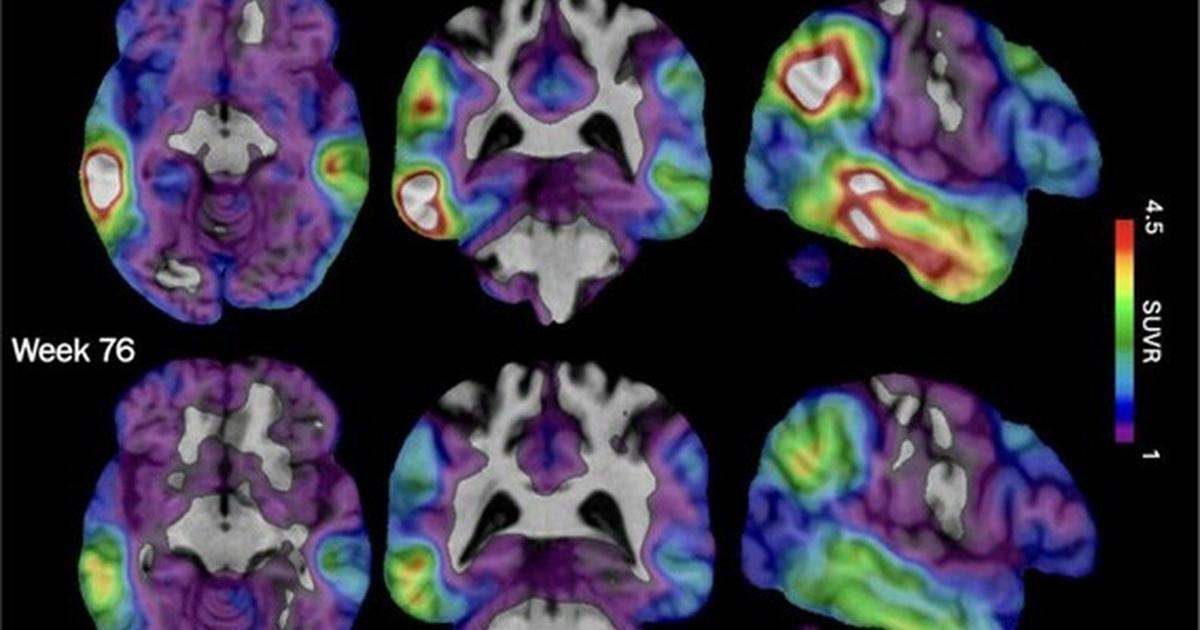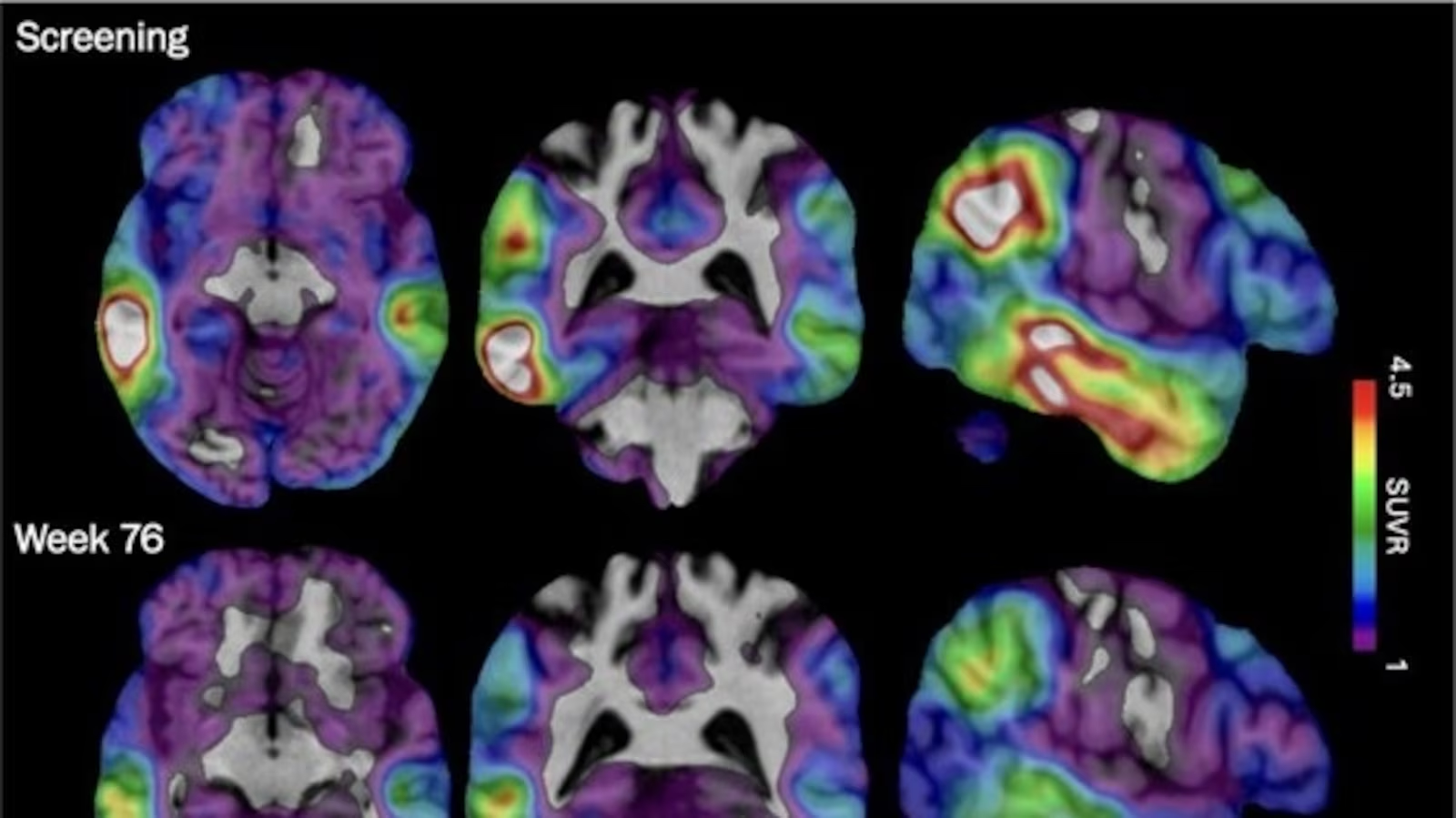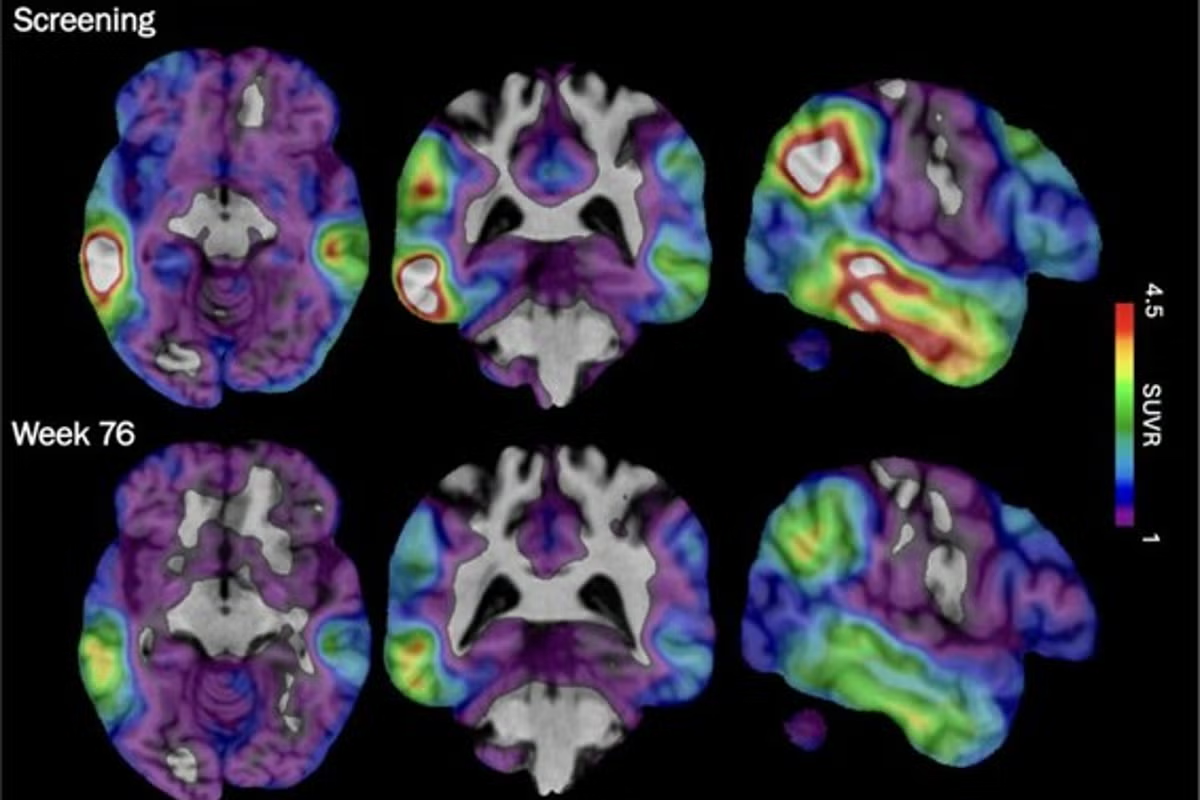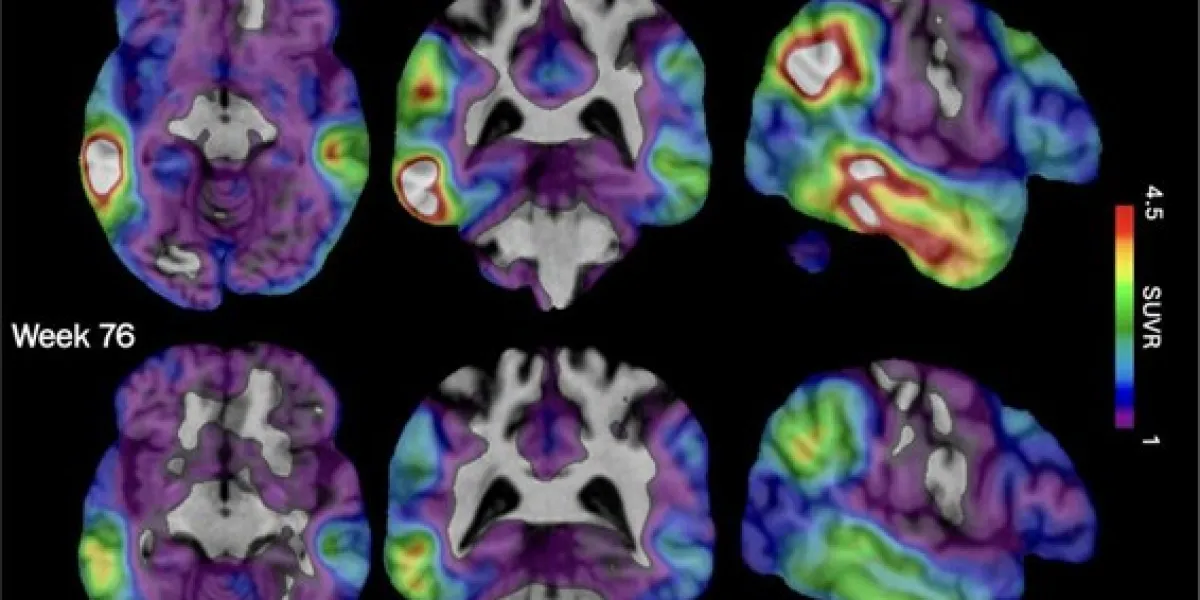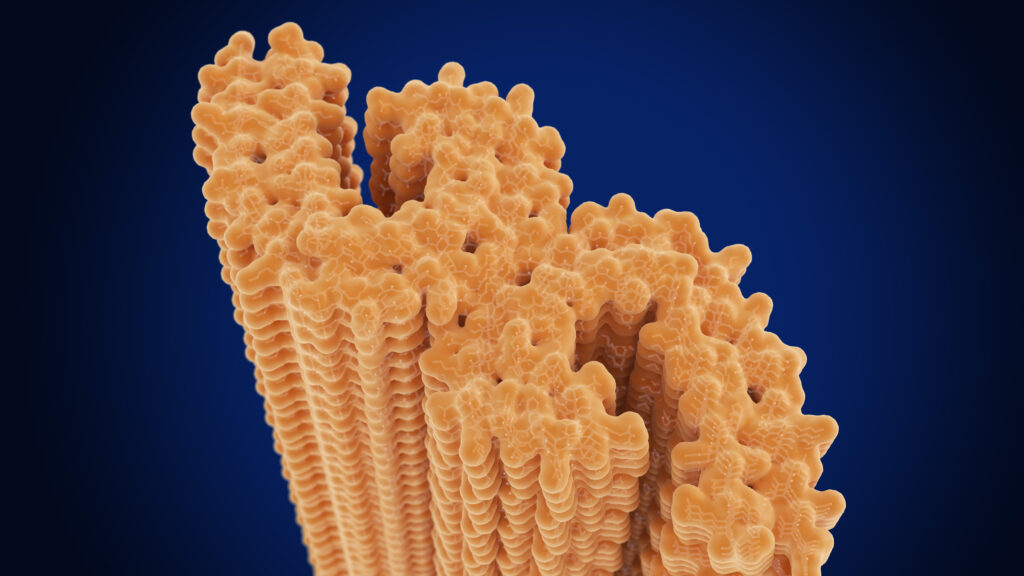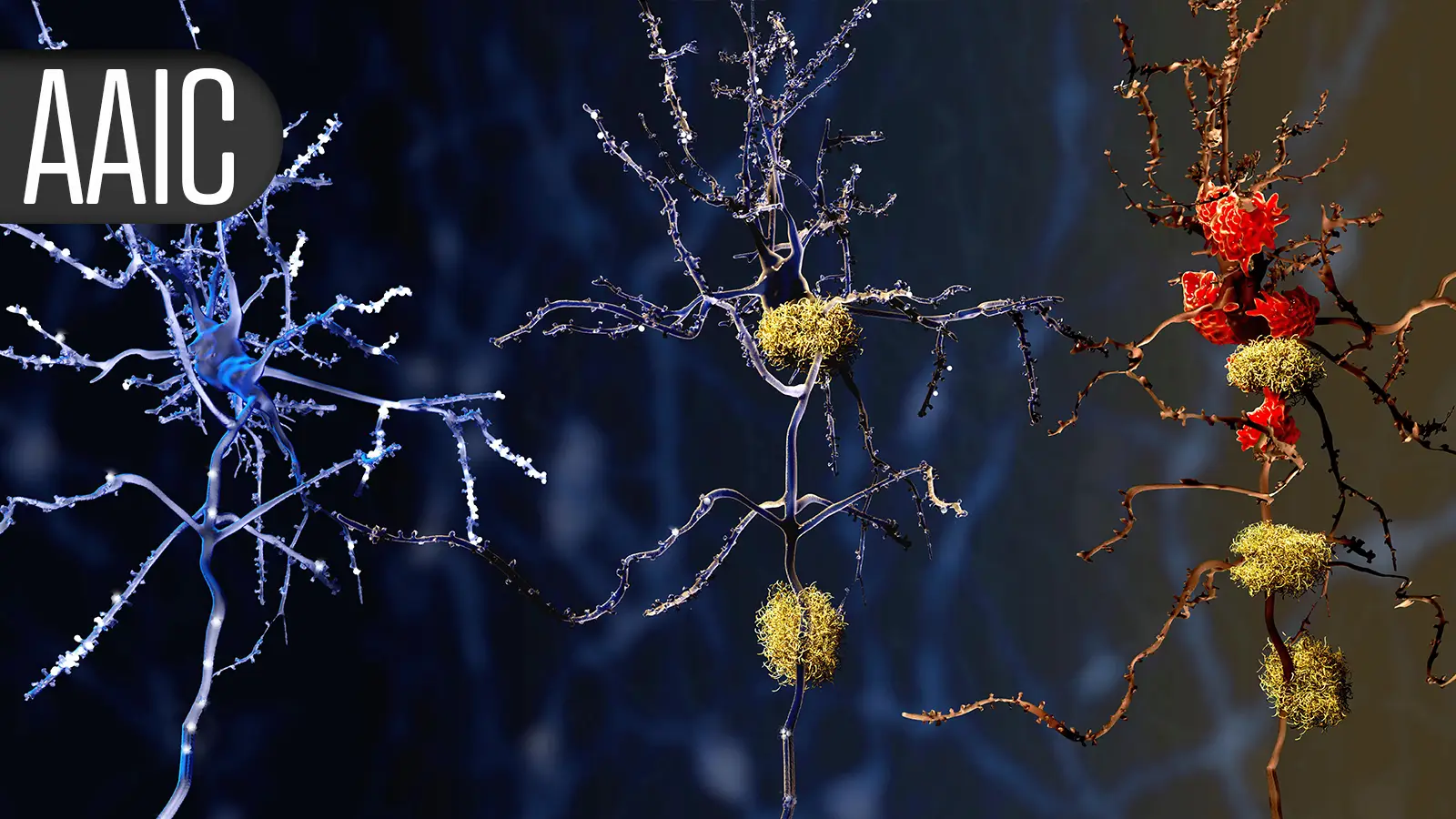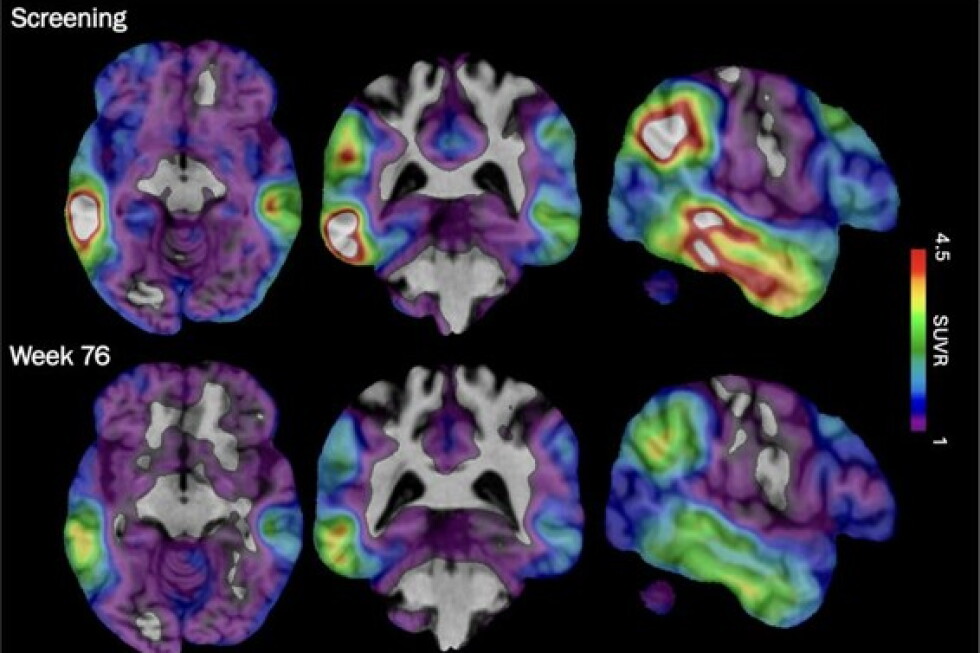
WASHINGTON (AP) — An experimental drug might help slow early Alzheimer’s disease in a markedly different way than today’s treatments — by lowering levels of a brain protein called tau, researchers reported Tuesday.Tau is one part of a toxic duo fueling Alzheimer’s but prior attempts to develop drugs that can target the protein have failed. Two Alzheimer’s drugs, lecanemab and donanemab, try to clear buildup of the better-known amyloid protein and can modestly slow cognitive decline.The new findings suggest Biogen’s diranersen did more than lower tau levels. The study of about 400 people found signs that it also slowed cognitive decline, in one small subset enough to be comparable to amyloid therapy, according to results presented at the Alzheimer’s Association International Conference in London. Biogen is planning a larger study to try to prove the drug’s benefit.“This is really quite promising if it were to hold up” in that next-step testing, said Jessica Langbaum of the Banner Alzheimer’s Institute in Phoenix, who wasn’t involved with Biogen’s study.
“This is early days,” cautioned Dr. Reisa Sperling of Mass General Brigham, who also wasn’t involved in the study. But “I think it will reinvigorate interest and investment in lots of tau mechanisms, and the field needs that.”It’s one of multiple novel attempts to fight the mind-destroying disease, including a possible tau vaccine, an experimental heart drug that might do double-duty for some people at high risk of Alzheimer’s, and ways to help medicines more easily get across the so-called blood-brain barrier.