For most of the past few decades, scientists chasing treatments for Alzheimer’s disease have focused on attacking the buildup of one protein in the brain that contributes to the disease: amyloid. They've had some success; there are currently two anti-amyloid treatments approved.
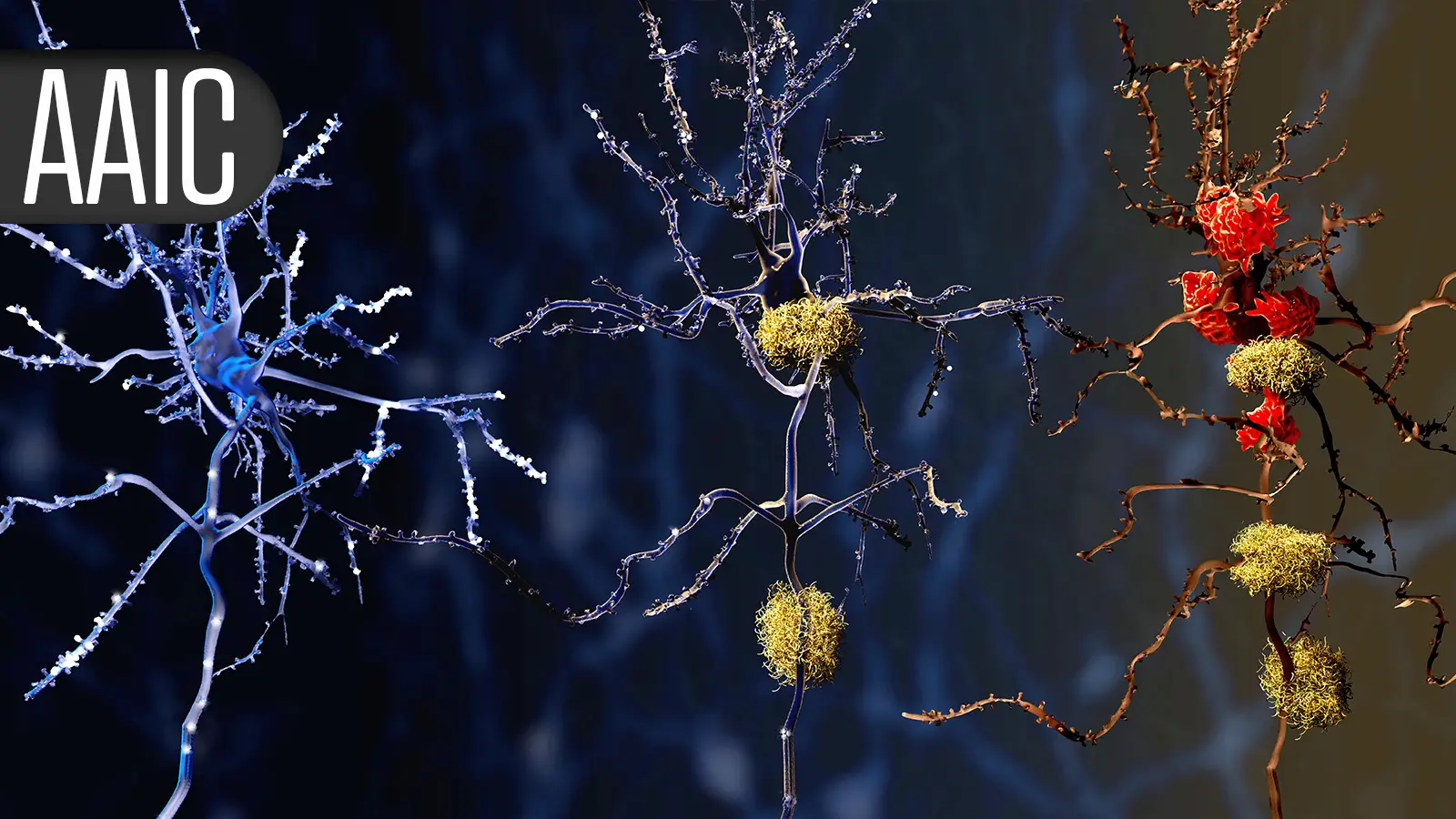
But while amyloid plaques are important in Alzheimer’s disease, memory and cognitive symptoms frequently only start once another protein, tau, also starts accumulating in the brain. While some experts believe the brain needs some amount of tau in order to function normally and maintain the architecture of neurons, abnormal tau tangles can contribute to cognitive problems associated with Alzheimer's.
That's why scientists at the Alzheimer’s Association International Conference in London are reporting a series of encouraging results in testing for and reducing levels of tau, creating new ways to potentially manage the disease.
A tau-lowering approach
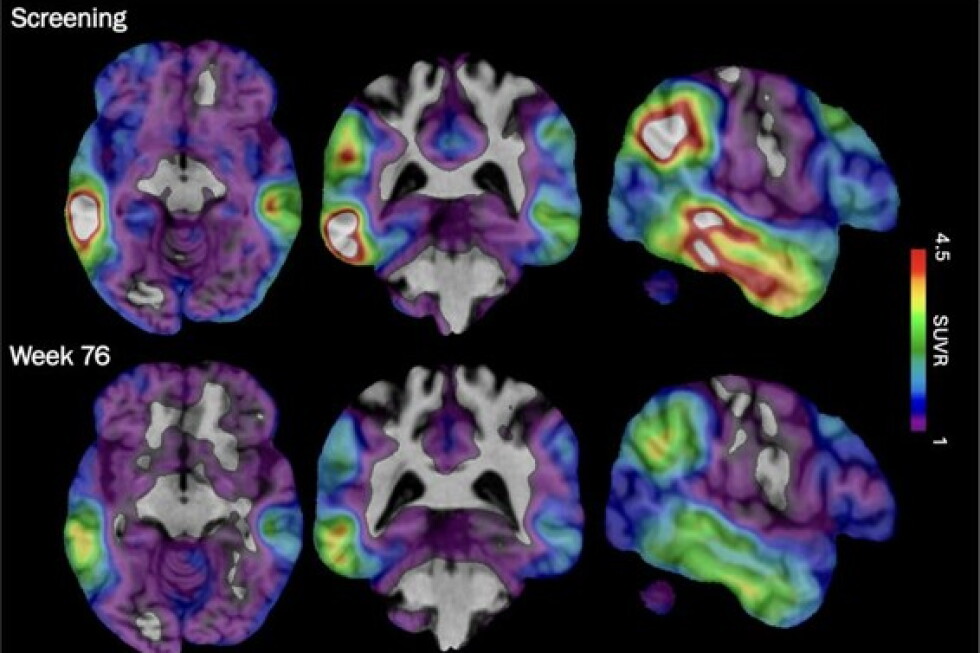
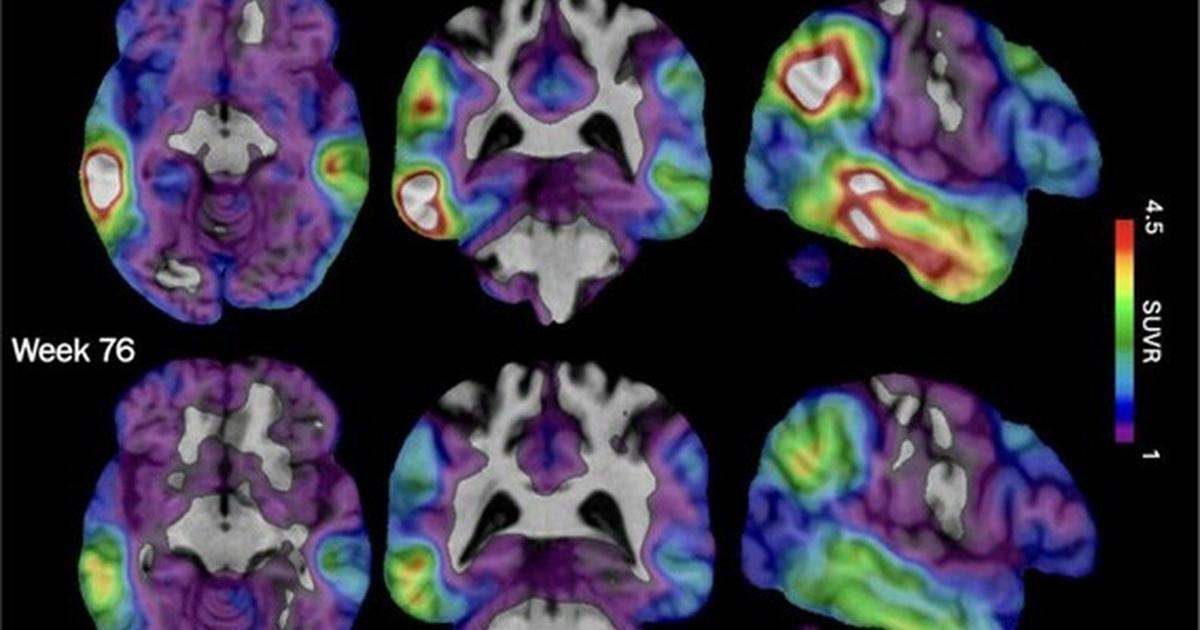
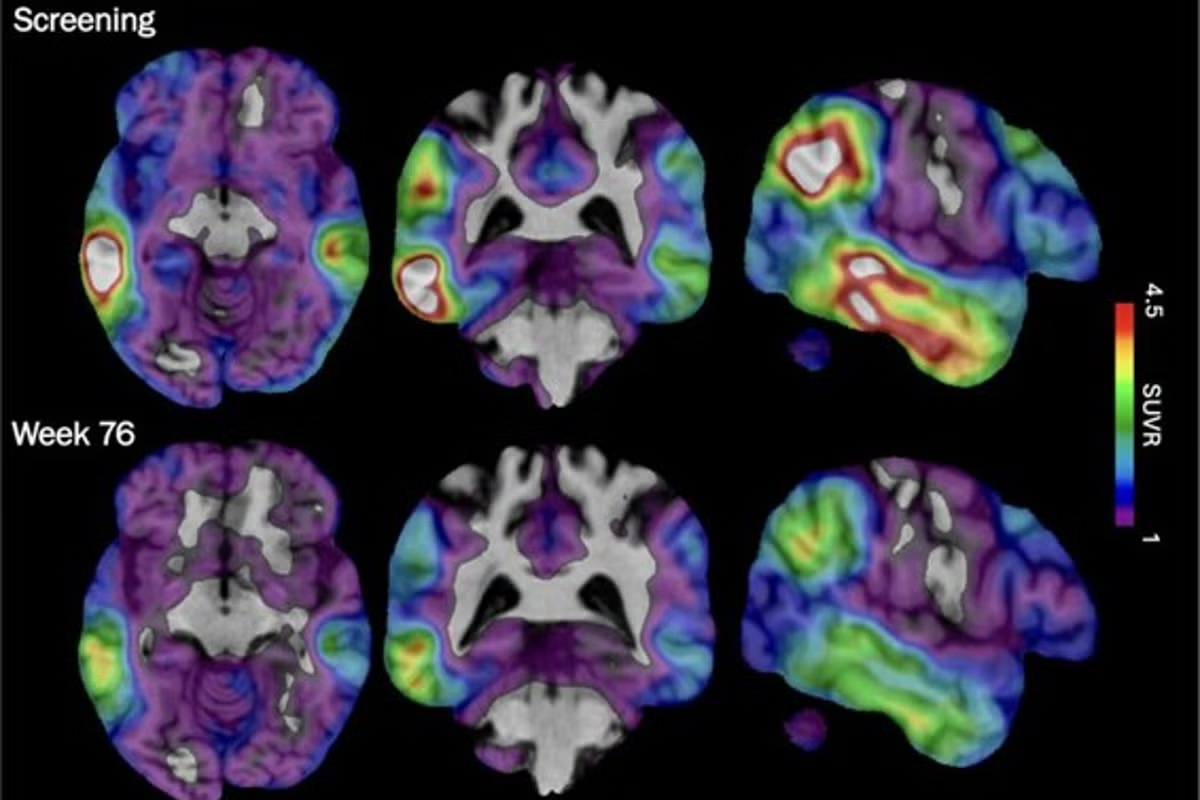
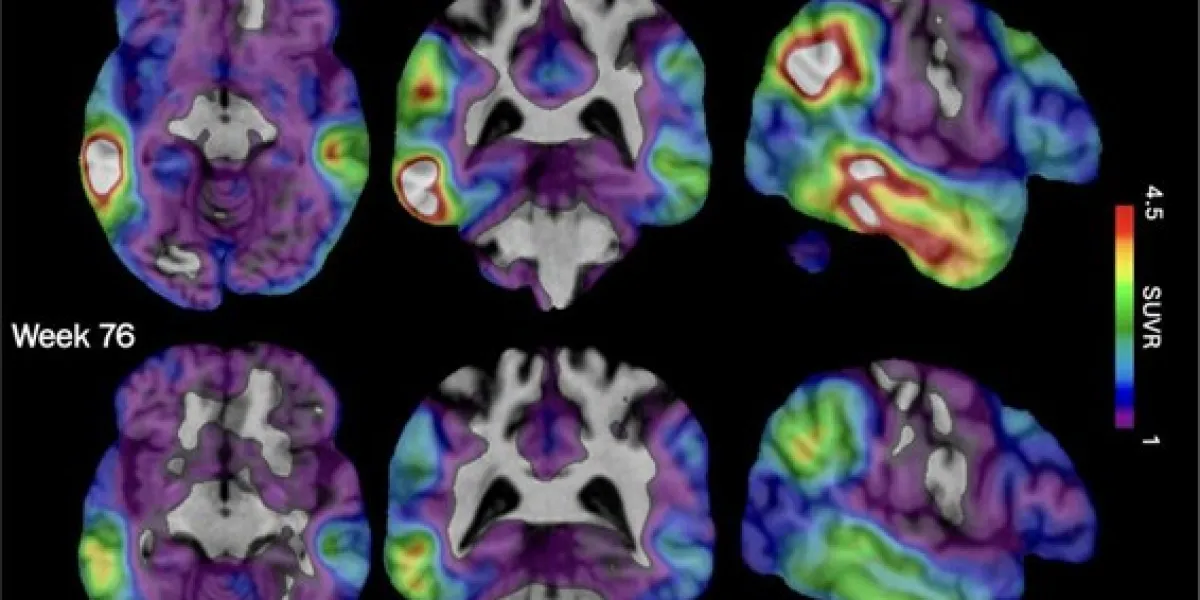
Developing anti-tau medications is a challenge, because tau starts to function abnormally inside of cells—unlike amyloid, which aggregates into plaques outside of cells, which makes the amyloid clumps easier to target with things like antibodies. In the first study of its kind, researchers at the biotechnology company Biogen reported early results from their study of diranersen, a drug that shuts down tau production at the source.