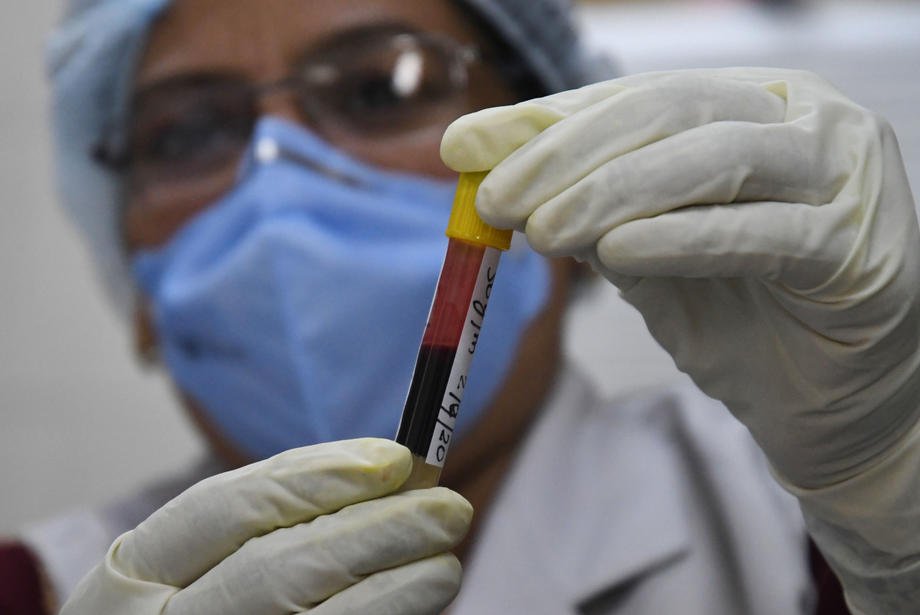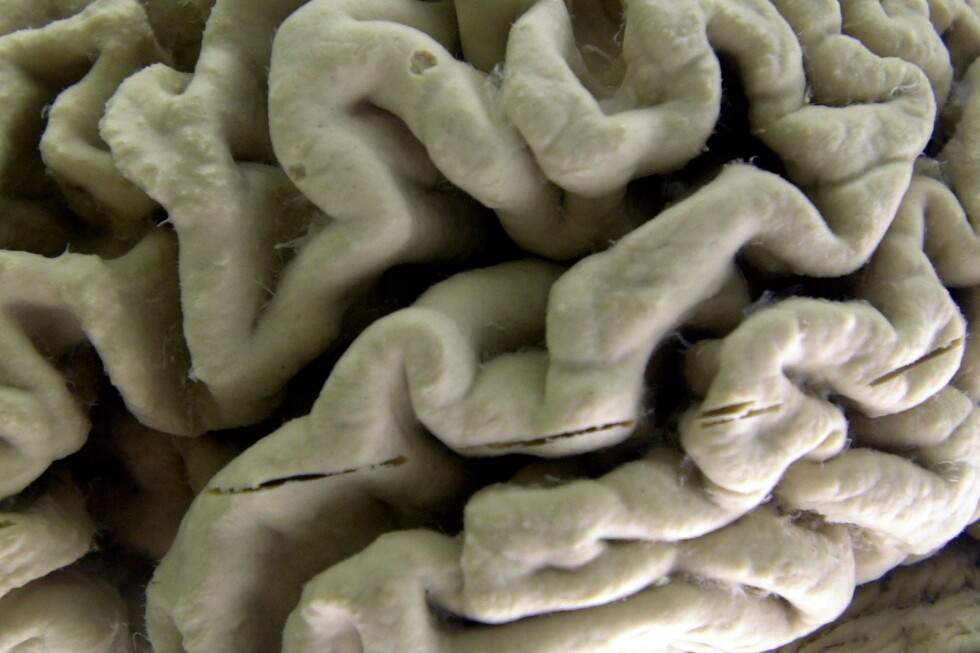
WASHINGTON (AP) — A blood test may predict if apparently healthy older adults are likely to develop Alzheimer’s symptoms in the next five or 10 years, researchers reported Wednesday.That information could be reassuring or terrifying, but for now it’s a potential tool to speed drug development by helping to identify and enroll high-risk people into studies of possible Alzheimer’s treatments or preventive strategies. Already large clinical trials are testing if certain drugs could prevent or at least delay the disease — and if any of those pan out, doctors will need an easy way to tell who should try them.The scientists behind the new study stress that it’s too soon for healthy people to seek out the so-called p-tau217 test, which is currently used to help diagnose whether people experiencing cognitive problems have Alzheimer’s or another disorder.“Wait and get tested when you can potentially do something about it,” stressed Dr. Reisa Sperling of the Mass General Brigham Neuroscience Institute, the study’s senior author. “At this point it wouldn’t change what I would tell someone to do. I’d still tell them to eat well, sleep well, exercise a lot and stay engaged.”
The new findings showed that symptom-free older adults who harbored very high levels of p-tau217 had a 38% risk of developing cognitive impairment over five years. That risk grew to 78% by 10 years.