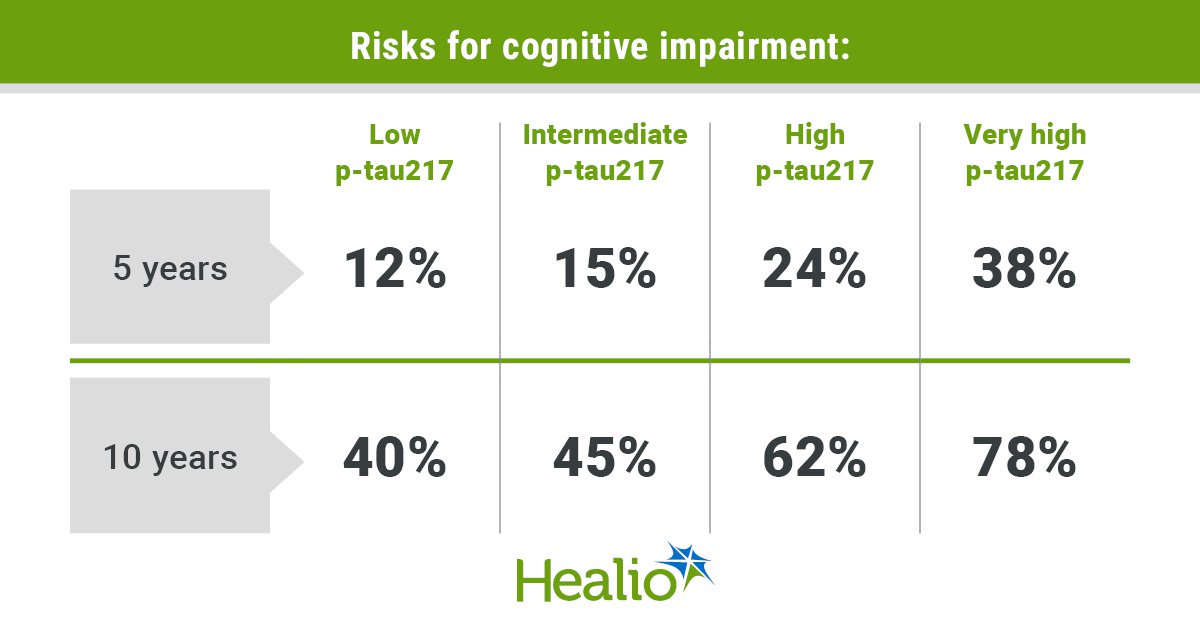
Cognitively healthy older adults with high levels of a biomarker called p-tau217 in their blood had an estimated 38% greater chance of developing early signs of dementia over five years, a new study found. Over 10 years, the risk was 78% higher, although the data was not as robust.
“What this tells me is that we really can use p-tau217 blood tests in future to be able to understand somebody’s individual risk of cognitive impairment,” said lead study author Rachel Buckley, an associate professor of neurology at Harvard Medical School.
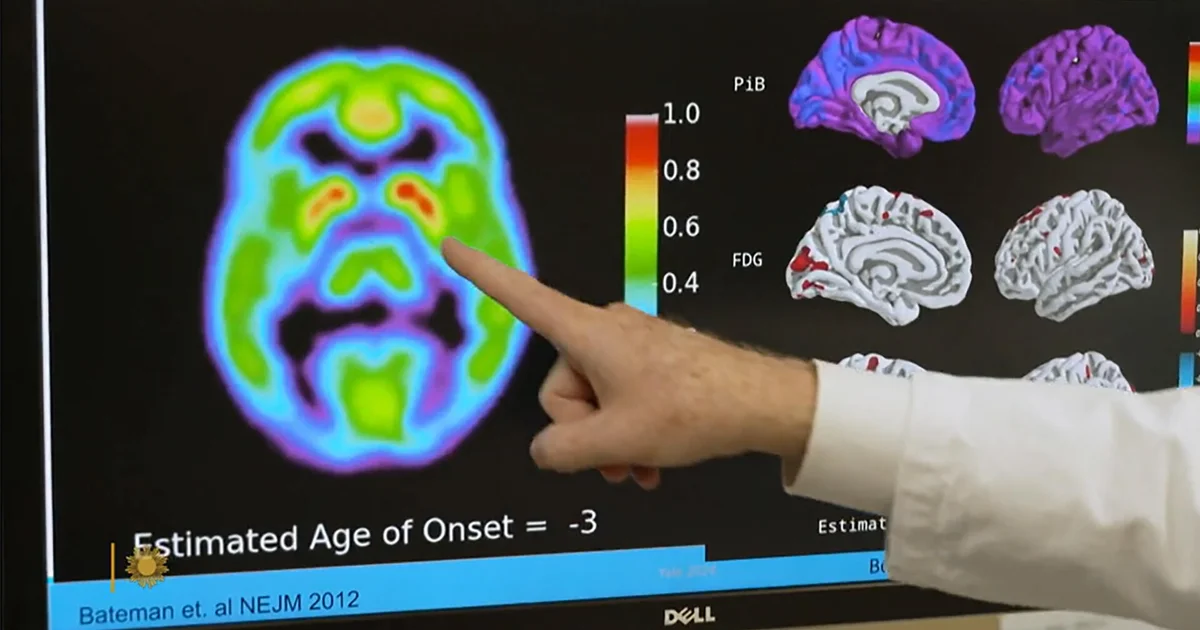
Traditionally, diagnosing Alzheimer’s required expensive and invasive procedures like PET scans or spinal taps. However, blood tests that measure levels of phosphorylated tau 217, or p-tau217, “strongly predict” the buildup of sticky beta-amyloid plaques in the brain, Buckley said.
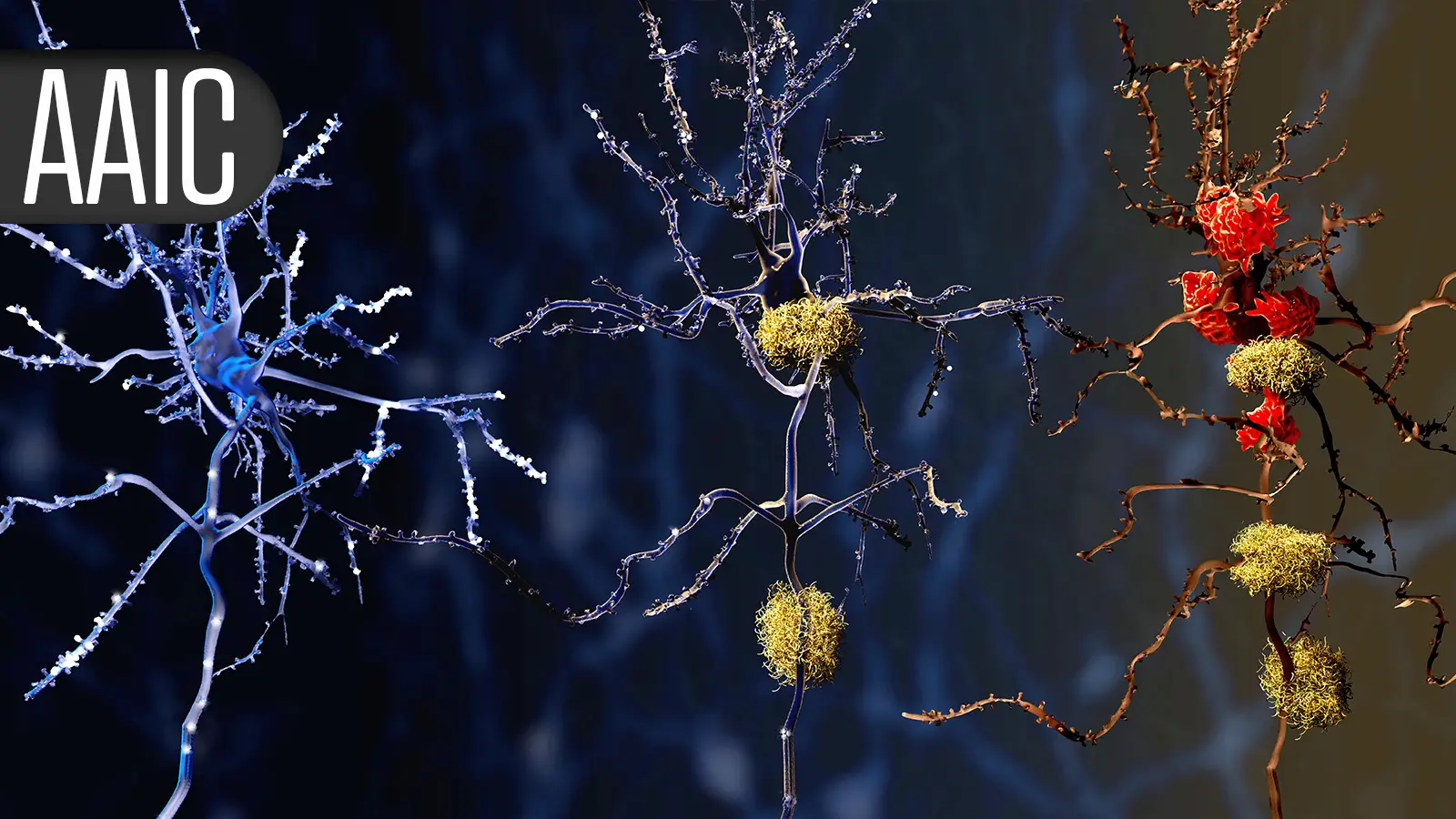
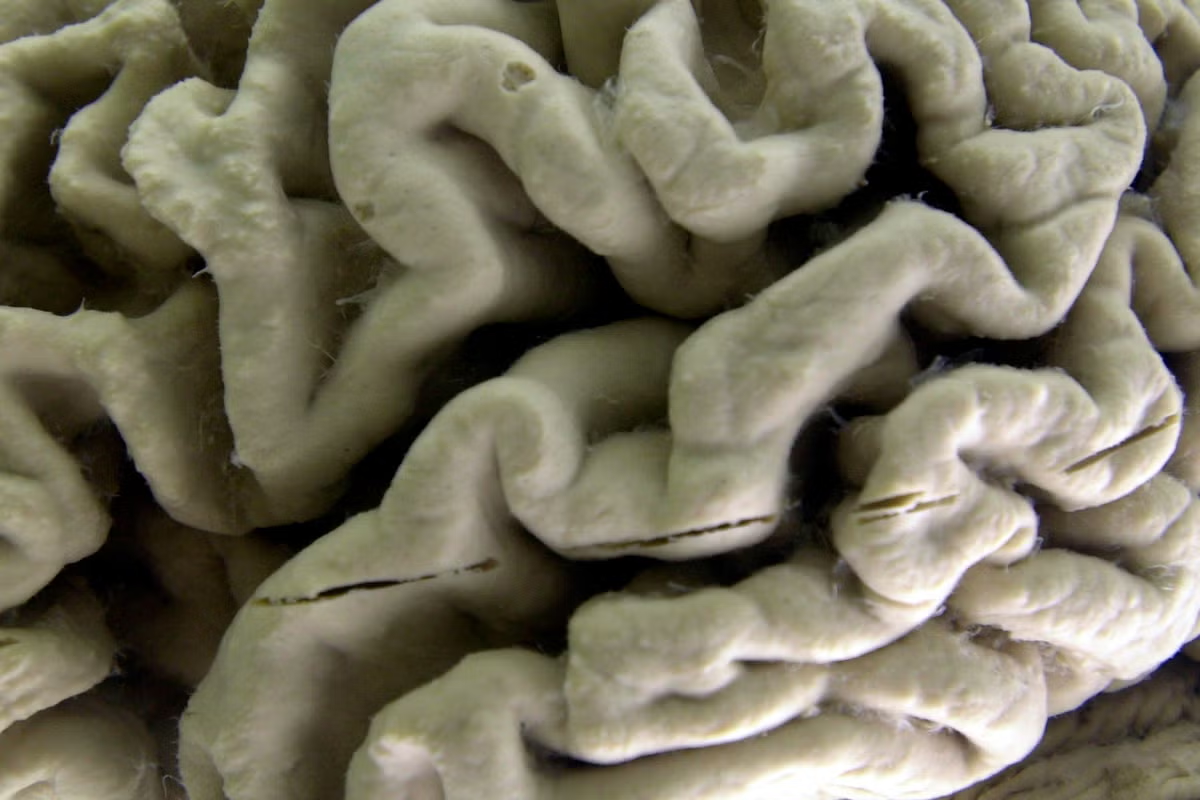
The amyloid plaques, which trigger inflammation and damage communication between neurons, can collect in the brain decades before memory loss or cognitive decline — even when people are in their 30s and 40s.
As beta-amyloid levels rise in the brain, tangles of proteins called tau begin gathering inside brain cells, causing neurons to collapse and die. In some diseases such as frontal lobe dementia, which damages executive function instead of memory, tangles can accumulate without the presence of amyloid.