WARPTECHNEWS · LAB
HomeAIBusinessTechArchive
WARPTECH LAB NEWS

Warptech Lab News aggrega le notizie più rilevanti da oltre 700 fonti internazionali, con classificazione AI, TL;DR sintetici e timeline cluster su singole storie.

Navigazione

  • Home
  • Archivio
  • Editor's Brief
  • Cerca
  • Il tuo account
  • Newsletter tech/AI

Informazioni legali

  • Privacy Policy
  • Termini di servizio
  • Cookie Policy

© 2026 Sparktech S.R.L. — Tutti i diritti riservati. Sito gestito e manutenuto da Sparktech S.R.L.

Sede legale: Corso Libertà 55, 13100 Vercelli (VC), Italia · P.IVA / C.F. 02835910023 · Contatti: admin@warptechlab.com

Home
Storia in 5 fonti

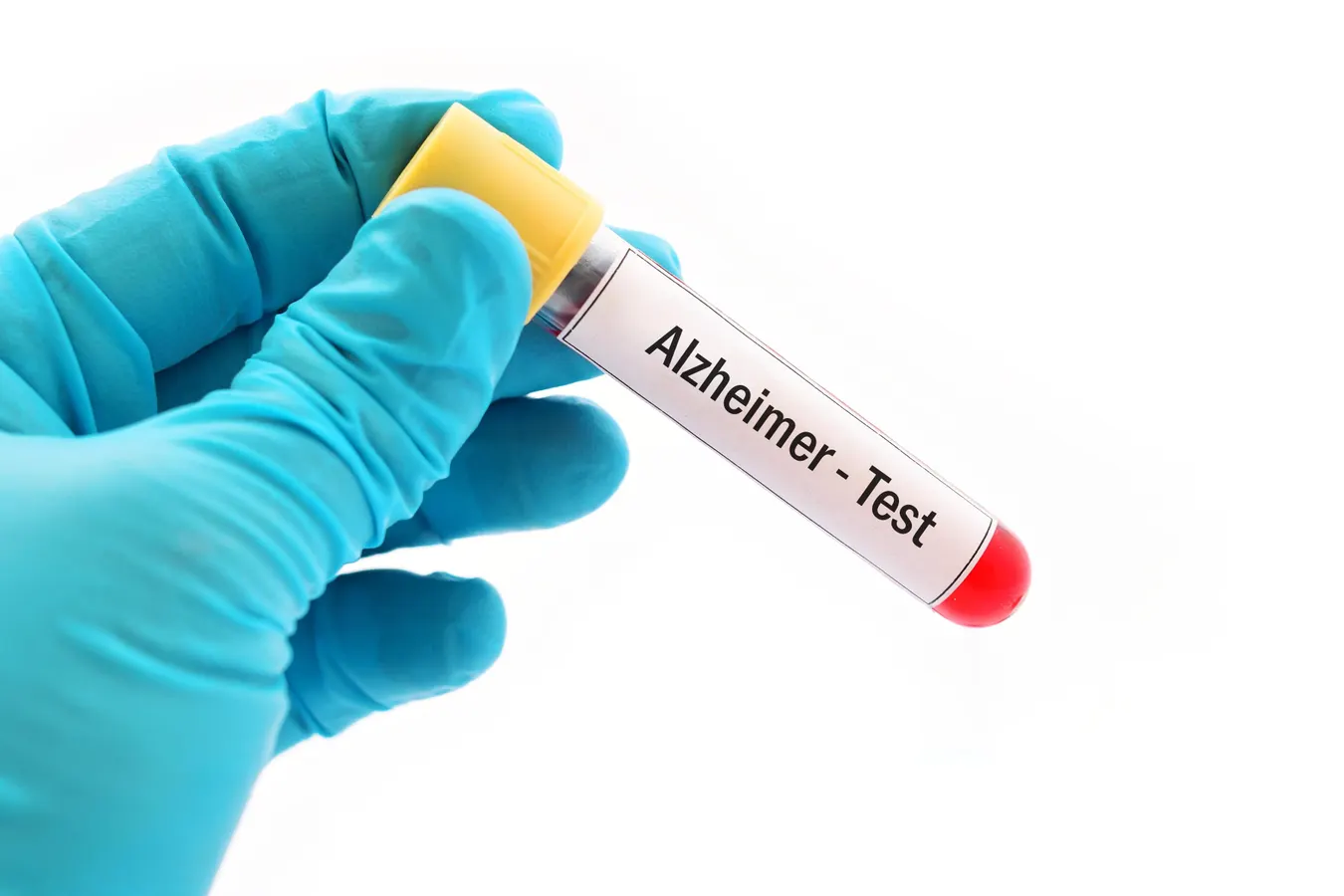
New Alzheimer’s blood test may be promising but is not yet ready for widespread use | CNN

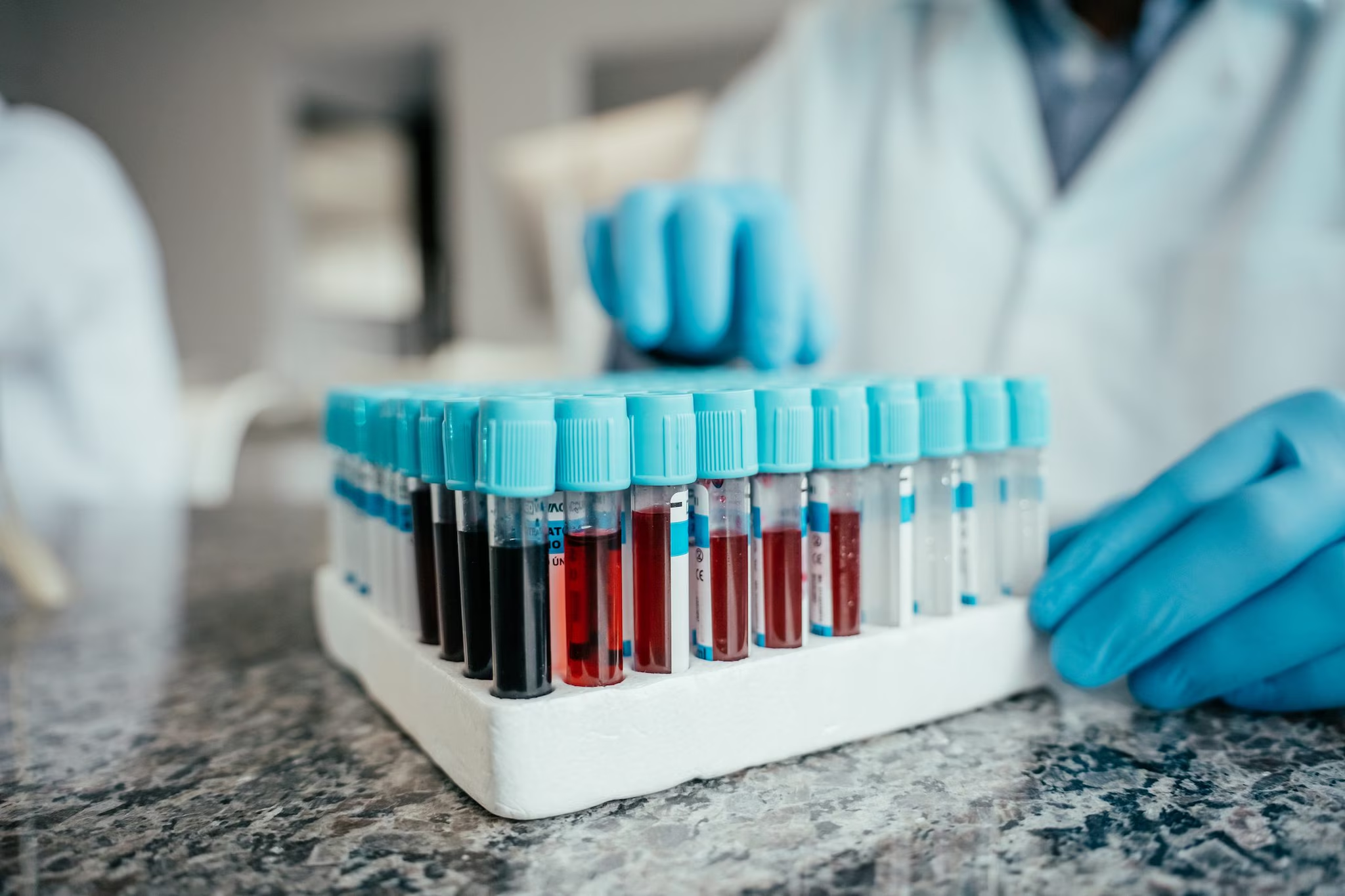
Blood tests for tau, a key biomarker of Alzheimer’s disease, may predict dementia risk, a new study found. How best to use the test, however, is unclear.

Raccontata dahealio.comapnews.comcnn.comabcnews.comcbsnews.com

Confronto fonti

5 prospettive sulla stessa storia
AI · summaries
cnn.comStai leggendo1 g fa

New Alzheimer’s blood test may be promising but is not yet ready for widespread use | CNN

Blood tests for tau, a key biomarker of Alzheimer’s disease, may predict dementia risk, a new study found. How best to use the test, however, is unclear.

originale
apnews.com1 g fa

Study shows a blood test can help identify healthy people at high risk for Alzheimer's disease

A blood test that helps diagnose Alzheimer's might also forecast if healthy older adults will develop symptoms.

Leggi questa versione → originale
abcnews.com1 g fa

Study shows blood test can help identify people at high risk for Alzheimer's disease

A blood test that helps diagnose Alzheimer's might also forecast if healthy older adults will develop symptoms

Leggi questa versione → originale
cbsnews.com22 h fa

Alzheimer's blood test may predict who's likely to develop symptoms in 5 to10 years

A blood test may predict if apparently healthy older adults are likely to develop Alzheimer's symptoms in the next five or 10 years, researchers say.

Leggi questa versione → originale
healio.com1 g fa

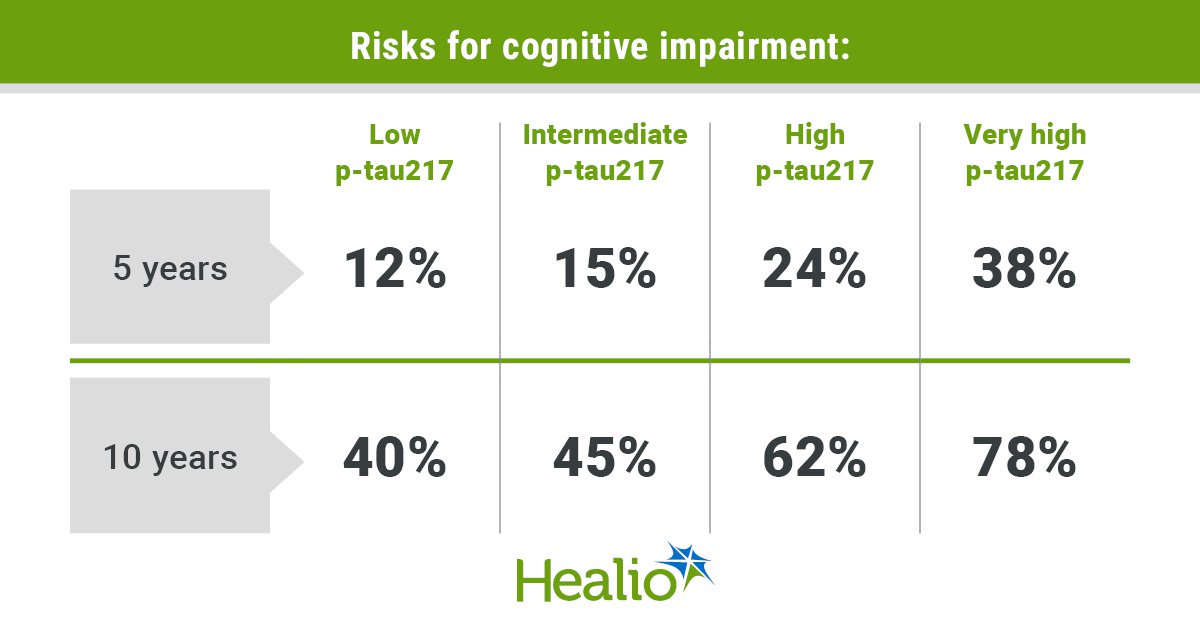
Levels of p-tau217 predict later impairment in cognitively healthy older adults

Older adults who were cognitively healthy but had very high levels of p-tau217 were 78% more likely to develop cognitive impairment within a decade, according to data presented at the Alzheimer’s Association…

Leggi questa versione → originale

Timeline cronologica

  1. mercoledì 15 luglio 2026·healio.com

    Levels of p-tau217 predict later impairment in cognitively healthy older adults

    Older adults who were cognitively healthy but had very high levels of p-tau217 were 78% more likely to develop cognitive impairment within a decade, according to data presented at…

  2. mercoledì 15 luglio 2026·healio.com

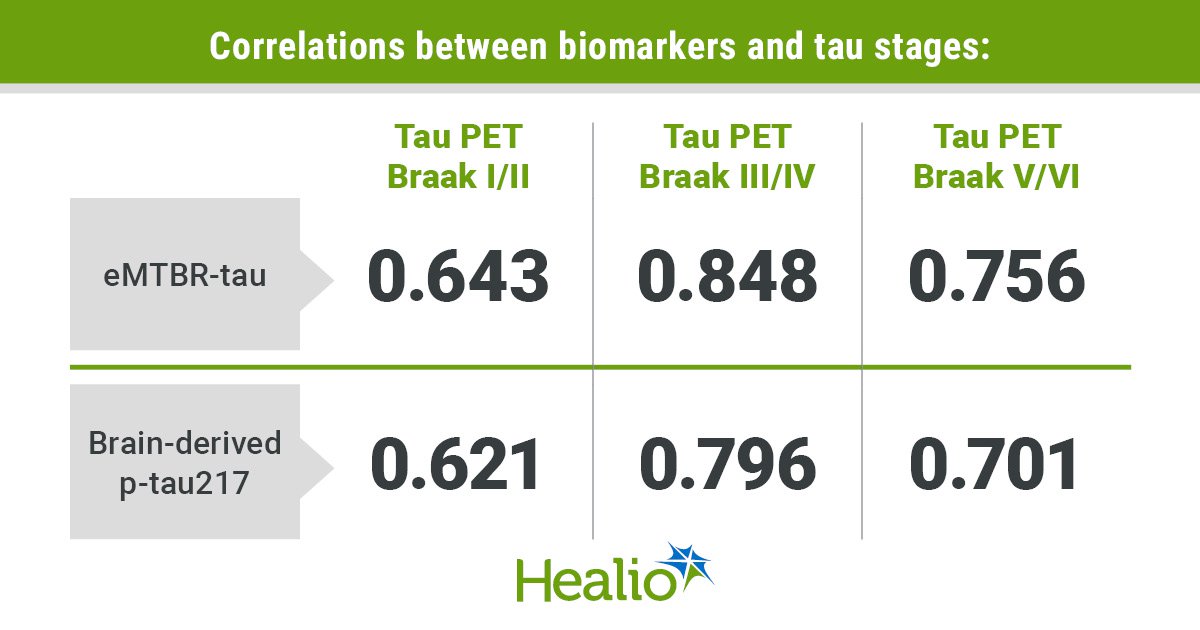
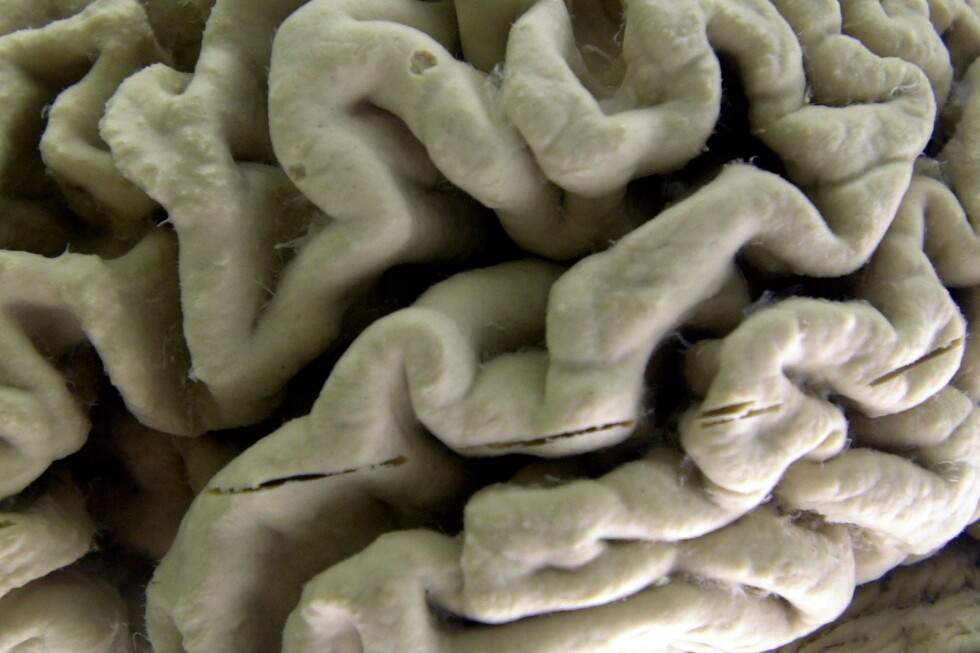
    Assay measures eMTBR-tau as biomarker for tau tangle burden in Alzheimer’s diagnosis

    A commercial assay that measures eMTBR-tau may be an alternative to tau PET imaging in diagnosing Alzheimer’s disease, according to data presented at the Alzheimer’s Association…

  3. mercoledì 15 luglio 2026·apnews.com

    Study shows a blood test can help identify healthy people at high risk for Alzheimer's disease

    A blood test that helps diagnose Alzheimer's might also forecast if healthy older adults will develop symptoms.

  4. mercoledì 15 luglio 2026·cnn.com

    New Alzheimer’s blood test may be promising but is not yet ready for widespread use | CNN

    Blood tests for tau, a key biomarker of Alzheimer’s disease, may predict dementia risk, a new study found. How best to use the test, however, is unclear.

  5. mercoledì 15 luglio 2026·abcnews.com

    Study shows blood test can help identify people at high risk for Alzheimer's disease

    A blood test that helps diagnose Alzheimer's might also forecast if healthy older adults will develop symptoms

  6. mercoledì 15 luglio 2026·cbsnews.com

    Alzheimer's blood test may predict who's likely to develop symptoms in 5 to10 years

    A blood test may predict if apparently healthy older adults are likely to develop Alzheimer's symptoms in the next five or 10 years, researchers say.