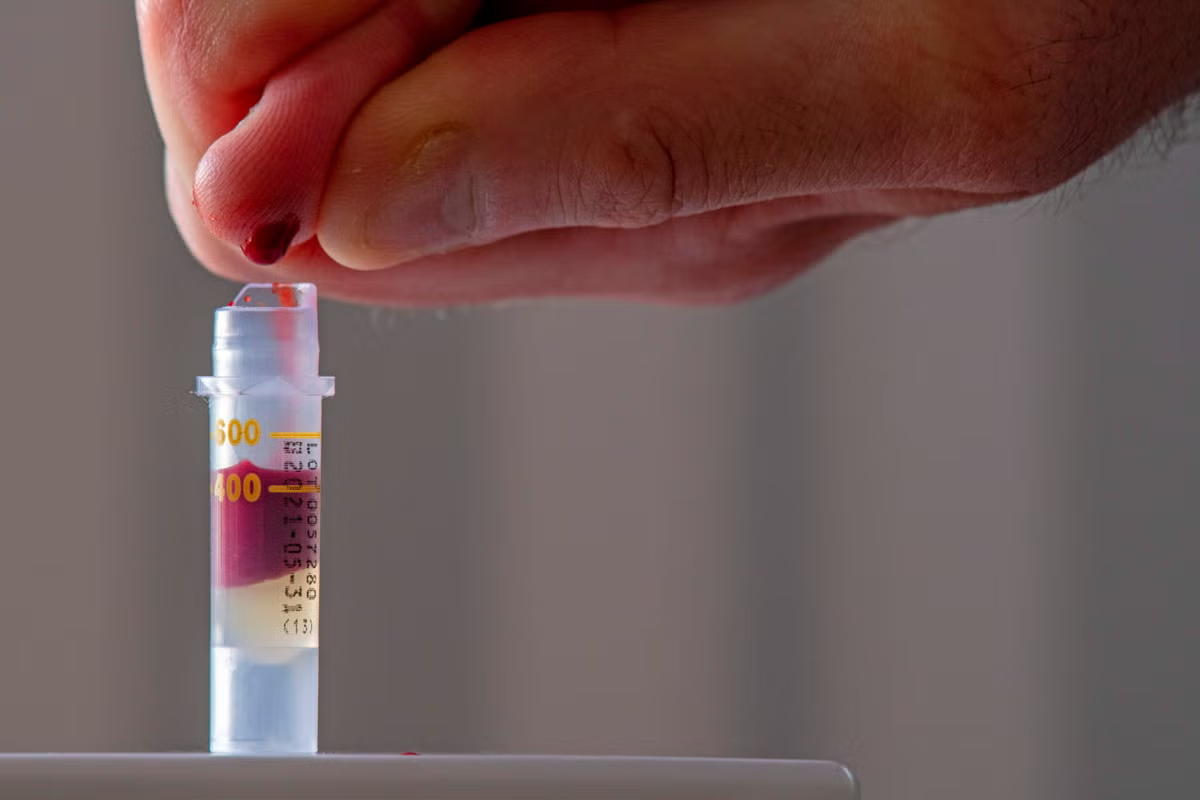
ST. PAUL, Minin., Feb. 27 (UPI) -- A team of U.S.-based scientists say they have developed a model using a "biological clock" to predict -- with just a simple blood test -- when someone is likely to develop symptoms of Alzheimer's disease.
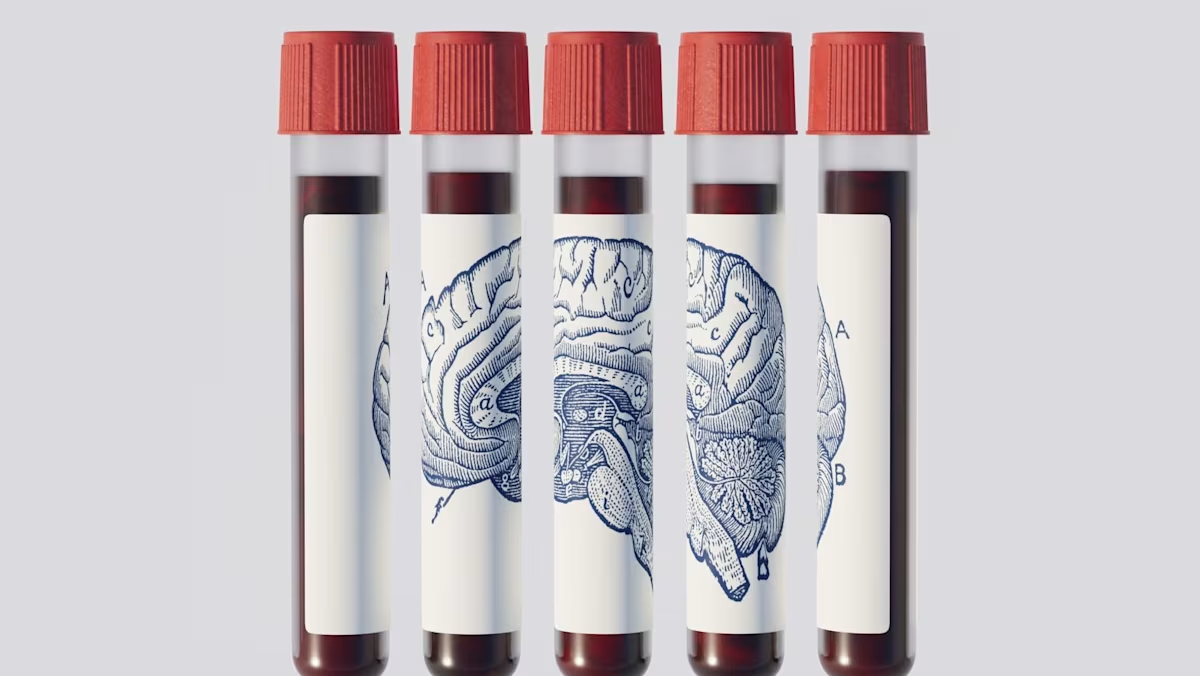
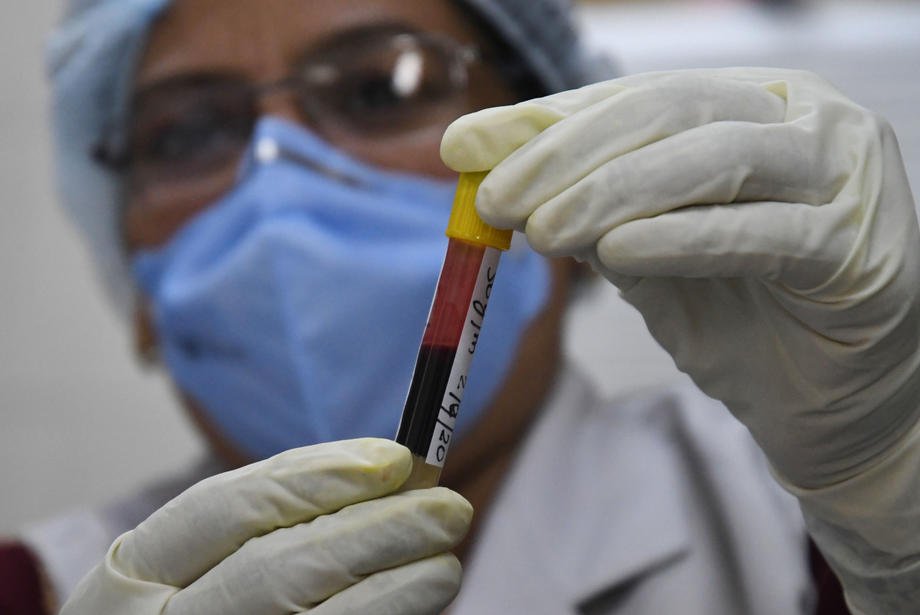
The results of a study published this month in the journal Nature Medicine demonstrate how, by measuring blood plasma levels of a protein in people who are not yet impaired by Alzheimer's symptoms, researchers can predict when cognitive decline will begin within a margin of three to four years.
While there is no single, stand-alone test to diagnose Alzheimer's today, the new method works by leveraging how levels of the protein "p-tau217" in the blood closely reflect how much amyloid plaque has built up in the brain over time. This provides doctors with a "clock" that points to when a patient may begin to experience symptoms.
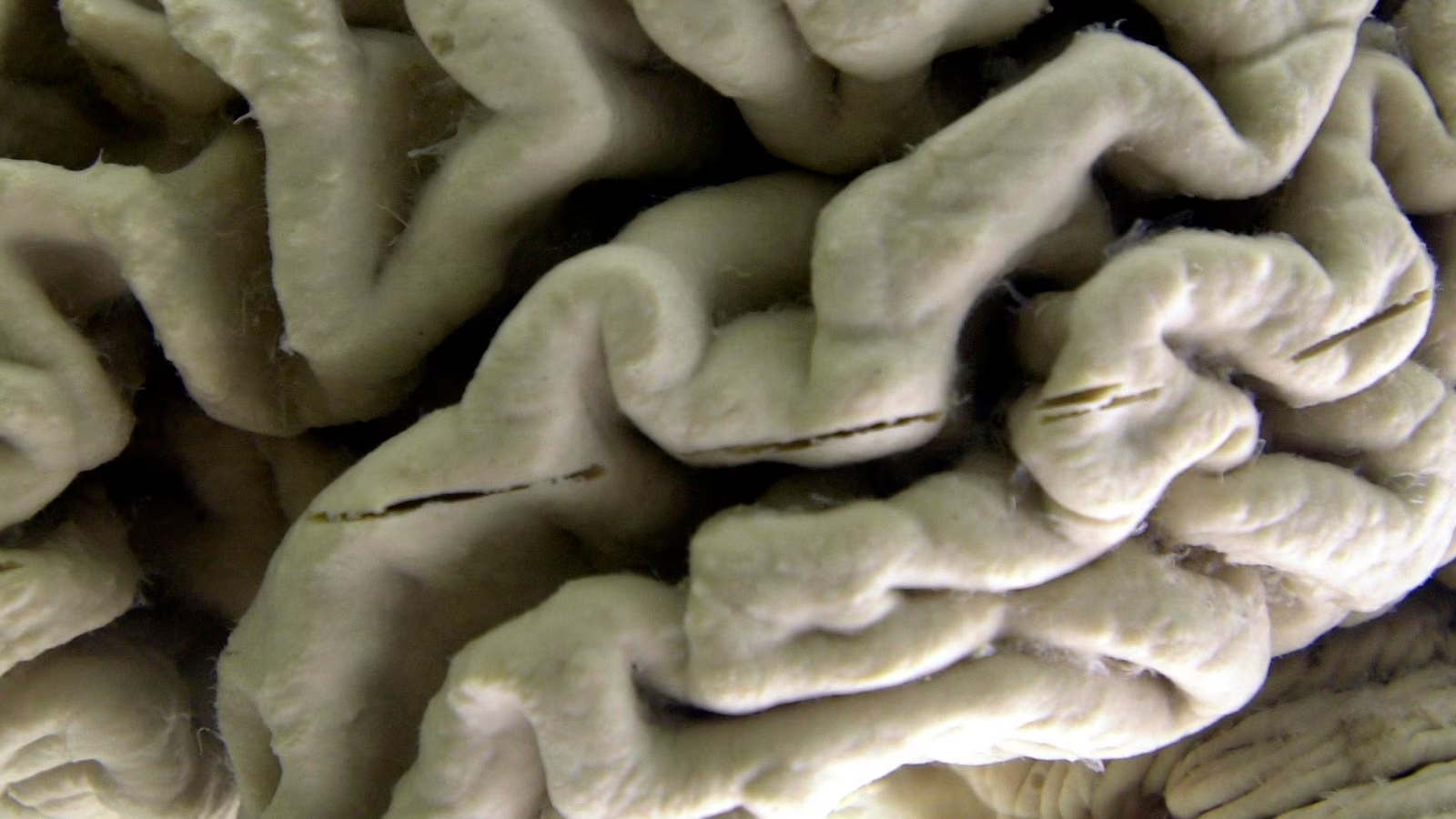
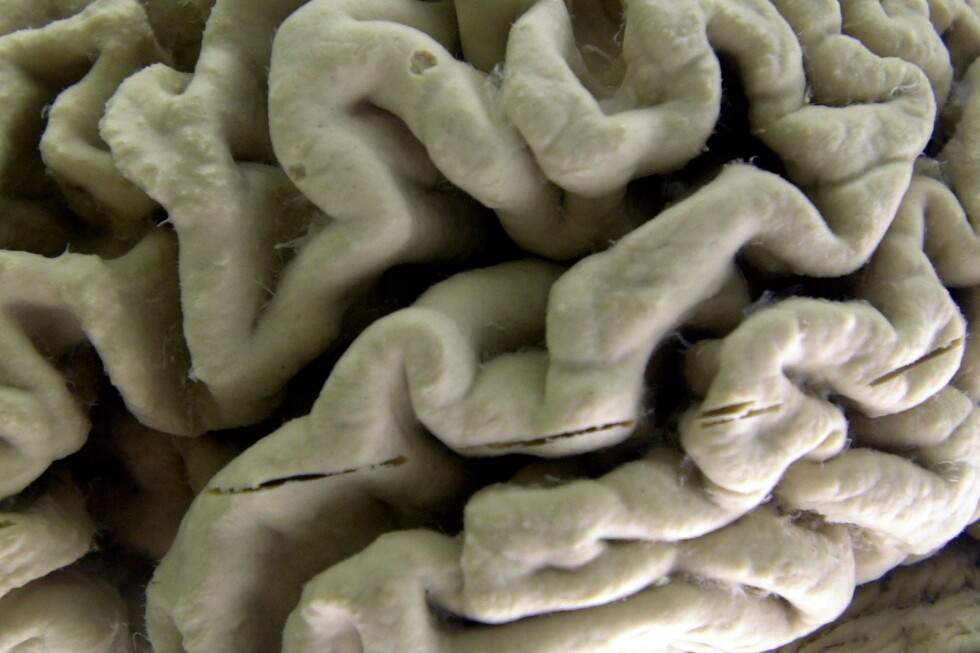
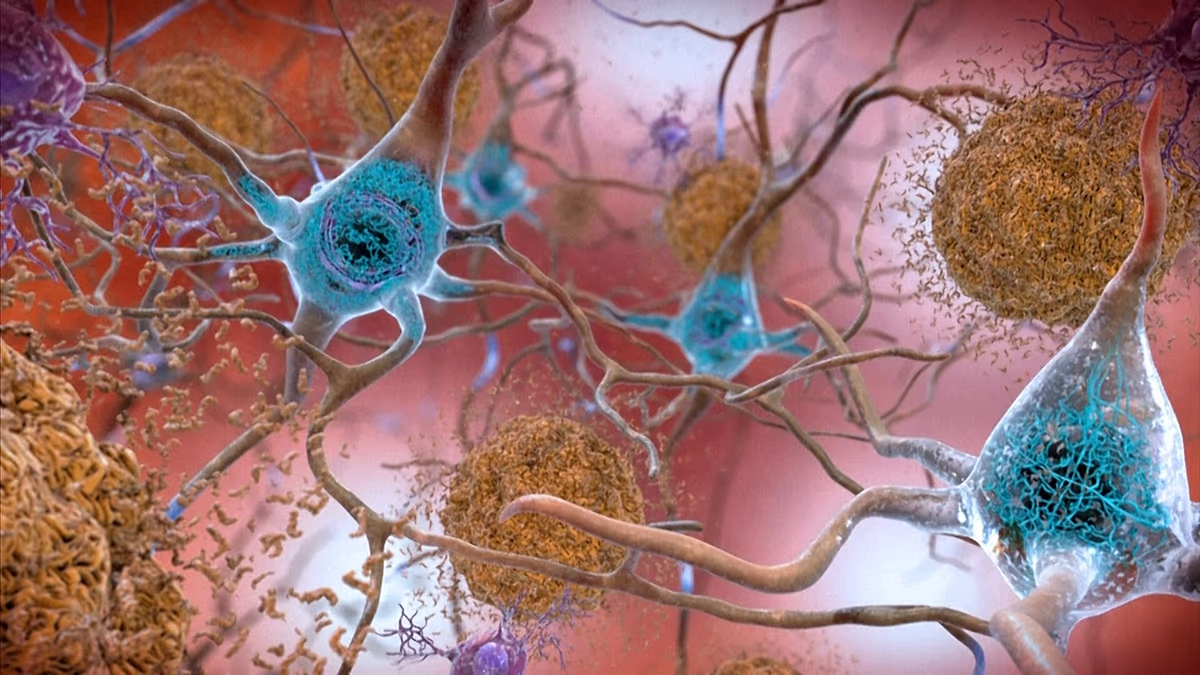
Amyloid buildup in the brain may begin up to 20 years before a person starts to experience symptoms of memory and thinking issues. The plaques are a key pathological hallmark and contributing factor in Alzheimer's disease, and, much like looking at the rings of a tree, p-tau217 levels can reveal the age of the buildup.
Related