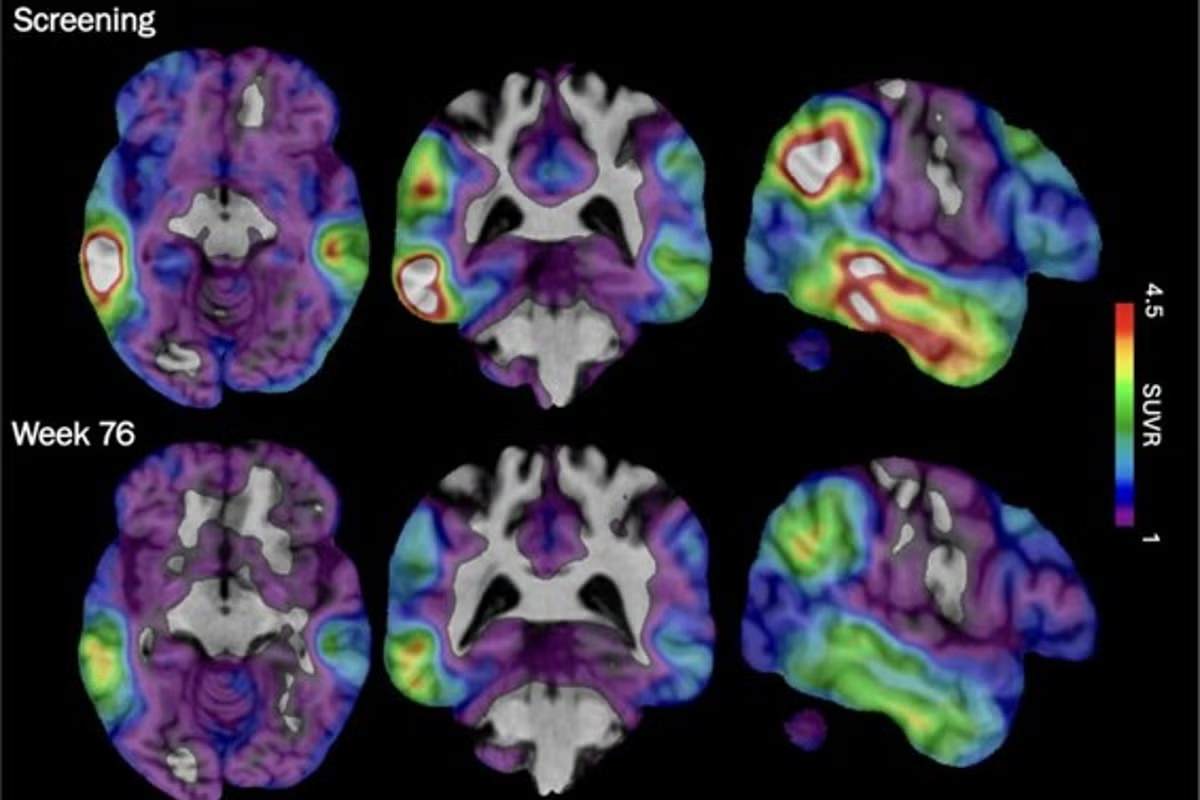
Detailed findings from a closely watched clinical trial hint that a new kind of drug may offer similar benefits as approved medicines in early Alzheimer’s disease, a result that could boost the outlook for a long-studied but unproven area of scientific research.
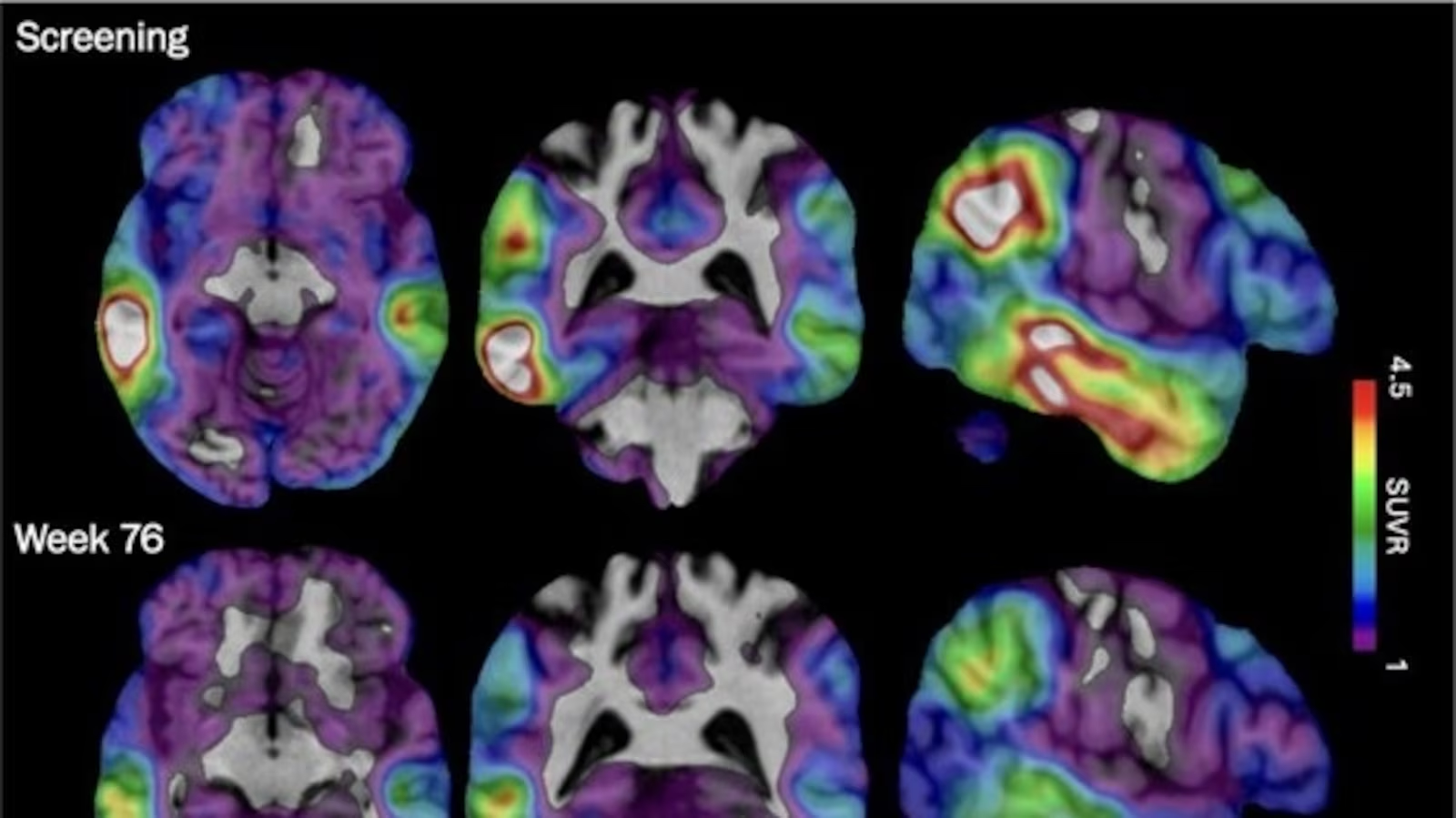
The mid-stage “Celia” trial explored whether a Biogen drug codenamed BIIB080 would be any better than a placebo at slowing the mental or functional decline of Alzheimer’s patients showing early signs of cognitive impairment. Unlike in-use therapies such as Eli Lilly’s Kisunla and Biogen and Eisai’s Leqembi, which target harmful “amyloid” proteins, BIIB080 works by gumming up the genetic instructions cells use to create another Alzheimer’s-linked protein called tau.
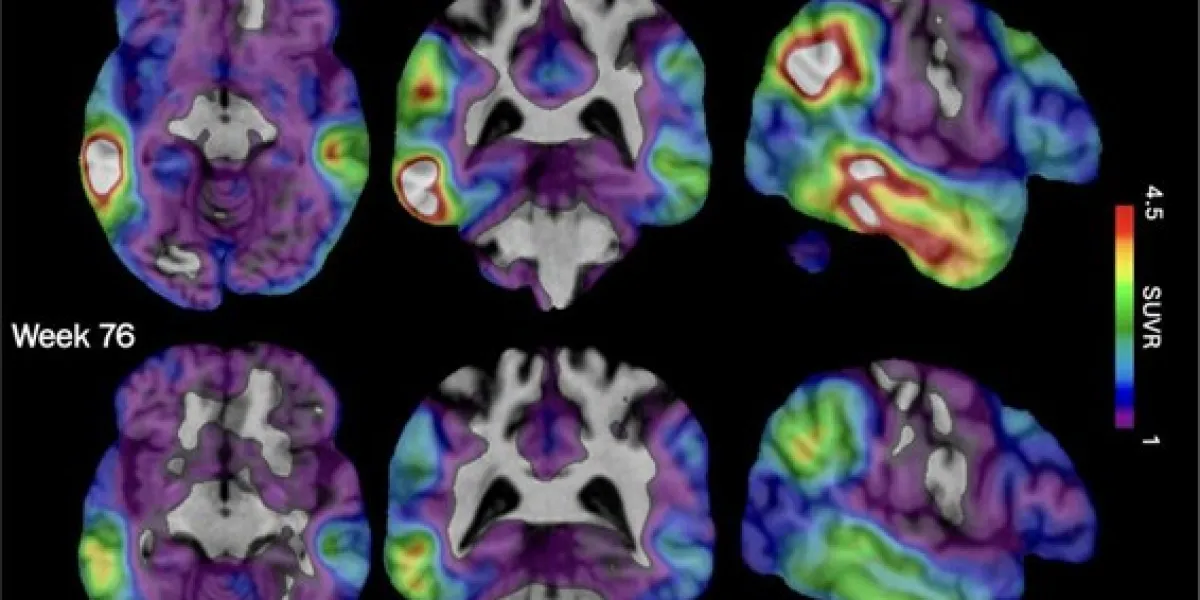
Researchers evaluated three different doses of the experimental drug and, according to results presented Tuesday at a scientific conference, found each was more effective than the placebo after 18 months of treatment. These effects were most pronounced in the lowest dose arm, where clinicians reported a 26% slowing of decline on a widely used scoring system, the “CDR-SB,” that gauges how Alzheimer’s patients are faring both mentally and in daily living.
Notably, the pivotal study which led to Leqembi’s approval demonstrated a 27% slower decline on the CDR-SB over an 18-month period. There are, however, major differences between the two experiments. The main goal of Celia, for instance, was actually to show BIIB080’s effects correspondingly change as the dose goes up. Since the opposite occurred, the trial technically failed.