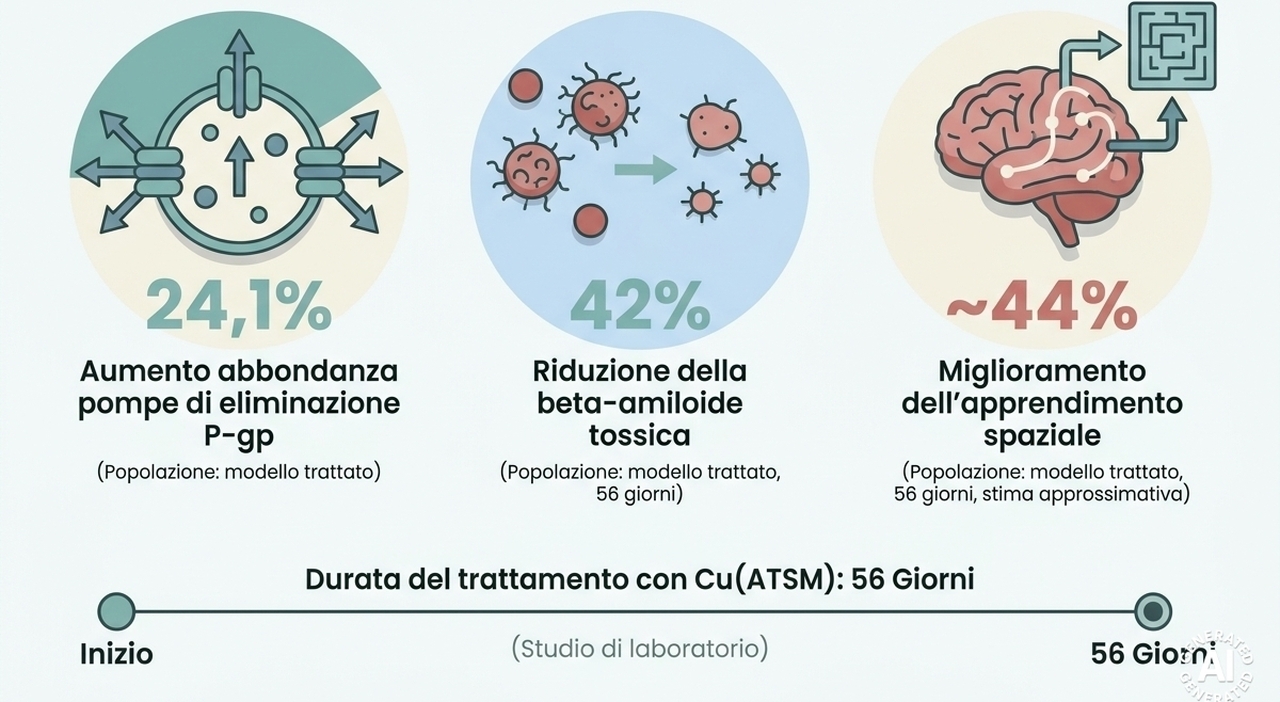
Researchers at Monash University have identified a promising new approach to tackling Alzheimer's disease. In laboratory studies, they found that a copper-based drug not only reduced the buildup of toxic proteins linked to the disease but also improved long-term spatial memory.
The findings, published in ACS Chemical Neuroscience, suggest the compound Cu(ATSM) may help restore an important function of the blood-brain barrier. By repairing a key waste-removal system, the treatment could open the door to new therapies aimed at neurovascular dysfunction, a major factor in Alzheimer's disease.
Repairing the Brain's Waste Removal System
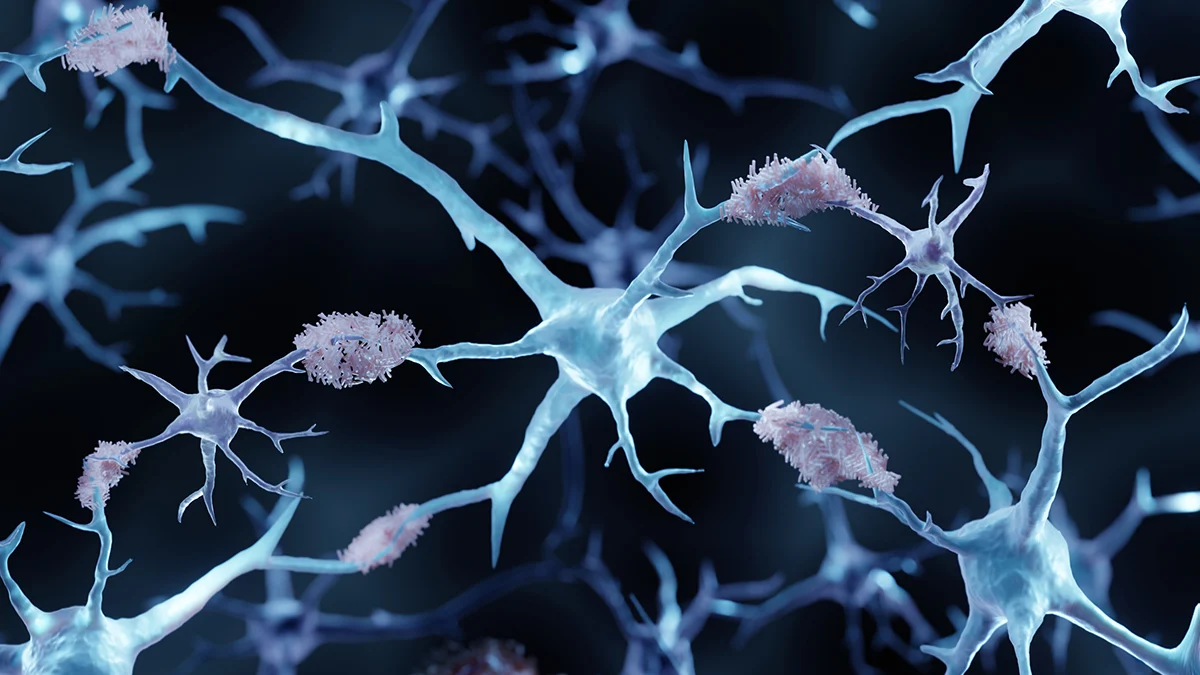
Alzheimer's disease is associated with the accumulation of amyloid-beta, a toxic protein that gradually builds up in the brain. Under normal conditions, these proteins are transported out of the brain and into the bloodstream through the blood-brain barrier.
A major part of that process relies on specialized transport proteins known as P-glycoprotein (P-gp) pumps. In people with Alzheimer's, these pumps become much less effective, reducing the brain's ability to remove harmful waste and allowing amyloid-beta to accumulate.