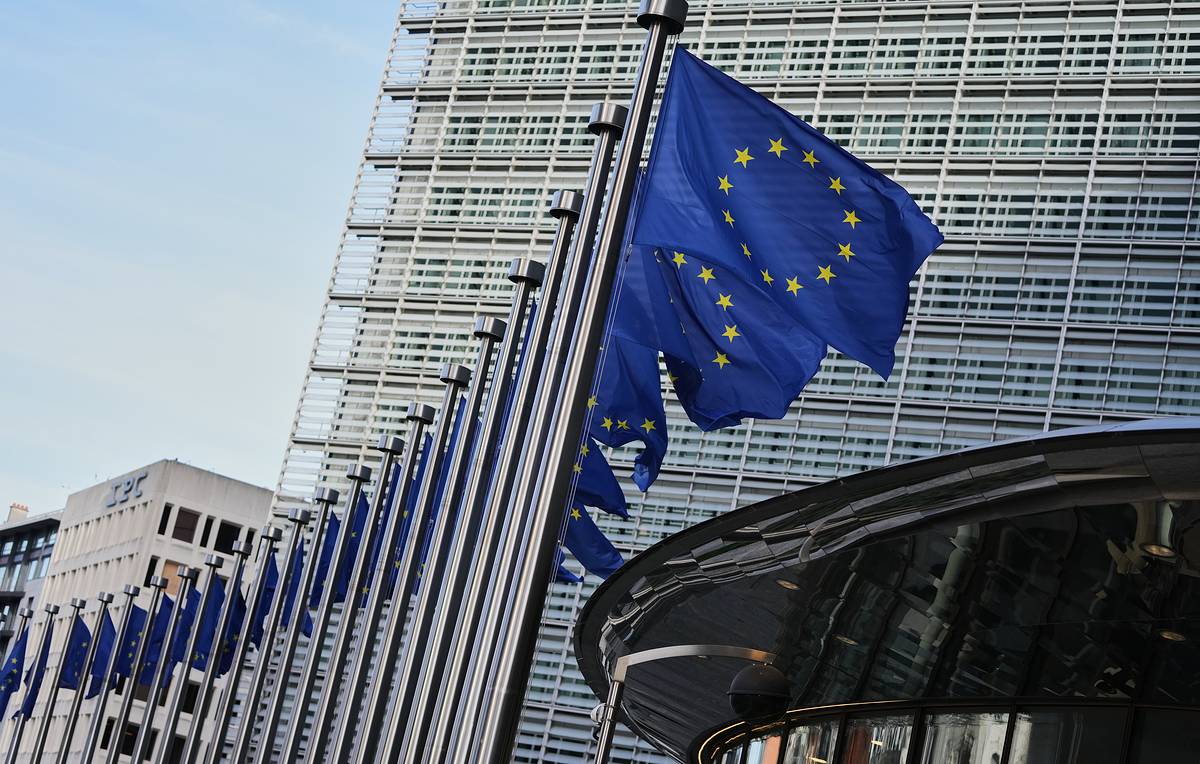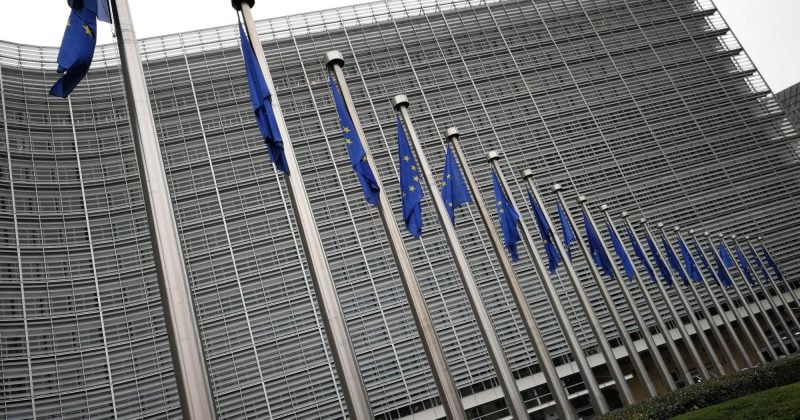
The European Union is ratcheting up its financial pressure on Russia yet again, and this time the crypto industry is squarely in the crosshairs. EU ambassadors convened on July 22 to negotiate the 21st sanctions package against Moscow, a sprawling set of measures that would target nearly 90 Russian banks, freeze assets tied to military and energy sectors, and, crucially, go after 11 crypto platforms allegedly used to dodge existing sanctions.
What’s in the package
The 21st sanctions package traces back to a proposal from European Commission President Ursula von der Leyen on June 9. It’s ambitious in scope, touching Russia’s energy revenues, banking infrastructure, trade activities, and digital asset services.
On the banking front, transaction bans would hit 35 banks, four of which are located outside Russia. The additions would push the total number of sanctioned Russian banks past 100.
Asset freezes are also being extended to individuals and entities connected to Russia’s military, energy, and maritime sectors.