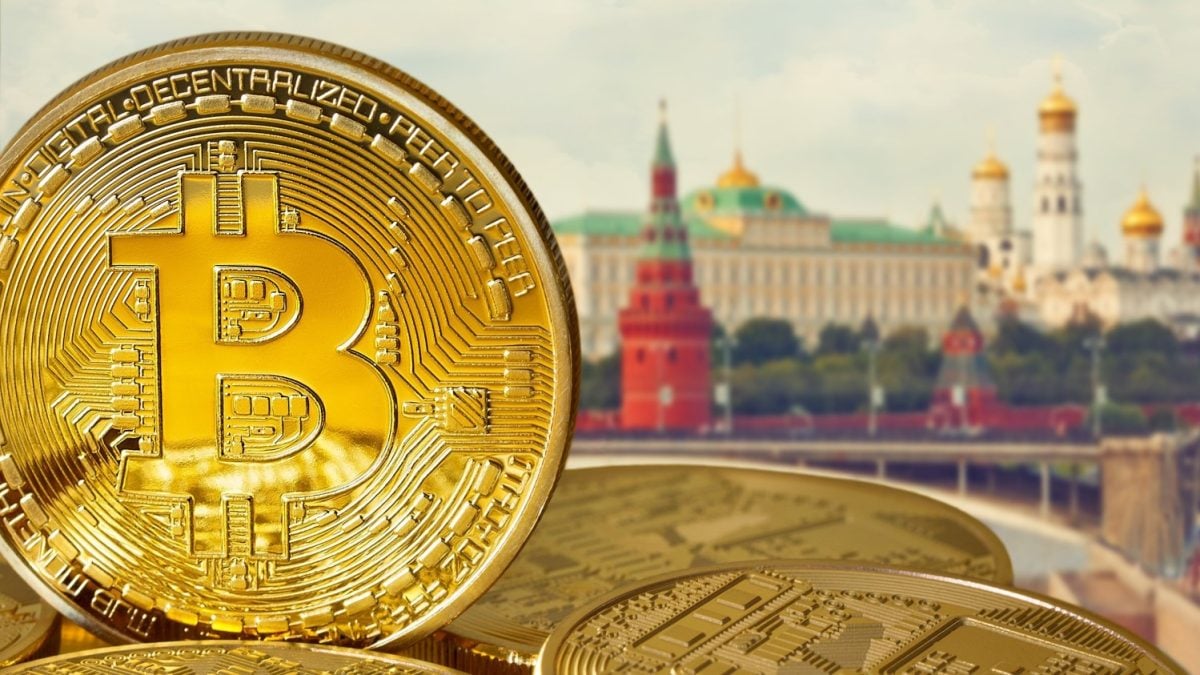
The European Union just made crypto a frontline weapon in its economic war against Russia. European Commission President Ursula von der Leyen’s 20th sanctions package, proposed on February 6 and adopted by the EU Council on April 23, introduces a sector-wide ban on Russian-operated crypto platforms and new restrictions on digital asset transactions designed to choke off evasion routes.
It’s the EU’s largest sanctions expansion in two years, adding 120 individual listings to the bloc’s blacklist.
What’s actually in the package
The package targets 20 Russian banks and four third-country lenders, imposes new trade restrictions on Kyrgyzstan as part of an anti-circumvention strategy, and adds more than 46 shadow fleet vessels to the sanctions list.
The EU has implemented a blanket ban on Russian-operated crypto platforms. New transaction restrictions on digital assets are designed to limit the creative workarounds that have kept sanctioned entities connected to global financial networks.