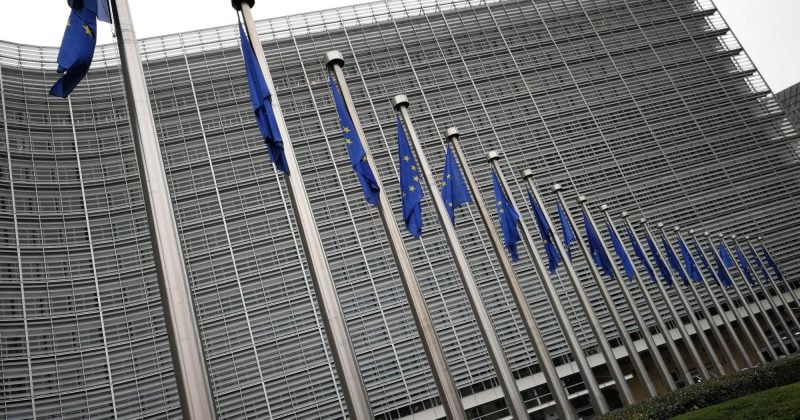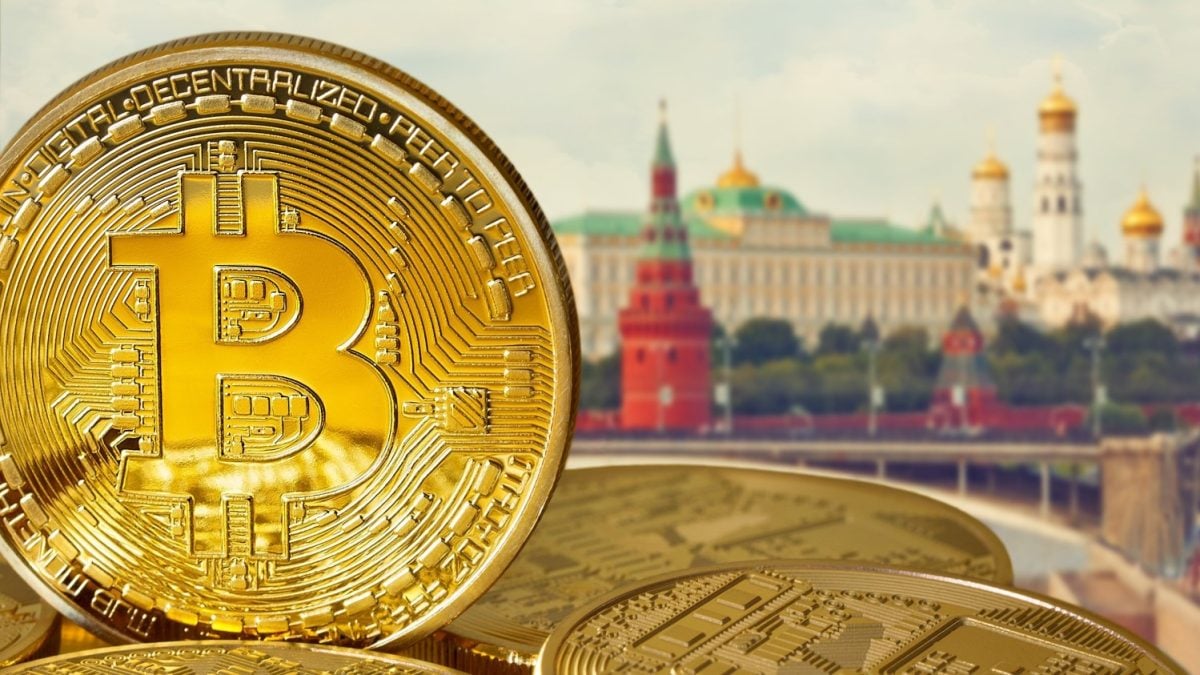
The European Union just made it significantly harder for Russian entities to use crypto as a sanctions escape hatch. EU ambassadors reached agreement on July 22 on the bloc’s 21st sanctions package against Russia, and this time, crypto platforms are squarely in the crosshairs.
The package targets 11 unnamed cryptocurrency platforms that the EU alleges have been facilitating sanctions evasion on behalf of Russian interests. It also expands transaction bans to additional Russian banks, pushing the total number of sanctioned financial institutions past 100.
What’s actually in the package
The sanctions don’t just focus on Russia-based operations. Third countries are also implicated, with Belarus and Nigeria specifically identified as jurisdictions where sanctioned entities have been operating.
Beyond crypto, the package also introduces restrictions on Russian vessels and expands the list of sanctioned banks and related entities to approximately 90. The package also introduces the potential for broader prohibitions targeting third-country providers of crypto-asset services.