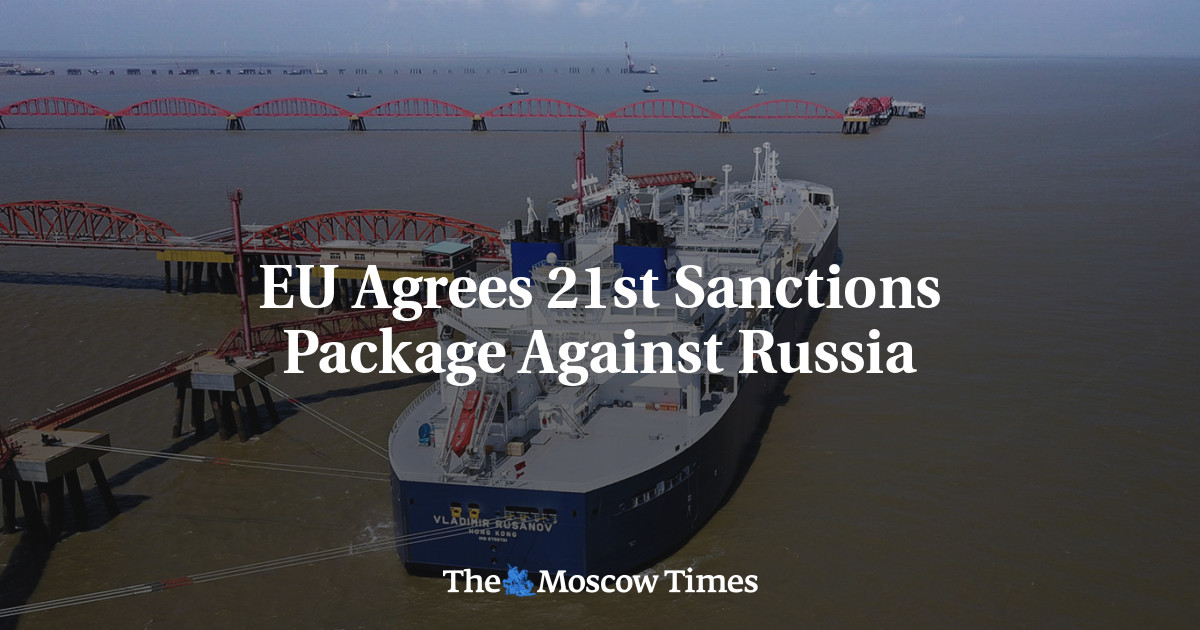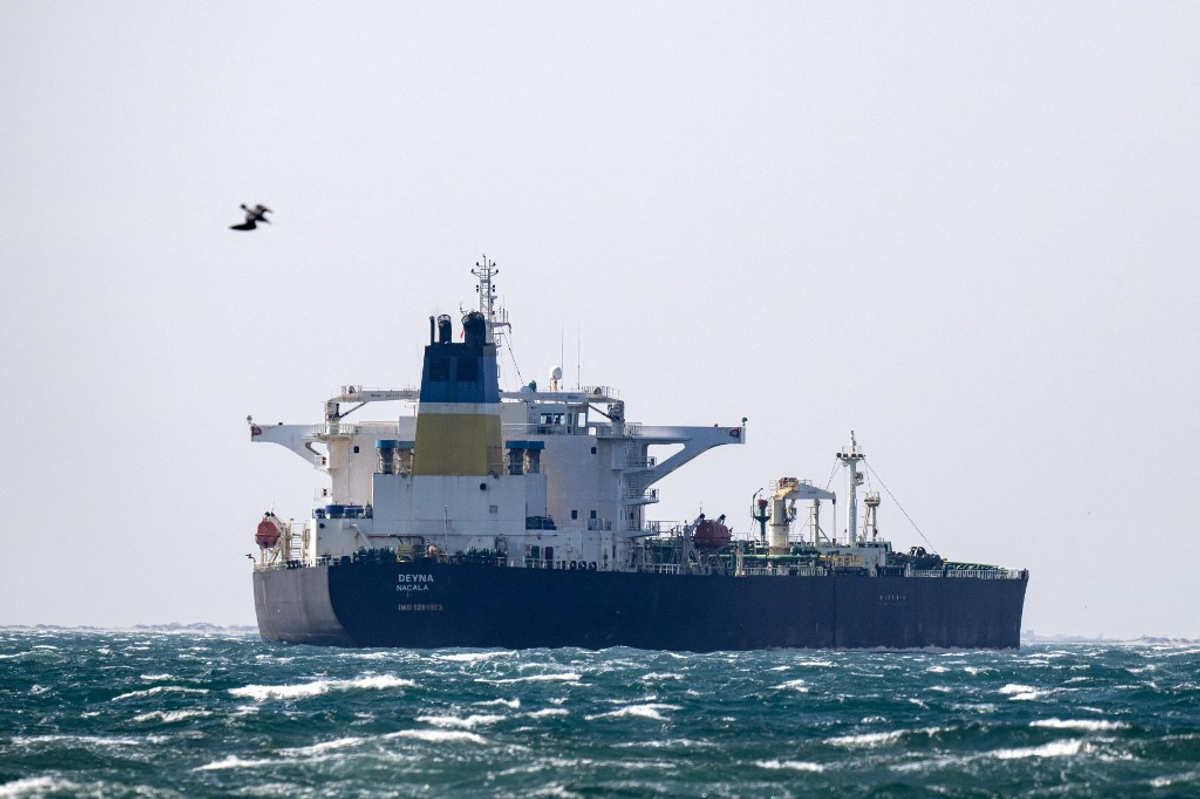
The European Union on Thursday adopted its 21st sanctions package against Russia, expanding restrictions on banks, cryptocurrency networks, oil trade, the shadow fleet and energy revenues as it steps up pressure over the war in Ukraine. The package adds 218 new designations, including 170 entities and 48 individuals, making it the bloc's largest sanctions round in four years and taking the total number of listings to nearly 3,000.The measures are aimed at tightening pressure on Russia's financial system, which EU officials see as increasingly vulnerable. A European intelligence report seen by Reuters in June warned that Russia faces the risk of an "explosive" banking crisis.Also Read: Bangladesh President Mohammed Shahabuddin resignsBanks, SWIFT and crypto networks targetedThe sanctions impose full asset-freeze measures on 94 Russian financial institutions and ban transactions with 33 Russian banks, including disconnecting them from the SWIFT international payments system. They also target four third-country banks in Mongolia, Kyrgyzstan and Russian banking subsidiaries in India. Moscow's stock exchange has also been added to the sanctions list.The EU also widened restrictions on Russia-linked cryptocurrency networks. It imposed transaction bans on 14 crypto platforms in Georgia, Panama, the Marshall Islands, Belarus and the United Arab Emirates, while sanctioning four entities linked to the A7 crypto payment network. The package also creates a new legal basis to ban transactions with crypto operators in third countries that help Russia evade EU sanctions.Also Read: International rights groups warn Nepal against political interference in Supreme CourtOil price cap, shadow fleet under focusTo curb Russia's oil revenues, the bloc froze the Russian oil price cap at $44.10 per barrel for the next 12 months, preventing an automatic increase to about $58.50. Another 41 shadow fleet vessels were added to the sanctions list, taking the total to more than 670 ships. The package also broadens listing criteria to include vessels that service or refuel shadow fleet tankers and allows EU countries to confiscate and sell cargo carried by detained shadow fleet vessels.The sanctions further target Russia's energy sector by adding 18 entities and one individual to the sanctions list, including three Russian refineries and one refinery in Belarus. Transaction bans have also been imposed on five oil traders, two Russian ports and four airports. A transaction ban on Georgia's Kulevi refinery will take effect after a six-month implementation period.LNG imports face tighter restrictionsOn liquefied natural gas (LNG), the EU introduced a requirement to notify authorities of LNG tanker sales. It also granted a one-year exemption allowing EU operators to continue transferring Russian LNG to non-EU countries under contracts signed before February 24, 2022. The exemption is capped at 2025 volumes and can be renewed. The EU's import ban on Russian LNG will come into force on January 1, 2027, while existing LNG restrictions remain unchanged.Military exports and trade restrictions expandedThe package also expands restrictions on Russia's military-industrial complex. It adds 56 entities and individuals to the sanctions list, including 37 linked to long-range Garpiya drones. Another 51 companies face export restrictions on dual-use goods and technology, including firms in China, Hong Kong, India, Kazakhstan, Kyrgyzstan, Turkey and the UAE.New export bans also cover specialty metals and alloys such as nickel and beryllium powders and target actors linked to Russia's satellite communications system being developed as an alternative to Starlink.Other measures include import bans on selected metals, ores, glassware, imitation pearls and car parts, additional sanctions on companies involved in Russian gold and diamond exports, listings of eight individuals accused of promoting Russian propaganda, stronger legal protections for European companies against Russian court judgments linked to sanctions, and a mechanism allowing EU countries to deny entry to Russian soldiers who fought in Ukraine.The package also extends exemptions for Japan related to the Sakhalin-2 oil and LNG project and grants South Korea an LNG exemption until March 31, 2028.
EU's new Russia sanctions: What's in the 21st package
The European Union has adopted its twenty-first sanctions package against Russia. This expands restrictions on banks, cryptocurrency networks, and oil trade significantly. The bloc also froze the Russian oil price cap for the next twelve months. New measures target Russia's military-industrial complex and dual-use goods. These actions aim to increase pressure on Russia over the war in Ukraine.
631 words~3 min read