The European Union has finally adopted its 21st package of sanctions against the aggressor state, Russia. After weeks of difficult negotiations, the bloc reached long-awaited unanimity on extending the price cap on Russian oil, took another step toward a genuine ban on Russian military personnel entering the EU, added a record 218 individuals and entities to its sanctions list, and further tightened restrictions on Russia's banking sector, cryptocurrency networks, and shadow fleet.
Yet none of these measures would have been possible without a series of compromises with member states that firmly opposed key elements of the European Commission's original proposal.
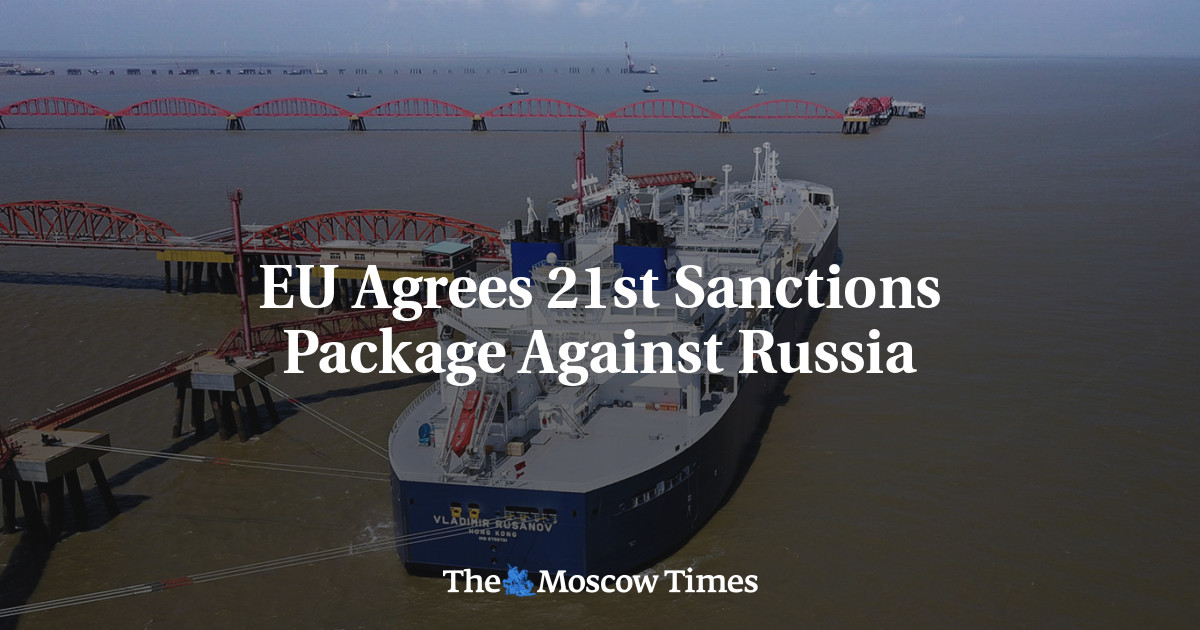
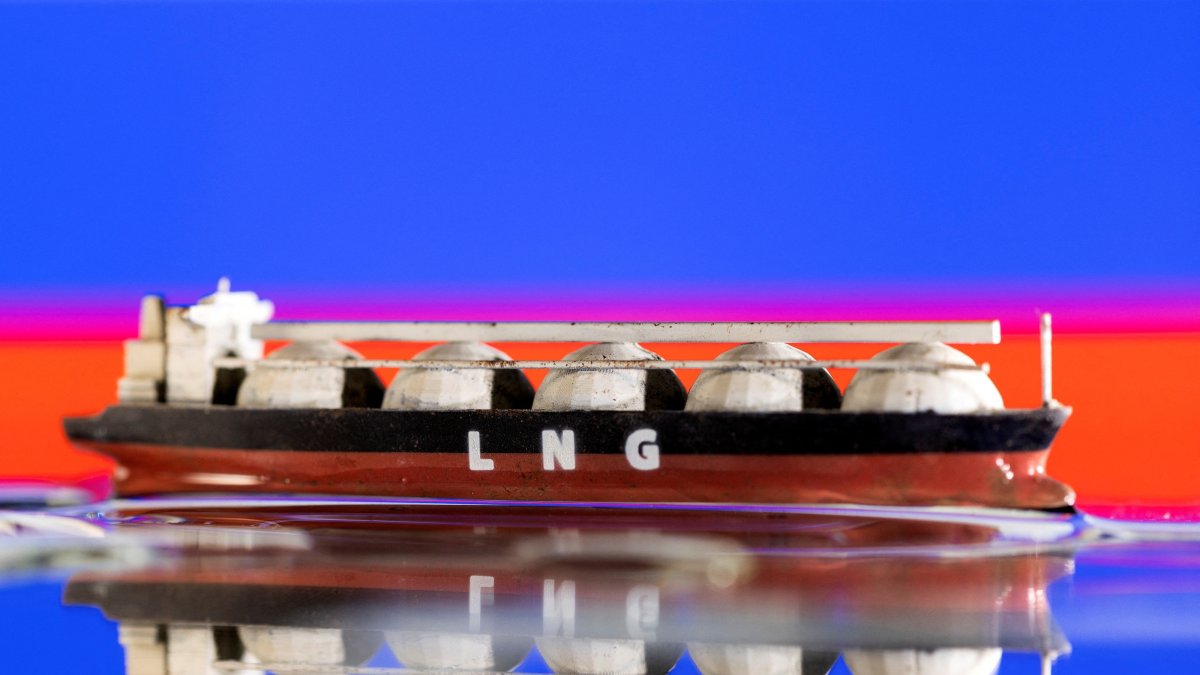
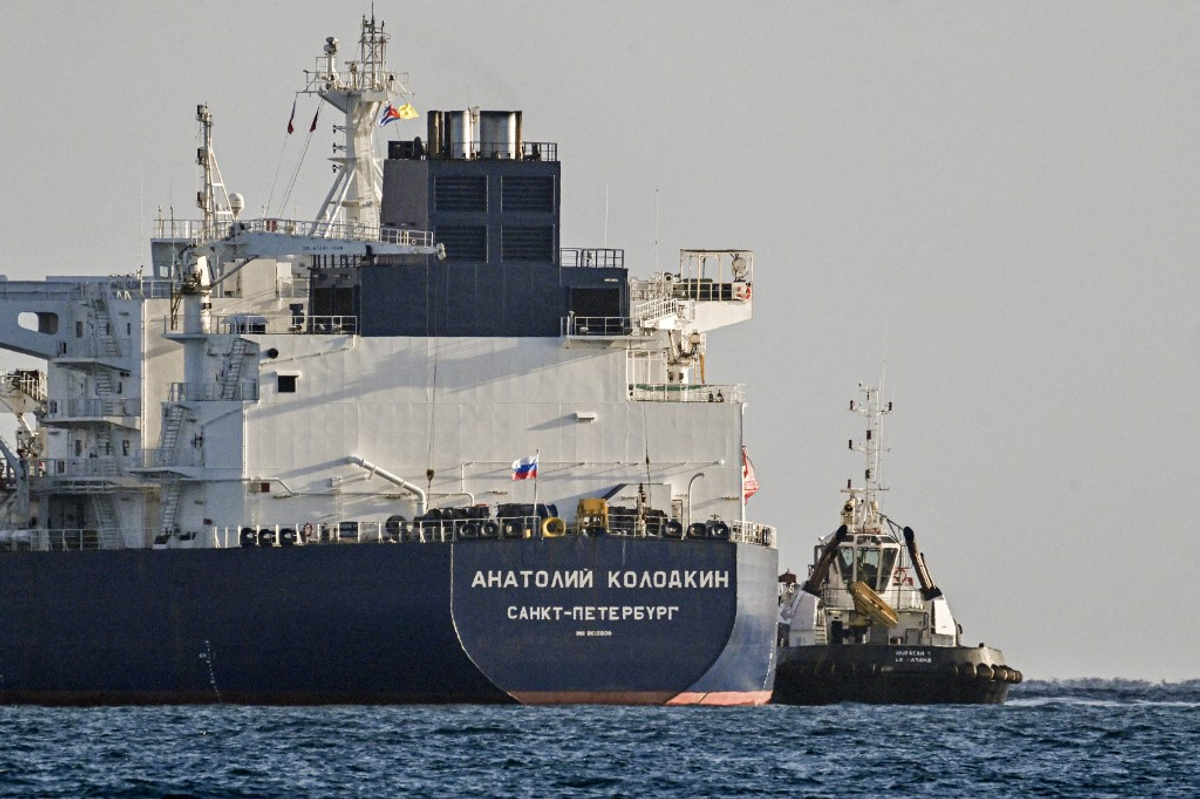
Greece ultimately secured an exemption for maritime carriers transporting Russian liquefied natural gas (LNG) to third countries. Bulgaria lifted its veto only after Russian Patriarch Kirill was removed from the sanctions list. Austria persuaded its EU partners to consider, over the coming months, possible mechanisms for compensating Raiffeisen Bank for losses incurred following its withdrawal from Russia. France and Italy, meanwhile, appear to have gained additional time on the proposed ban on former Russian military personnel entering the EU, as member states agreed only to continue working out the practical details of how such a restriction could be implemented.