The European Union has two days to agree on its 21st sanctions package against Russia, and the stakes extend well beyond oil markets. Buried inside the sprawling proposal are transaction bans targeting 11 crypto platforms accused of helping Russia dodge Western financial restrictions.
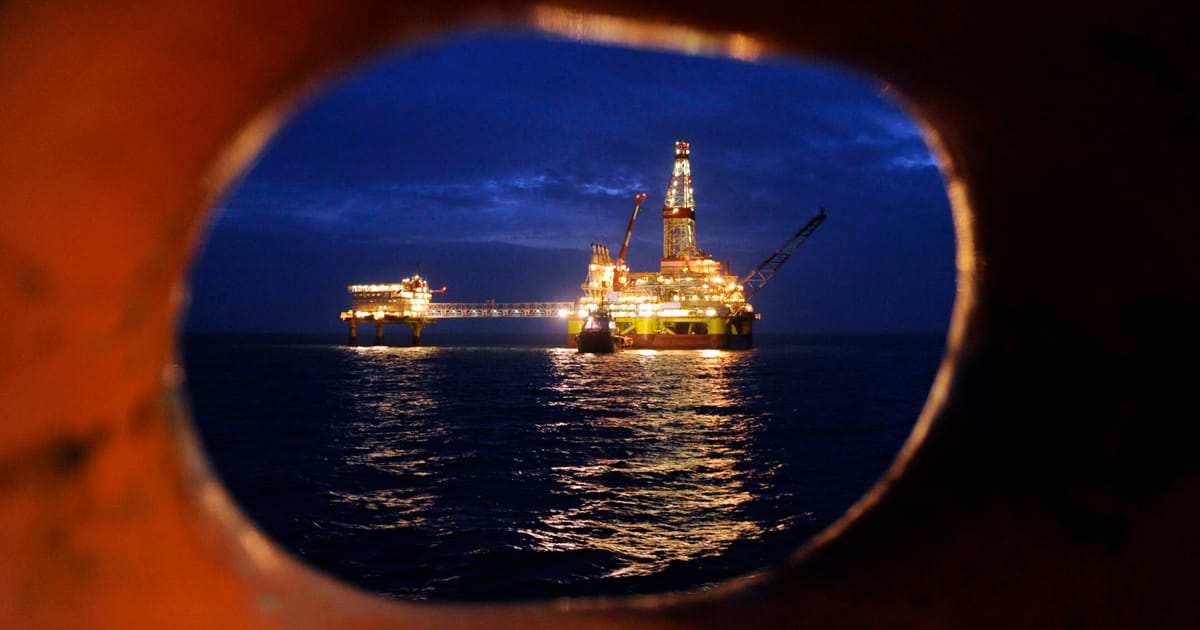
EU ambassadors have been locked in negotiations ahead of a 15 July 2026 deadline. If they miss it, an automatic adjustment mechanism kicks in that would raise the Russian oil price cap from $44.10 per barrel to roughly $58, effectively gifting Moscow a significant bump in export revenue at a moment when Western unity is supposed to be tightening the screws.
What’s actually in the package
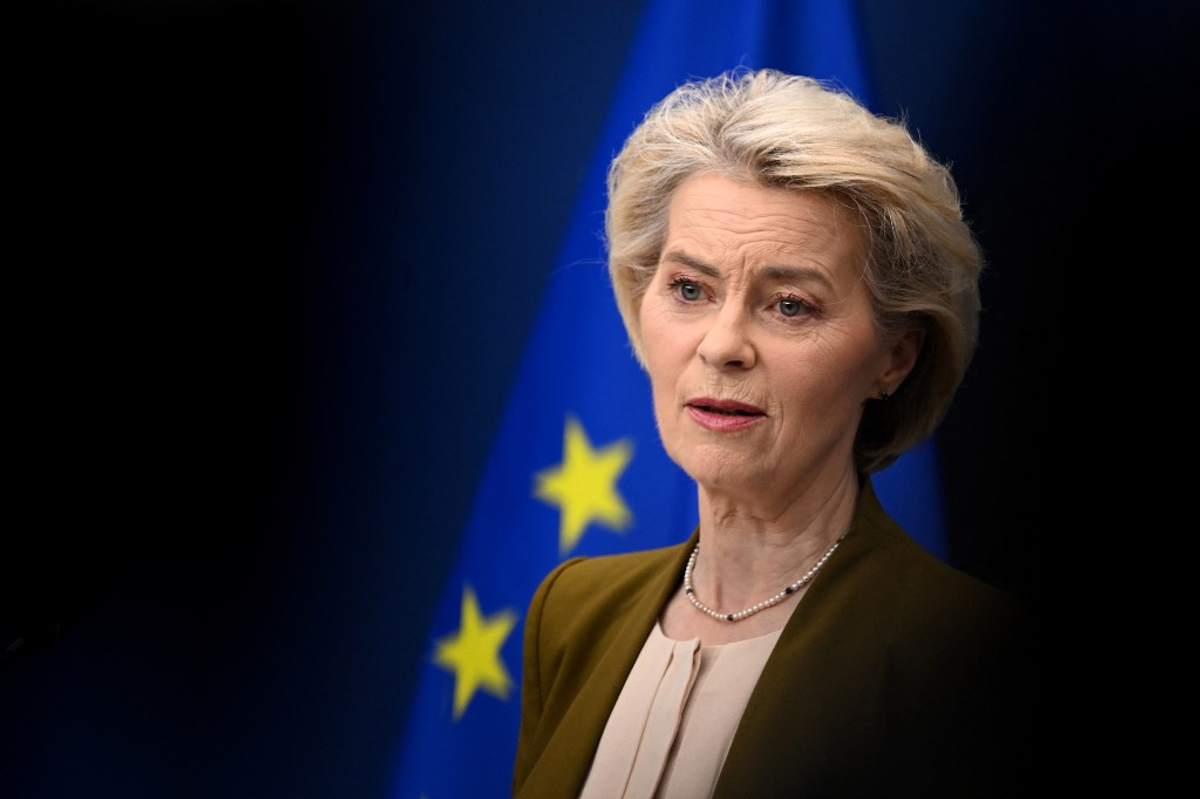
European Commission President Ursula von der Leyen unveiled the proposed sanctions on 9 June 2026. The package is notably broad, touching energy, financial services, crypto, and, for the first time, Russian fisheries.
The crypto-specific provisions are the most relevant development for digital asset markets. The EU wants to ban transactions with 11 identified crypto services that have allegedly been used to circumvent existing sanctions. On top of that, the Commission is exploring restrictions on third-party crypto-asset services, a move that could extend enforcement reach beyond platforms headquartered in EU member states.