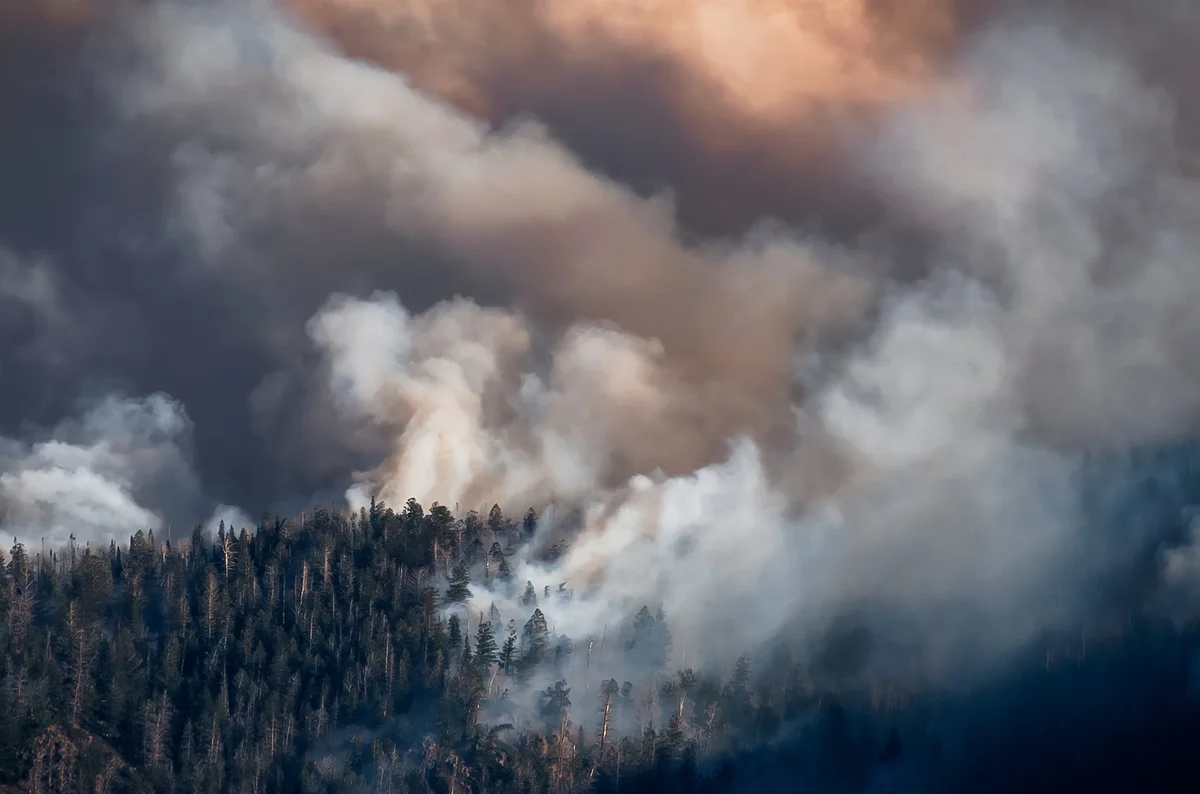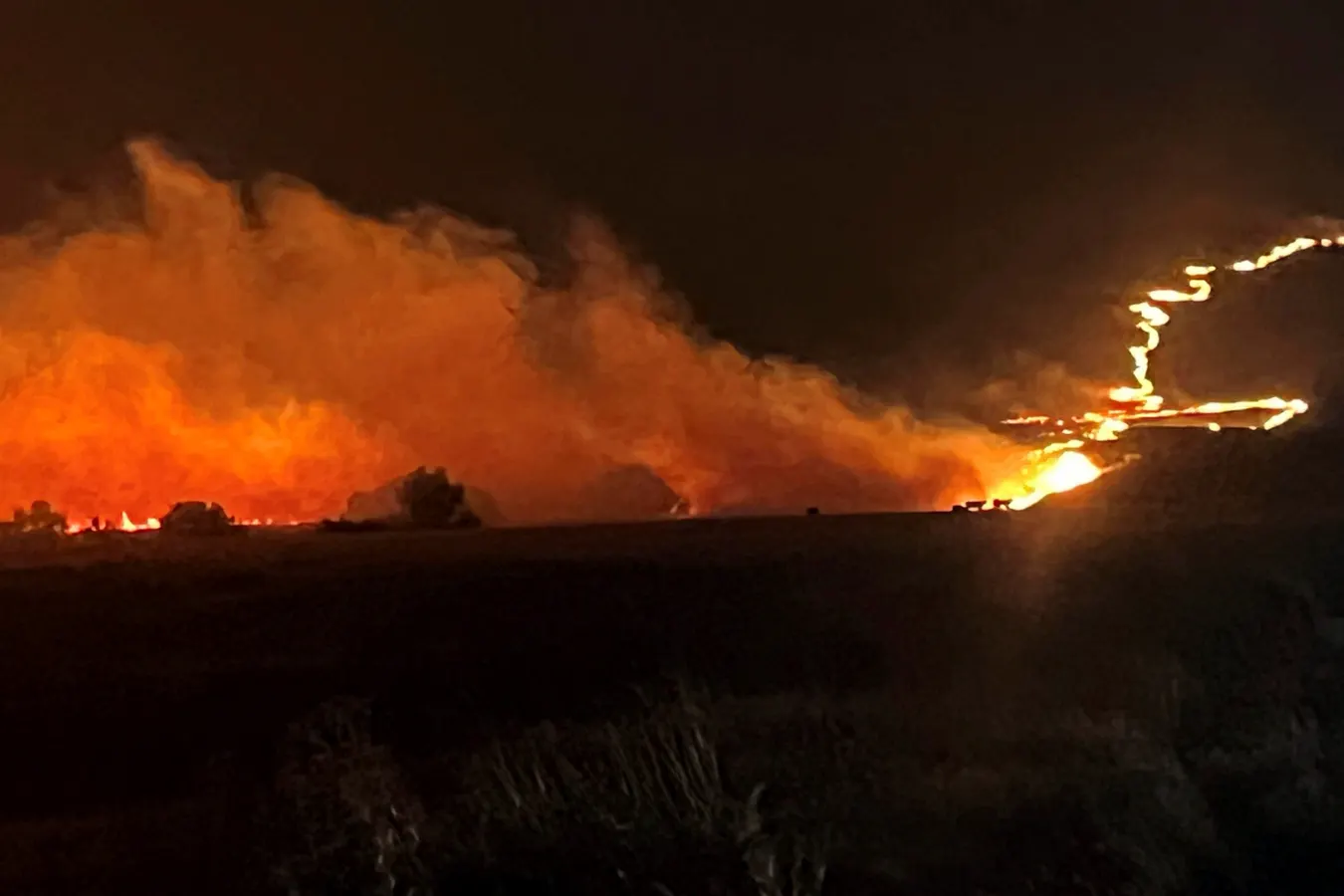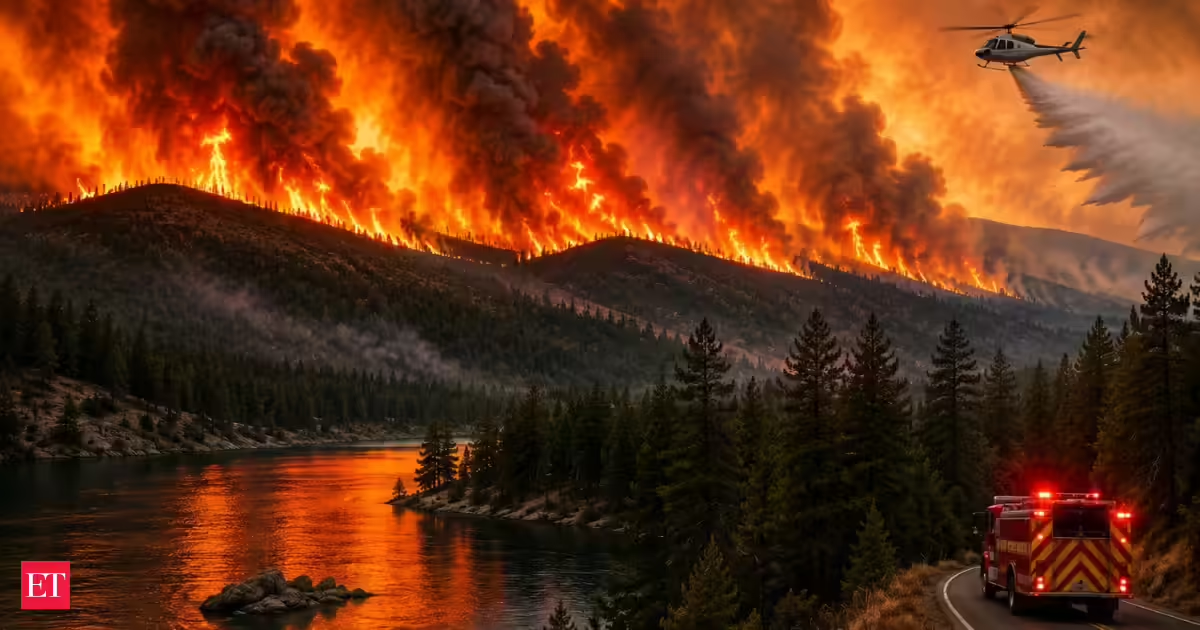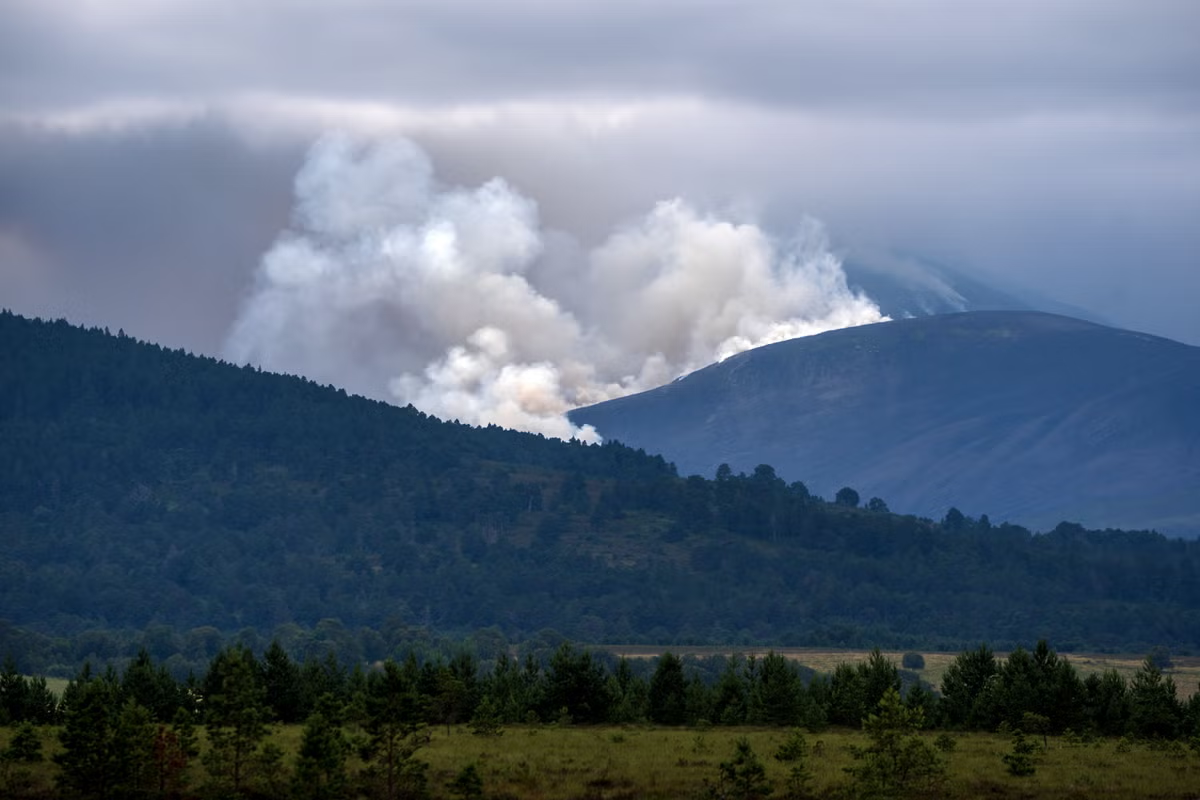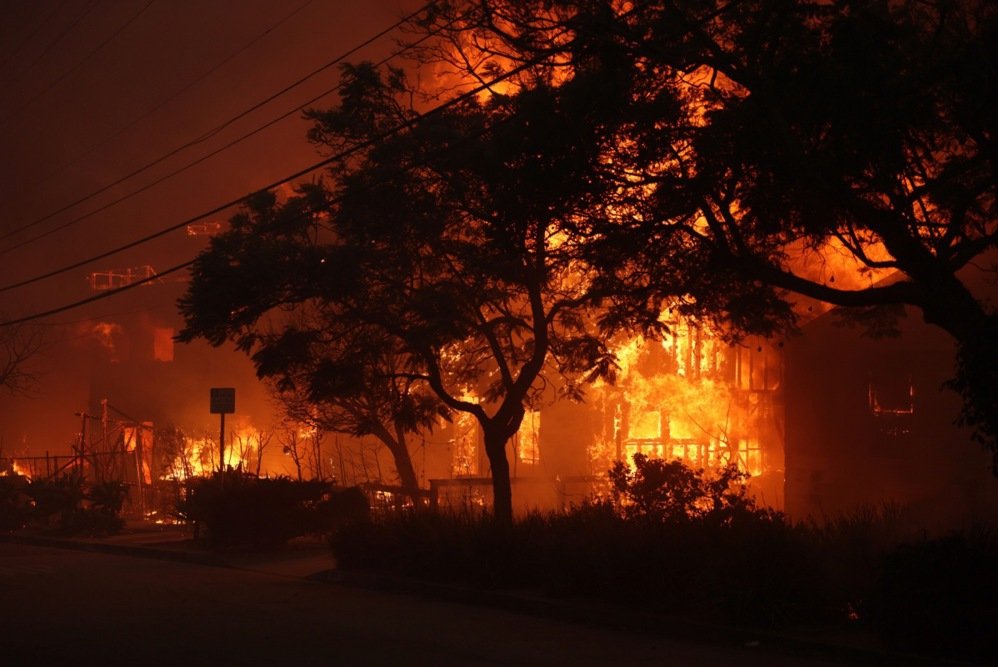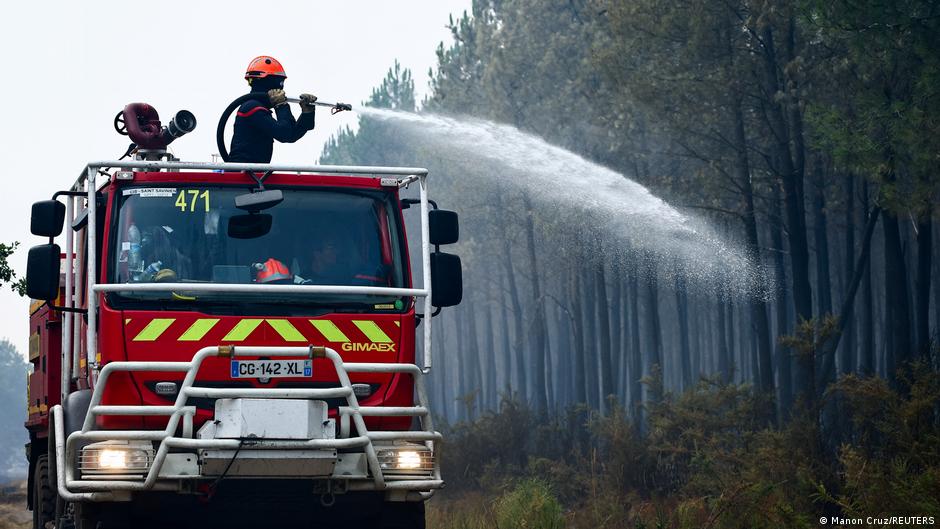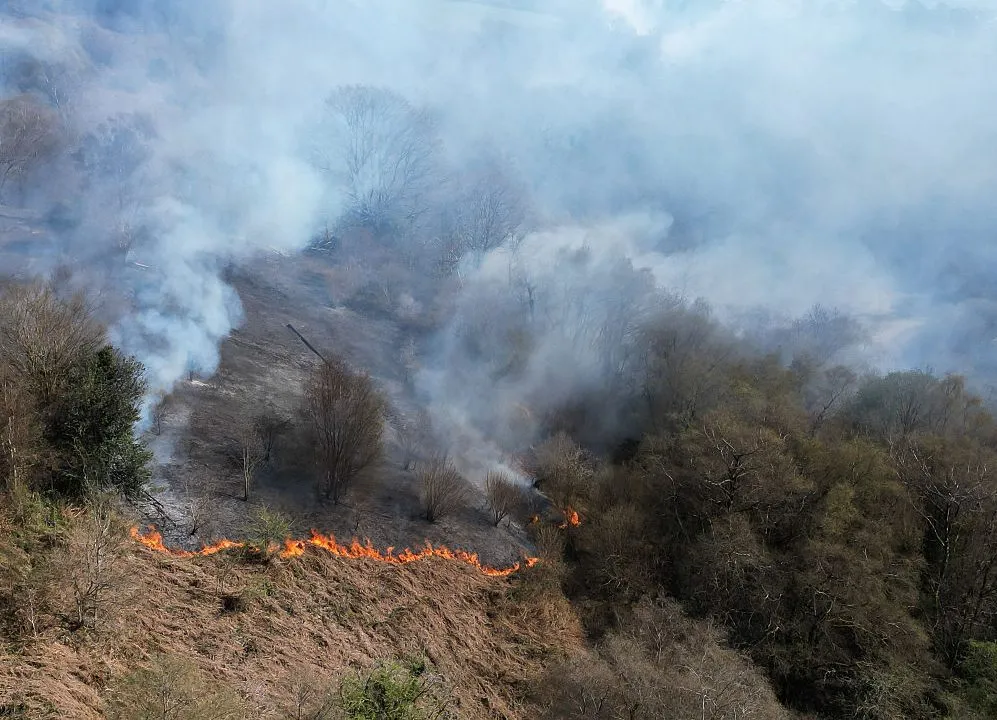
This article has been supplied and will be available for a limited time only on this website. Wildfires (veld fires) don’t begin with dramatic flames racing across the landscape. They start quietly, with a single spark or ember, igniting dry grass, overgrown vegetation, or accumulated debris – all fuel just waiting for the right conditions. And while landowners know that the best firefighting tool is good preparation to reduce impact, nature still plays a powerful role. Lightning strikes can start them, while strong winds can drive their spread and increase the level of damage left behind.
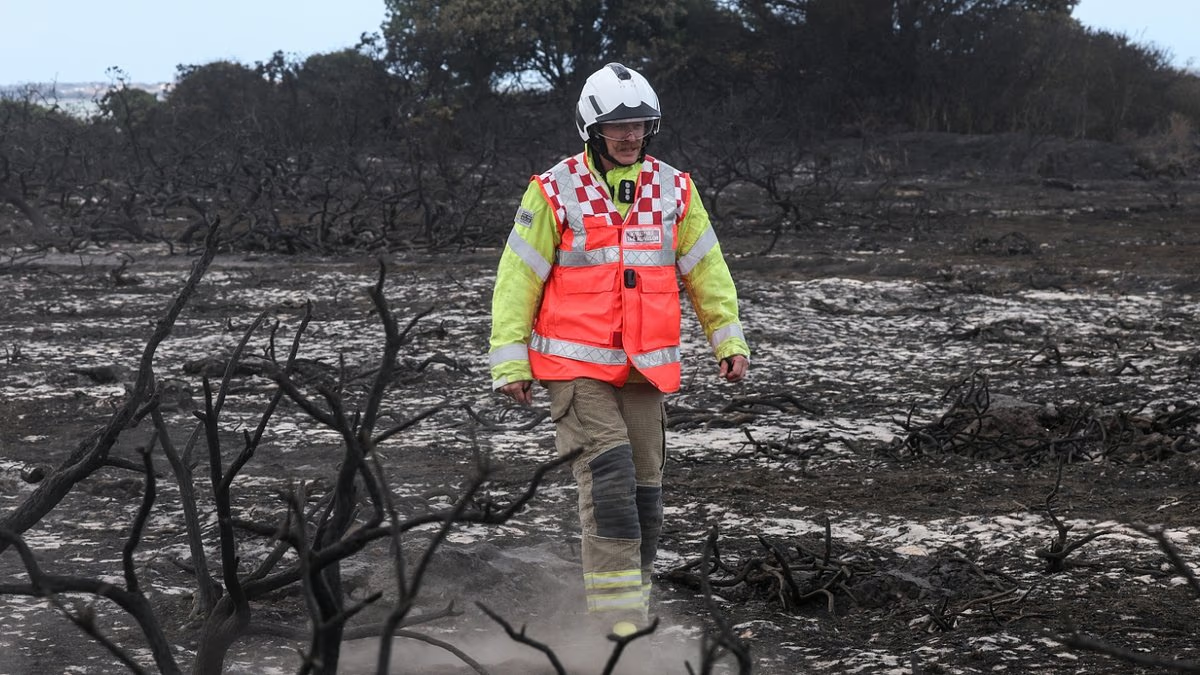
But what follows once the last flame has been doused is just as critical as the firefight itself. Whether it's a farm, reserve, agricultural holding or smallholding, the decisions made in the hours, days and weeks after a wildfire can influence the land’s recovery and resilience when the next fire season arrives.
Restoration extends well beyond the clean-up. It is widely recognised in land management practice as a long-term process, with full ecological and structural stabilisation often taking multiple seasons depending on the severity and conditions¹. As Divan Vermaak, Veld Management Specialist at Husqvarna, explains: “This process should be seen as an extension of good land management rather than the final stage of a wildfire event.”