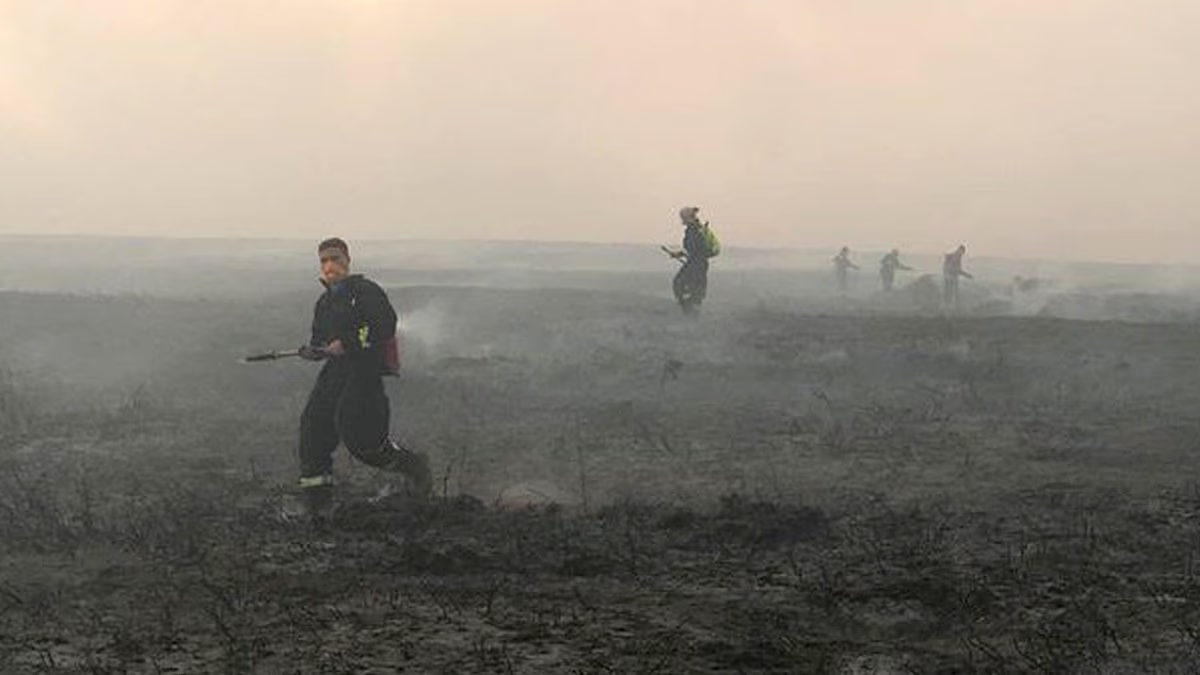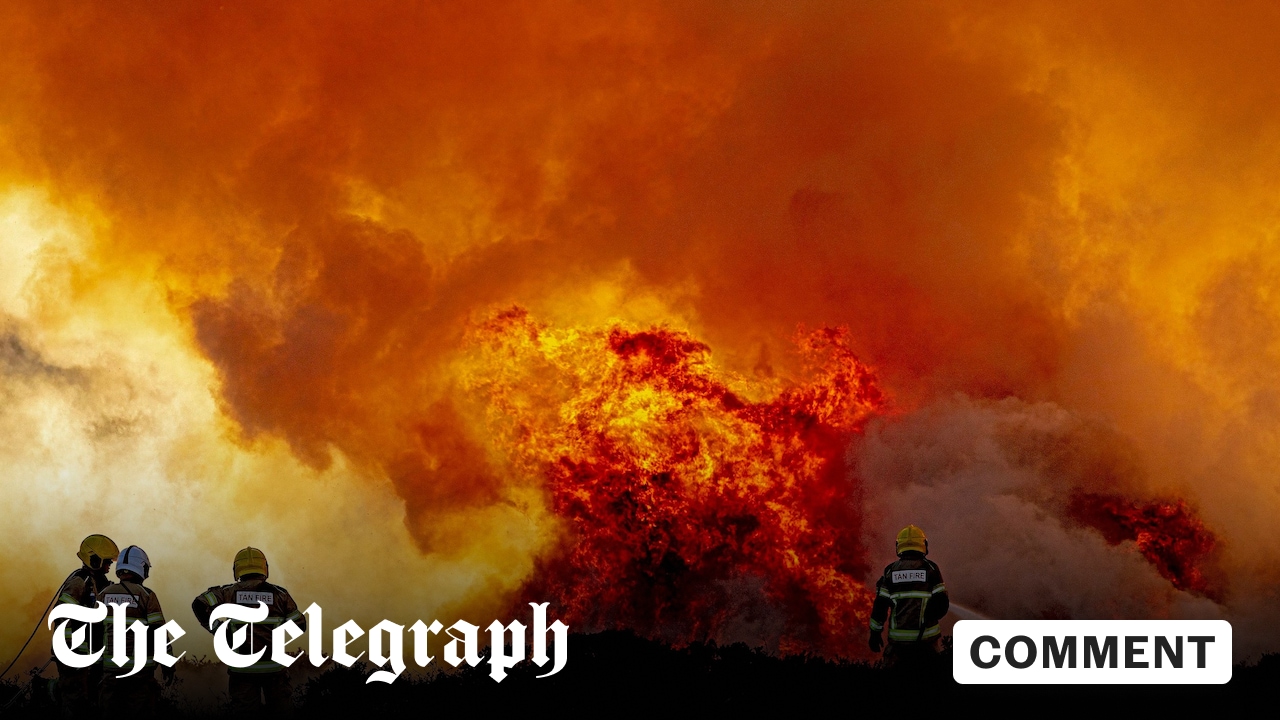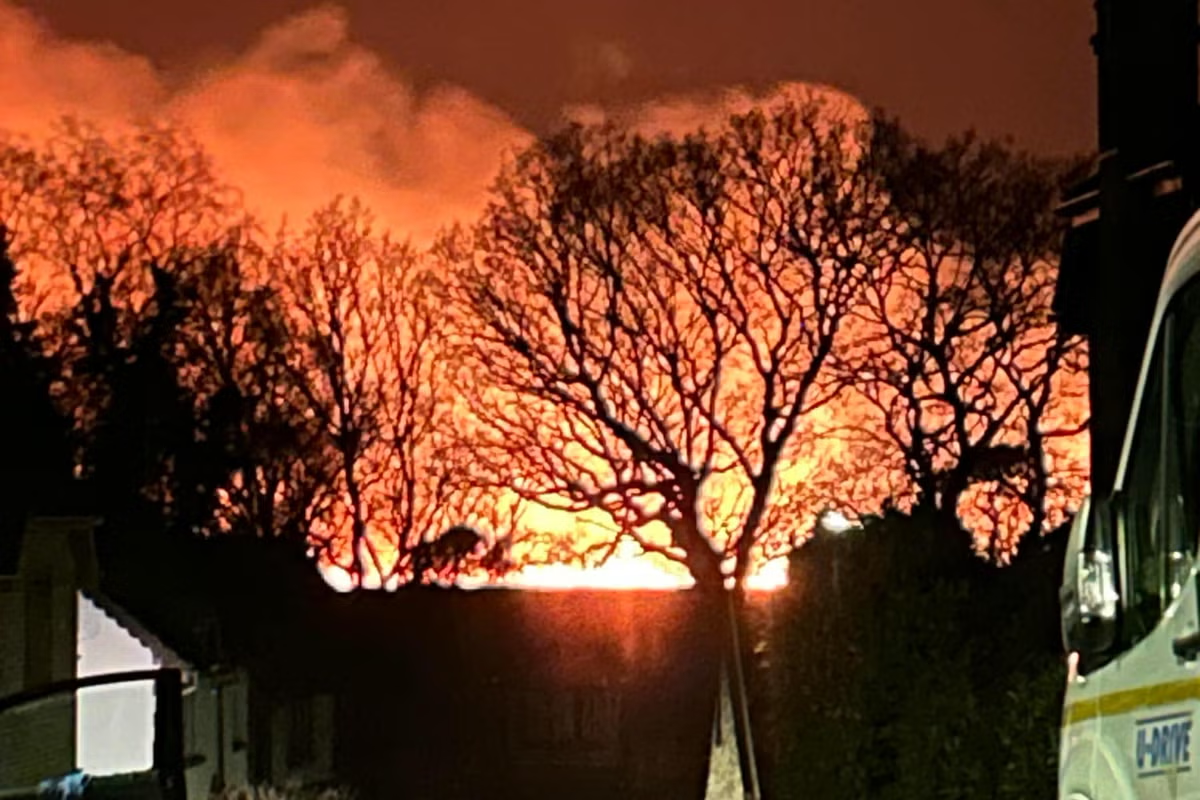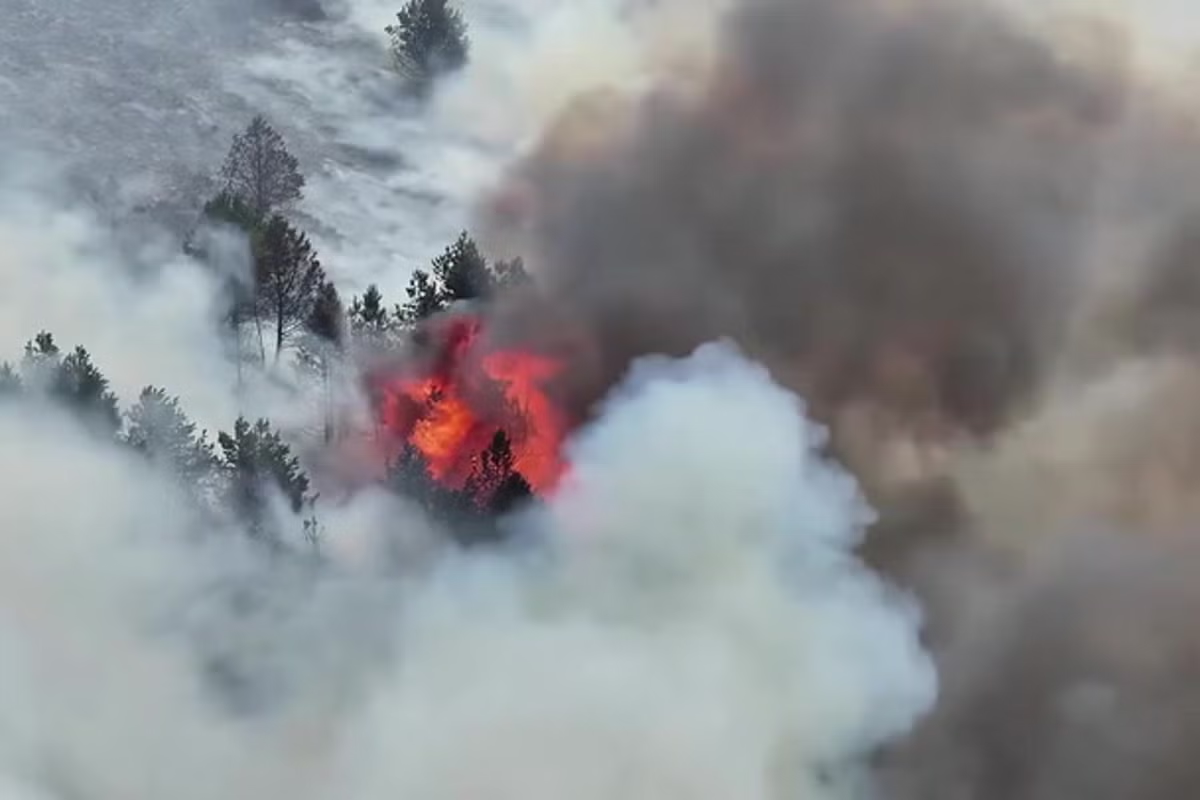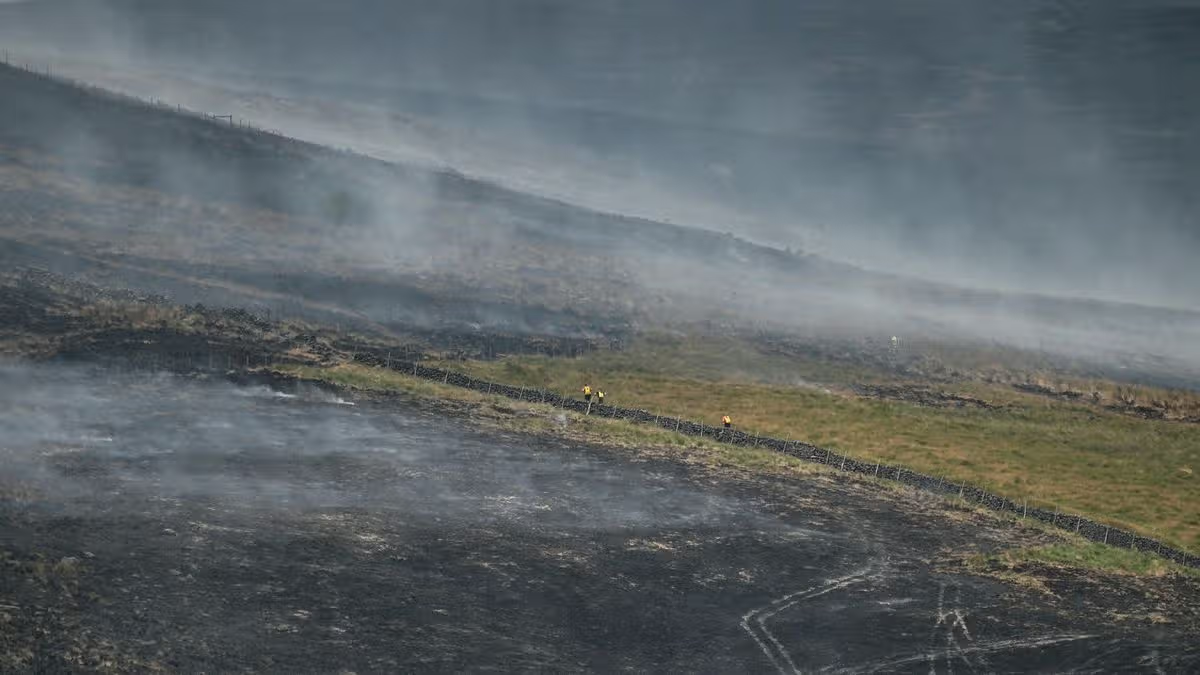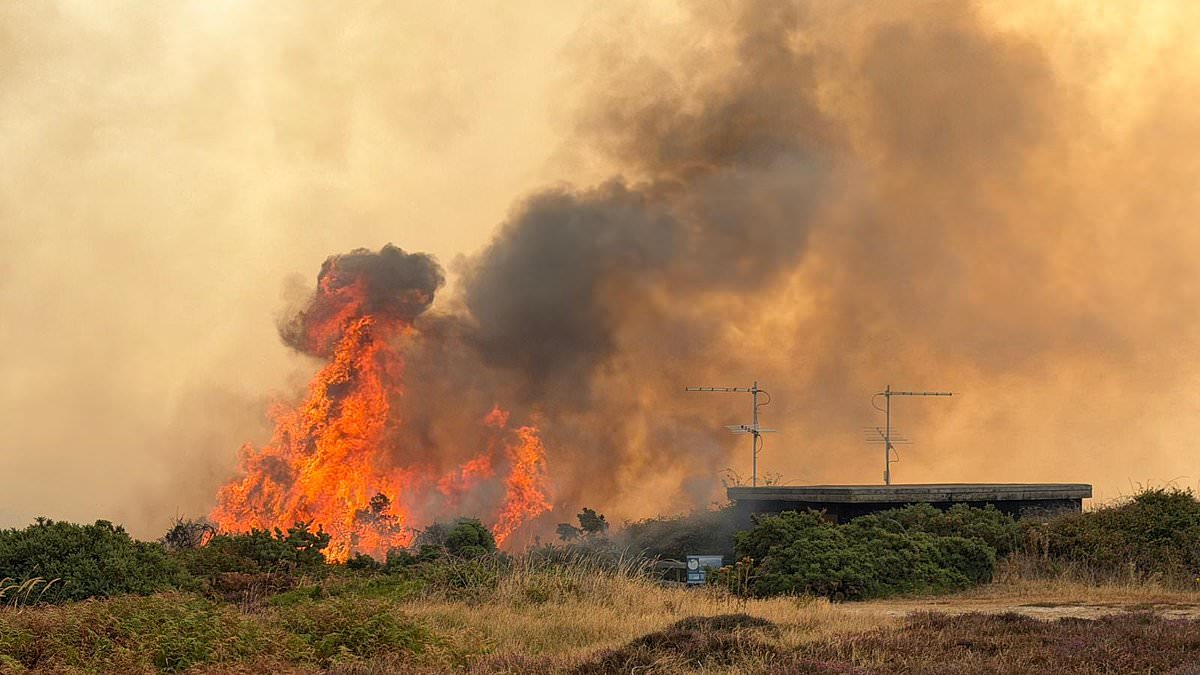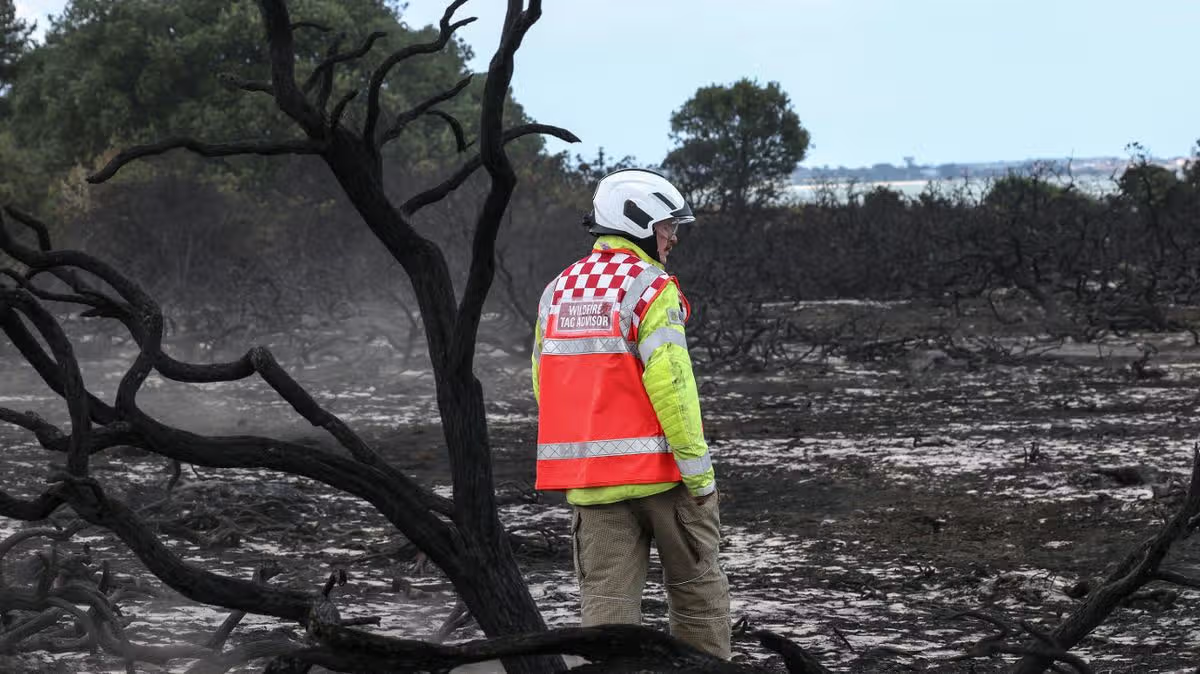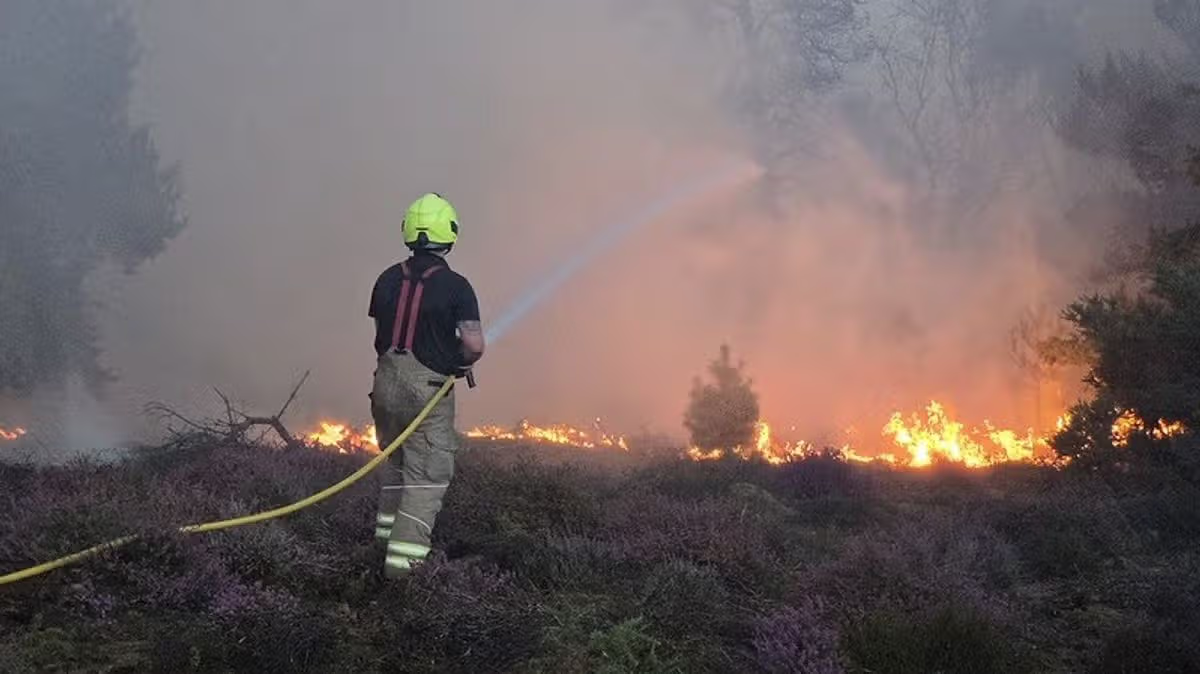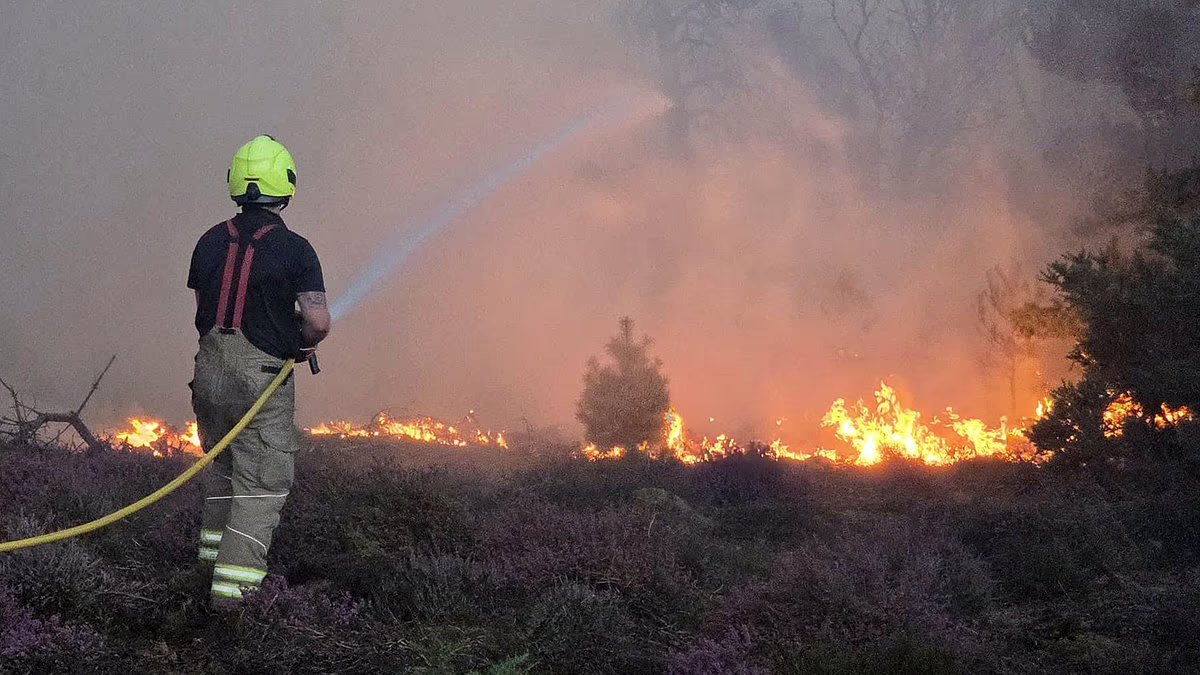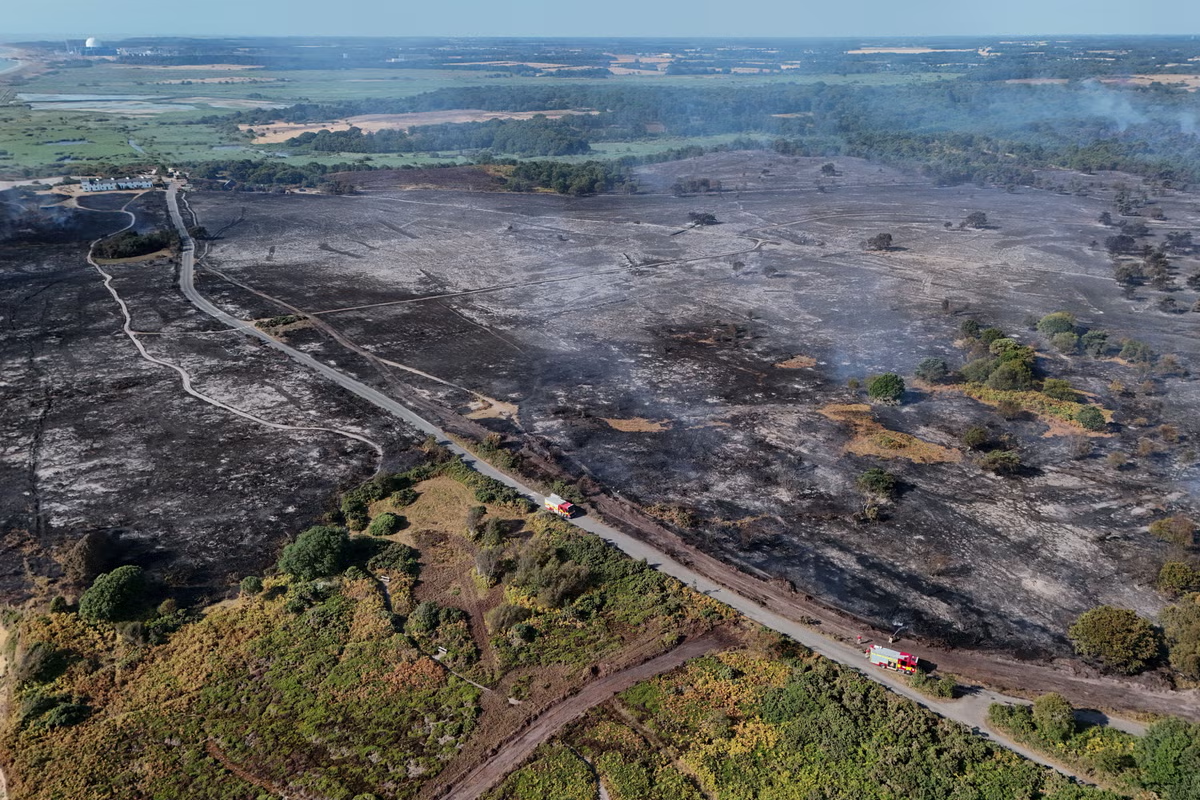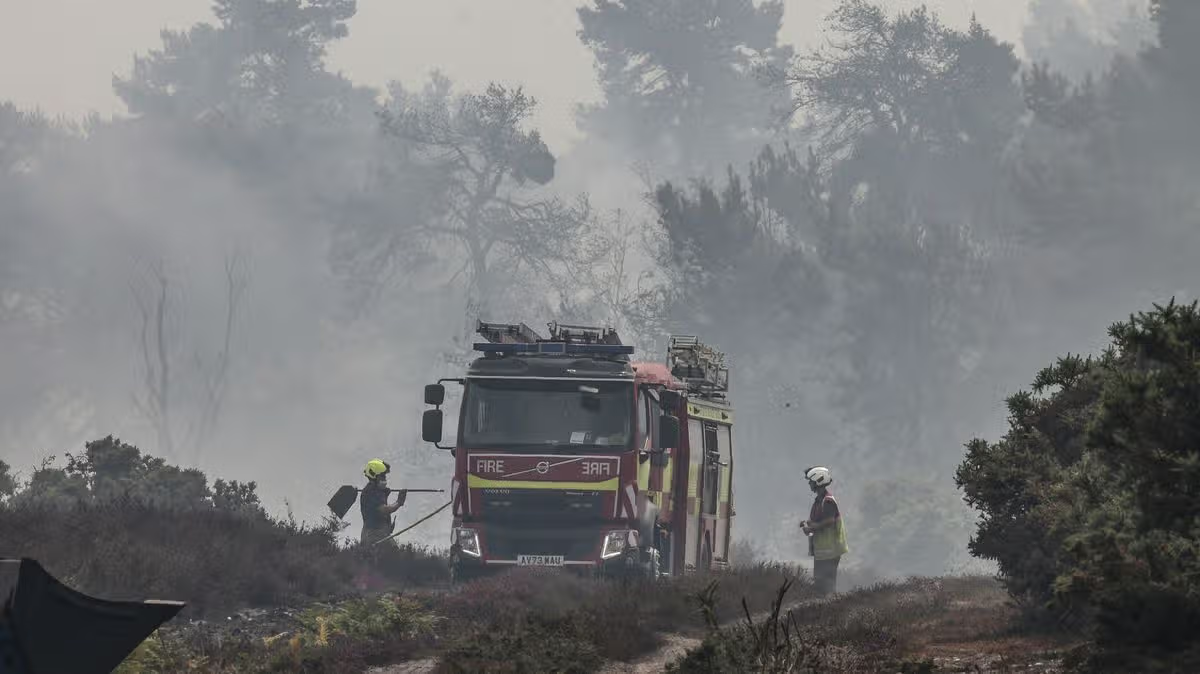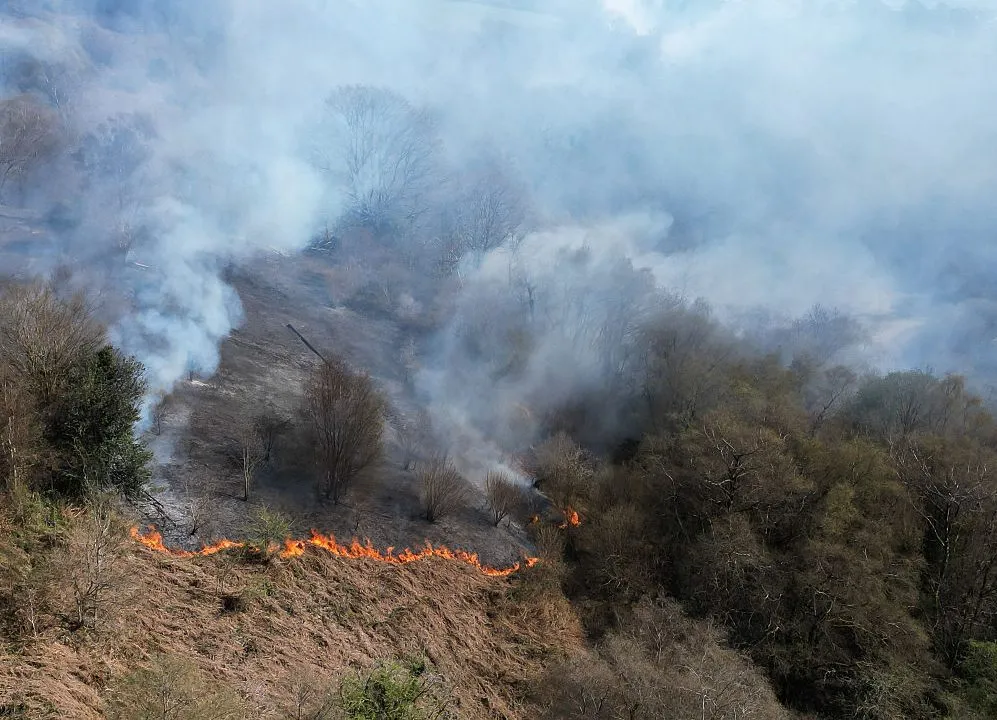
An enormous fire near Dovestone Reservoir in Oldham has been burning since 11 July, one of many this summer. Billowing black smoke can be seen (and inhaled) for miles around. Helicopters, fire crews and volunteers have been working the lines on blackened hillsides in conditions that are fast becoming routine in Britain. Our uplands are burning more, hotter, and longer than at any point in living memory. This year’s tally (already over 21,000 hectares) follows a 2025 season that was the worst on record. Sheep farming representatives and grouse shooting interests are adamant that rewilding is to blame for the fires: the reduction in sheep numbers, the emergence of scrub, and the build-up of fuel. But the precise opposite is true. It is only in recreating wilder, wetter upland landscapes that we will find true fire resilience.
The question is whether those who make policy about our uplands will finally have the courage to confront the nonsense
The poet John Clare described mysterious uplands endlessly swathed in great wetland mosaics known as blanket bogs, “the moors’ rude desolate and spungy lap”. The single most effective thing we can do to reduce the prevalence of wildfire today is to restore the wondrous, wet upland landscapes known by earlier generations. This is the clear conclusion of the IUCN UK Peatland Programme.