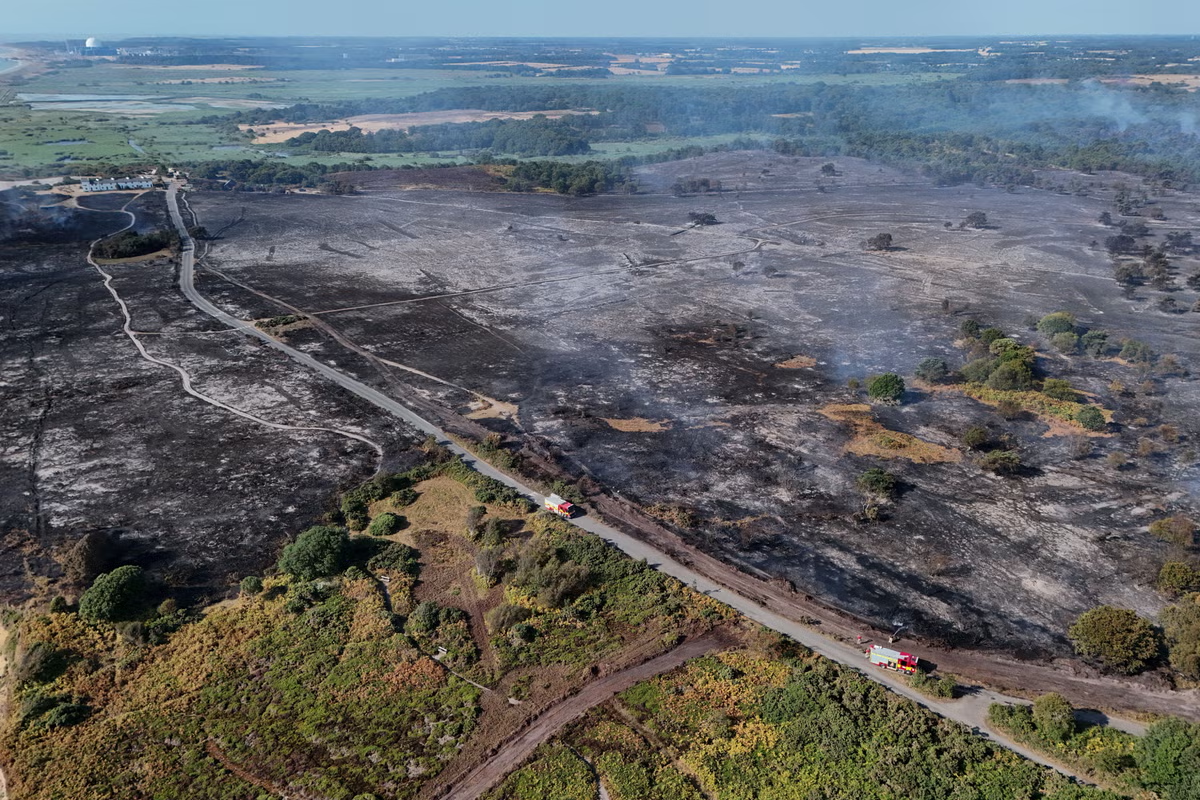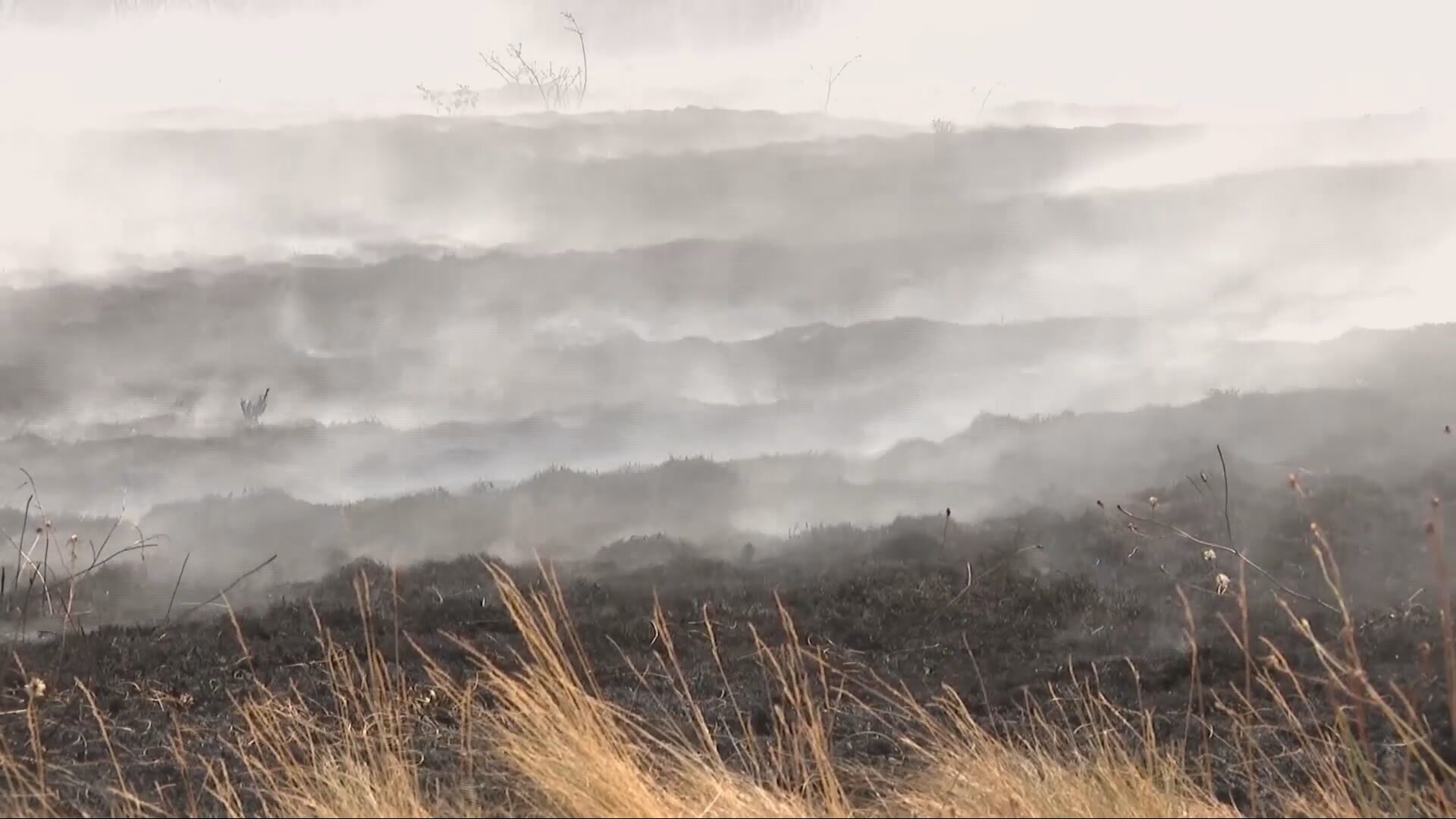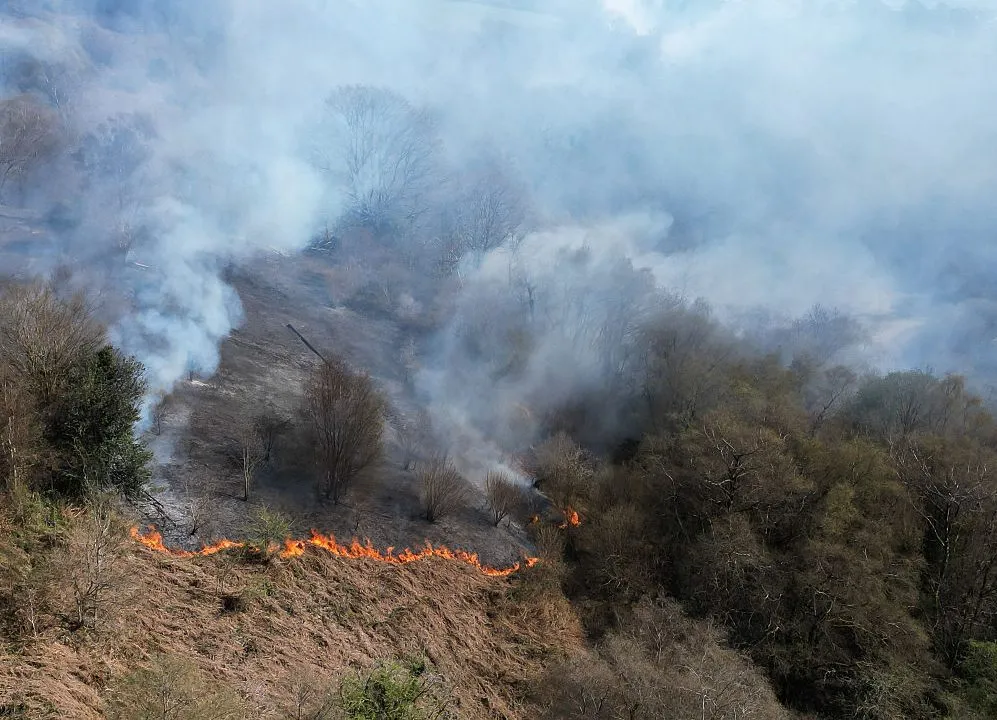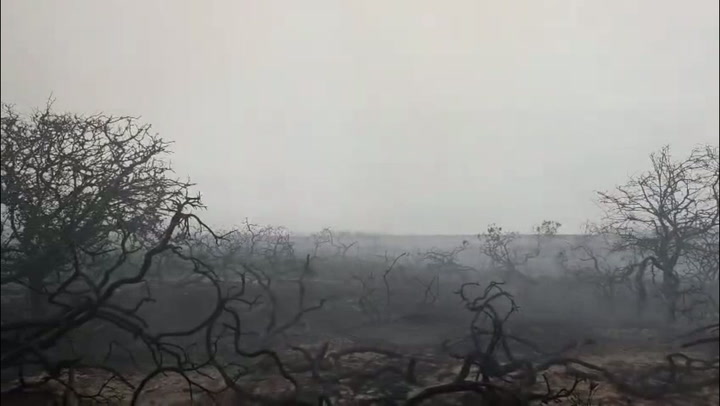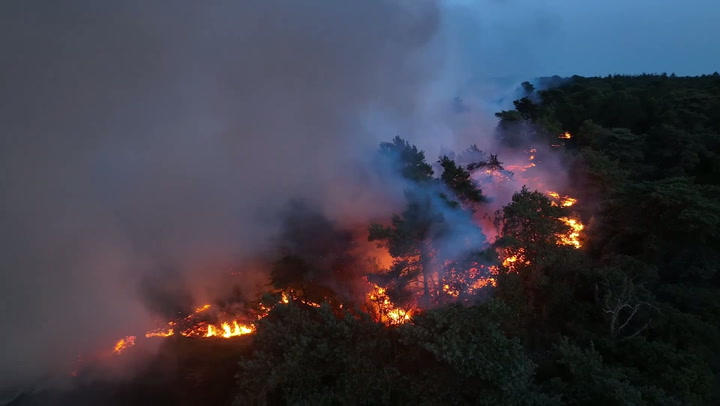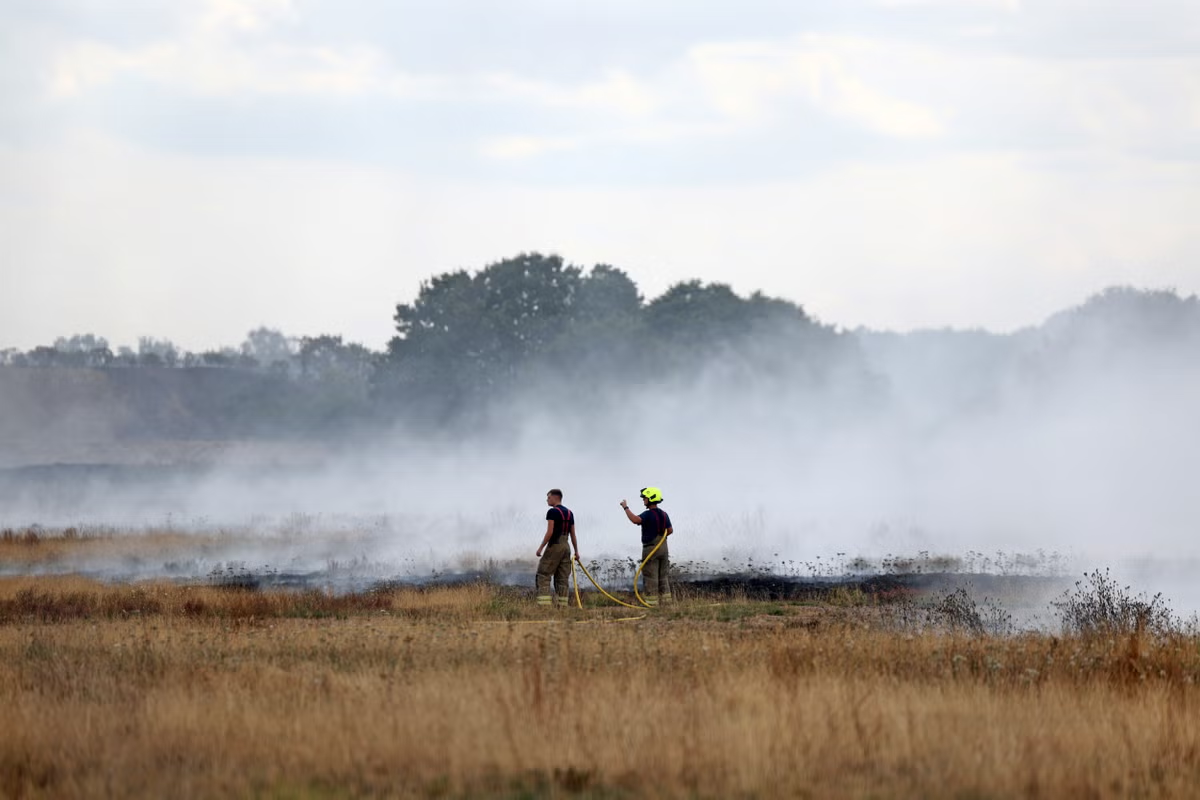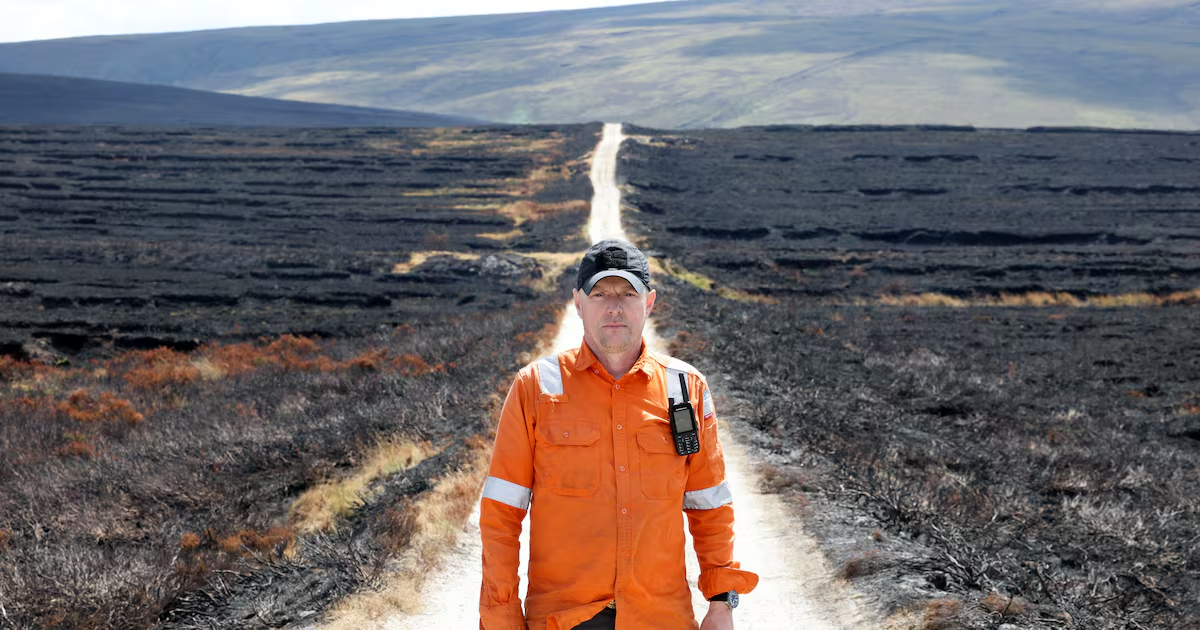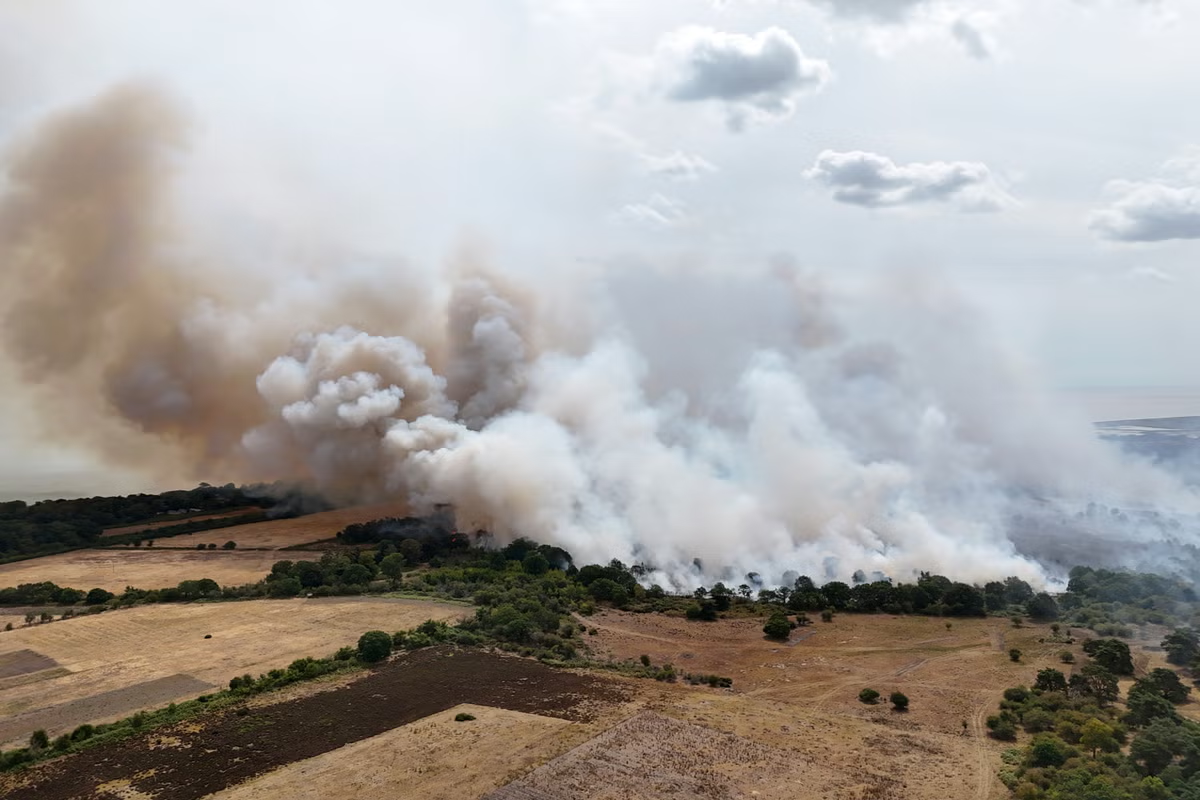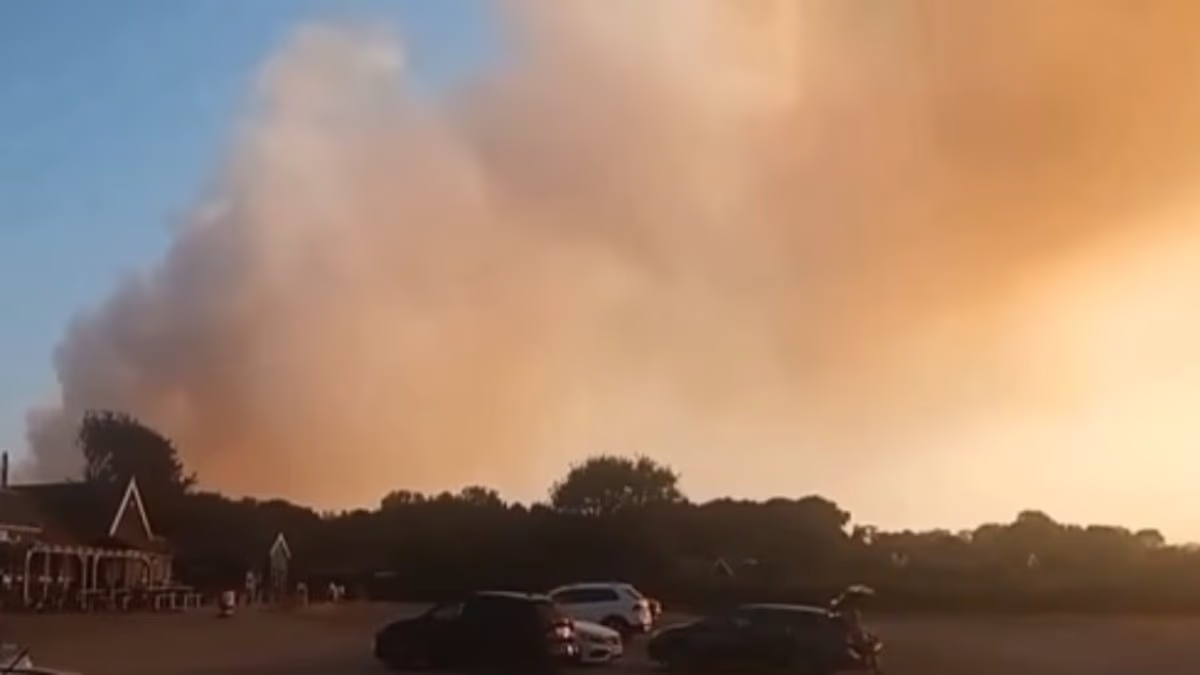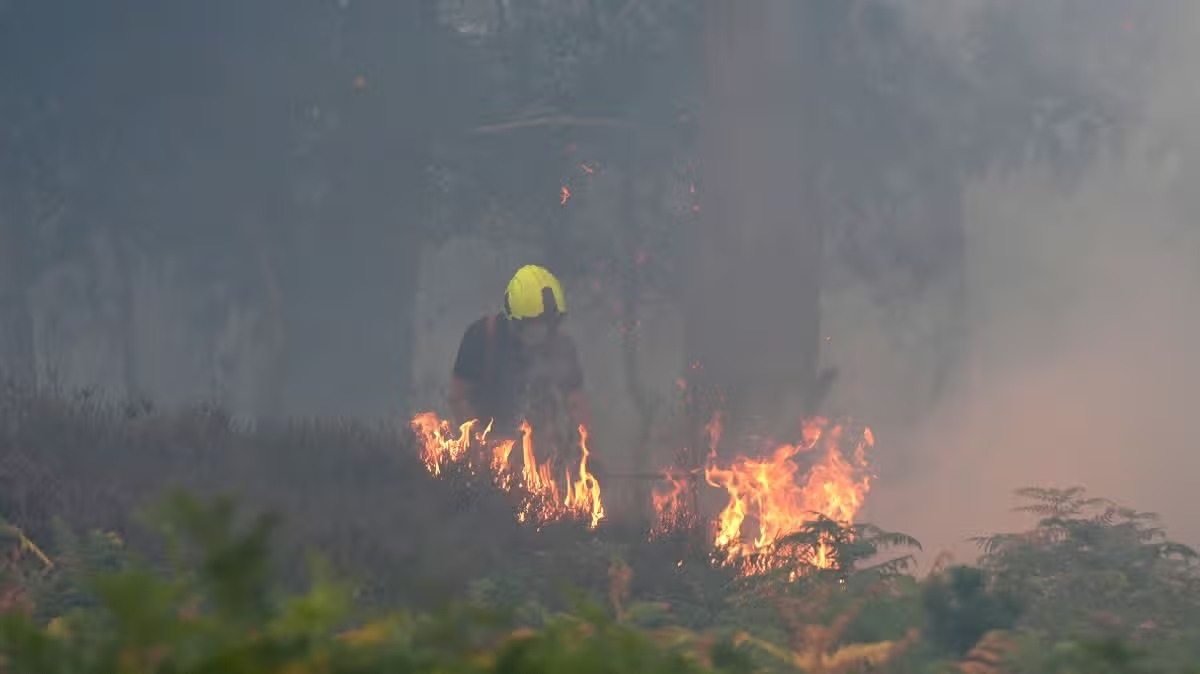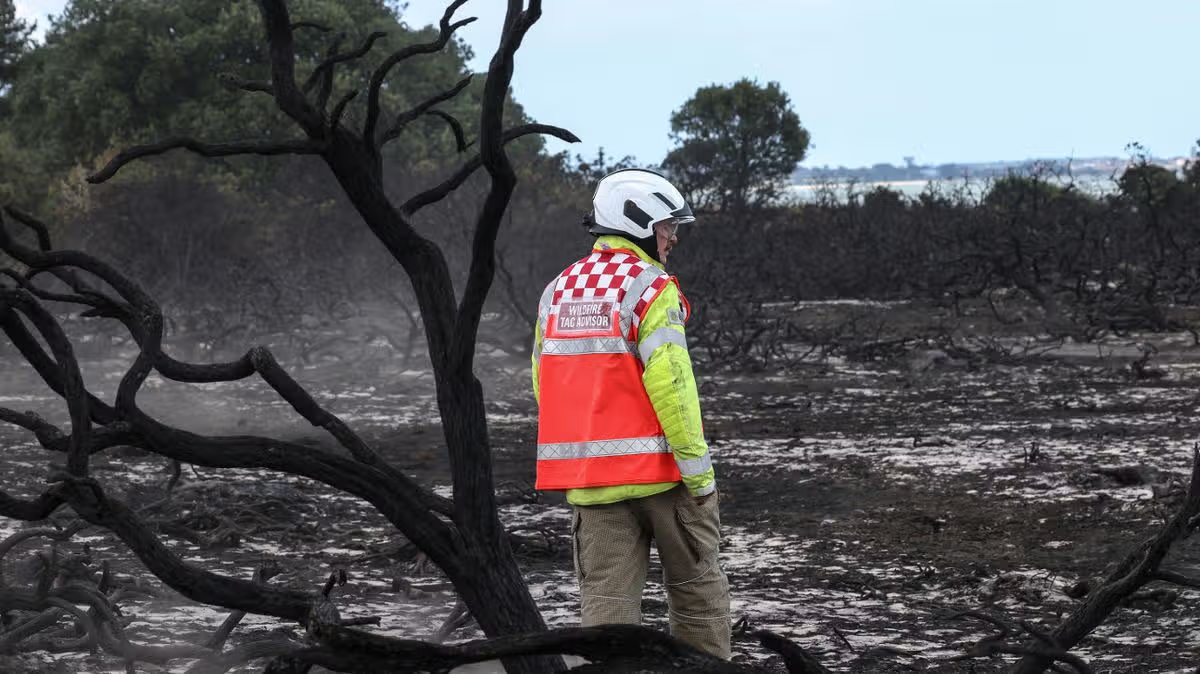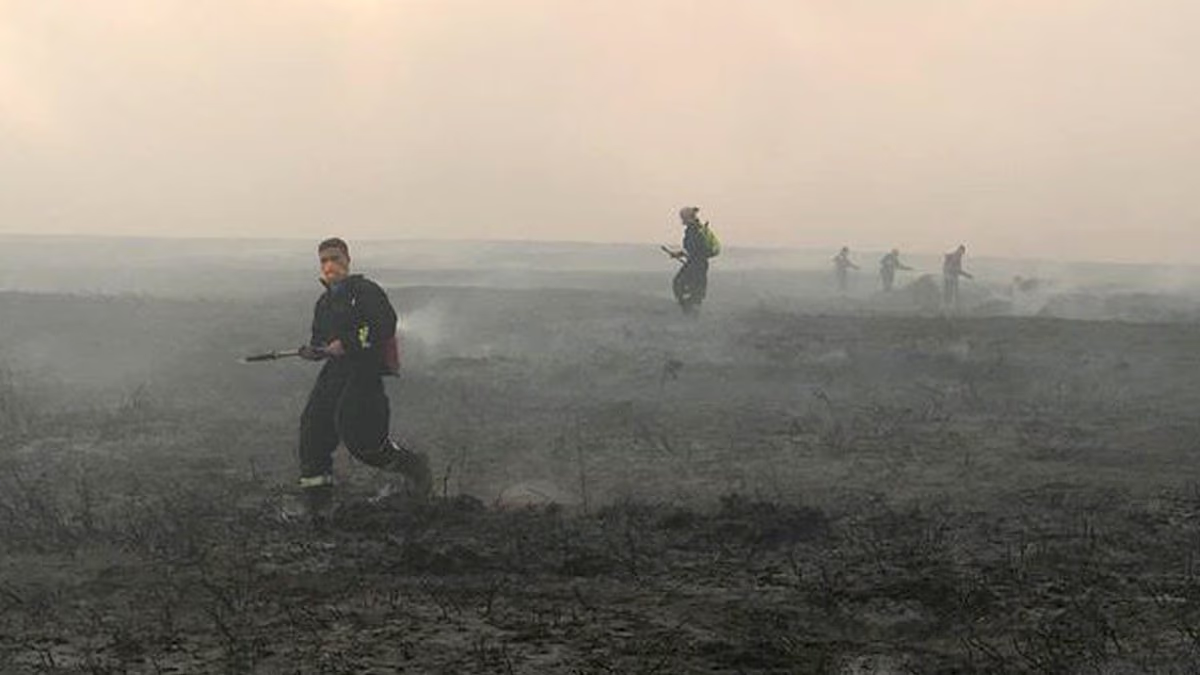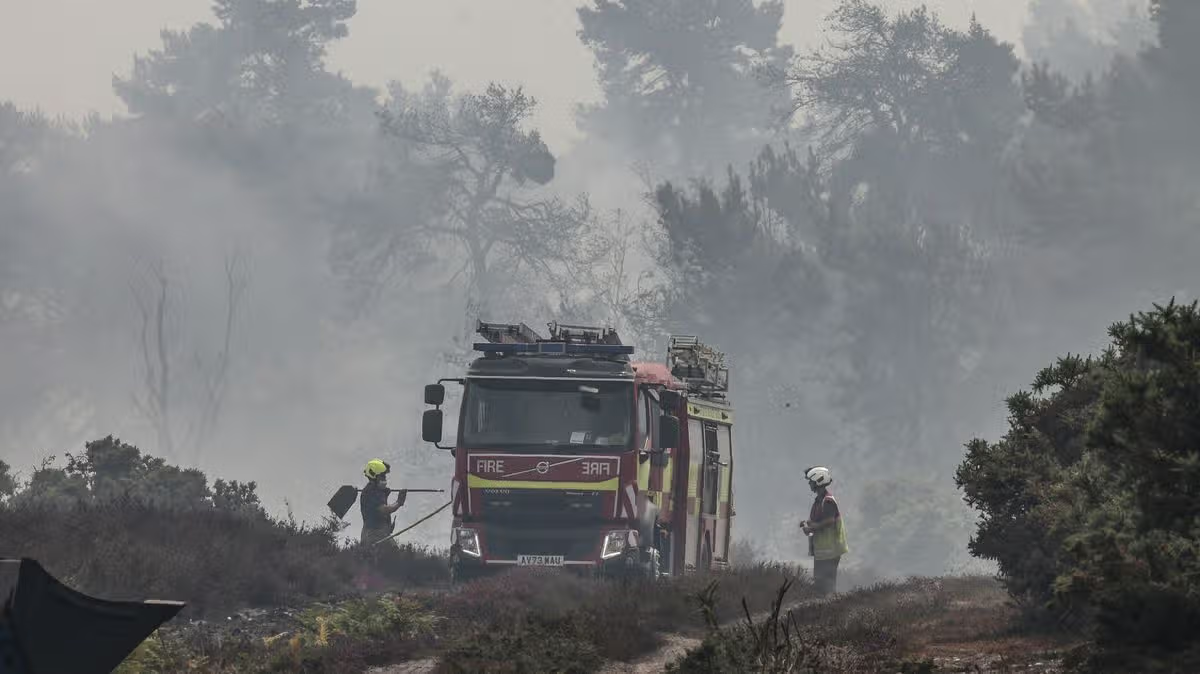
Just two months ago I walked through the RSPB’s flagship Minsmere reserve to find the reedbeds echoing with birdsong.Chicks were hatching and every corner seemed alive with courtship displays, frantic feeding or those fiercely defending territories. I also got my first sighting of a booming Bittern and a Cetti’s Warbler which erupted into a burst of song so loud and sudden it seemed impossible that such a small bird could produce it.Site manager Nick Forster explained how the site supports over 6,700 species of birds, plants and trees because of its incredible diversity of habitats making it one of Britain's richest wildlife havens. It is heartbreaking to think that so much life that was just starting out could have now perished.More than 250 acres of internationally important heathland - the equivalent of around 140 football pitches - were destroyed after flames tore through Dunwich Heath in Suffolk this week during Britain's fourth heatwave. It has also engulfed parts of Minsmere reserve - home to rare and important birds and reptiles species.It is now feared that it could take 25 years for this precious habitat to recover. Adam Rowlands, Suffolk area manager for the RSPB, said it was the biggest blaze at the reserve which turns 80 next year - the location for BBC Springwatch for three consecutive years.The site attracts tens of thousands of visitors annually hoping to glimpse some of Britain's rarest wildlife. Dartford Warblers, a species that in the 1960 was on the brink of extinction, Woodlarks and Nightjars have all had a good breeding season this spring. The RSPB has warned there could be a few birds still sitting on their nests but the destruction of their habitat is the major issue.“We're devastated by the fire. While it's too early to understand the full impact, it's clear that this precious landscape has been profoundly affected, with significant loss of heathland and likely impacts on wildlife that will be felt for years to come,” said a spokesperson.“In some areas, we have 20-year-old heather and this will take two decades to regrow. We are also worried about reptiles such as Adders and other slow-moving creatures that cannot easily escape an advancing fire.The organisation is also concerned about rare butterflies currently laying eggs, such as the Silver-studded Blue. Adam Rowlings added: "Most of them have finished breeding so they'll be able to escape the fire but we could see nightjars flying above the fireball up on the heath," he said."But the problem is it will look like a scene of devastation afterwards. All the vegetation will go and the majority of those birds will lose the places where they nest. Some of that habitat will take five, 10, 25 years to come back to what it looked like before the fire broke out yesterday afternoon."The cause of the fire has not yet been established but retired ecologist Chris Keeling, 67. Keeling, who used to work for Natural England and the vice chairman of Suffolk Bird Group, urged people not to have barbecues or smoke cigarettes in the open. "I find it utterly sickening, and it just makes me feel so desperately sad to see that destruction," he said.As climate change drives hotter, drier conditions and more extreme weather, wildfire risk is increasing across the UK and affecting a wide range of habitats, including heathlands, grasslands, peatlands, farmland, woodlands and areas close to homes and communities.A fire has also been raging at Dove Stone Reservoir in the Peak District National Park since July 11. The fire comes at a particularly sensitive time for wildlife across the reserve as many species, including ground-nesting birds such as curlews and golden plovers are currently raising their young. Fires can have devastating consequences for these vulnerable populations, destroying habitat and causing significant disturbance during the breeding season.In the Cairngorms National Park, the jewel in the crown of the Highlands and one of Scotland’s most impressive natural landscapes, vast parts are unrecognisable after 12 days of “cataclysmic” wildfires.Flames claimed areas of the Caledonian pinewood forest, which contains Scots pine trees 300 years old. While larger animals, such as deer, would have escaped but smaller mammals, lizards, insects and ground-nesting birds would have perished, warn conservationists. Grant Moir, the chief executive of the Cairngorms national park, said it was the worst fire the park had seen.From Suffolk to the Scottish Highlands, Britain's wildlife is now also paying the price for a summer of relentless heat.While firefighters eventually leave and the smoke clears, for some of the country's rarest species and habitats, the fight to recover is only just beginning.
'From Suffolk to the Highlands, wildlife is paying the price for heatwaves'
Hundreds of acres have been destroyed after wildfires tore through Suffolk and engulfed parts of Minsmere reserve, home to important birds and reptile species
762 words~3 min read