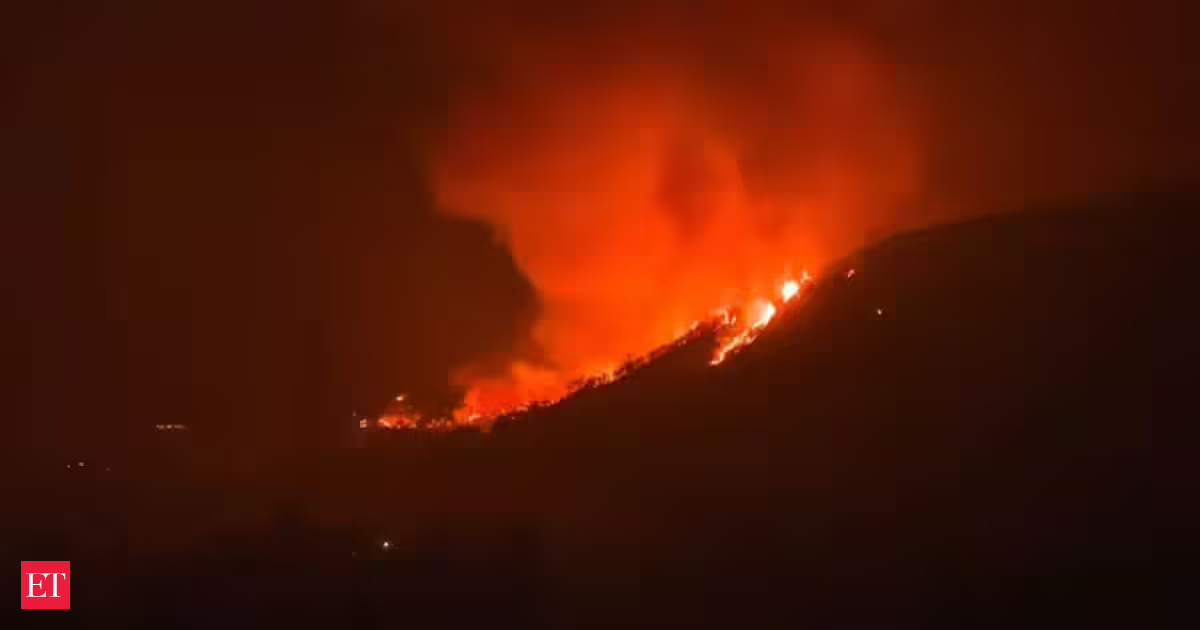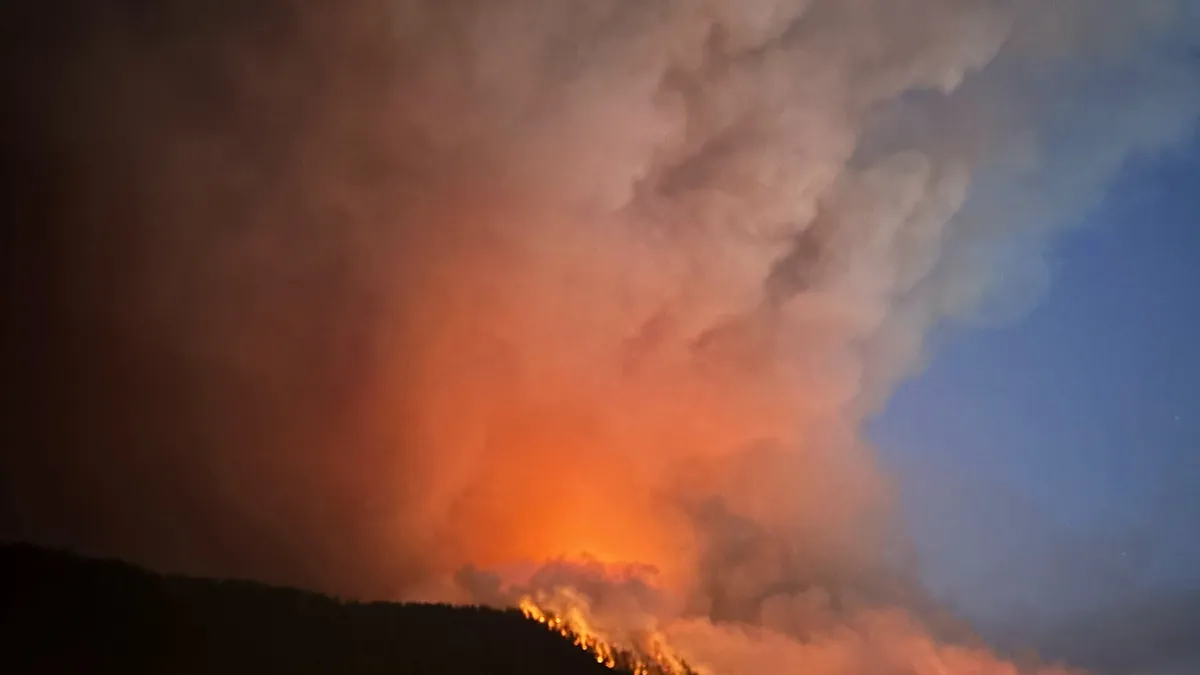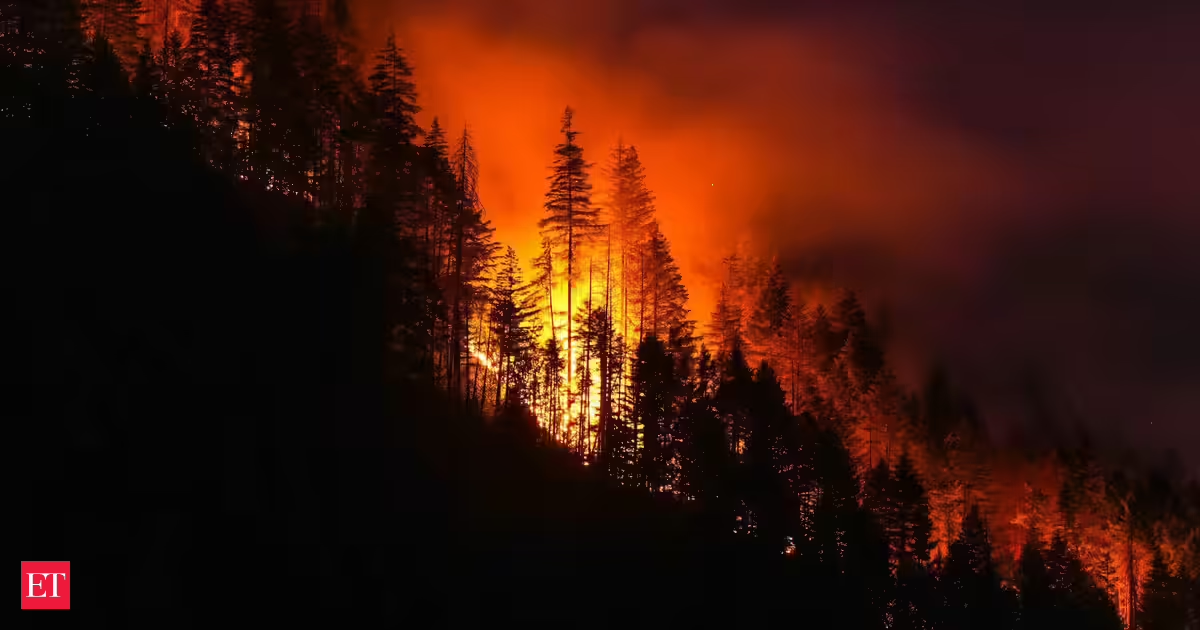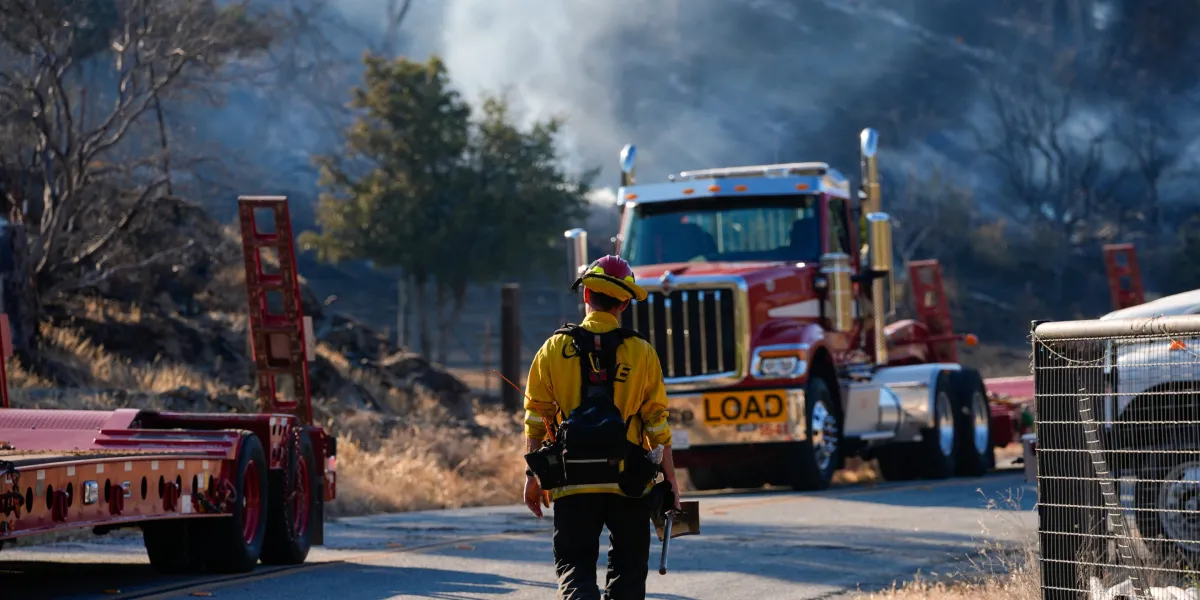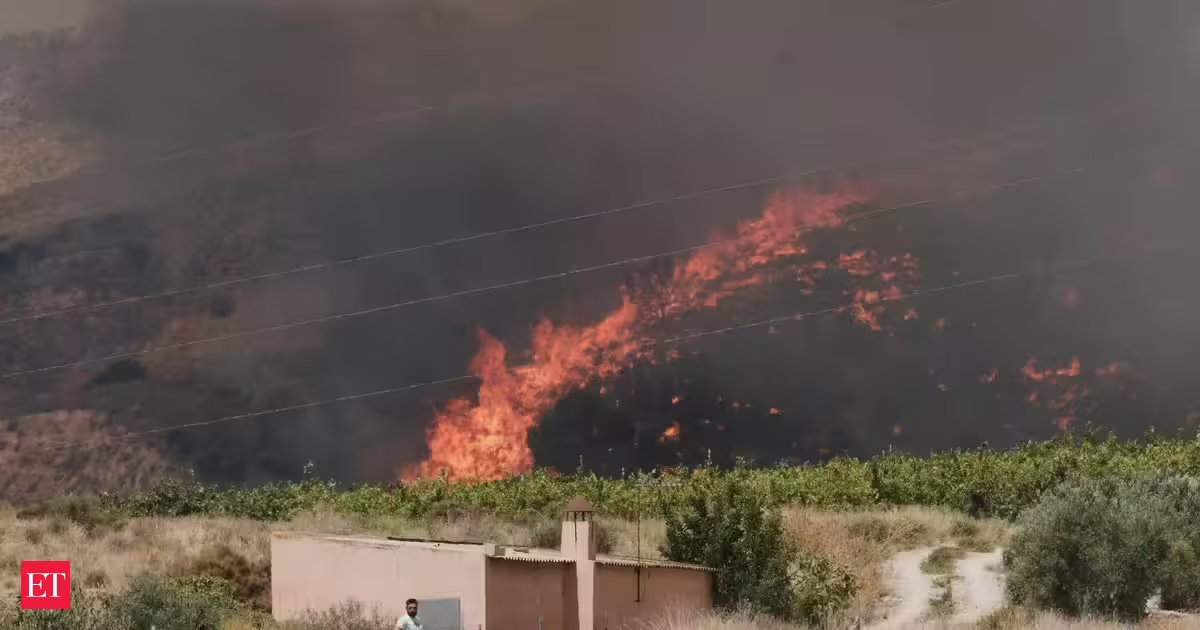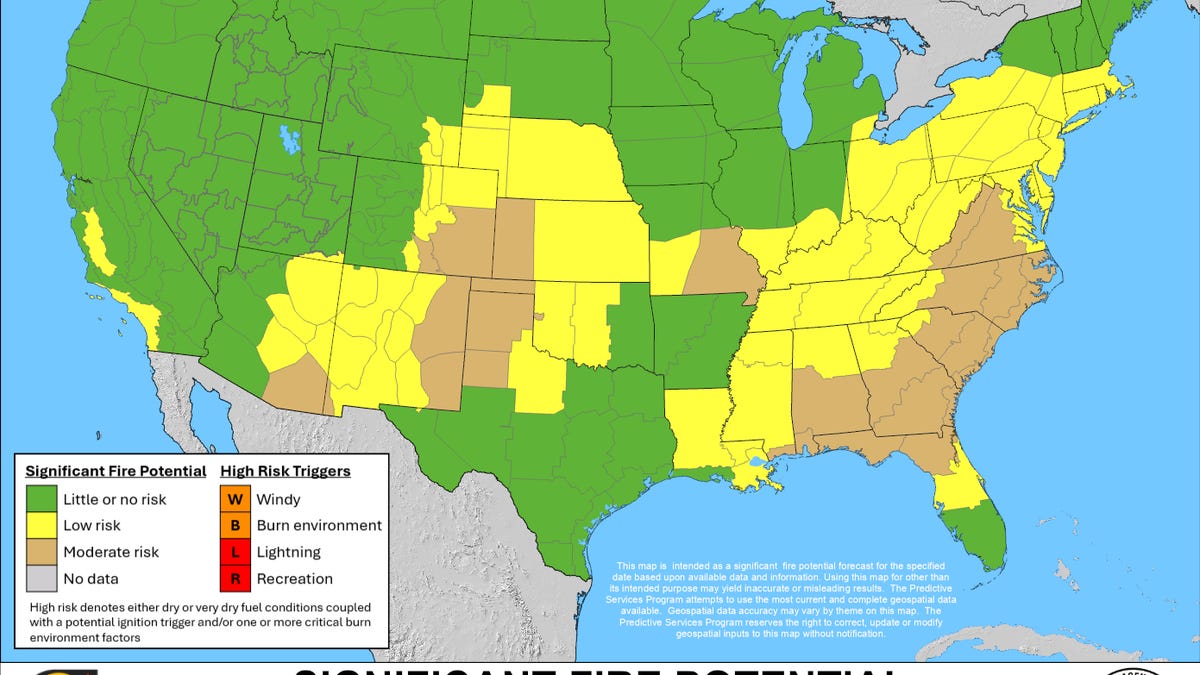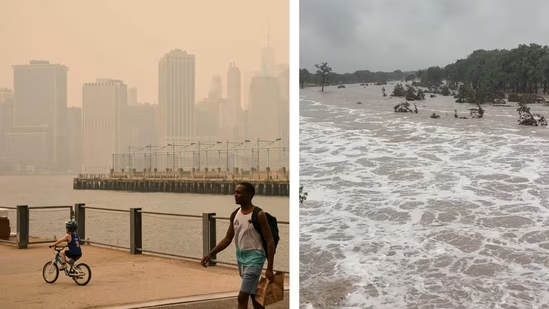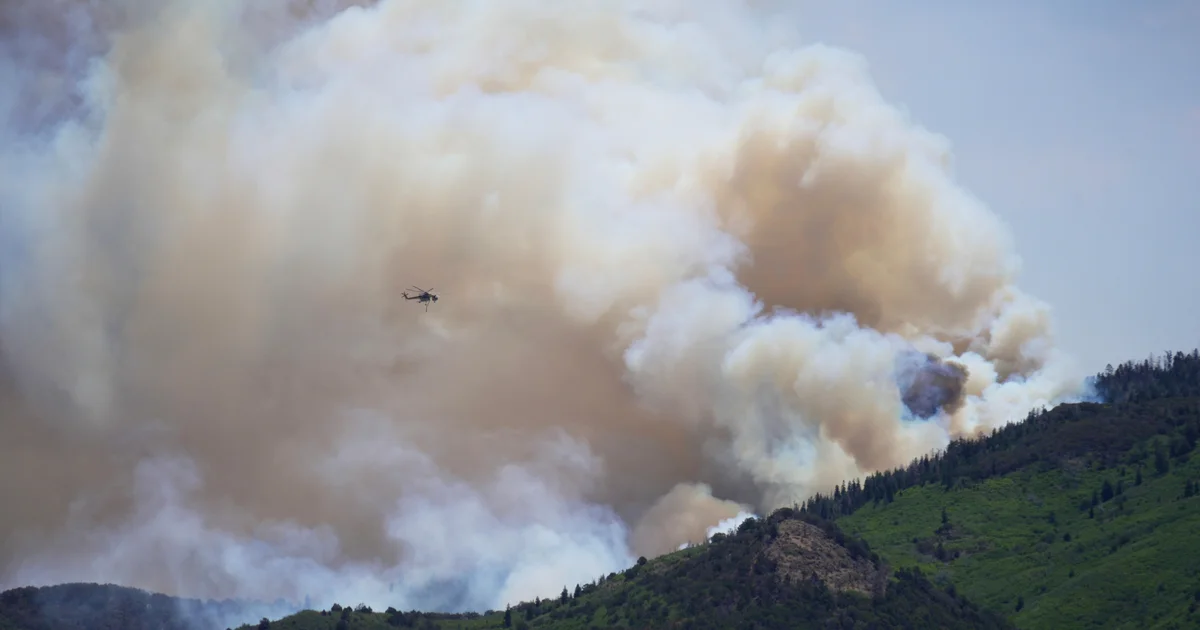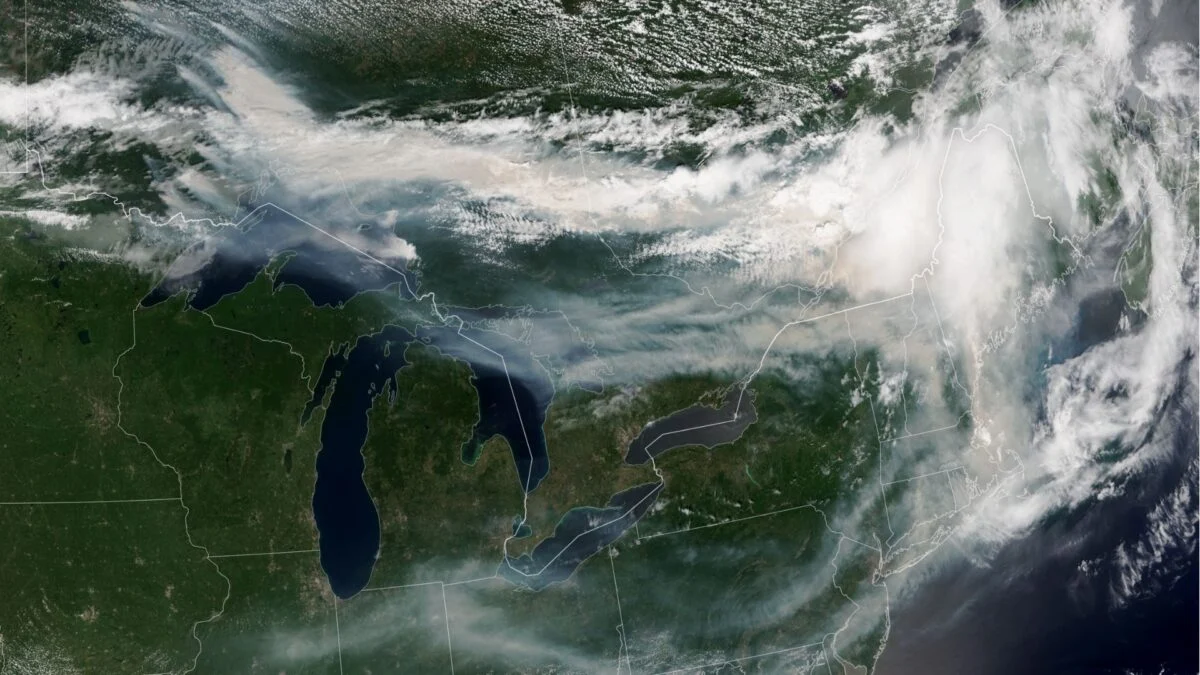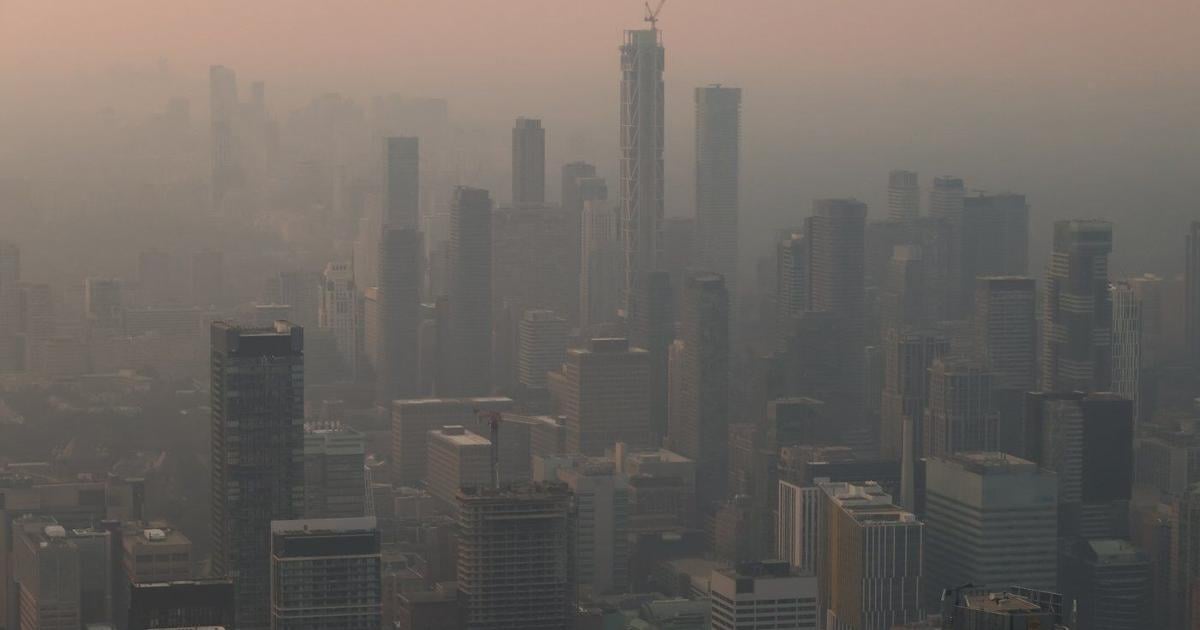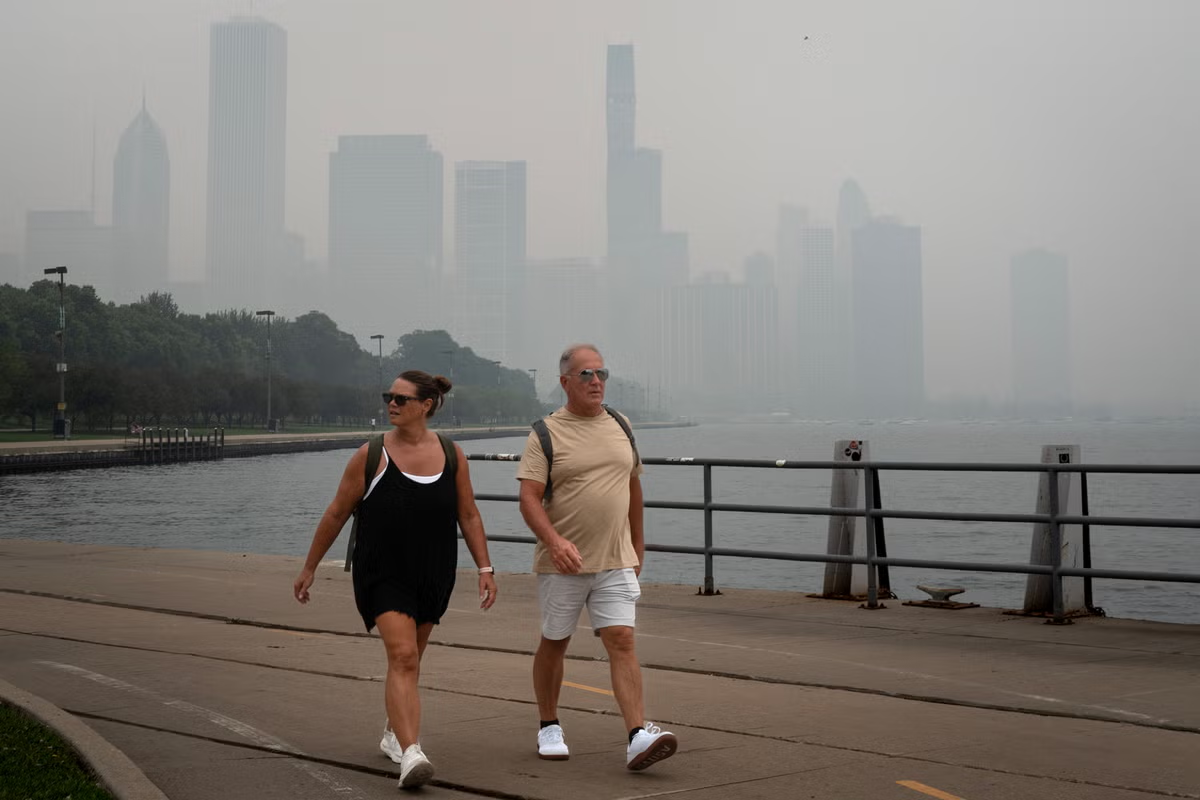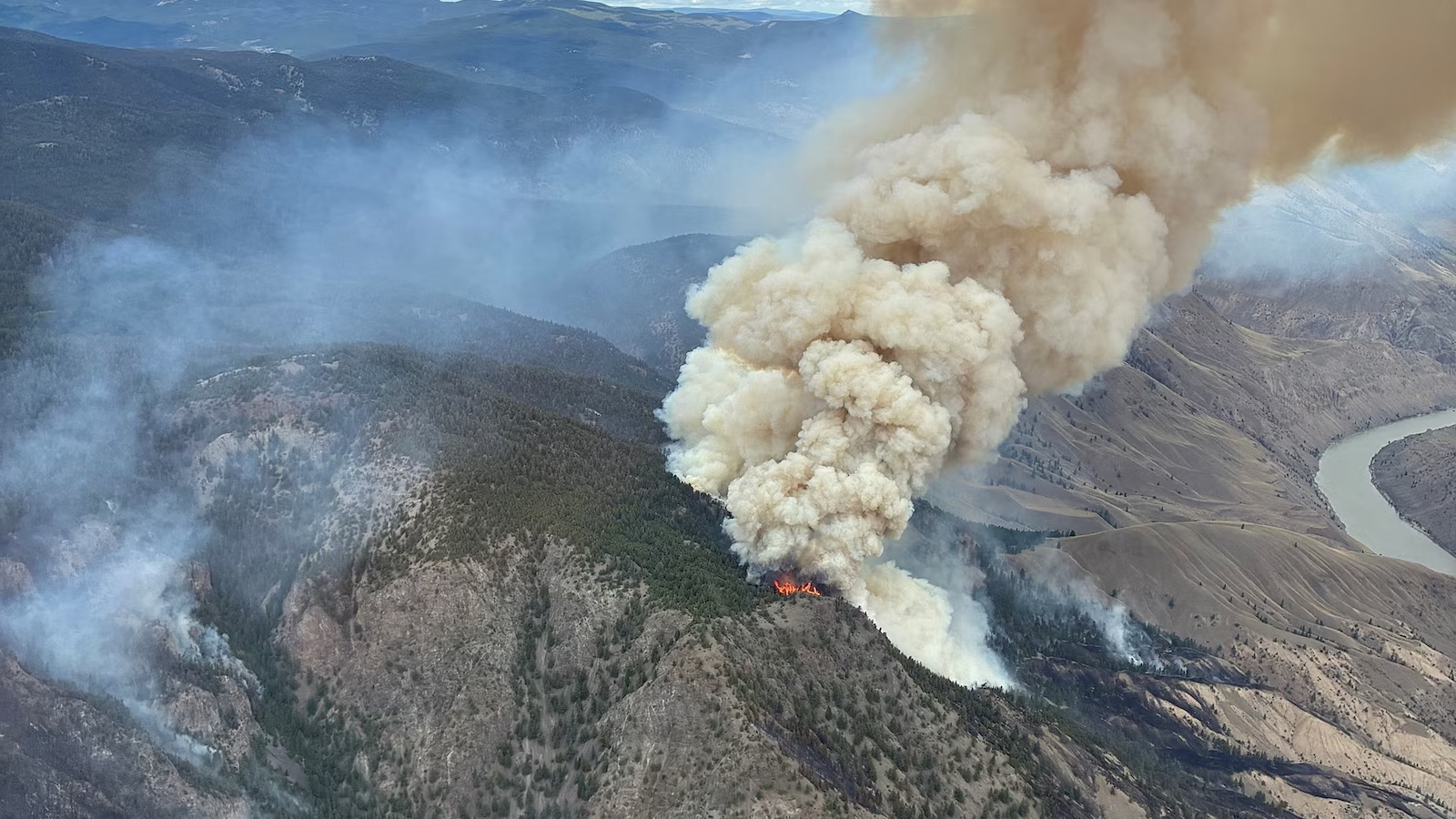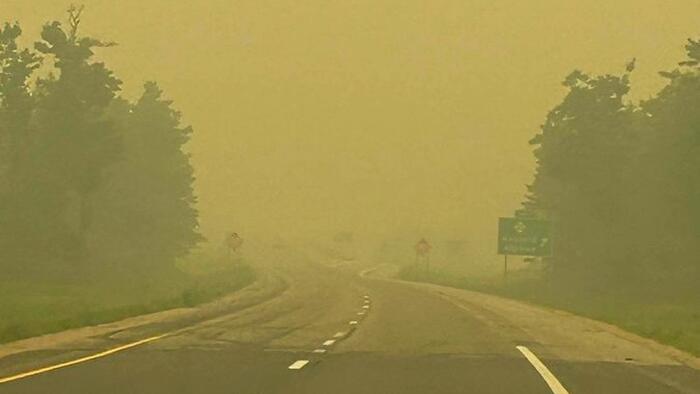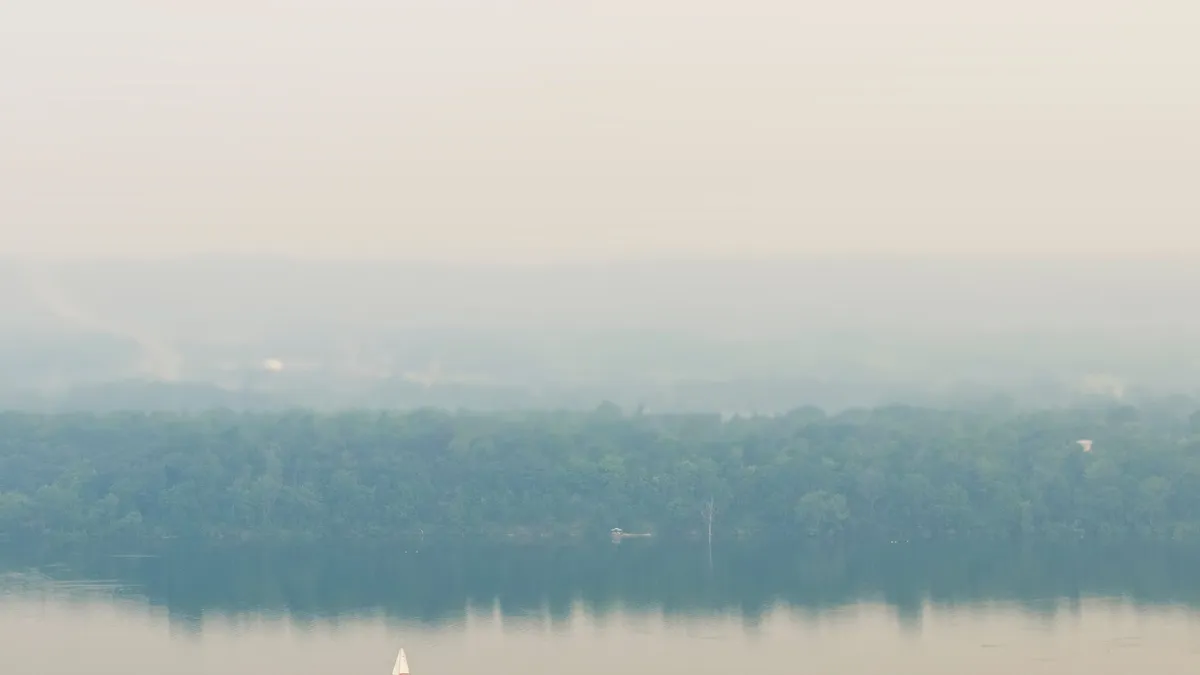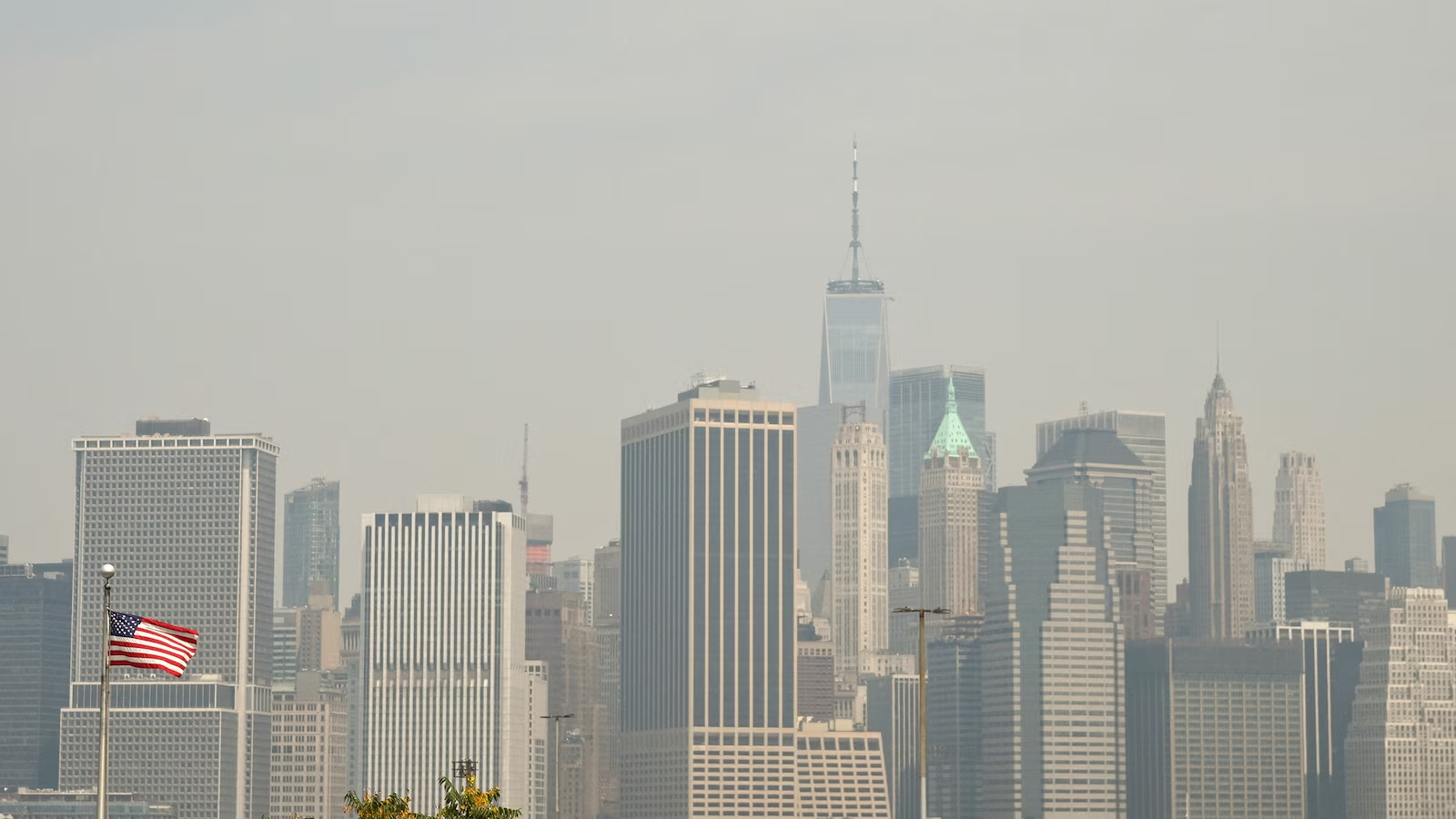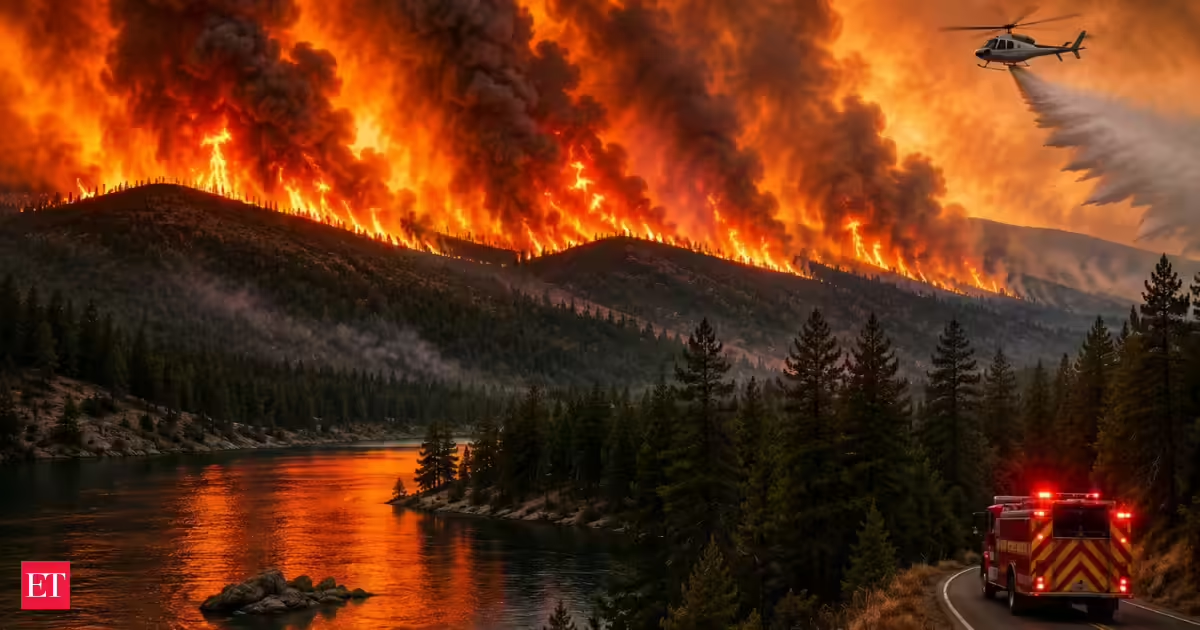
The 2026 fire season is running hot across the continent. In the United States, nearly 3.9 million acres have burned year-to-date as of July 19, 2026, per the National Interagency Fire Center's (NIFC) own Incident Management Situation Report.Its seasonal outlook had earlier flagged above-normal risk for Texas, Florida, Georgia, the Carolinas and the wider southeastern US, linked largely to La Nina-driven dry, warm patterns.Also read: Donald Trump blames Canada for wildfire smoke, says he will add cost to tariffsCanada's season has been just as active. More than 800 wildfires were burning across the country by mid-July, with large clusters in Ontario near the Minnesota border, according to the Canadian Interagency Forest Fire Centre (CIFFC).Ottawa's own outlook points to above-average conditions for the rest of the season, with British Columbia, Alberta and the Northwest Territories facing the highest risk.How climate change is affecting wildfires? Scientists tie the trend to a warming atmosphere rather than any single season's weather. Increased heat, longer droughts and a "thirstier" atmosphere have been a key driver of rising wildfire risk in the western US over the past two decades, since temperature, humidity and fuel moisture are all closely tied to climate change, the National Oceanic and Atmospheric Administration (NOAA) says.A 2016 study by John Abatzoglou and A. Park Williams, published in the Proceedings of the National Academy of Sciences, found that climate-driven drying had roughly doubled the cumulative forest fire area burned in the western US between 1984 and 2015.A 2021 follow-up PNAS study by UCLA researchers, led by Yizhou Zhuang, concluded that human-caused warming was responsible for the majority of the rise in "fire weather" risk in the region.Fire seasons in parts of the US are now about a month longer than they were 35 years ago, NASA says, a pattern also seen in Mexico, Brazil and East Africa. Global carbon emissions from forest fires rose 60% between 2001 and 2023.Heatwaves, drought and dry forests explained The mechanism is fairly direct: heat pulls moisture out of vegetation, and that dried-out vegetation becomes fuel. "The more you see [widespread heat], the more evaporation, the more drought you have," Paul Pastelok, senior meteorologist at AccuWeather, told Reuters.Rising temperatures create these drier, drought-like conditions that make wildfires more destructive and harder to control, the report noted.California is a live example this year. Spring 2026 was warmer and drier than normal across the state, with rainfall since October running at about 70% of average in the south, and Sierra snowpack falling from 75-80% of normal on May 1 to just 20-30% by month's end, according to CAL FIRE.Which areas face the highest wildfire risk? Western Canada and the western US remain the most exposed. British Columbia, Alberta and the Northwest Territories are flagged for the highest wildfire risk in Canada this season. Within the US, both Northern and Southern California are expected to see above-normal large fire activity through July and August, with high-elevation forests above 7,000 feet in the Sierra already recording early-season timber fires, CAL FIRE data shows.Washington state faces above-average risk for the entire state by August, following early-season drying and a statewide drought emergency declared in April.Outside the West Coast fire belt, Texas, Florida, Georgia, the Carolinas and the broader southeastern US were also flagged for above-normal risk this year in NIFC's national outlook.How do wildfires affect air quality? North America is living through this right now. Smoke from over 800 active Canadian wildfires triggered air quality alerts across at least 18 US states in mid-July, stretching from Minnesota to New Hampshire to Virginia. New York City recorded an Air Quality Index above 200, rated "very unhealthy," while Milwaukee logged its worst air quality on record at an AQI of 644, more than double its previous 1987 record, city officials said.Also read: Scientists affirm climate change fuels extreme weatherThe health risk comes down to particle size. Wildfire smoke can trigger coughing, wheezing, breathing trouble and eye and throat irritation, and can set off asthma attacks, bronchitis and COPD episodes, according to the US Centers for Disease Control and Prevention (CDC).The smallest particles, called PM2.5, can travel hundreds of miles from the fire and seep into the lungs and bloodstream, raising the risk of heart attacks, stroke and respiratory illness with repeated exposure.Can wildfires be prevented? Not entirely, but most ignitions are within human control. Up to 89% of wildfires are human-caused, according to the US National Park Service, with unattended campfires, discarded cigarettes, debris burning, faulty equipment, downed power lines and arson among the leading triggers.Land managers rely heavily on prescribed, controlled burns to cut future risk. These low-intensity fires are set under mild wind, higher humidity and cooler temperatures to clear dead leaves, dry grass and small branches before they can feed a bigger blaze.The US Forest Service uses prescribed fire to reduce hazardous fuels and protect communities from more extreme wildfires later in the season, noting decades of fire exclusion have left many ecosystems overcrowded and primed to burn hotter.Property-level defences matter too. Most homes ignite not from direct flames but from wind-borne embers that can travel over a mile ahead of a fire front, which is why home-hardening measures such as fire-rated roofing and fine mesh vents are emphasised alongside defensible space.
Why are wildfires becoming more frequent across North America? Causes explained
North America wildfires explained: North America faces an intense fire season with millions of acres already burned. Climate change drives increased heat and drought, fueling destructive wildfires across regions. Smoke from Canadian fires has significantly impacted air quality in many United States states. Human actions cause most ignitions, while land managers use controlled burns to mitigate risks. Property defenses and defensible spaces are crucial for protecting homes from wind-borne embers.
870 words~4 min read