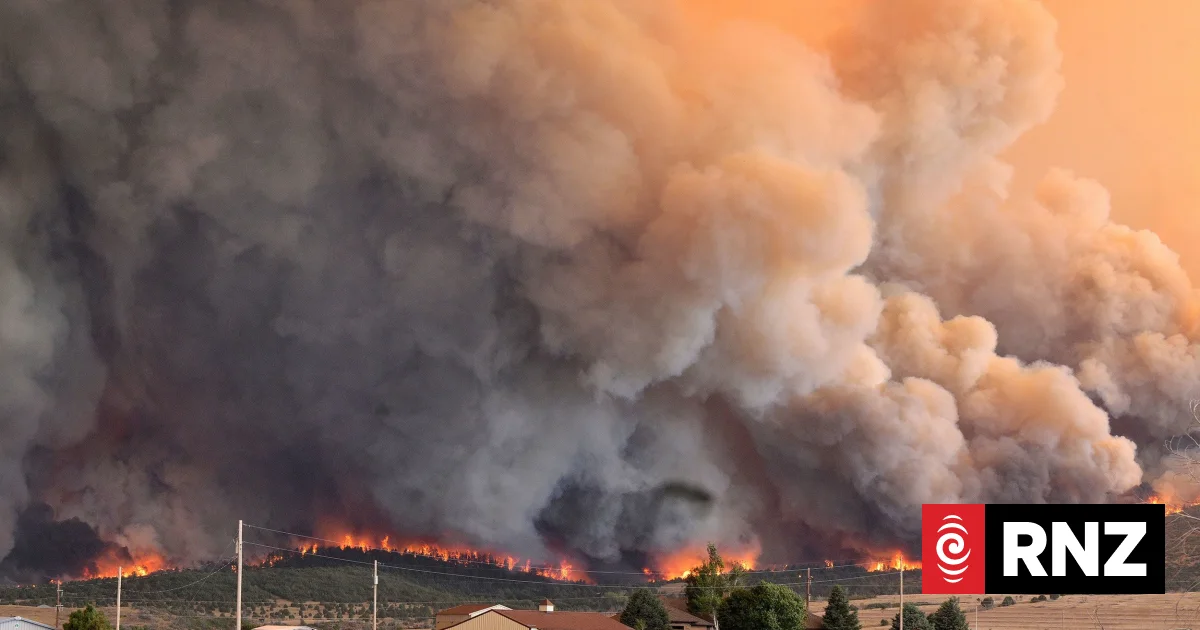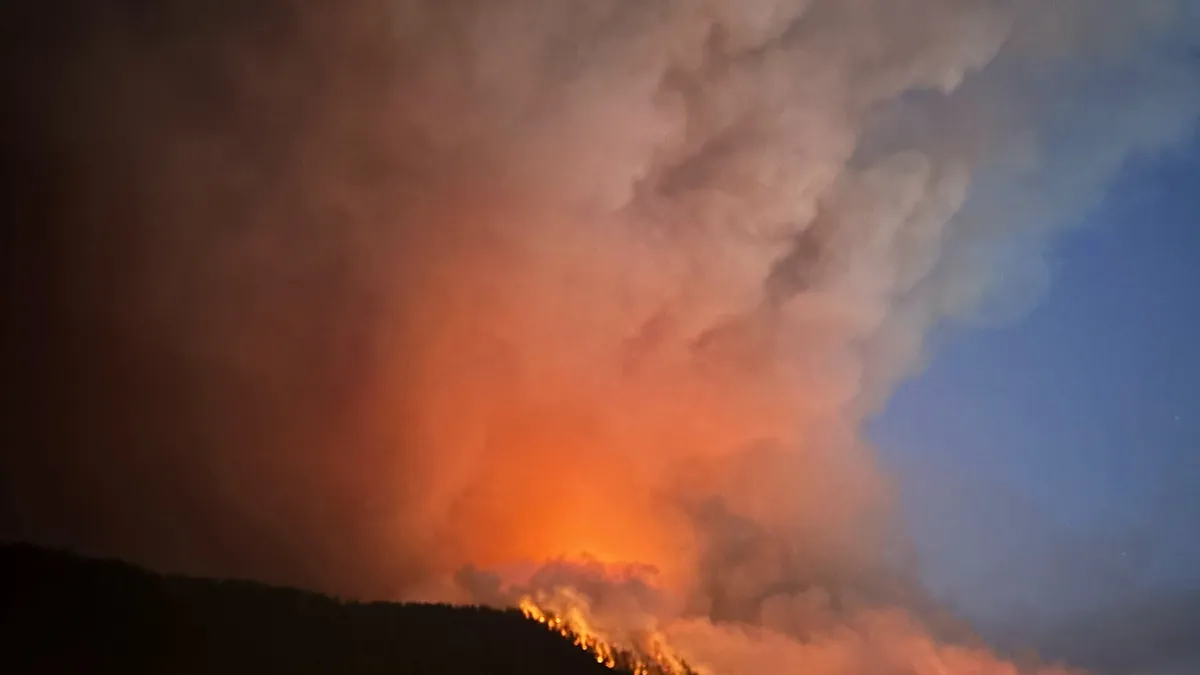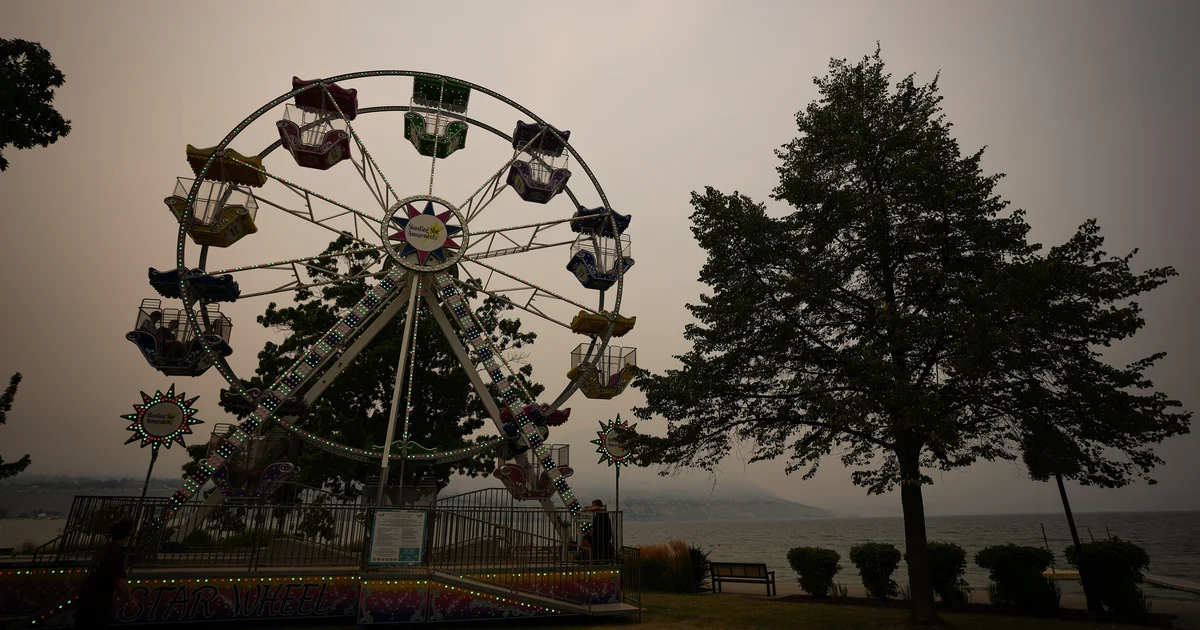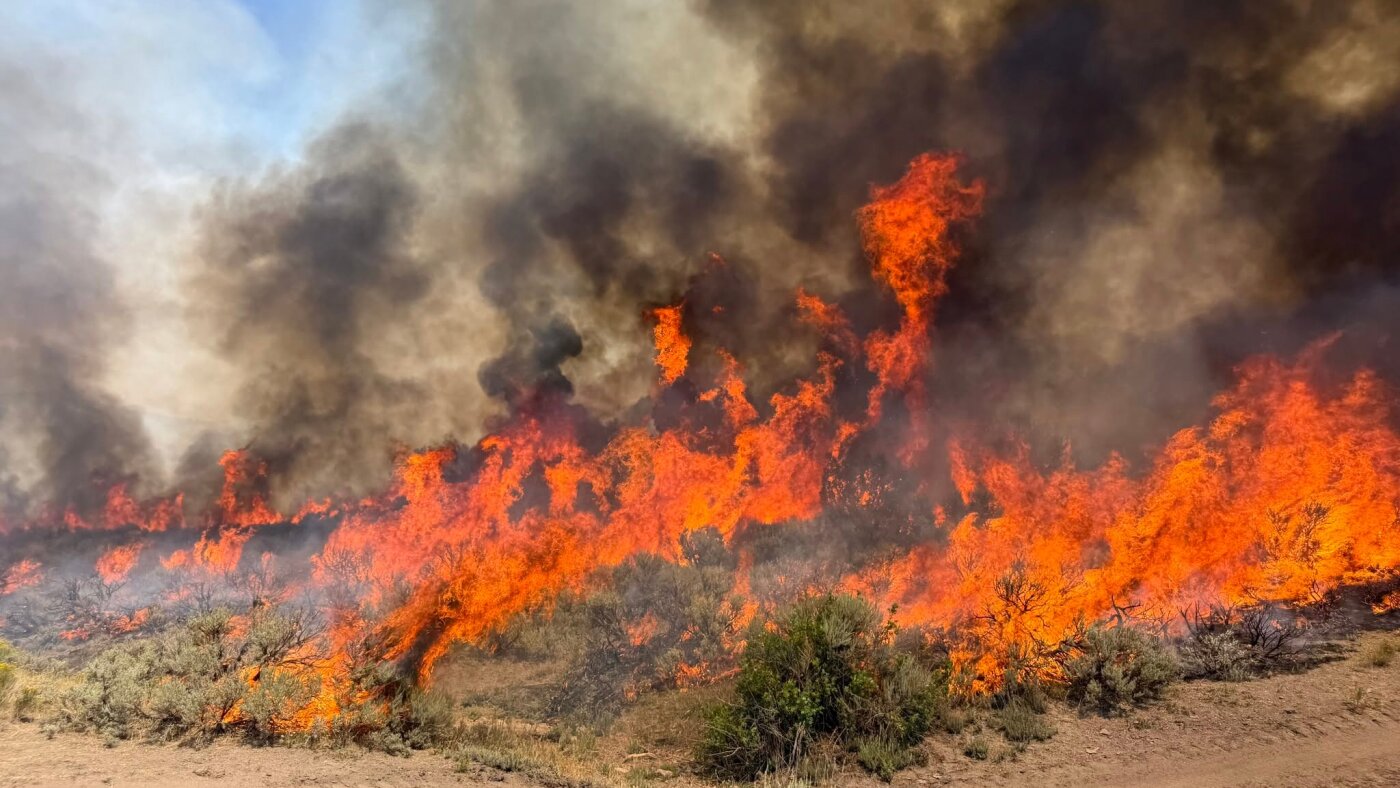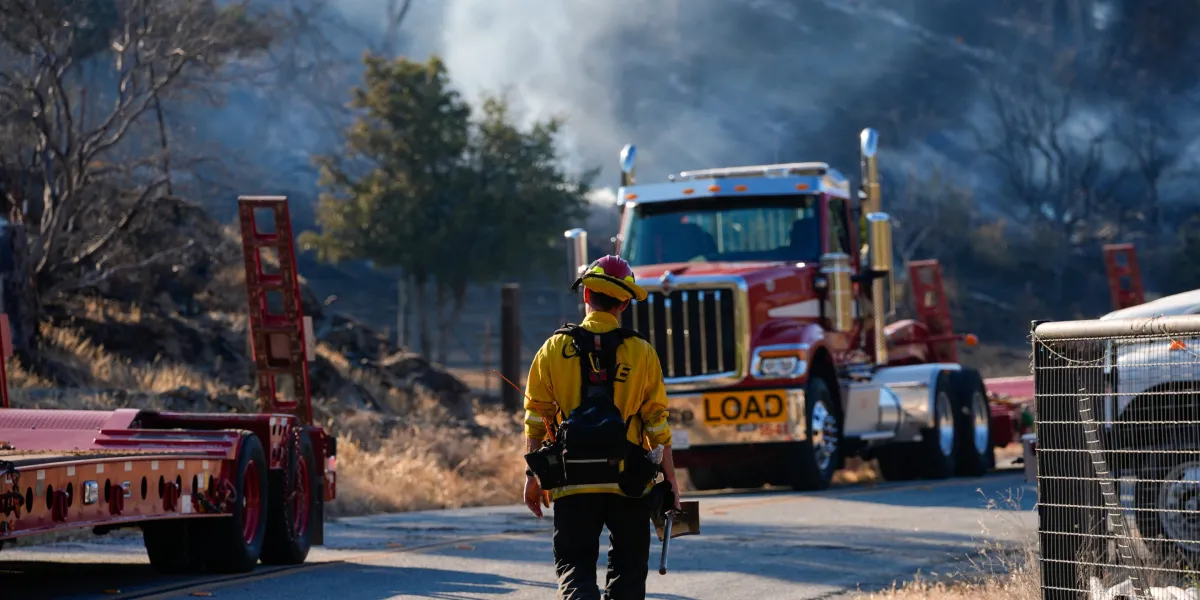
The US is enduring one of its worst wildfire seasons in years, with blazes scorching millions of acres. It’s part of a global pattern of hot, dry conditions that favor fires becoming more common with climate change.
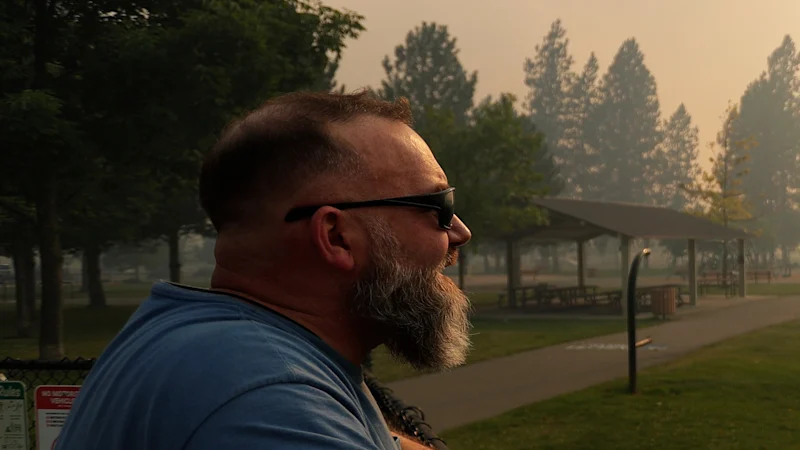
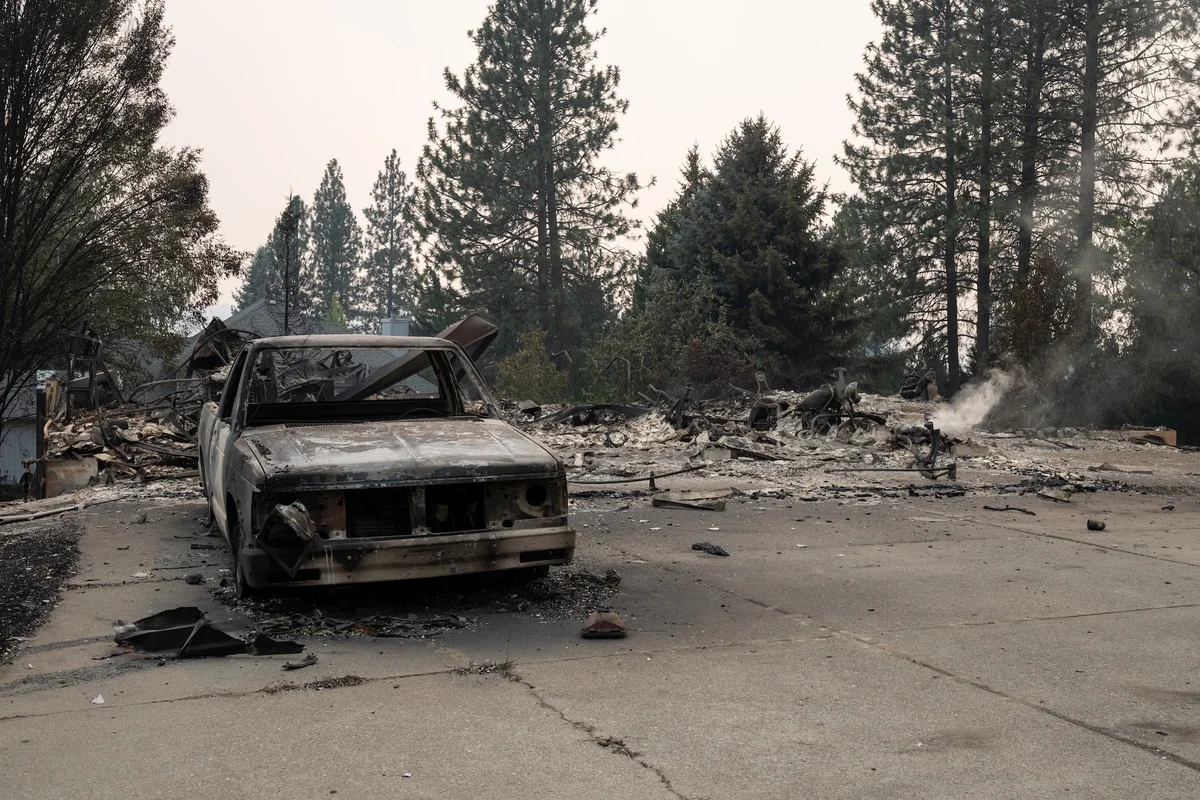
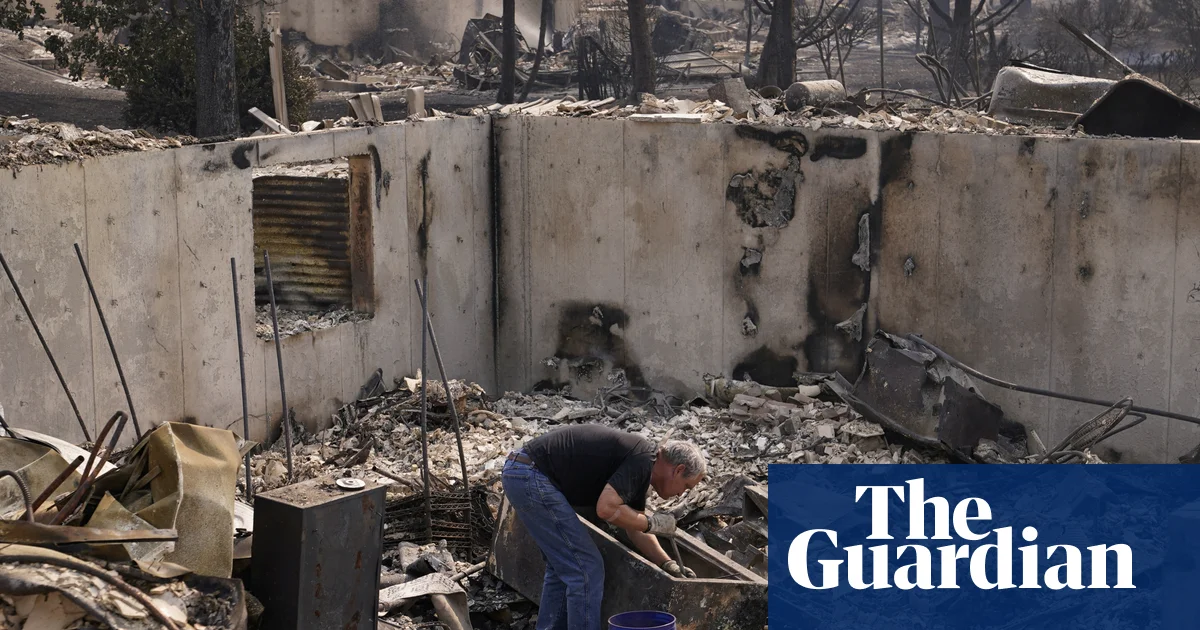
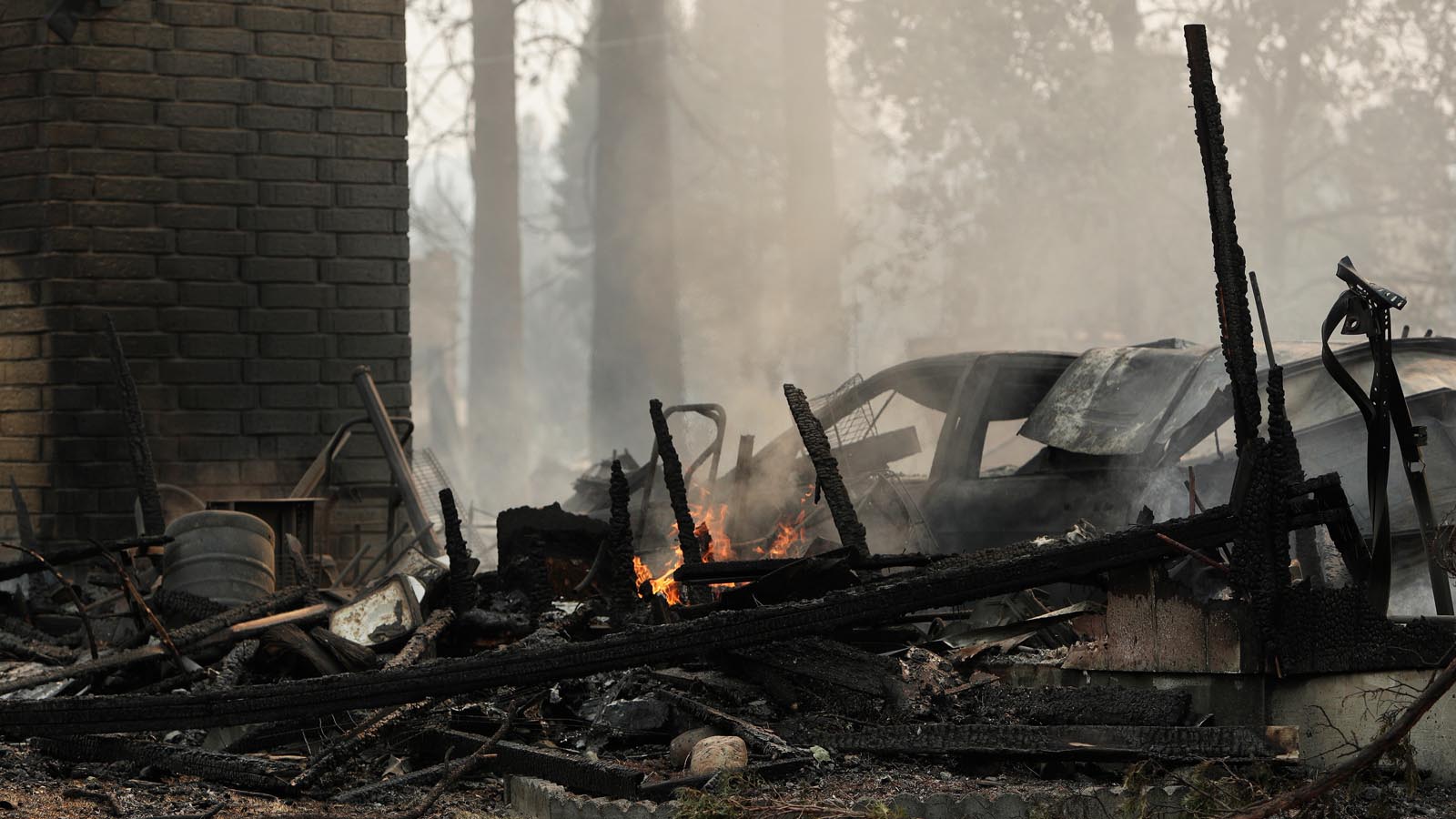
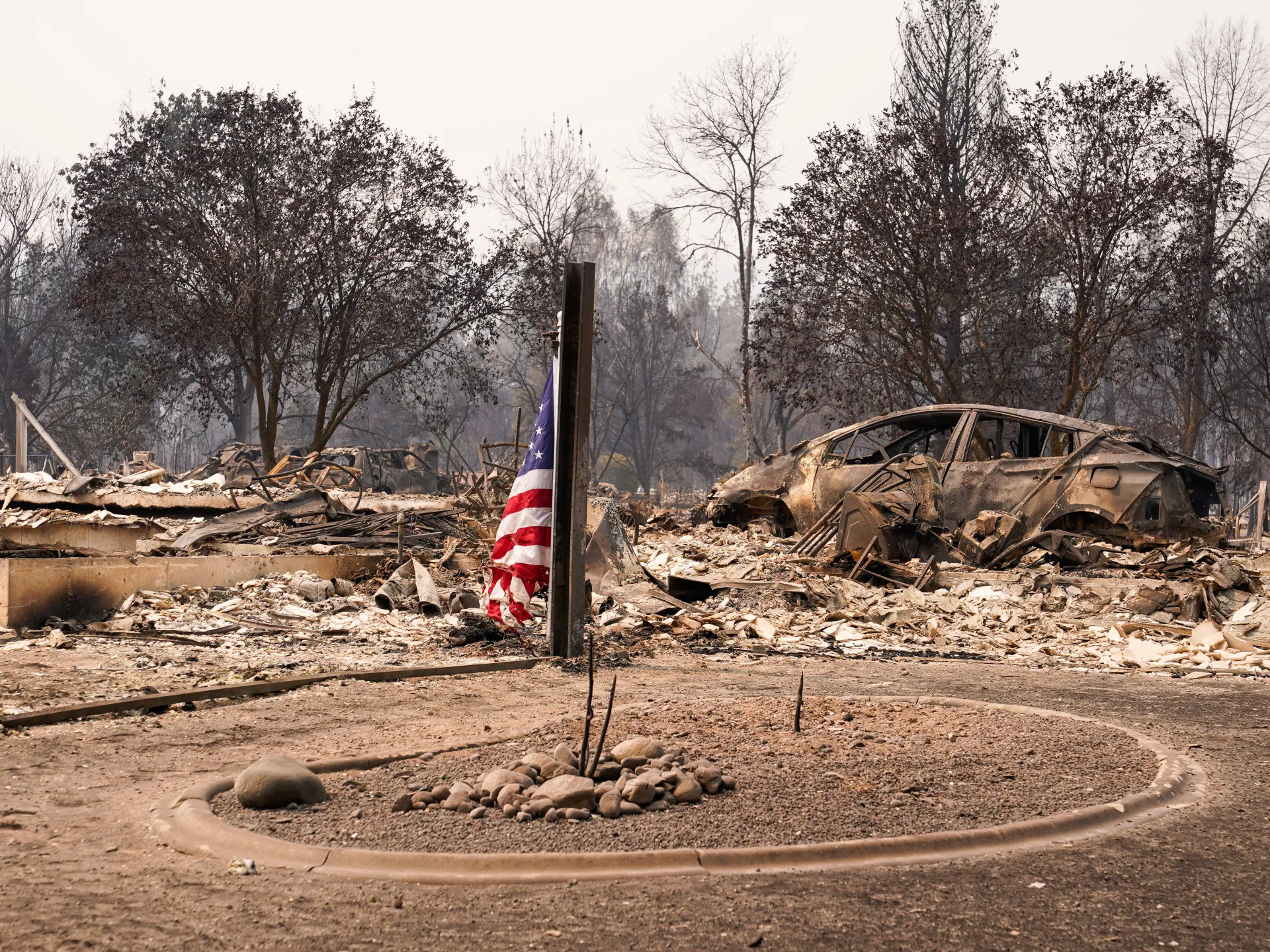
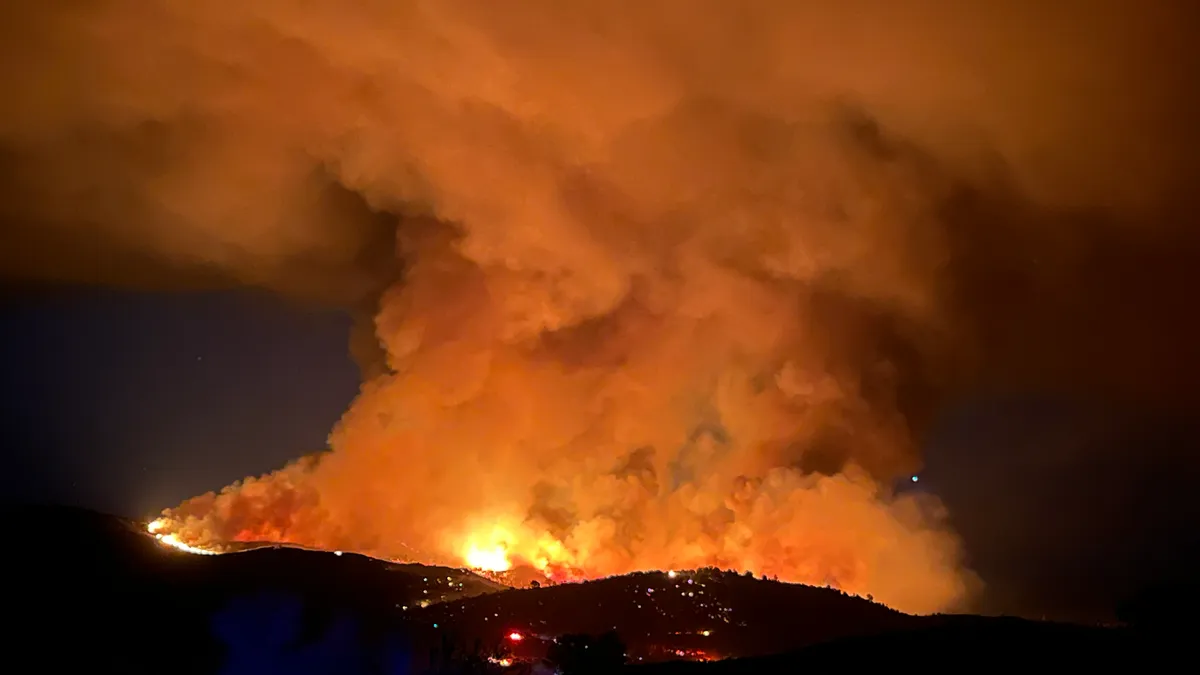
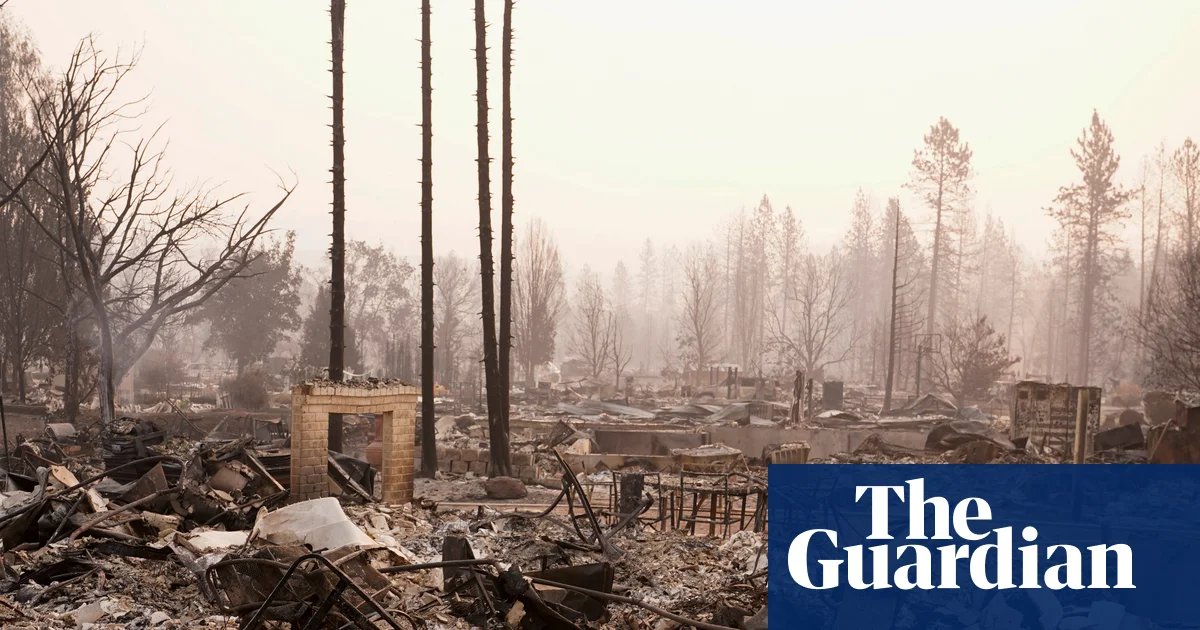
Fires that erupted over the weekend in and around Spokane, Washington, have destroyed hundreds of structures and forced more than 60,000 from their homes — about 10% of the population. Three major fires have burned more than 8,000 acres and have not been contained, according to InciWeb, a federal fire-tracking website. There are 17 total fires currently active across Washington, Public Lands Commissioner Dave Upthegrove said on Monday.
Meanwhile, ongoing fires in Greece have consumed tens of thousands of acres and triggered evacuations. These conflagrations follow the historic fires that raged in France and Spain last month, displacing hundreds of thousands of residents.
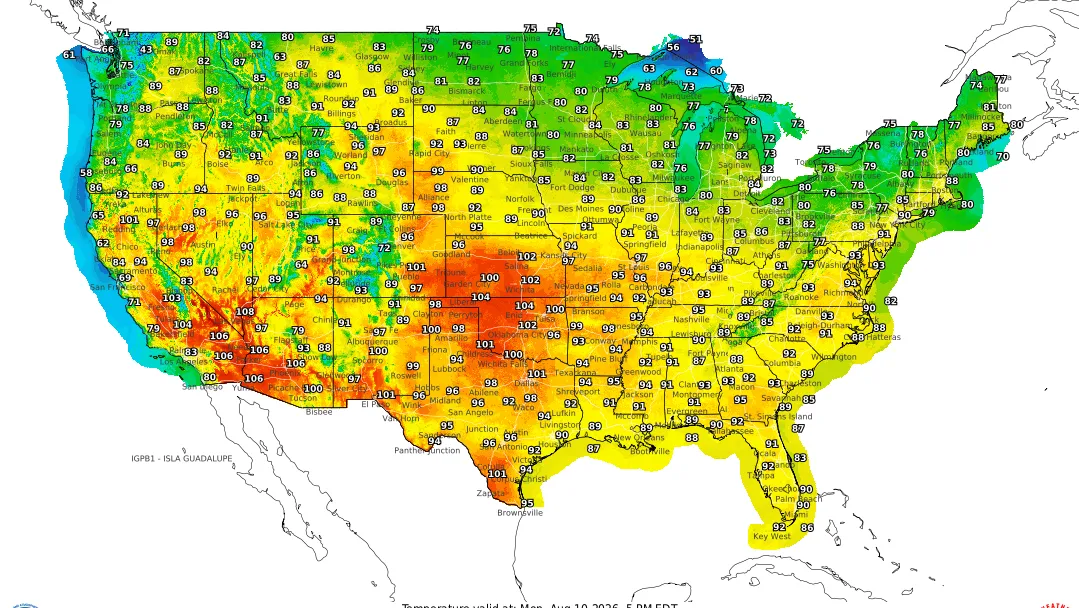
All these fires broke out in different regions and ecosystems. But they’re examples of the same underlying shift: Rising temperatures are worsening wildfire risk. It’s happening in two ways at once. First, traditional fire country is becoming hotter and drier in all regions. Second, the range of landscapes that can sustain destructive blazes is growing broader.